As the US Army tests its new warfighting software, soldiers say they are trying to use artificial intelligence for specific battlefield problems, not treat it as a fix for everything.
Soldiers said that their approach to putting AI capabilities into Next Generation Command and Control, or NGC2, the Army’s new battlefield software platform, is perhaps best described by ranch dressing.
“A lot of folks approach AI the same way they deal with ranch dressing,” Maj. Dave Hickox, the collection manager for the Army’s 4th Infantry Division, told Business Insider. “They don’t know what’s in it or how it’s made, but they think that if you sprinkle it on anything, it makes it better.”
At his division, he said, “we’re taking a more intentional and methodical approach to understanding the AI we’re using as well as how and where to incorporate it to ensure it is enhancing our ability to identify and prosecute targets.”
Essentially, each use of AI has to earn its place. In NGC2, AI is being tested where it can speed up specific tasks while leaving humans responsible for judgment calls. It’s about figuring out where it actually helps and where it could unnecessarily add confusion or create problems.
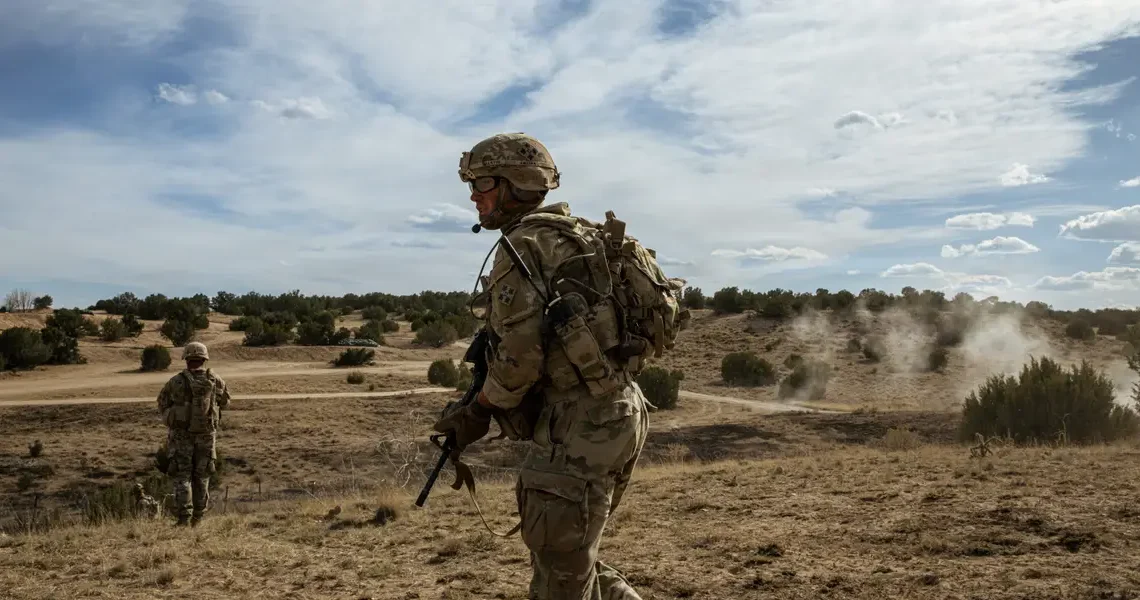
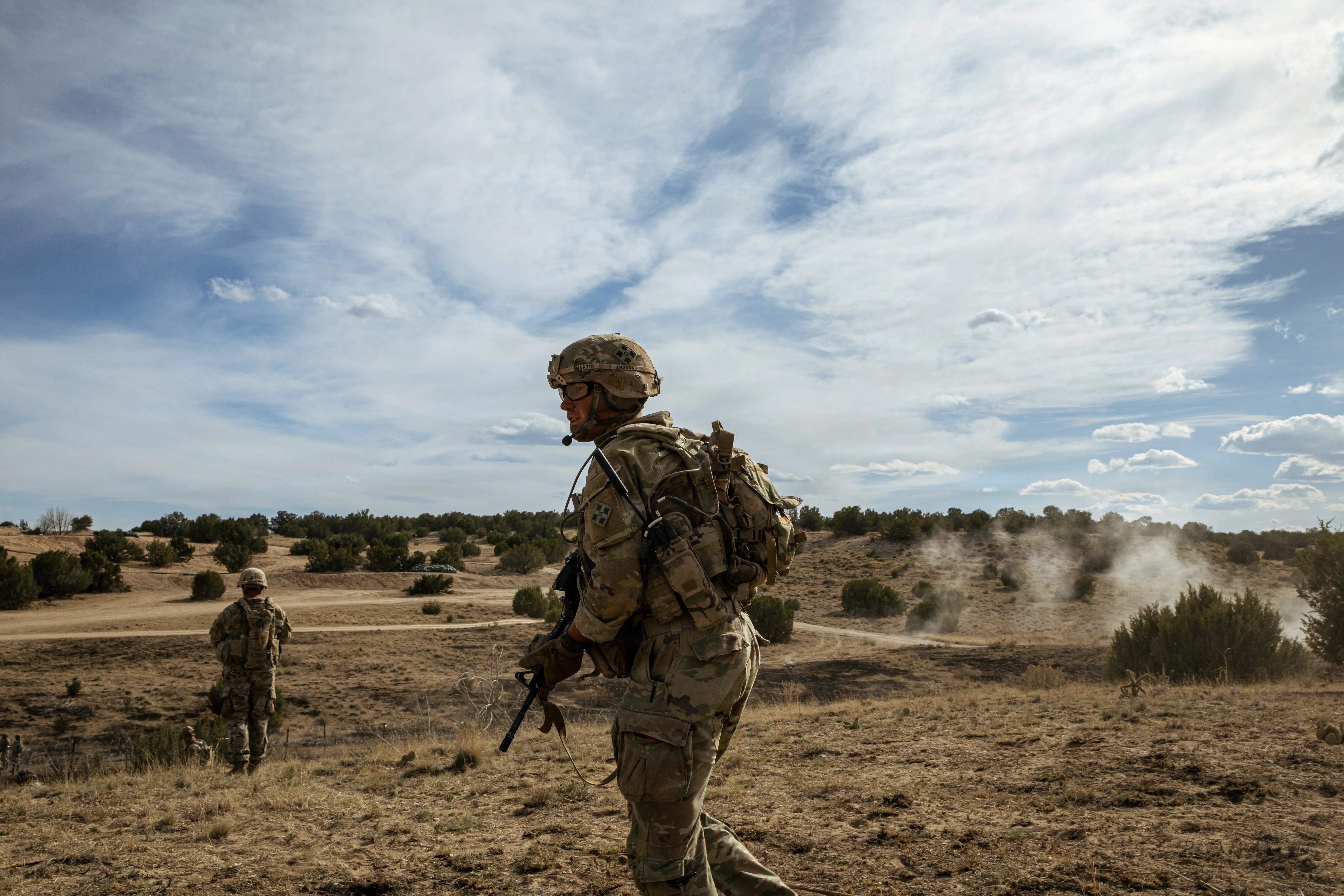
Outside of Colorado Springs last month, the Army and its partners gathered for a massive NGC2 exercise and conducted a series of fights between a blue team and a red team. The event was the latest stress test of the software, which has been developed by both the 4th ID and the Army’s 25th Infantry Division in Hawaii.
At the exercise, soldiers described how NGC2 is upgrading their communications on their laptops, tablets, and small smartphone-like devices worn on their chests and turning vehicles into mobile command posts. They also showed how they were using AI.
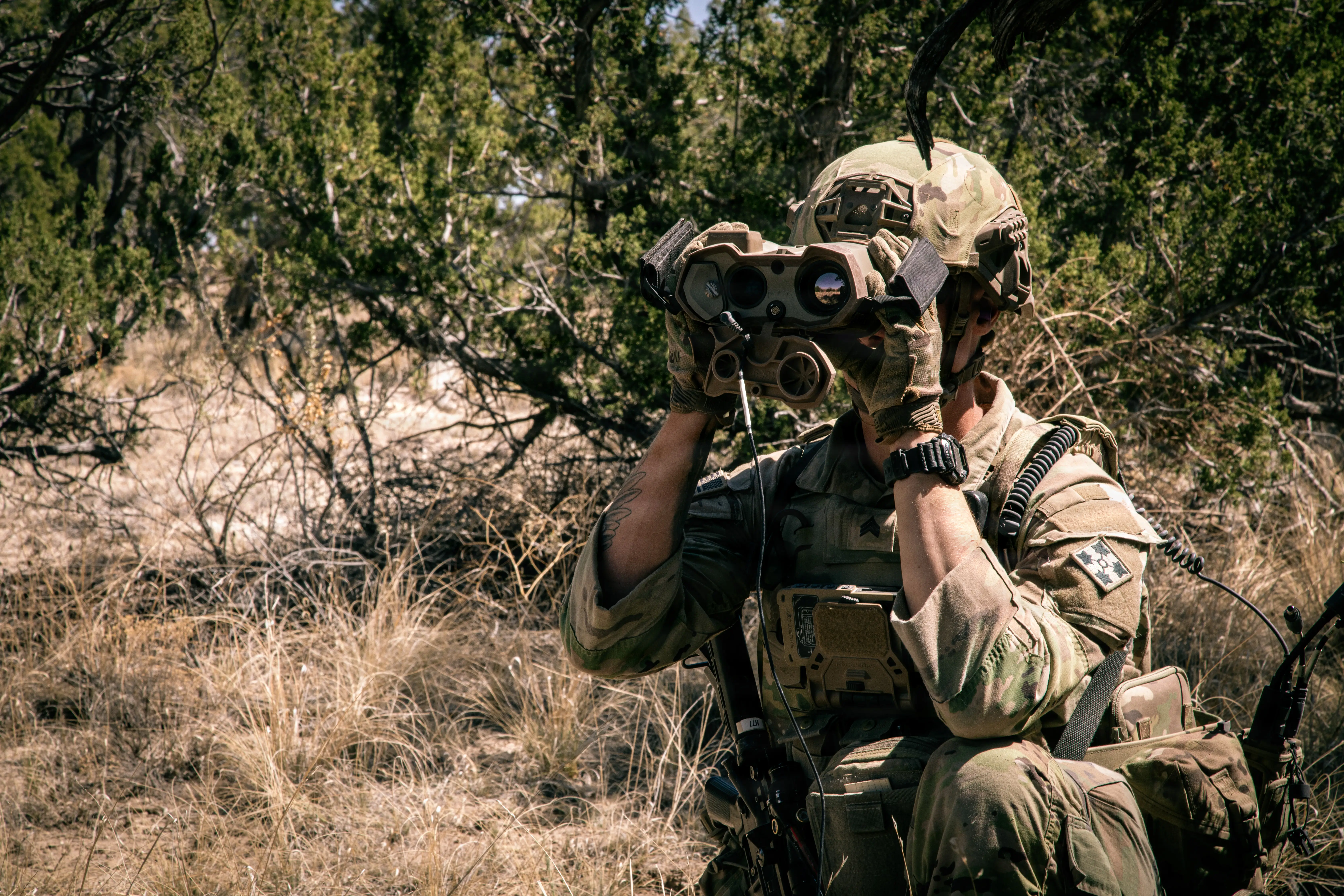
At the mobile command post where soldiers were analyzing targets, AI was helping speed up the process, giving human operators clearer pictures of data before sending information up the chain for potential strikes. Soldiers described the AI as always working with humans in the loop and under guardrails similar to those they would apply to any new capability.
“The key is reviewing AI as being yet another tool that’s coming on board,” Hickox said, adding that soldiers still need to figure out how best to train and use it.
Troops suggested that AI was most helpful for reducing the cognitive load of sorting intelligence, surveillance, reconnaissance information and targeting data, especially when the battlefield is full of information that needs to be digested and processed.
While that potential is not new, the development of NGC2 has suggested it could become more widespread as models are trained and soldiers become more accustomed to using AI.
“If you were to tell me I could use AI on the move,” Hickox said, referring to its use in the mobile command post, “I wouldn’t have believed you probably eight months ago.”
AI could run through substantial amounts of data and then help identify and present potential targeting options. Soldiers could then double-check that output before deciding whether to pursue a strike. The process can move much faster, eliminating hours of work.
Soldiers also believe that as AI becomes more trained on doctrine and information, agents could act as mentors. As younger troops who may be more comfortable with the technology enter service, they’d potentially see AI as a way to answer questions and solve problems.
“There’s probably going to be flaws in it, but that’s where we come in as humans being able to adjust and adapt,” Hickox said.
Army leaders believe that AI-assisted capabilities will be needed in future wars where decisions are made at breakneck speed, electronic warfare and jamming are widespread, and large amounts of battlefield data may be too much for soldiers to process quickly on their own. But officials have said that keeping a human in the loop with AI is essential.
NGC2 is the Army’s effort to overhaul how soldiers collect information, share it, and make battlefield decisions. Its development, which has followed a Silicon Valley “fail fast, fix fast” model, has brought in different companies whose services act as apps or programs within the system. Tracking ammunition or supplies, for example, is one function within NGC2, with AI helping make predictions on what soldiers will need.
Read the original article on Business Insider
The post US Army soldiers say you can’t just pour AI on new warfighting tech like ranch dressing appeared first on Business Insider.