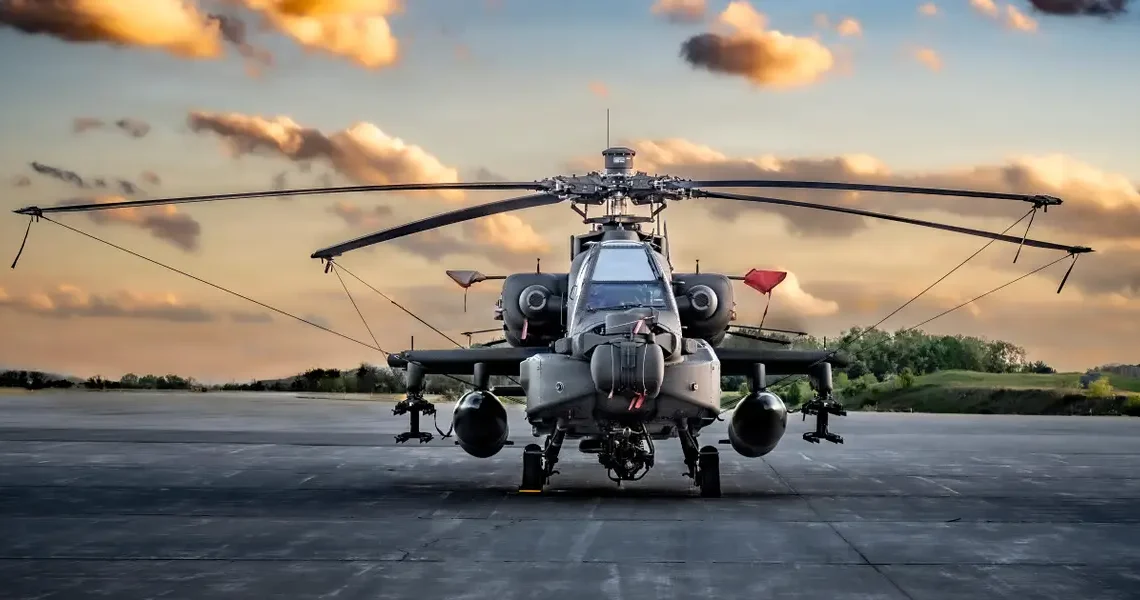
The AH-64 Apache is one of the most advanced attack helicopters in the world, but even this battle-tested gunship is vulnerable to the growing airborne threats to combat aircraft.
On Tuesday, the US military revealed that an AH-64 Apache helicopter went down off the coast of Oman while patrolling regional waters amid the US war with Iran. Later reports indicated that it was brought down by an Iranian drone.
The helicopter’s two crew members were rescued safely. A new naval drone, a Saronic Corsair, was deployed to rescue them, marking an operational first for the military. US forces responded to the downing of the Apache with retaliatory strikes against Iran.
Here’s a closer look at the AH-64 Apache attack helicopter, a versatile combat platform that the US Army has been using to patrol the seas and target Iranian ships near the Strait of Hormuz.
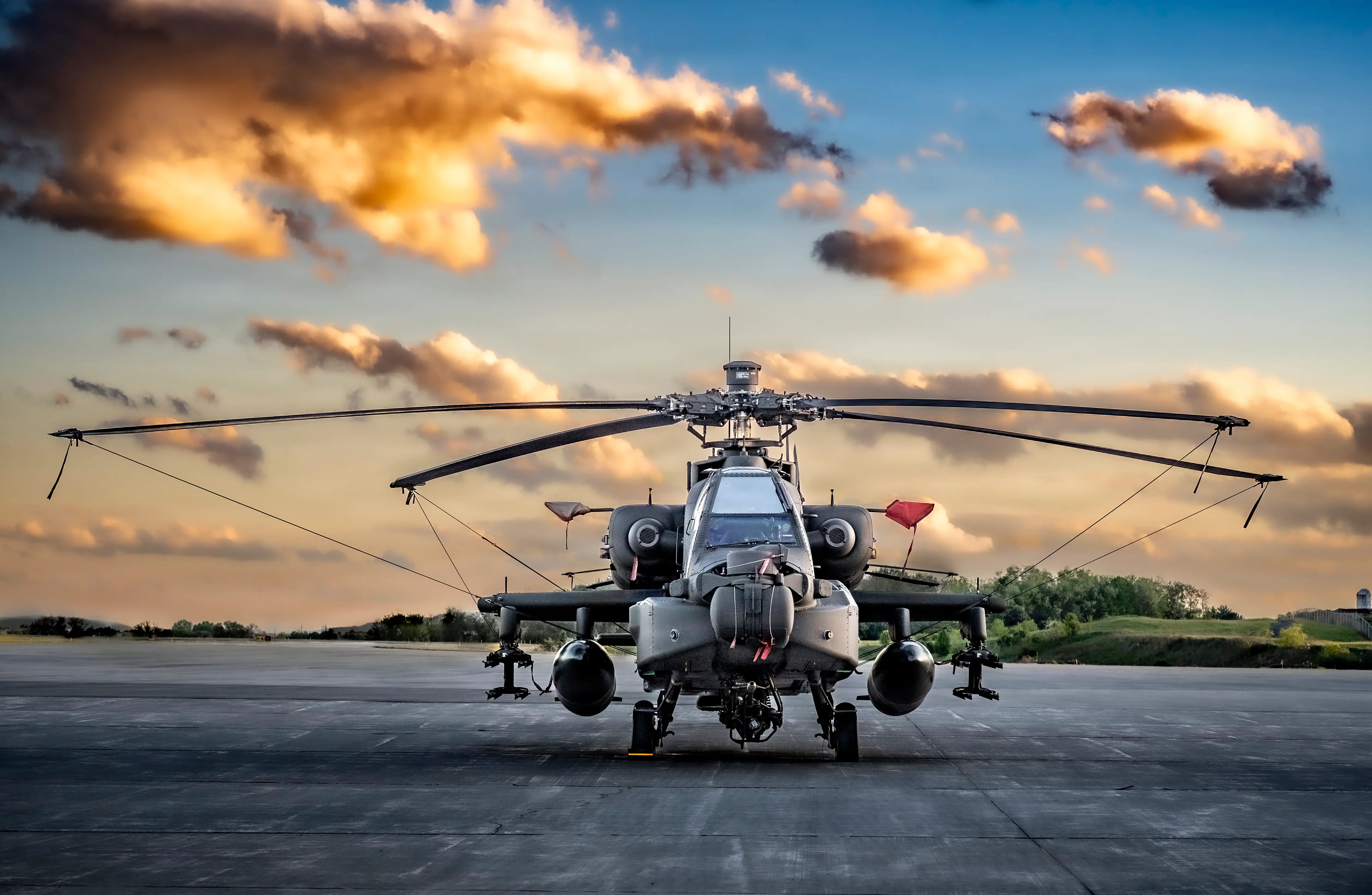
The AH-64 Apache is one of the world’s most advanced attack helicopters.
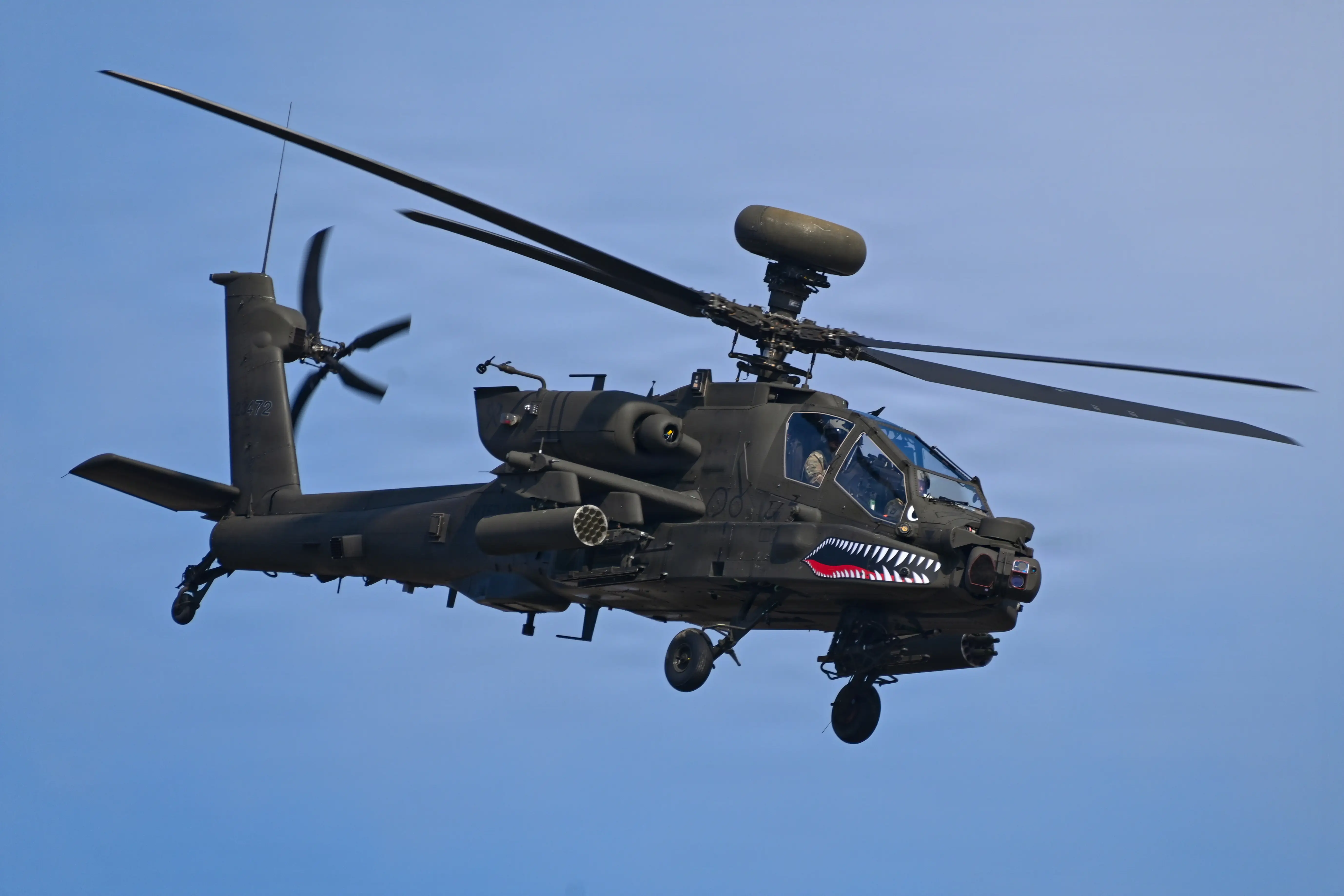
The first AH-64A Apache was produced in 1984. The current model, the AH-64E, entered service in 2012.
Apaches are primarily used by the US Army, though there are over 1,300 in use across 19 countries, including Japan, the United Arab Emirates, Israel, and Singapore, according to Boeing, the helicopter’s manufacturer.
The Apache can carry up to 16 Hellfire missiles, 76 Hydra 70 rockets, and 1,200 rounds for its 30 mm chain gun.
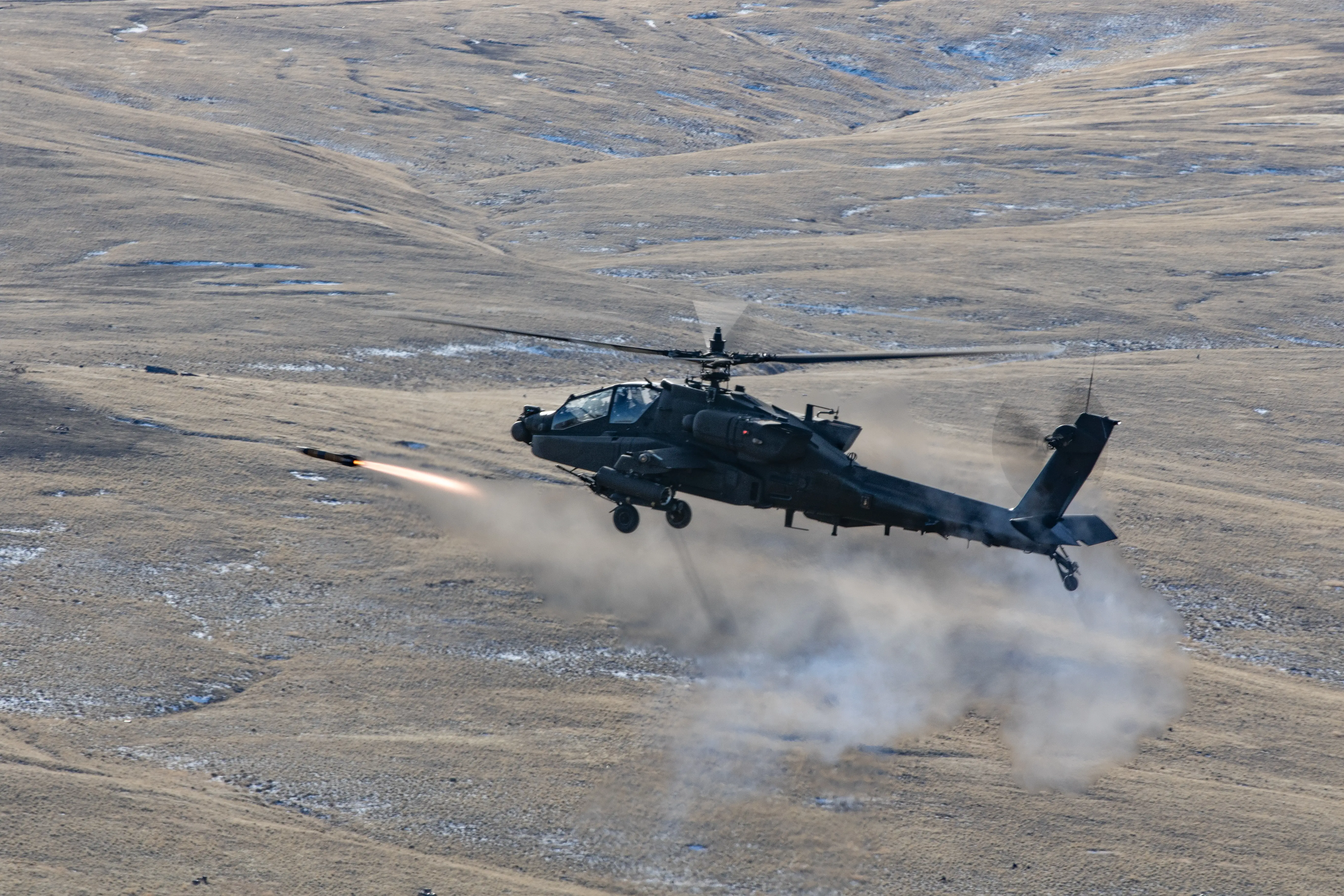
Hellfire missiles are primarily air-to-ground weapons, but they can also be used against some slow-moving aircraft.
The Apache’s Hydra 70 rockets have a maximum firing range of around 34,448 feet, and its chain gun can fire 600 to 650 rounds per minute, with a maximum firing range of 13,123 feet.
The Apache’s job in combat is to find, track, and destroy enemy forces, particularly armored vehicles but also personnel and materiel targets, to support troops on the ground. It carries highly capable sensors for targeting and engaging the enemy at night and in obscured battlefield conditions.
AH-64E Apaches are equipped with Link 16, a secure tactical communications system.
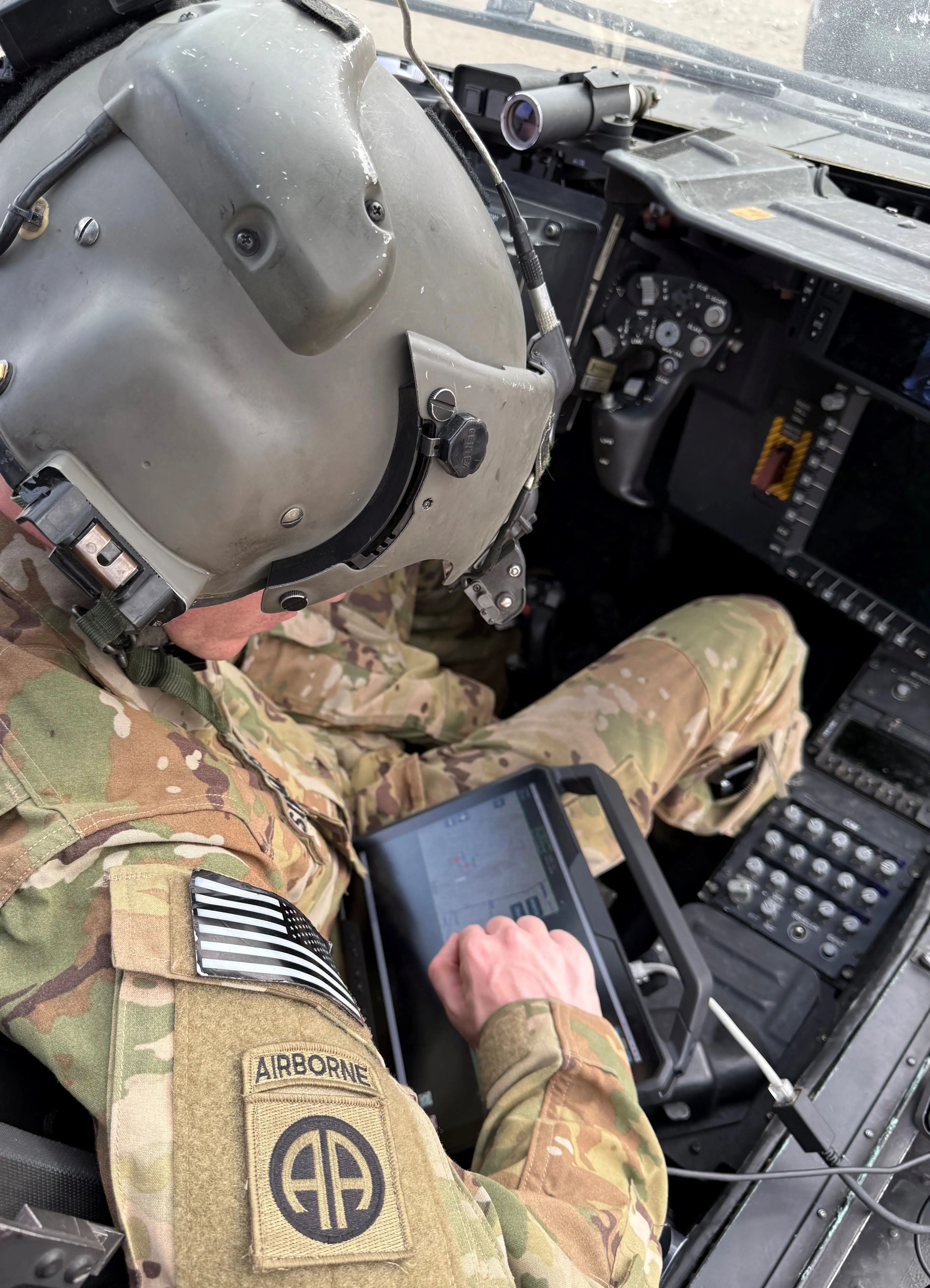
The helicopters can also team with certain drones, extending what crews can see and target from the air.
They can reach speeds of up to 182 miles per hour.
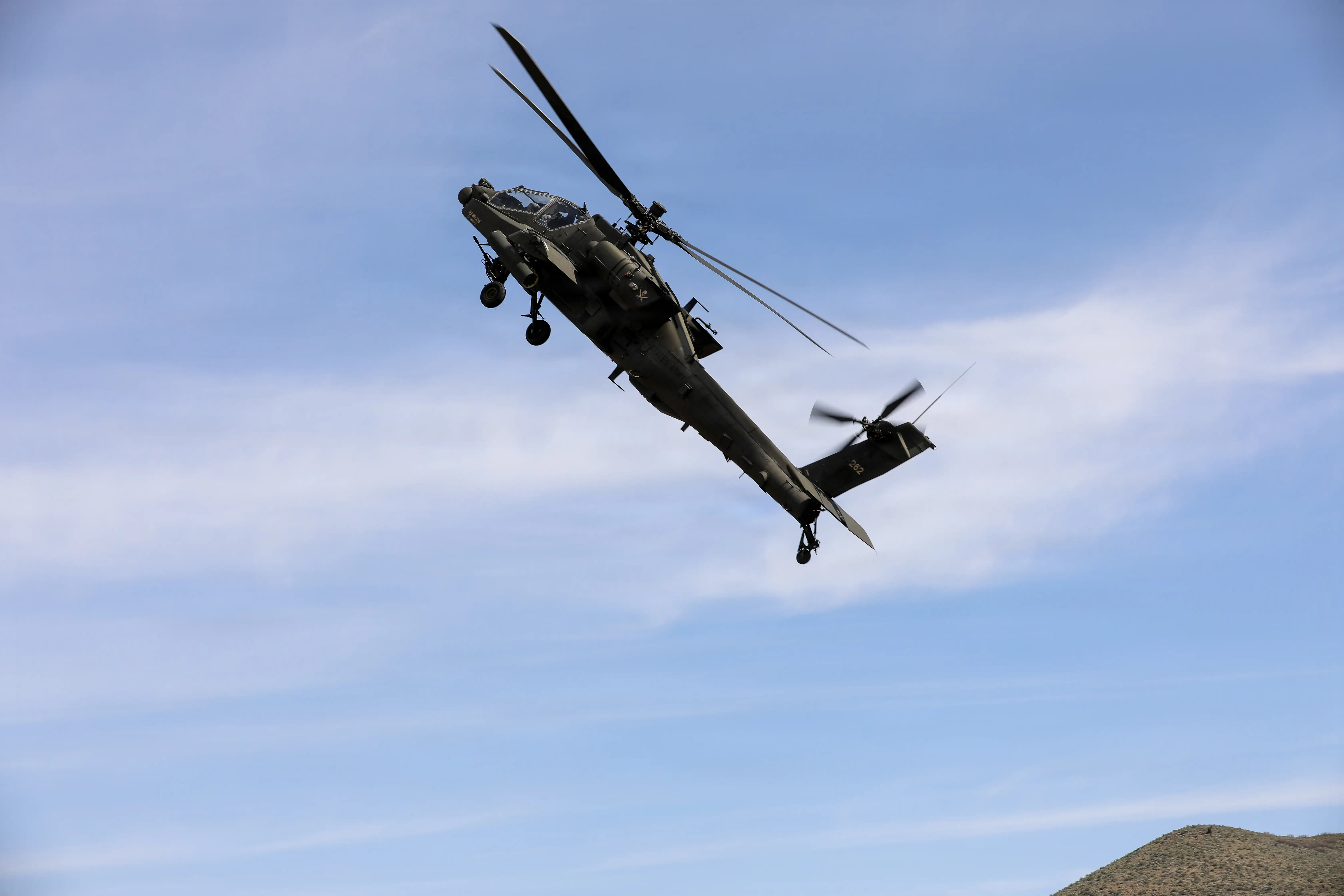
The helicopter can climb up to 2,800 feet per minute. Its radar system helps it fly at low altitudes and in severe weather.
It takes two crew members to operate the Apache.
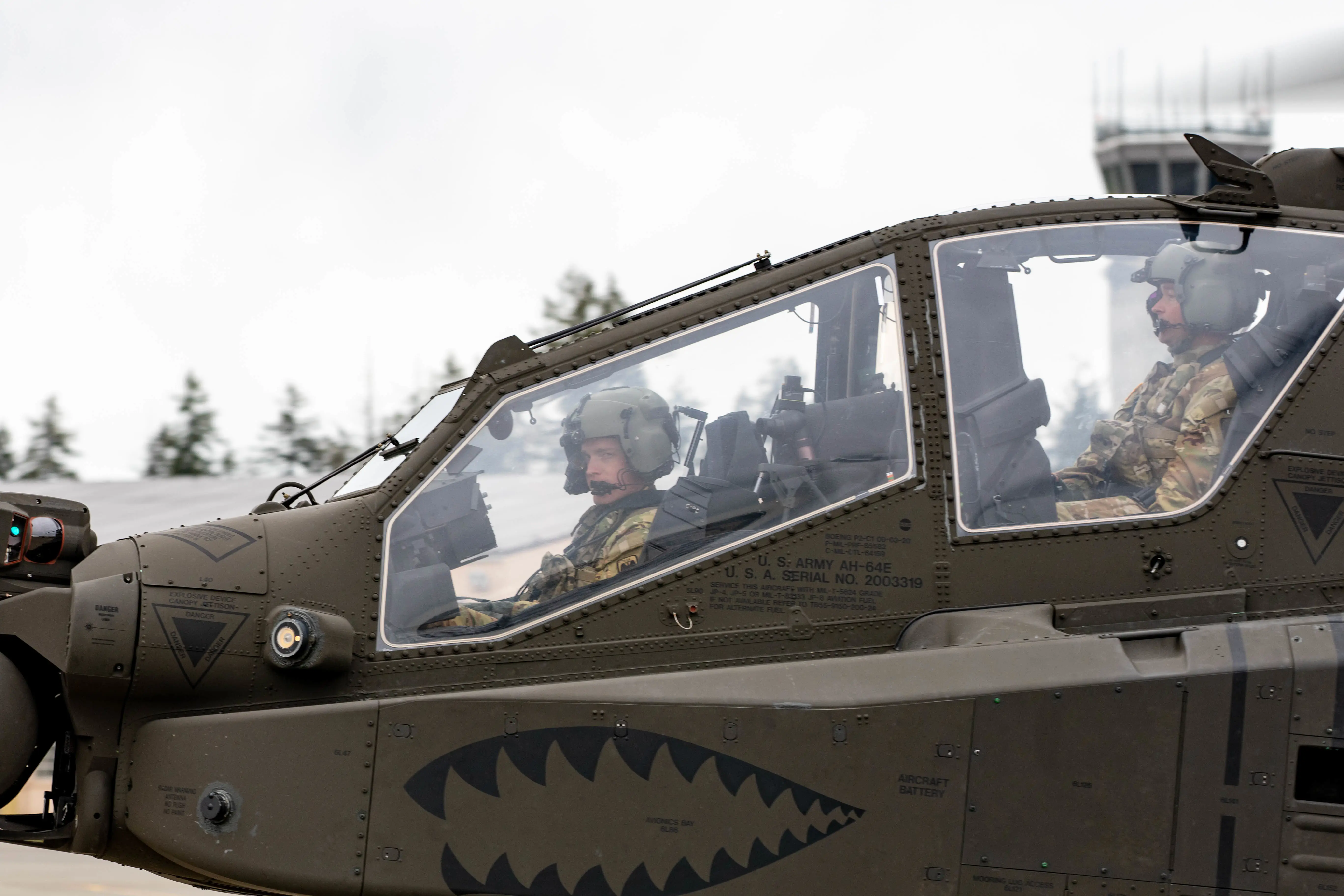
The pilot sits in the rear seat, and the co-pilot/gunner, or CPG, sits in the front seat. Both seats have a full set of controls.
Crew members’ helmets let them aim weapons by looking at a target.
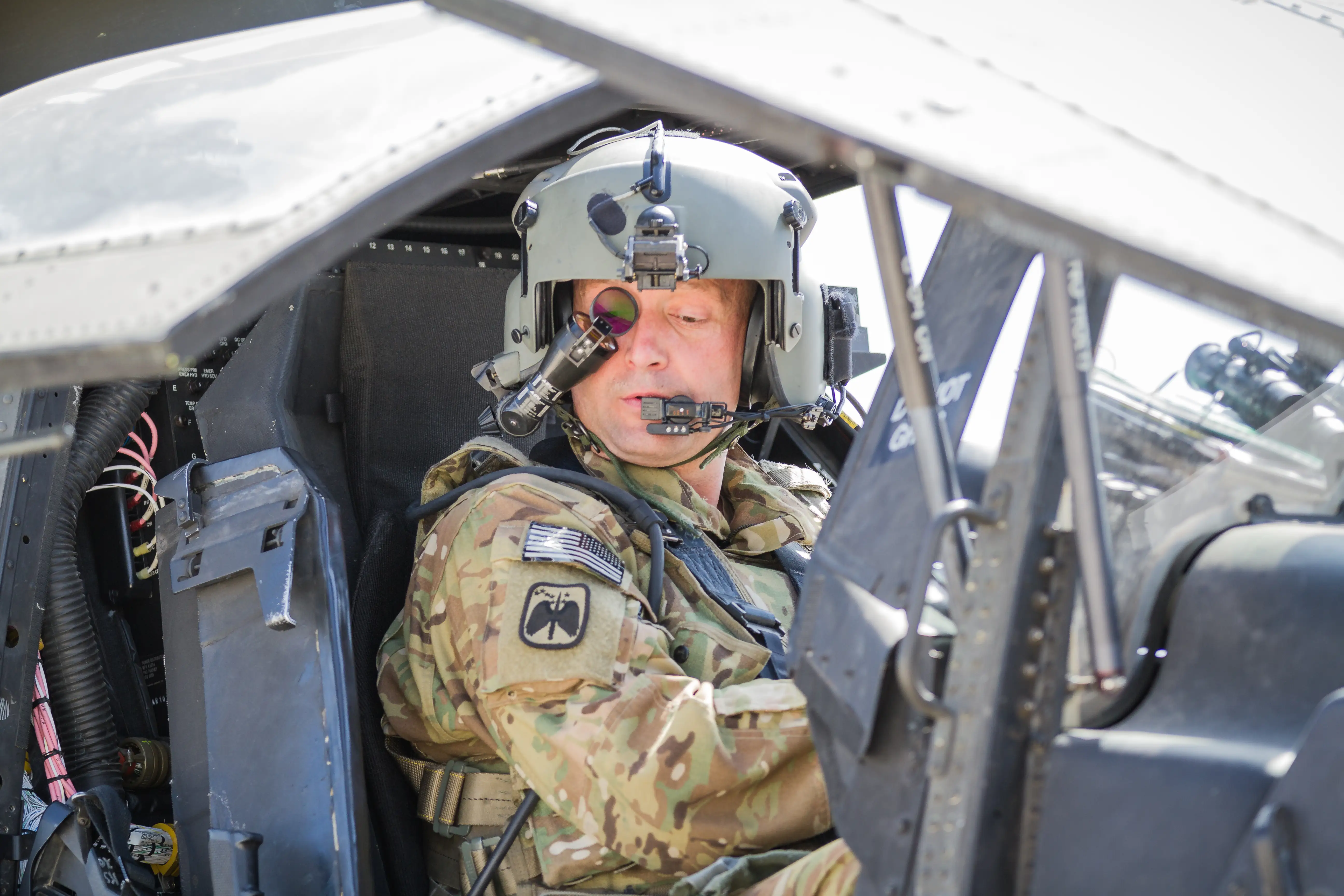
The Apache’s Integrated Helmet and Display Sighting System, or IHADSS, tracks where a crew member is looking and, via a monocular digital display, projects flight and targeting information into their line of sight.
The main rotor can be folded for transport in military cargo aircraft.
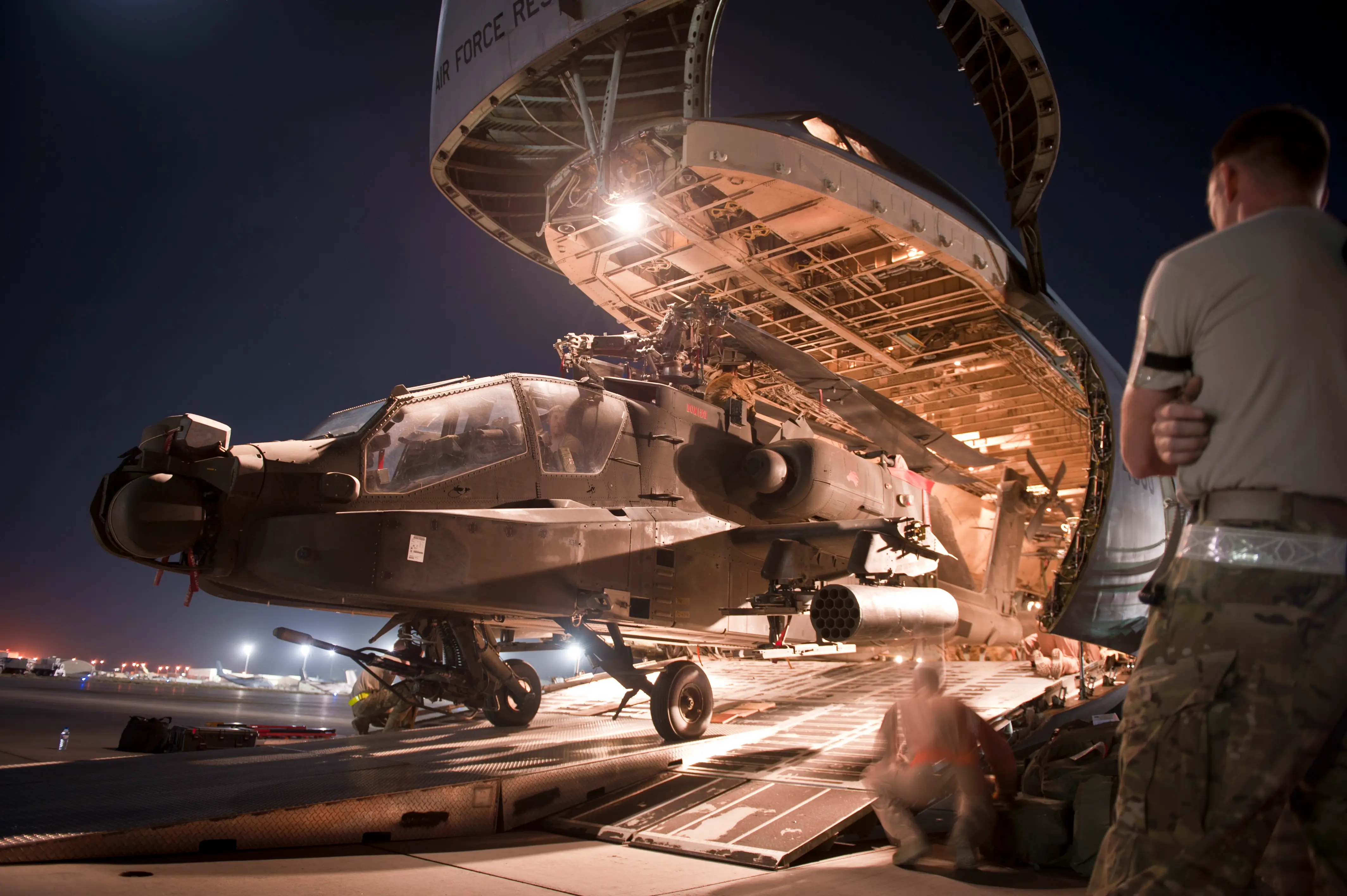
Six AH-64 Apache attack helicopters can fit into the Air Force’s largest airlifter, the C-5M Super Galaxy.
The helicopter that went down this week marks the first Apache loss of the Iran war.
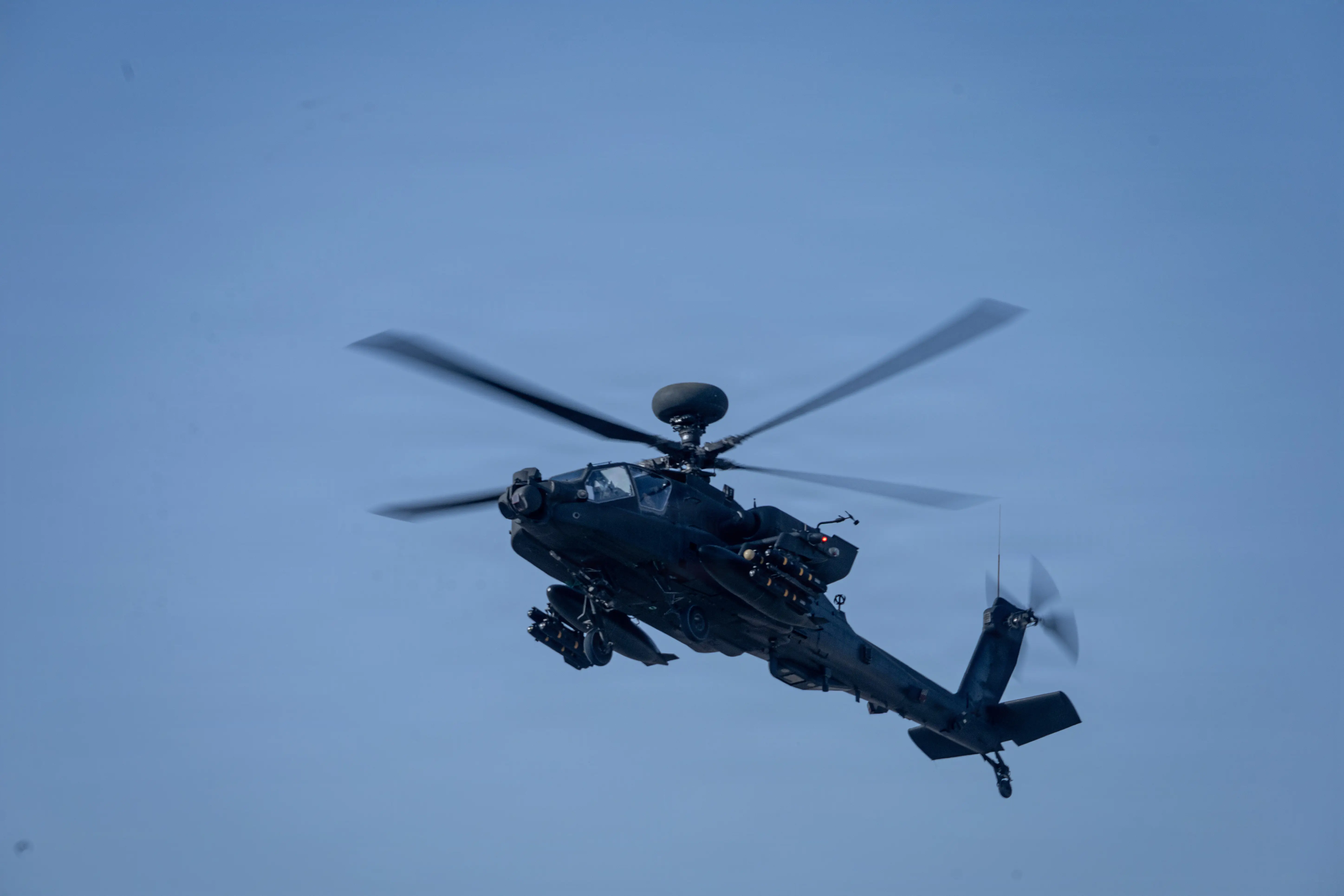
A US Central Command statement released Tuesday on the loss of the Apache helicopter said the circumstances surrounding the incident were under investigation. Later in the day, Trump wrote on social media that the aircraft had been “shot down” by Iran.
The Apache is a formidable aircraft, but not invincible. These helicopters often fly low and close to enemy forces in contested airspace, exposing them to a range of threats, such as air defenses, drones, and even small-arms fire.
The exact situation that unfolded this week near Iran is unclear; however, the president told Fox News on Wednesday that the Apache crew crash-landed a burning helicopter with an unexploded drone lodged in the cockpit.
Axios, citing an unnamed US official, reported that the Army helicopter crashed after it was hit by an Iranian drone, but said it was unclear if the collision with the helicopter was intentional.
Read the original article on Business Insider
The post An AH-64 Apache attack helicopter went down near Iran. Take a closer look at its weapons and capabilities. appeared first on Business Insider.