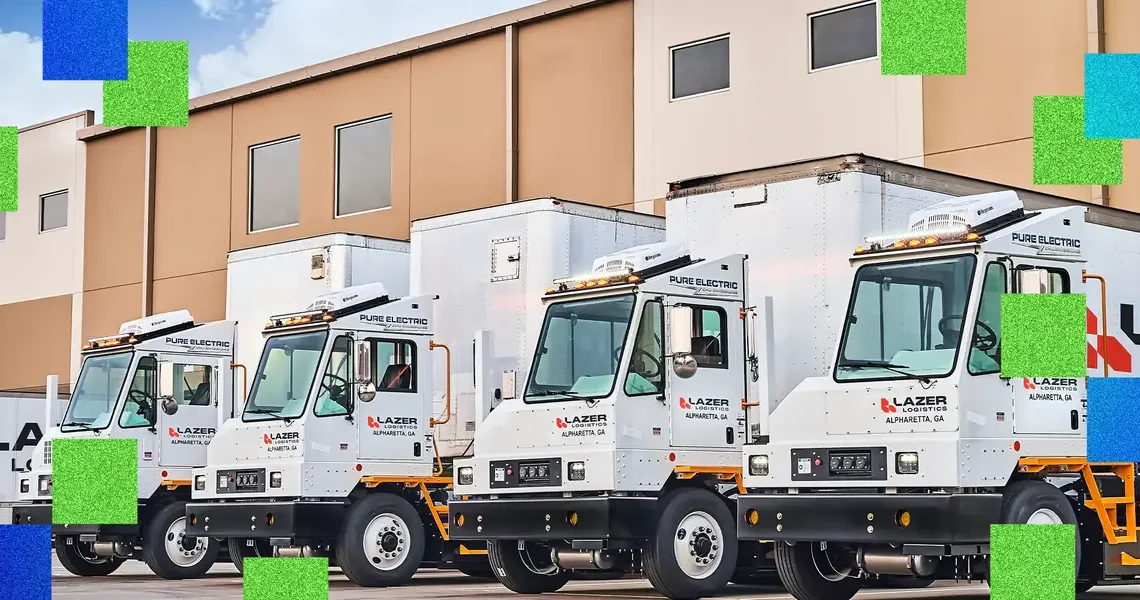
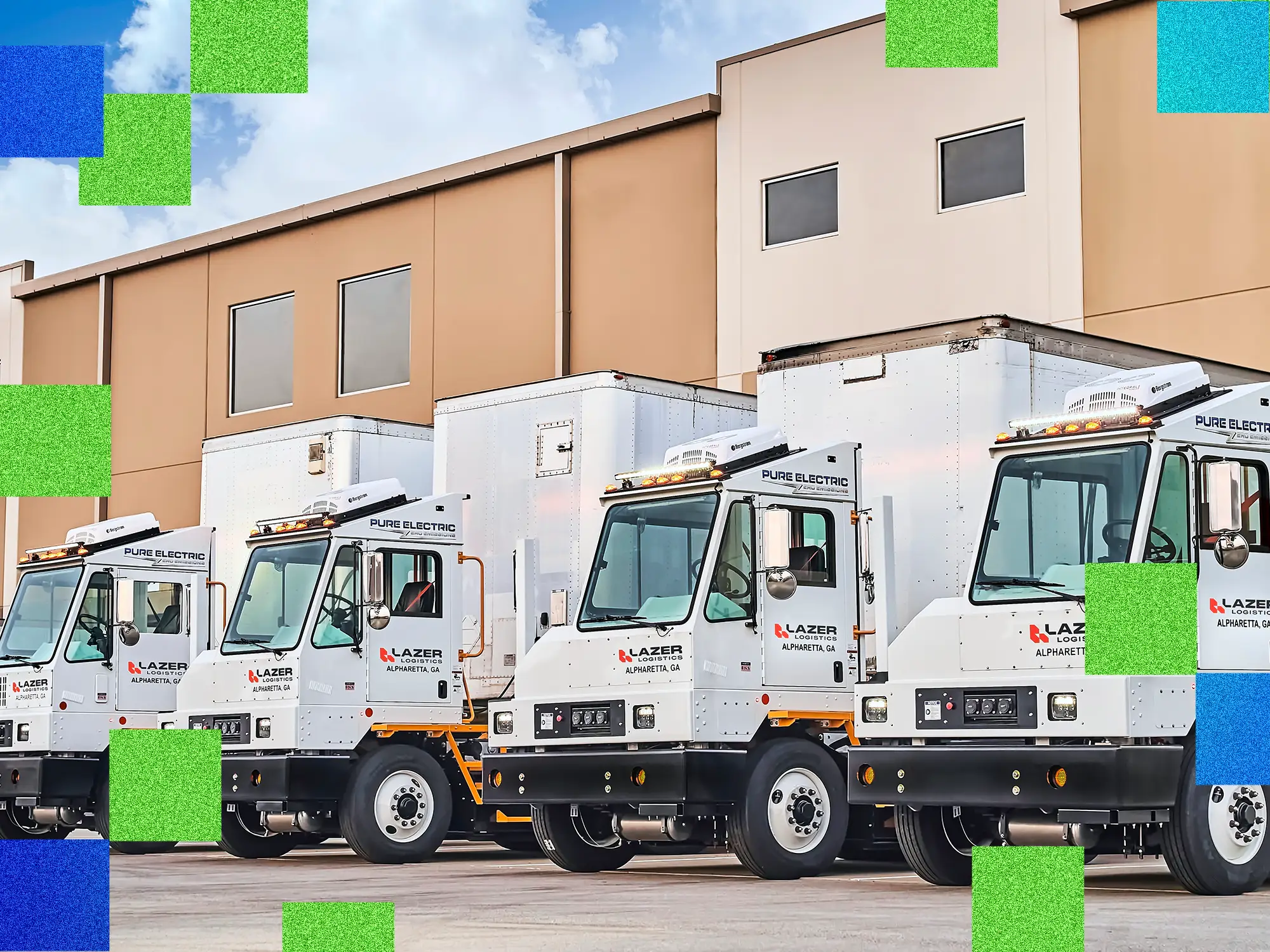
What if you could take your company’s best manager and clone them? Lazer Logistics, a yard logistics company that helps major retailers and manufacturers manage their freight from docks to warehouses, is attempting to do just that with the help of artificial intelligence.
Mike Murphy, the company’s senior vice president of yard solutions and innovation, built an AI coaching tool that is embedded inside its operating system. Called Uncle Phil AI and modeled after the company’s COO Phil Newsome, it gives site managers access to the type of institutional knowledge that previously lived only inside Newsome’s head, said Melanie Sandlin, the chief information officer at Lazer Logistics.
“You put Phil in any yard, and within minutes, he sees what is working, what is not, and exactly what needs to change. Drivers love him. Site managers learn from him. He is what every operator in our network wishes they had access to every single day,” Sandlin told Business Insider of Newsome, who has 36 years of logistics experience. “The problem is there is one Phil, and there are 750 sites, so we asked ourselves, ‘What if we could change that?'”
Uncle Phil AI pulls data from across Lazer Logistics’ connected systems that manage truck telematics, in-cab videos, maintenance, driver inspection reports, labor data, and yard management workflows in one platform. This way, site managers have access to real-time insights and actionable guidance that they wouldn’t otherwise see.
“Instead of a manager having to open four different systems and piece together a picture on their own, Uncle Phil surfaces what matters: here is what is happening, here is why it might be happening, here is what a great operator would do about it,” said Sandlin.
Unlike the warehouse, which has been increasingly automated over the last several decades, the yard — which manages the flow of trucks, trailers, and containers as they enter and leave a facility — is one of the last parts in the supply chain to get a technological upgrade, said Bart De Muynck, a supply chain strategic advisor and independent consultant with over 35 years of supply chain experience, including roles with Gartner, project44, and YMX Logistics.
“We have very clear KPIs on the warehouse, we have very clear KPIs on transportation, no one has a KPI on the yard,” said De Muynck. “No one really has a pulse on how inefficient they are or how that’s really affecting their organization.”
AI has the potential to help those running yard operations see that data, allowing them to shift from reactive to predictive decision-making, said De Muynck. And in a yard environment where conditions change constantly — due to weather, equipment breakdowns, employee call-outs, and freight volume spikes — Sandlin said quick decision-making is everything.
“Most yard operations today still lack real-time awareness of what is actually happening across their footprint,” said Sandlin. “Where is that trailer? Why is that dock backed up? Which truck has been idle for two hours, and why? Without answers to those questions as they happen, you are always reacting.”
AI turns operational knowledge into a scalable asset
Part of enabling quick and accurate decision-making is having the knowledge to back it up — something Sandlin said Lazer Logistics found only the most veteran employees typically have.
Sandlin said that Uncle Phil AI was trained on Newsome’s three decades of operational knowledge so that it can act as a partner to operators who don’t have that level of experience to rely on when managing a problem. This works especially well in yard operations, Sandlin said, because they are pattern-driven.
“The moves, the sequences, and the conditions that lead to delays or incidents are not random; they follow patterns that are learnable, and AI is exceptionally good at recognizing those patterns at a scale no human team could manage across 750 sites simultaneously,” said Sandlin.
For a site manager who is making dozens of judgment calls every day — like where to prioritize moves, how to respond to a breakdown, when staffing needs to flex, or whether a driver needs coaching — this type of guidance, Sandlin said, is what drives real changes in how trucks are processed, making operations faster and safer and lowering costs.
Since implementing Uncle Phil, Sandlin said Lazer Logistics has seen returns on the operational side, where digitizing its vehicle inspection reports and removing paper from the process has given site managers back more time in their day that was previously spent on manual entry.
“Those are not flashy AI numbers, but they represent something important: our best assets, our people, are spending less time on administrative friction and more time on the work that actually matters: coaching drivers, serving customers, and running better yards,” said Sandlin. “Clean, consistent, real-time data is now flowing from the field in a way it never was before, which is the fuel that makes Uncle Phil AI possible.”
AI implementation needs a solid data foundation
Sandlin said that before Uncle Phil AI, Lazer Logistics made data infrastructure investments a priority. She said that most companies trying to deploy AI often work with sparse, inconsistent, or siloed data and wonder why it is not performing well.
“What we chose to do was build the data foundation first,” Sandlin said. “Connecting our truck telematics, our in-cab video safety systems, our yard management workflows, our maintenance and repair records, our labor and scheduling data into one governed, trusted data layer took real discipline, but it is why what we are doing with AI now actually works.”
When it comes to yard operations, De Muynck said that updating data-collection processes is where most companies’ technology journeys should start. He added that using AI on bad data will only amplify bad suggestions and actions.
“In the past, we just used data for business analytics, so if the data was wrong, it was already in the past, but now we’re using data to predict things and prescribe actions as well as automate workflows,” said De Muynck. “If you built that on top of bad data, everything coming out of it would be bad as well and could lead to much bigger issues.”
Read the original article on Business Insider
The post A logistics company designed an AI tool inspired by its supply-chain veteran COO. Meet Uncle Phil. appeared first on Business Insider.