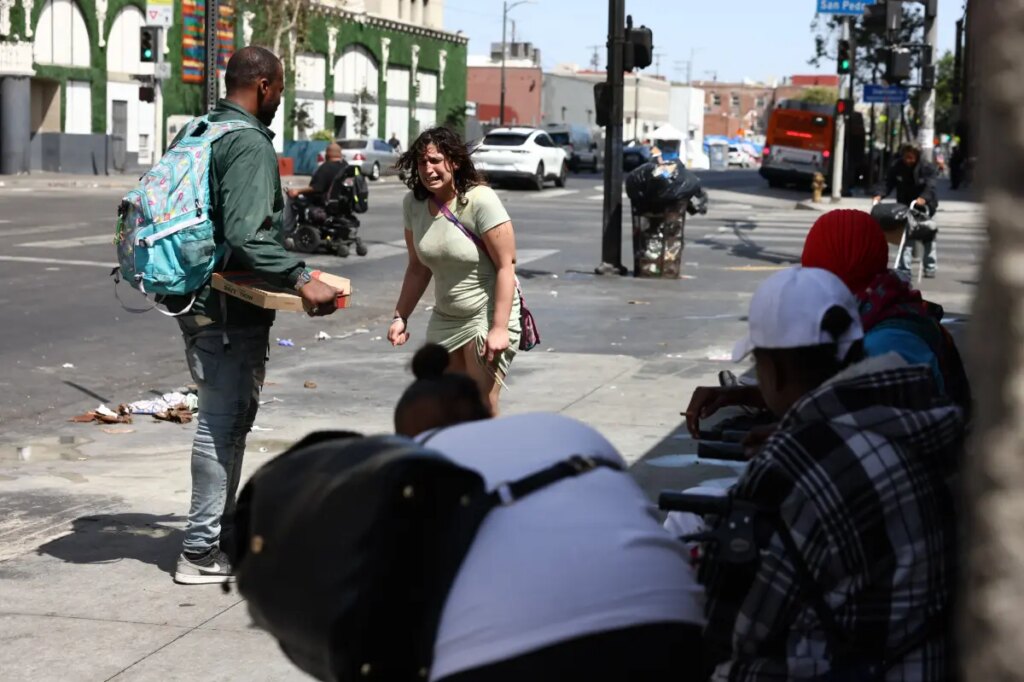
Nearly 1,200 people registered to vote at a homeless shelter on Skid Row with 132 beds.
185 people registered at a homeless drop-in center — with no beds at all.
That is likely illegal, and it is likely a key to the story of how socialist City Councilmember Nithya Raman overtook Palisades Fire victim Spencer Pratt for second place in the LA mayoral race.
Under California law, homeless people can register to vote, even though they do not have a fixed residence. They can use their last fixed address as their voting domicile; they can even specify a geographic location, as long as it is where they live, or where they intend to return.
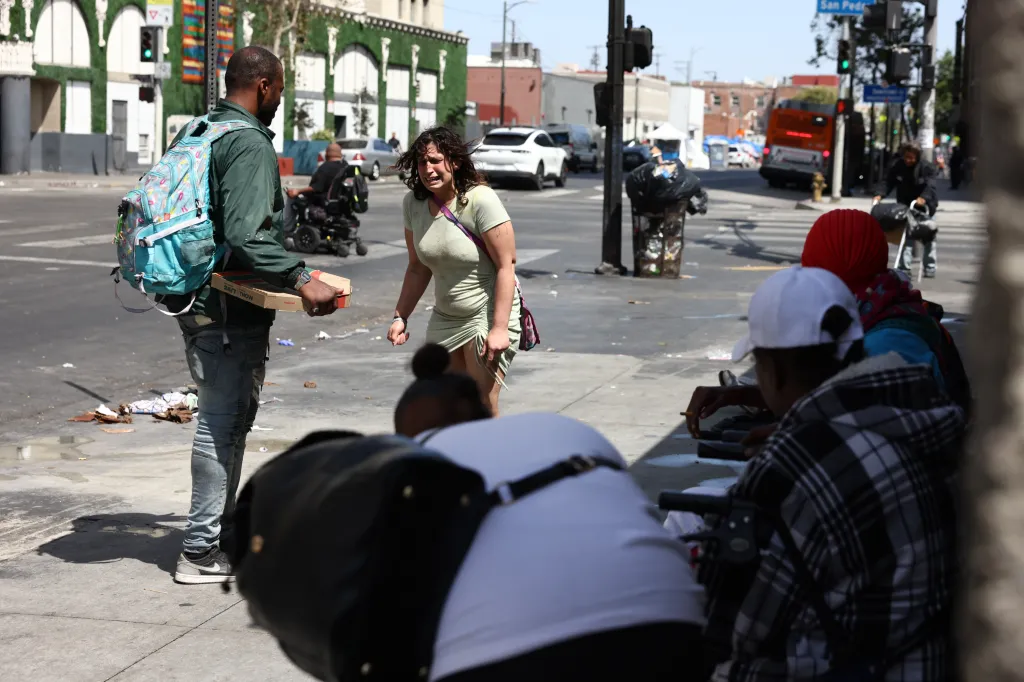
If they do not return there within a year, it is no longer their voting domicile. If they move to another location without the intent to return to the first one, they have to re-register — unless it is already within 14 days of the next election.
They can use a business address — like a homeless shelter — as their address, but only as long as they also intend to reside there.
But there is almost no way 1,200 people can claim a small shelter as a voting domicile. Or that 185 can claim to reside at a center without beds.
Theoretically, it is possible 1,200 people might use a shelter over a year.
To vote from that address, they would have to receive their ballots there. The question is who collected those ballots; whether they were filled out, and by whom; and whether they were returned.
What is not hard to imagine is how the Raman campaign might have organized a ballot harvesting operation in Skid Row.
Raman’s first job in LA after she moved to the city in 2013 was to work on homeless policy. Before running for City Council in 2020, she founded the SELAH Neighborhood Homeless Coalition. And on the City Council, she chairs the committee dealing with homeless issues.
It’s not clear Raman made any impact on the issue. But Raman certainly made connections among the groups, activists, and organizers who work closely with homeless people and shelters throughout LA. She helped fund their operations with taxpayers’ money.
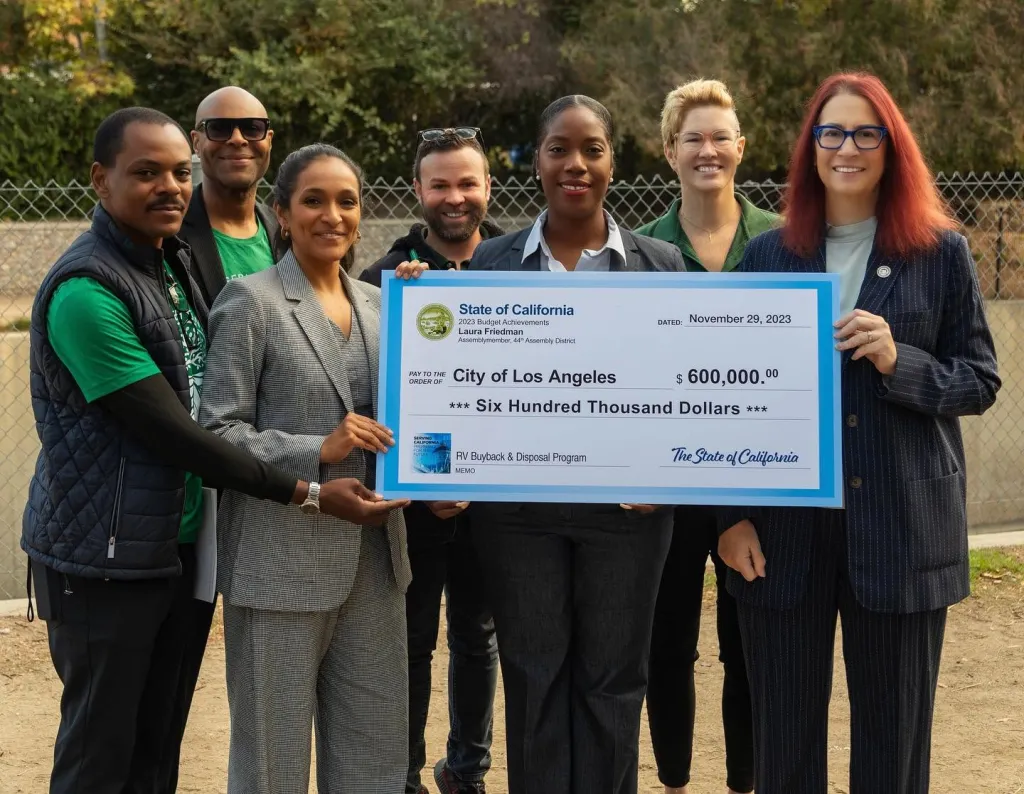
These were connections that her campaign could easily mobilize to register voters and return ballots.
Until now, the safest presumption was that whatever “ballot harvesting” happened in the election was legal. California is one of the only places in the world that allows this dubious practice, where third parties can return unlimited numbers of other people’s ballots.
Most of the world regards that as stuffing the ballot box. It’s considered fraudulent, or at least potentially so.
But it’s legal in California, and after being blindsided by Democrats who used ballot harvesting in 2018, the first year it was legal, Republicans had adopted it as well by 2020.
Yet what The California Post has learned about what happened on Skid Row during the primary suggests that ballot harvesting there could have crossed the legal line.
At the very least, there should be a federal investigation into what happened.
California Gov. Gavin Newsom tried to make that more difficult when he signed SB 73 just days before the election, barring federal law enforcement from receiving information about voting in the state. The law is likely unconstitutional — like much of what Newsom signs — but it made everything look even more suspicious.
This is not what a free and fair election looks like. It is what sham elections look like in socialist dictatorships, which is perhaps no coincidence.
It cries out for investigation, perhaps prosecution, and remedy.
Joel Pollak is Opinion editor of the California Post.
The post The Skid Row vote cries out for investigation appeared first on New York Post.