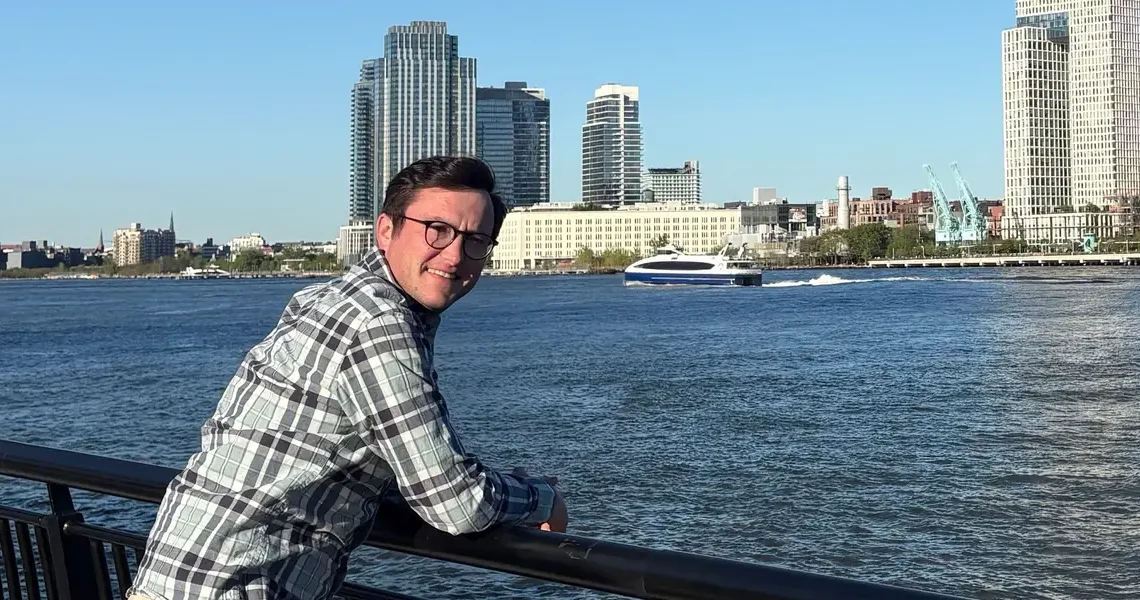
The first time I set foot in Brooklyn was in 2019 to look at an apartment.
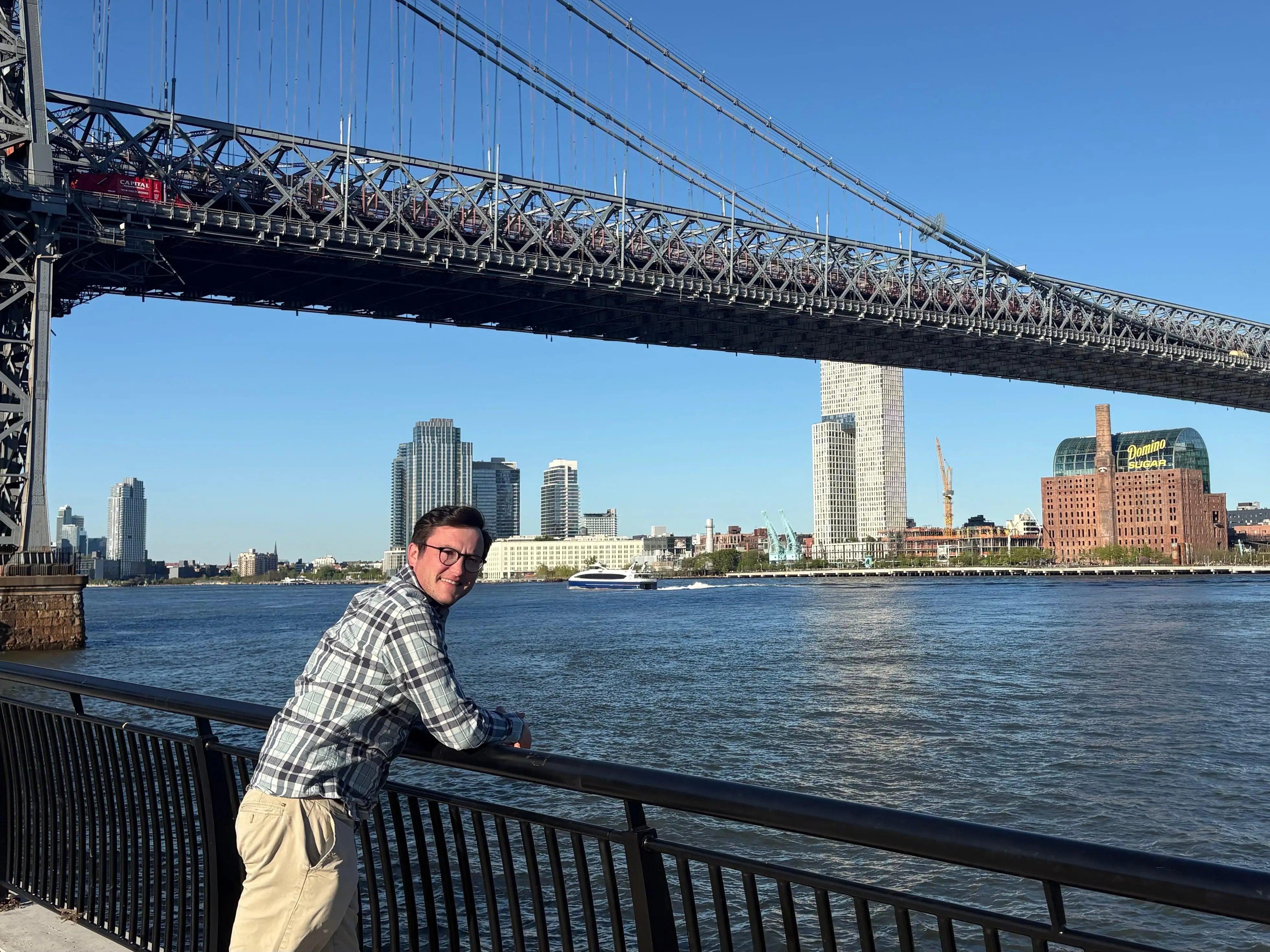
I vividly remember the slow chug of the M Train over the Williamsburg Bridge — watching the Lower East Side shrink behind me, and the contour of the Kings County skyline approaching across the East River.
I was 23. I felt like I’d arrived and my future was limitless. I moved to that apartment. Shoebox would have been a generous description for my $900 a month room with Craigslist roommates.
For the next seven years, I bounced between North Brooklyn dwellings, my rent rising faster than inflation. By May 2023, I was paying $1,900 a month to live with two roommates in a basement that had a tendency to flood.
Maybe it was a third-life crisis, maybe it was the natural progression of the American millennial, but sometimes I felt like I just needed to touch grass. So I did what many people before me had done: I moved to the country.
My grandmother had died about six months prior, and her home on the Connecticut/Rhode Island border was about to sit empty for the summer.
This situation, my disdain for my job at the time, and the impending end of my lease seemed to be a cosmic sign that I was meant to go coastal.
I applied to a few seasonal restaurant jobs online and quickly secured employment. I sold my bed frame, desk, and dresser, loaded my late grandmother’s Jeep with what remained, and put New York in the rearview.
I’d officially become one of those people who used to live in the city.
For a while, I felt like I was thriving in the pink cloud of the Connecticut coast
Economic benefits aside, I took to country life at first. Waking to the sounds of chirping birds instead of honking horns was refreshing.
My commute was now filled with the smell of freshly cut grass instead of literal garbage, and I was beholden to tourist traffic and streetlights instead of the L-train delays.
I no longer needed to go to a public park to look at trees, and I could enjoy the weather from a golf course or waterfront. Of course, I could’ve played golf or seen the sea in Brooklyn, but the courses would probably have been more crowded and the water less picturesque.
My restaurant wages were lower than what I’d made at my corporate job in New York, but I no longer spent nearly half my income on rent.
I was spending less on food, too. I always enjoyed cooking, but the ease and temptation of world-class cuisine often meant I was eating out in New York.
There weren’t as many restaurants on the coast, and I frequently found myself in the kitchen, cooking local seafood and fresh vegetables from farmstands.
I even cooked fish I’d caught, which I suppose is also possible in New York (but only recently deemed safe).
After reckoning with the limits of my lifestyle, I realized I wanted to be back in New York
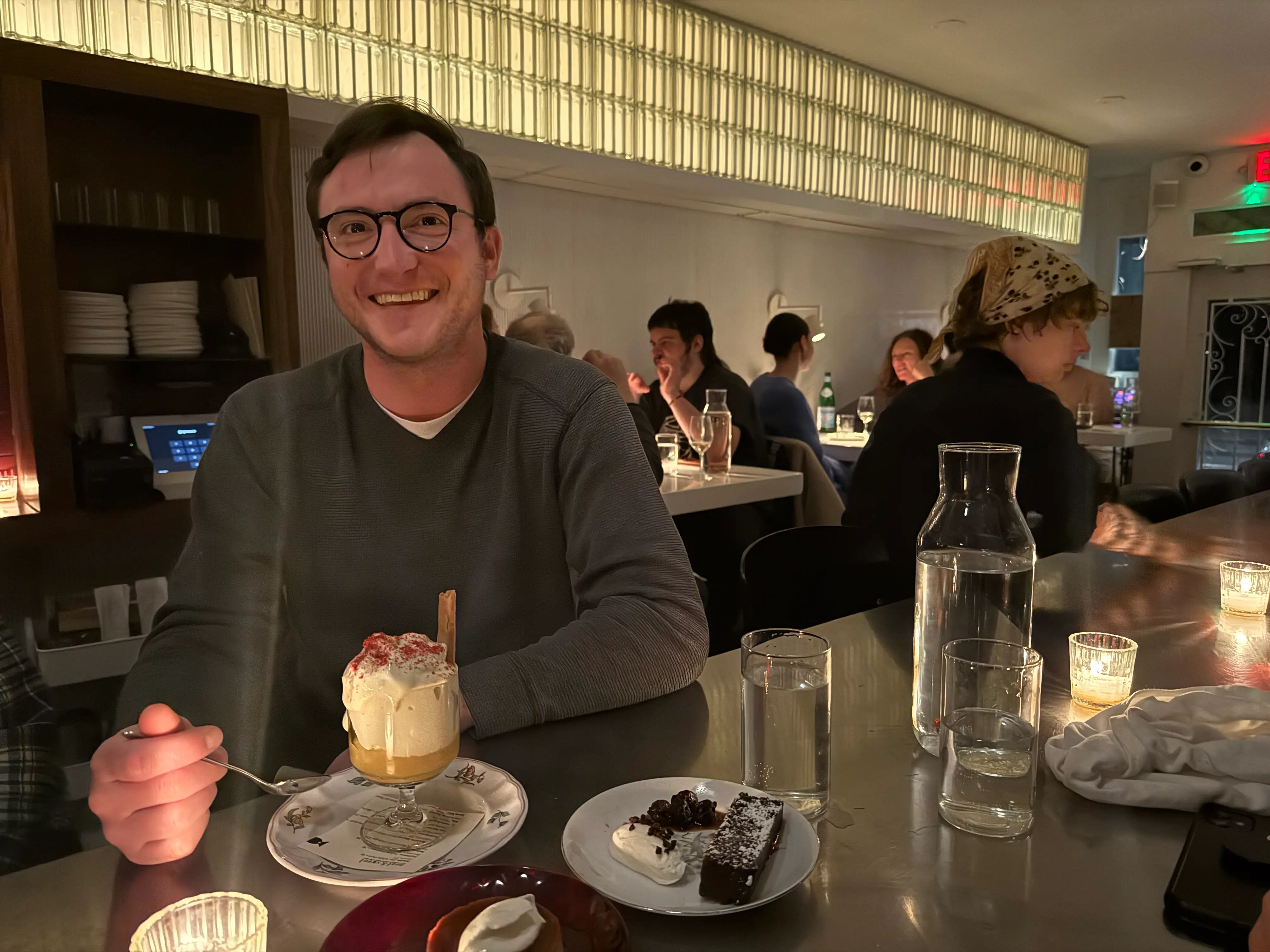
Although the culture shock was mostly positive for a while, there were signs that my new reality conflicted with my conditioning.
One night, I left work famished around 8 p.m. I looked up restaurants in the area and noticed most of the kitchens had either closed or would do so by the time I could drive there.
In a moment of desperation, I pulled into a Burger King, only to find that closed too. In Brooklyn, people would just now be heading to dinner — if I hurried, I might be able to catch them.
This was the first realization that I missed city life. Not long after, I found myself growing impatient with the line at a coffee shop, lamenting the price of gas, and the quality of the local bacon, egg, and cheese.
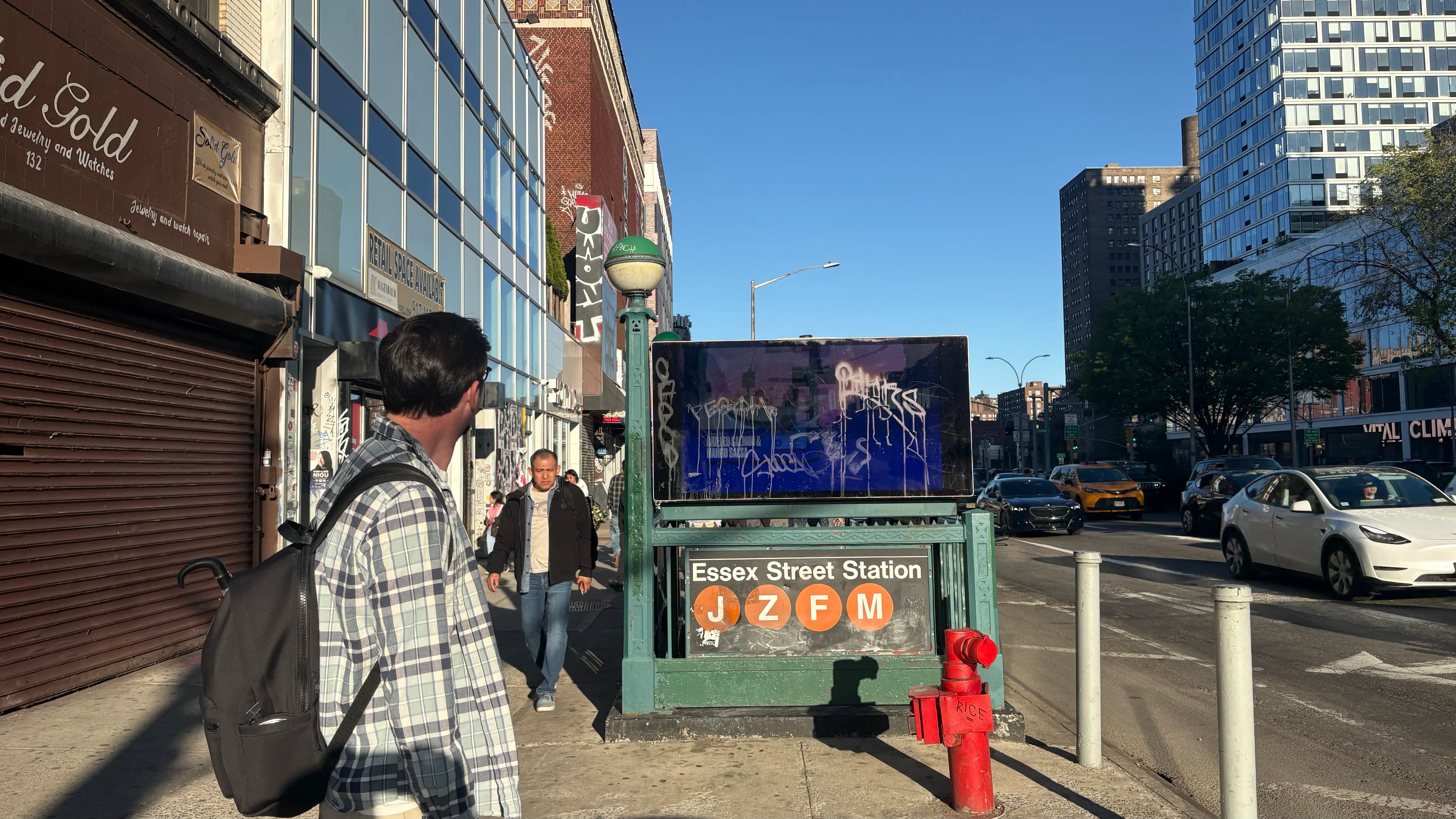
I visited New York a few times over that year. Leaving got harder each time. People on the coast often asked how “dangerous” city life was, but in reality, I often felt safer on the subway platform at midnight than I did driving on Connecticut’s pitch-black backroads.
I knew my new life had become unsustainable when I took the Amtrak down to the city on a hot August weekend. I exited Penn Station to the stickiness of Midtown and was greeted with thick air and a cacophony of horns.
I acknowledged the objective unpleasantness, and yet I felt at ease.
Maybe it was part nostalgia, but if I missed the disgusting chaos of arguably one of the worst places in Manhattan, then maybe this was where I was meant to be.
Shortly after that, I started applying to jobs back in New York and scrolling various apartment sites.
This time, I feel like I’ve returned home for good
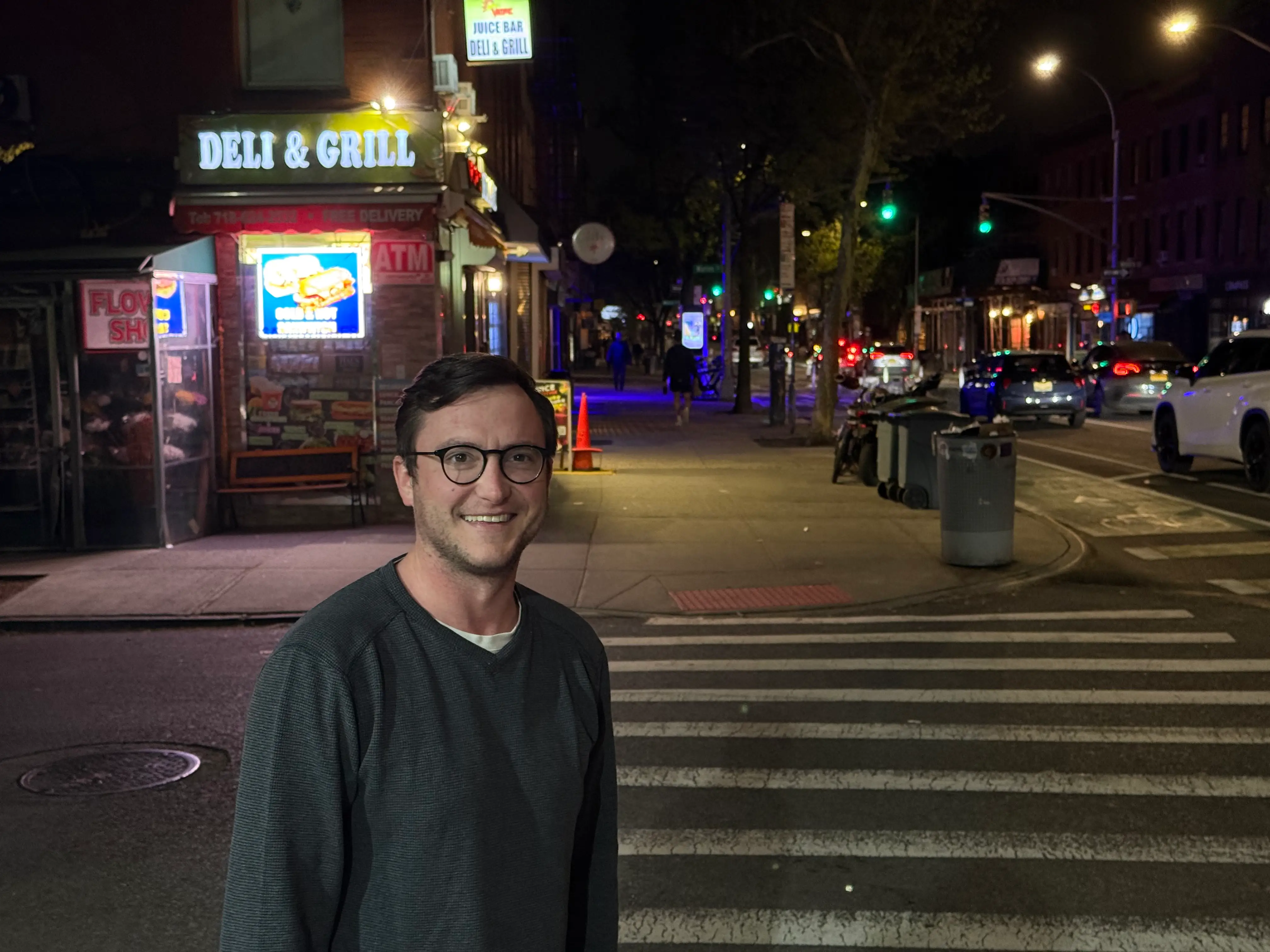
By November, I had two restaurant jobs lined up and met someone on Reddit renting a cheap room a few blocks from one of my old apartments. I was going home.
I’ve been back in Brooklyn now for about as long as I was away, a little over a year. The first few months, I worked almost every day just to cover rent, and felt a rude awakening every time I looked at my credit-card bill or bank account.
I’m down to one job now, and while the financial pains are still real, at least I know where to get a cheap meal at midnight.
Sometimes I get a yearning for grass and fresh air. At the end of each month, I certainly yearn for cheaper living quarters, but not when I take the M train.
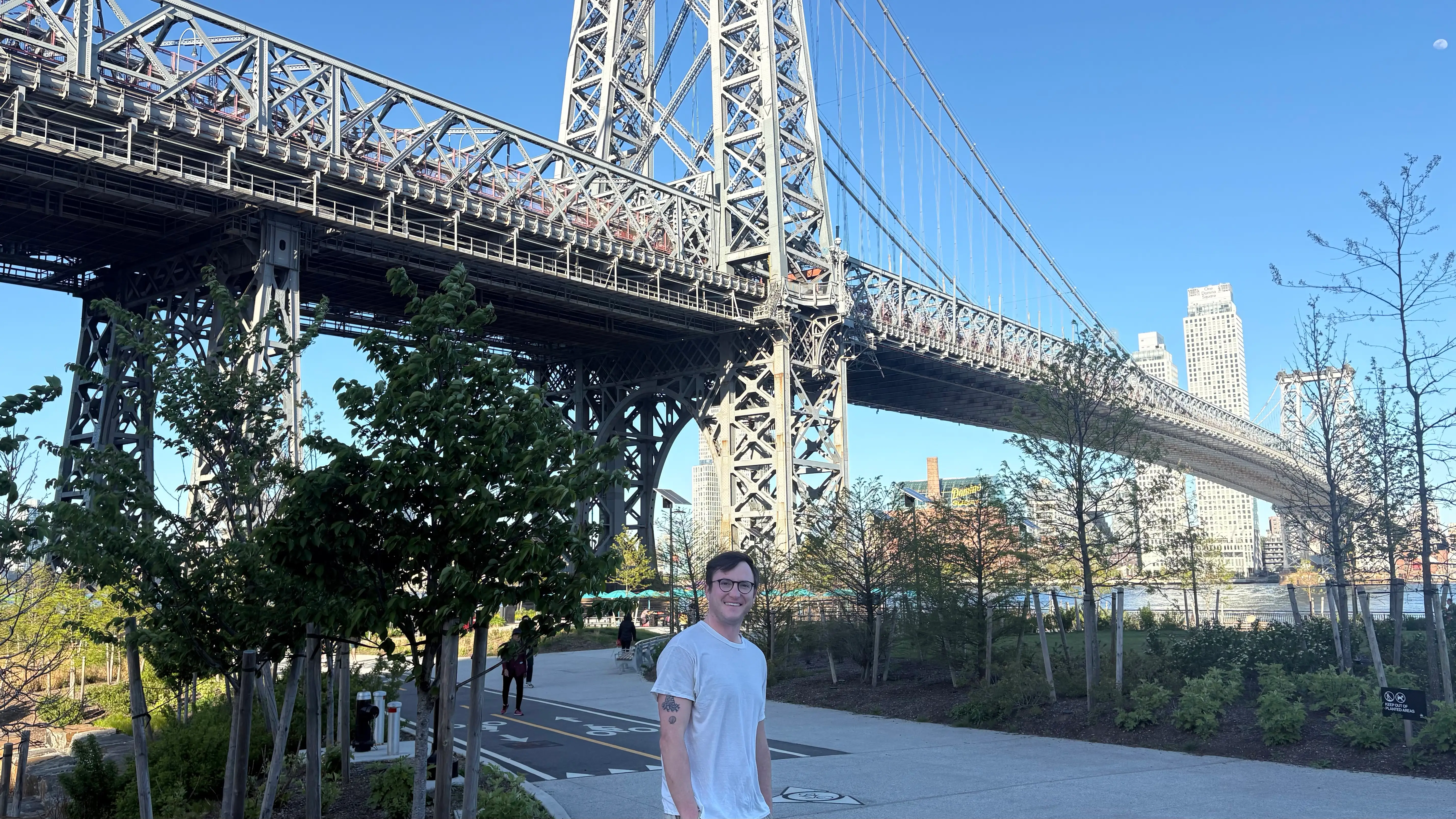
Even now, at 32 years old with a jaded lived reality and mounting bills, when I chug over the Williamsburg Bridge, I feel 23. I see the city lights on every side of me, and I’m filled with this childlike wonder and optimism.
I feel like I’m home, where anything is possible.
Read the original article on Business Insider
The post I left NYC for the Connecticut coast. After less than 2 years away, I moved back to the city for good. appeared first on Business Insider.