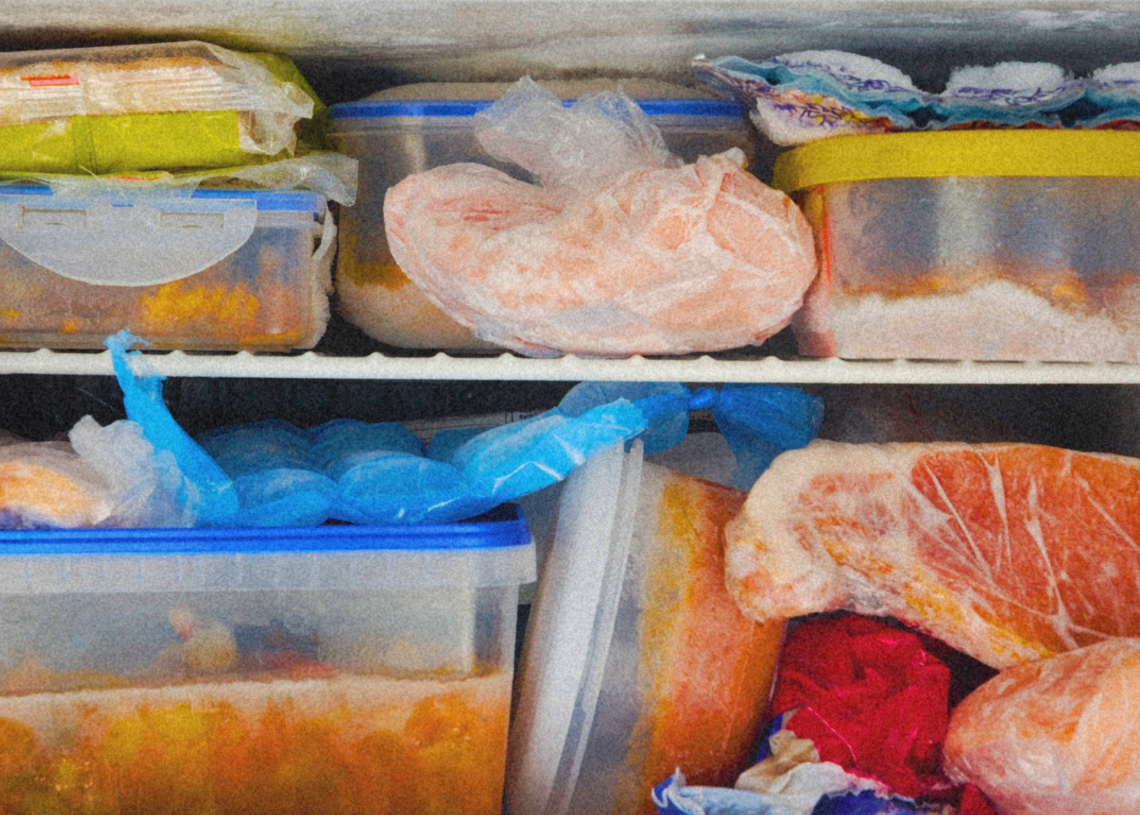
Most people have stood in front of the fridge holding something questionable, doing a quick mental cost-benefit analysis between food poisoning and not wanting to waste $4 worth of leftovers. Science has some guidance to help you with that.
Researchers writing in The Conversation have laid out a practical framework for figuring out what’s salvageable and what needs to go. The short version is that not everything sad-looking in your kitchen is actually dangerous—but some of it absolutely is, and there are four specific signs that mean you should stop deliberating and just throw it out.
The 4 signs food has gone bad:
- Visible mold
- Slime
- Leaking liquid
- Strong or sour smells
Any one of those is a hard stop. Food sporting those characteristics can cause food poisoning, and no amount of creative cooking fixes that. Everything else—wrinkles, browning, dryness, general sadness—is usually just age, not danger, and there’s often something useful you can do with it.
Fruits
Brown bananas are fine. Black bananas are fine. Throw them in banana bread, pancakes, or a smoothie and move on. Just keep them away from your fresh fruit since older bananas release ethylene gas, which speeds up ripening in everything nearby. Wrinkly apples are good for baking or stewing. Dried-out citrus skin can still be zested. Mold on larger firm fruits can usually be cut off with a generous margin; mold on soft or small fruit like berries means the whole container goes.
Vegetables
Floppy, shriveled vegetables have lost moisture but aren’t spoiled. Roast them, mash them, drop them in a soup. Wilted leafy greens can usually be revived with a 30-minute cold water soak. Firm vegetables like carrots and potatoes can have damaged spots cut away, though green or sprouting potatoes not so much—those contain natural toxins that aren’t great in large quantities. The white fuzz on mushrooms is usually mycelium, part of the root system, not mold. Actual mushroom mold shows up in bright clusters of blue, green, gray, or yellow.
Grains
Moldy bread goes in the trash, always—mold travels fast through porous foods. Stale but mold-free bread can be toasted, turned into croutons, or blitzed into breadcrumbs. Leftover rice and pasta are fine for a couple of days, but they need to be stored promptly and reheated fully. Anything left sitting out for two hours or more gets tossed, because reheating doesn’t eliminate the bacteria that accumulate at room temperature.
Dairy
Milk and yogurt go straight from fridge to mouth without any cooking step to kill off anything unwanted, so if they’re past the use-by date, they go. Soft cheeses with any mold get thrown out entirely since mold roots can run deep. Hard cheeses like parmesan are more forgiving—cut off the moldy section with room to spare, and the rest is generally fine.
The post 4 Signs Your Leftovers Should Be Thrown in the Trash Immediately, According to Science appeared first on VICE.