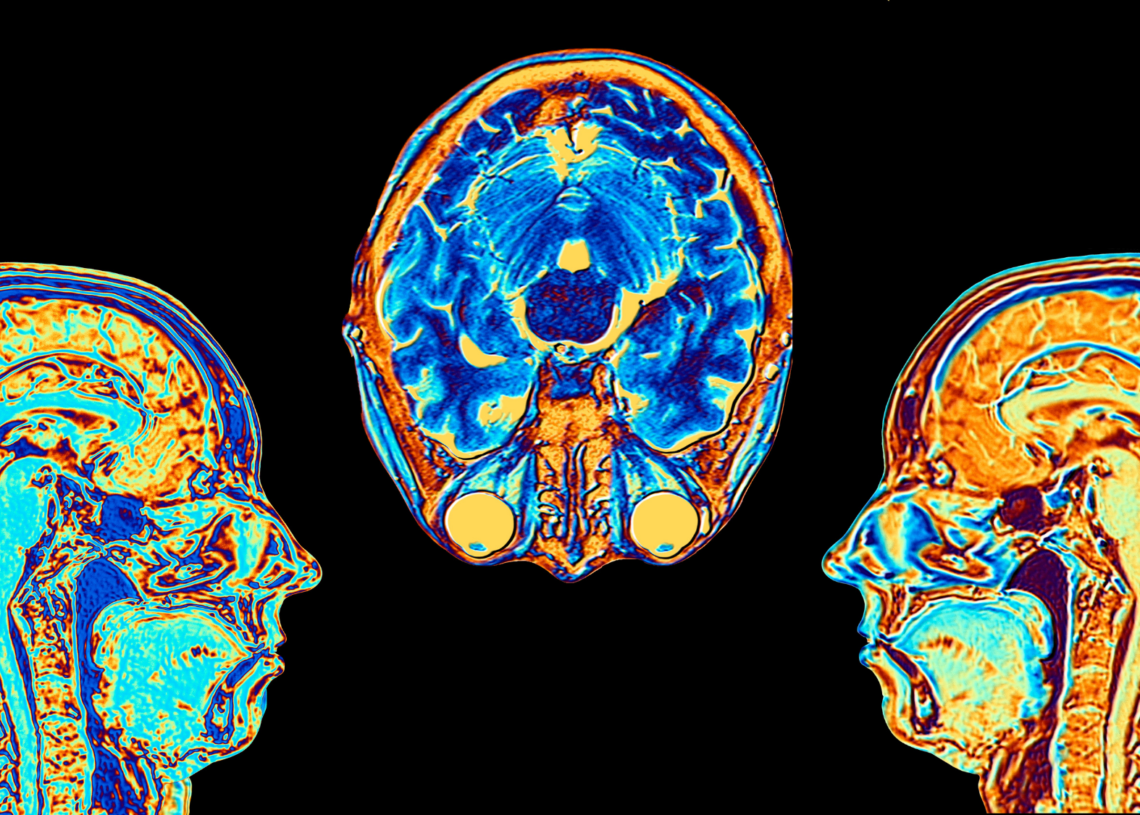
If you ever dreamed of having your brain hooked up to a collection of tubes, pumps, and laboratory gadgets within hours of your death, you’re in luck. According to research published in Science, a biotech startup called Bexorg is doing exactly that as part of its effort to develop better treatments for neurodegenerative diseases like Alzheimer’s, Parkinson’s, and ALS.
The company’s BrainEx platform takes donated human brains shortly after death and connects them to a life-support system that circulates oxygen and nutrients through the brain. The brains show no signs of consciousness and are kept under anesthesia to suppress electrical activity, but a lot of their basic cellular and metabolic functions are still going on, and all for roughly 24 hours, giving the researchers just enough time to observe how experimental drugs affect the brain. After those 24 hours, the brains were dissected and analyzed.
Are the Brains Aware of the Experiments Being Done on Them?
It sounds like something from a cyberpunk dystopia, but it’s happening now. It raises tons of ethical questions, like whether the brains were conscious enough to know what’s happening to them. Bexorg says no, that while there is some activity, the full suite of activity needed to be aware of what’s happening just isn’t there. Of course, the logical counterpoint is: how can you be sure?
Bexorg has studied more than 700 brains while working closely with ethicists to ensure that the brains cannot regain consciousness.
The company says studying the effects of medication in real time on actual semi-living human brains offers way more benefit than studying animal brains or human brains in a simulated computer environment.
The organs were donated and come with all of the complexities and nuances of living brains, allowing the researchers to study the effects of genetics, environmental exposure, a lifetime of medications taken, and the progression of various neurodegenerative diseases. The kind of stuff that you just can’t get out of any other simulation. The researchers say all of this allows them to get a way more accurate idea of whether a treatment is likely to work.
Pharmaceutical companies are already lining up to test out their meds, with one company, Biohaven, already using 130 of Bexorg’s brains to evaluate the efficacy of some of its experimental therapies.
The post Why This Biotech Company Is Keeping Bodiless Human Brains Alive in a Lab appeared first on VICE.