The war in Iran has cost US households $100 billion in three months, Moody’s Analytics says.
Now in its fourth month, the conflict has cost nearly $750 per household. The increased cost to consumers has mostly been felt in energy prices, but the inflation picture continues to deteriorate the longer the war drags on without a resolution in sight. What’s more, Moody’s says that tailwinds for household like Donald Trump’s tax cuts have been offset by war-fueled cost increased.
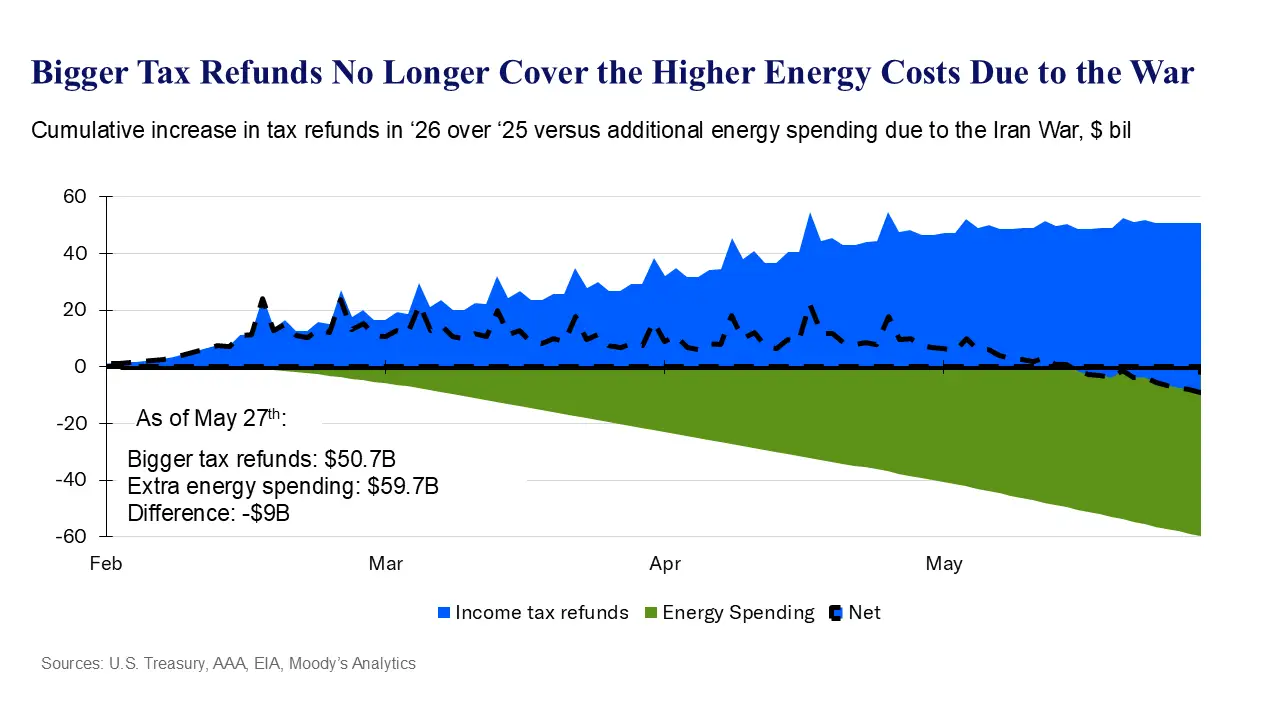
“This is a big economic blow, but deficit-financed tax cuts have cushioned it. Until now,” Mark Zandi, Moody’s top economist, said. “As of May 16th, the bigger tax refunds Americans have received this year no longer cover the higher costs of gasoline, diesel, and jet fuel caused by the war.”
Thought they’ve come down in recent weeks, and have broadly avoided many forecasters’ worst-case scenarios, oil prices have surged as flows through the Strait of Hormuz have been cut off.
(function(){function e(){window.addEventListener(`message`,function(e){if(e.data[`datawrapper-height`]!==void 0){var t=document.querySelectorAll(`iframe`);for(var n in e.data[`datawrapper-height`])for(var r=0,i;i=t[r];r++)if(i.contentWindow===e.source){var a=e.data[`datawrapper-height`][n]+`px`;i.style.height=a}}})}e()})();
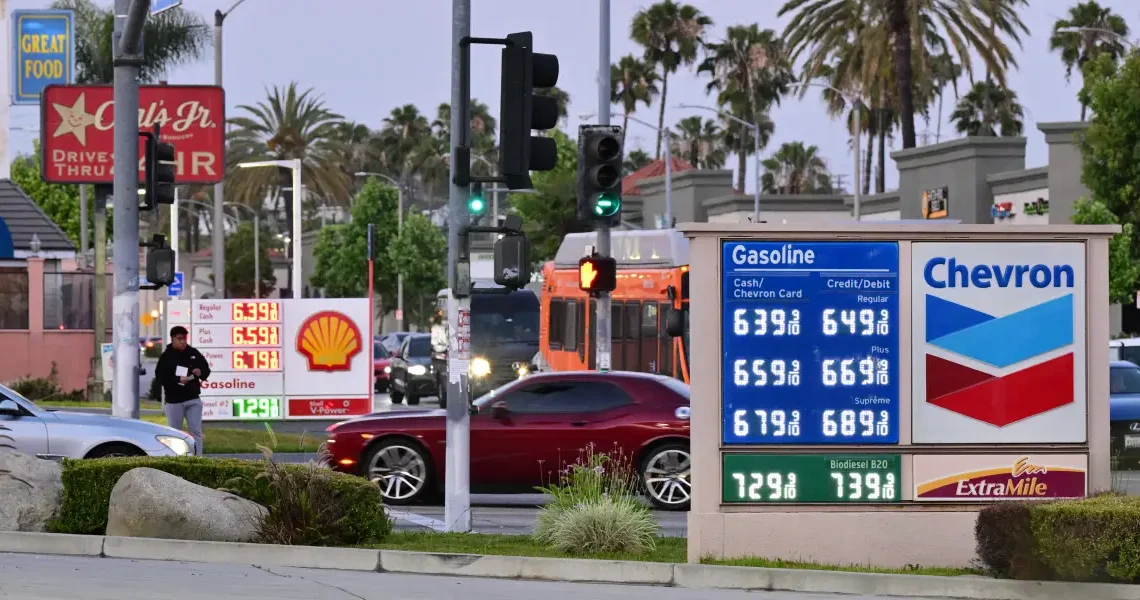
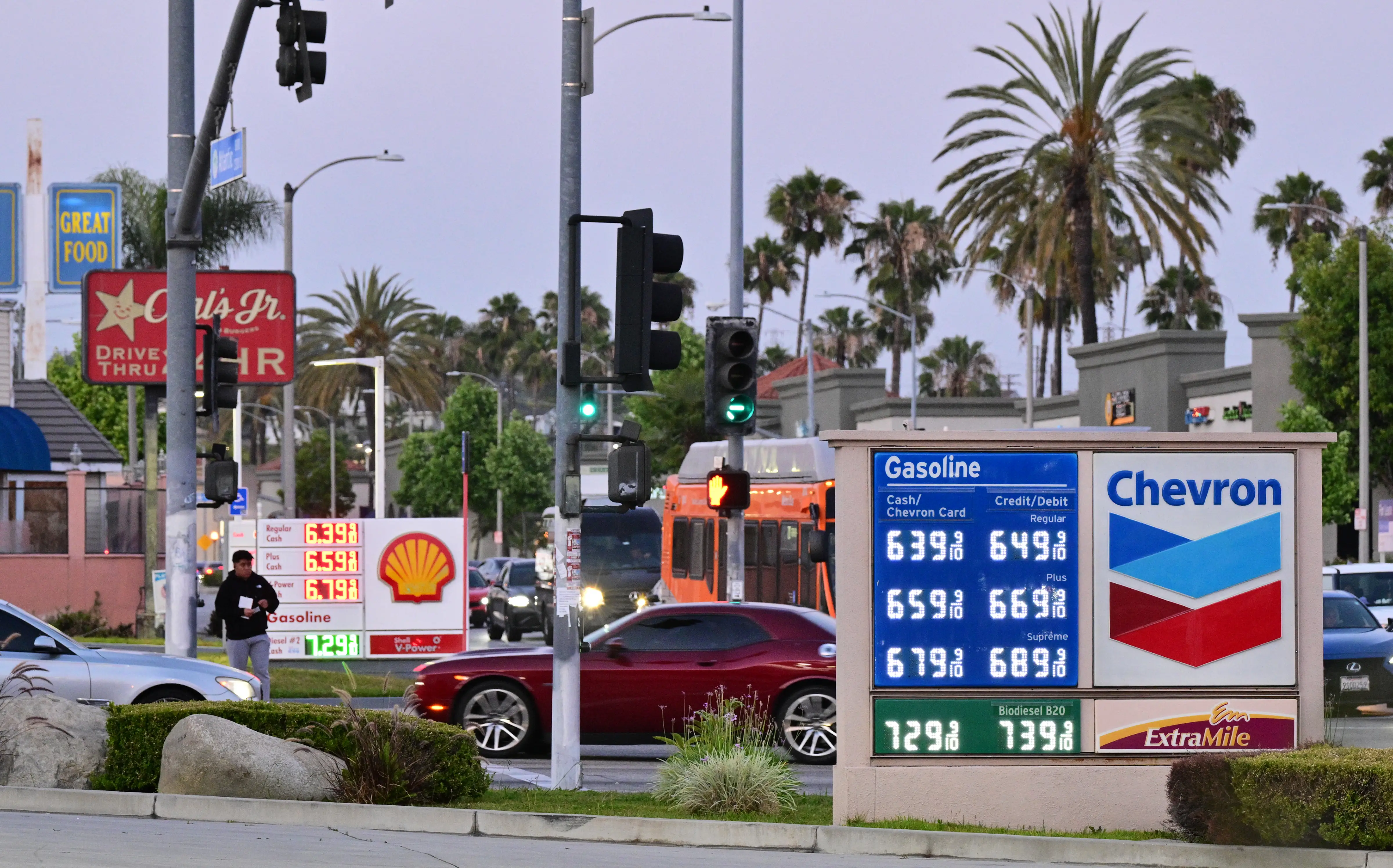
Average gas prices hit the highest level in four years heading into last month’s Memorial Day holiday. Meanwhile, high jet fuel prices are making airfare more expensive and causing some airlines to cancel flights.
Oil isn’t the only supply disruption coming from the Iran war, with helium, fertilizer, plastics, and other materials being impacted.
“The financial pressure is thus mounting quickly, particularly on already hard-pressed middle and lower-income households,” Zandi noted.
The K-shaped economy, which describes the diversion between high and low income consumers, has been a key theme in the US economy in recent years.
Zandi called out that the personal saving rate has fell to historic lows, recent data shows, suggesting consumers are saving less to keep up with inflating prices.
“With the saving rate about as low as it ever goes, unless the war ends soon and energy prices come down, they will have little choice but to rein in their spending, weighing further on the already sagging economy,”
The top economist has been warnings of a potential recession for much of this year, and sees a warnings in the disconnect between the economic reality for consumers and the stock market’s rally to record highs.
Read the original article on Business Insider
The post Here’s how much the Iran war is costing US households, according to Moody’s appeared first on Business Insider.