Sacramento Democrats have found a creative new way to raise taxes.
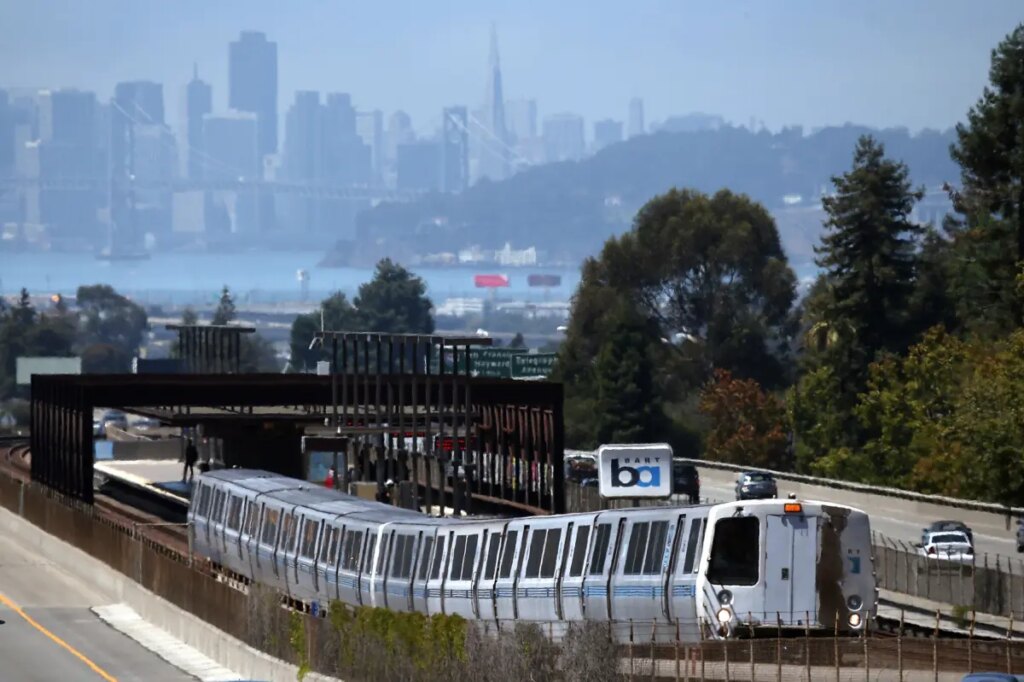
Instead of asking voters in five Bay Area counties to decide separately whether they want to rescue failing transit agencies, they created a regional taxing district that treats millions as one giant voting bloc.
Now supporters are celebrating the submission of approximately 306,000 signatures to place a sales tax on the ballot.
Do not miss the point: The signatures were not the obstacle course. They were the shortcut.
Only 186,000 valid signatures were required to qualify the measure. The proposal would raise roughly $1 billion per year for 14 years, or about $14 billion.
The new transit taxing authority could have placed the measure on the ballot itself. Had it done so, however, the tax would have required two-thirds voter approval for passage.
Instead, supporters chose the signature-gathering route, allowing them to seek voter approval with a simple majority vote. That was not just about qualifying the measure. It was about lowering the hurdle required to pass a $14 billion tax increase.
This is usually described as a BART rescue, but that understates the scope. The money would also prop up Muni, Caltrain, AC Transit, VTA, SamTrans and other Bay Area transit agencies.
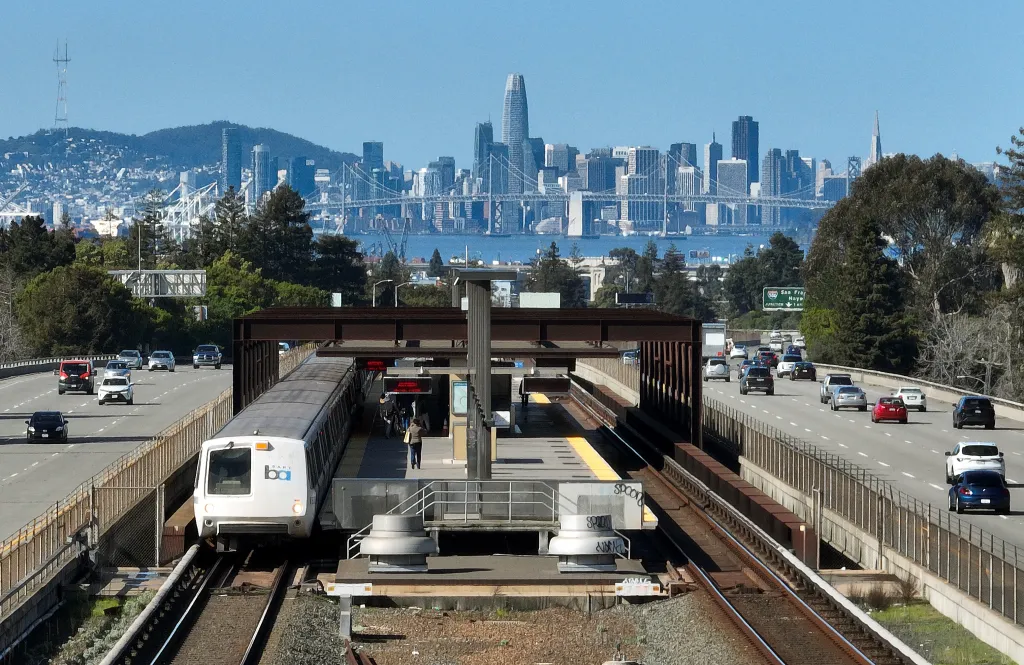
It is a five-county transit bailout, with BART as the most visible patient on the operating table.
The tax itself has not yet been approved. What Sacramento Democrats passed, and Gov. Gavin Newsom signed, was legislation creating the regional taxing structure and authorizing voters to decide whether to impose the tax.
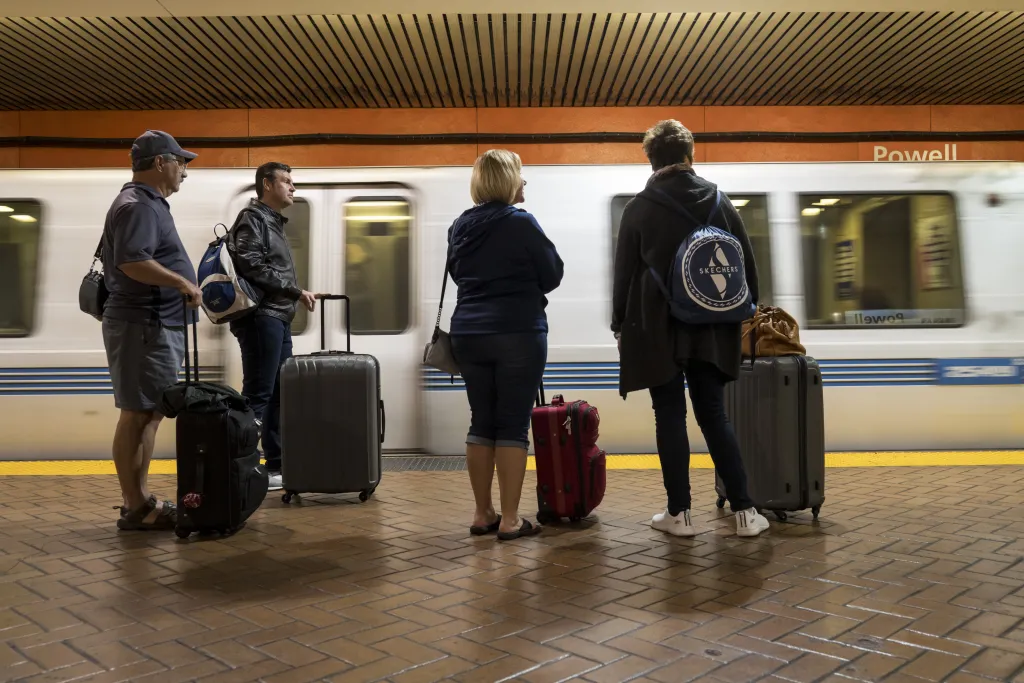
Under this arrangement, residents of five counties are pooled together. If enough voters across the region support the measure, everyone pays.
A taxpayer in San Jose could pay a tax driven by voters in San Francisco.
That may be legal. It is politically convenient.
If supporters believed every county would approve this tax, they would not need a regional super-district.
But the vote structure is only part of the story.
The question is why Bay Area transit agencies need rescuing.
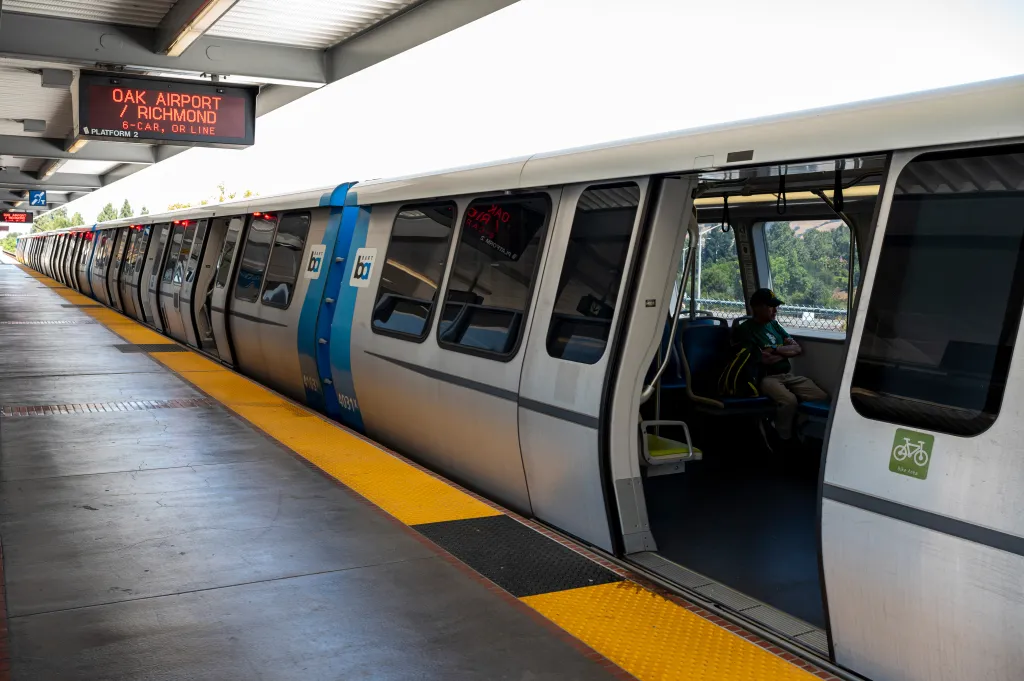
BART’s financial crisis did not arrive like an earthquake. It was built.
Before the pandemic, BART was hardly perfect, but it functioned. Riders used it. Fares flowed in. Revenue and demand remained connected.
Then commuting patterns changed. Californians began working remotely. Many never returned to daily office commutes.
A rational response would have been to redesign the system around reality. Instead, BART and much of the region’s transit bureaucracy chose a different path.
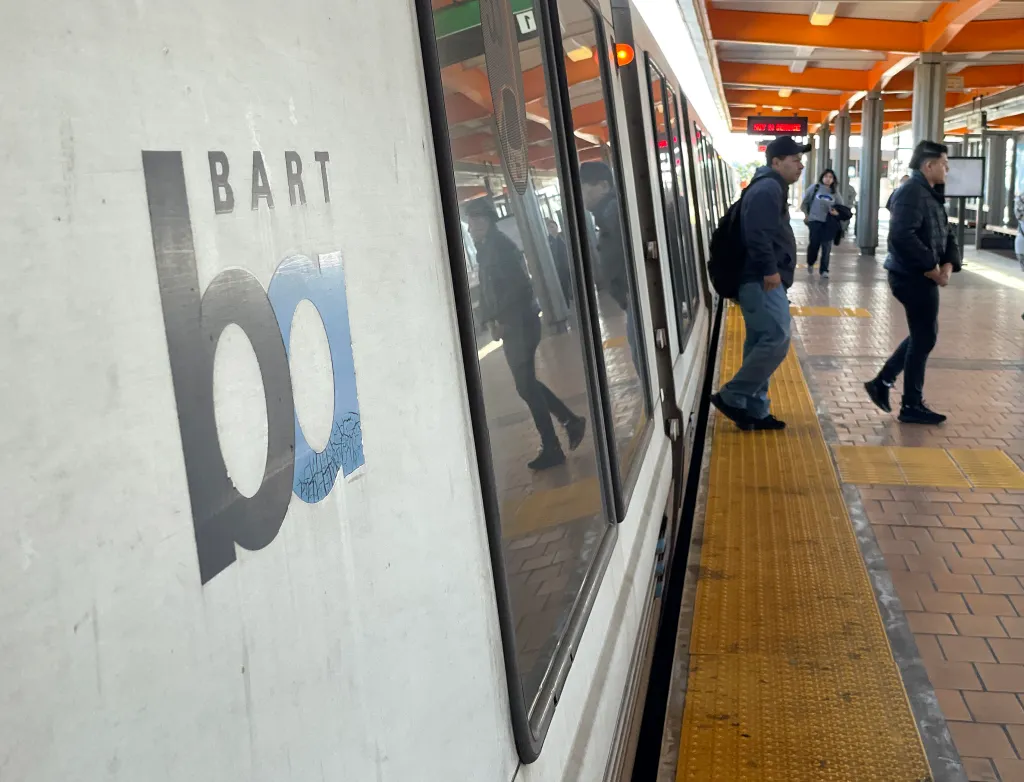
Ridership fell dramatically. Costs did not.
BART says its FY27 deficit is $376 million. Fare revenue once covered nearly 70% of operating expenses. In FY24, it covered just 22%. Emergency funds run out in 2026.
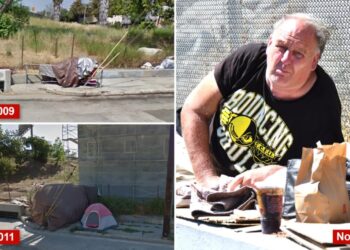
Remote work triggered the fiscal crisis, but crime, disorder and homelessness have made recovery far harder. BART’s own surveys found 78% of riders would ride more if the system were cleaner and safer — which is why the agency has spent years on fare gates, police visibility and homelessness interventions, apparently to little effect.
That is the real story.
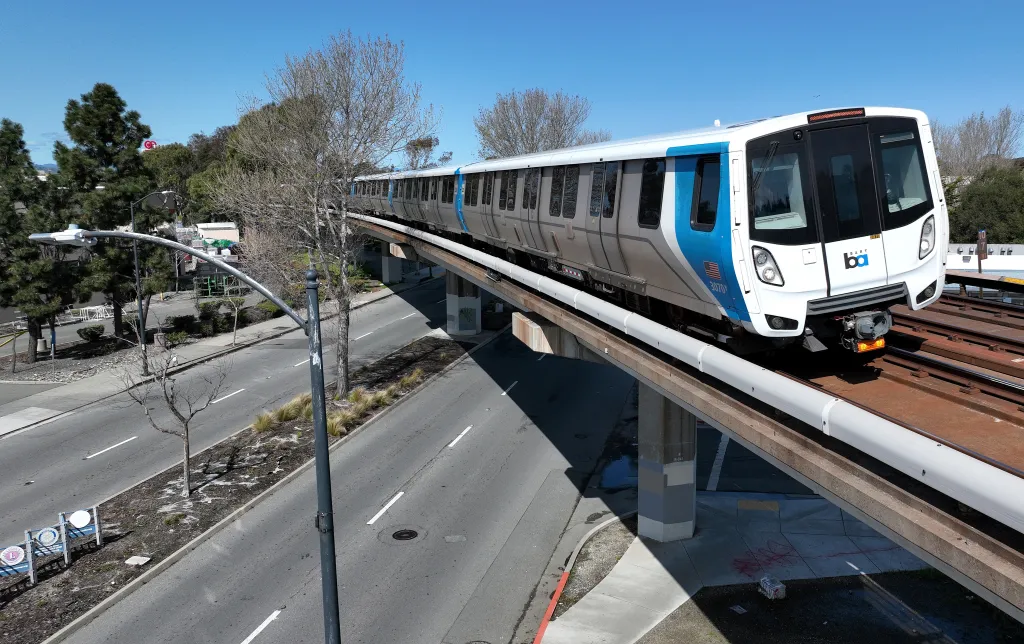
A transit system lost riders, watched fare revenue collapse, kept spending and now wants taxpayers to rescue it.
That is not reform. That is dependency.
And the proposed solution is a sales tax.
Politicians love sales taxes because everyone pays them. The burden is spread so broadly that accountability becomes almost invisible. Nobody receives a bill. The money disappears a few pennies at a time.
The billionaire buying a luxury watch pays the tax. So does the single mother buying school supplies. So does the retiree purchasing necessities.
That is why sales taxes are among the most regressive taxes government can impose.
Meanwhile, Bay Area residents already face some of America’s highest sales taxes. Apparently government’s answer to every failure is the same: raise them again.
There is a deeper lesson here.
For years, Bay Area politics has been governed by an alliance between environmental activists and government employee unions. One side wants fewer cars. The other wants larger payrolls. Both support expanding transit spending.
Eventually, the math catches up.
A transit system cannot function indefinitely as both a climate policy symbol and a protected jobs program. That is where BART and the Bay Area transit bureaucracy find themselves.
Supporters warn that rejection could lead to service cuts, station closures and a transit death spiral. Perhaps. But fear is not a reform strategy.
Before taxpayers hand over $14 billion, they deserve answers. What workforce reforms will occur? What efficiencies will be implemented? What spending reductions are planned? What changes will make Bay Area transit sustainable in a world where remote work is permanent?
The answer appears simple:
Pay first.
Ask questions later.
Transit matters. Mobility matters. Public transportation plays an important role in the Bay Area economy. None of that requires taxpayers to write a blank check.
If transit leaders want taxpayer support, they should first show a willingness to reform the system. Not promises. Not warnings. Not doomsday scenarios.
Actual reform.
Jon Fleischman, a longtime strategist in California politics, writes at SoDoesItMatter.com.
The post Dems want to tax Bay Area residents for BART, whether they ride or not appeared first on New York Post.