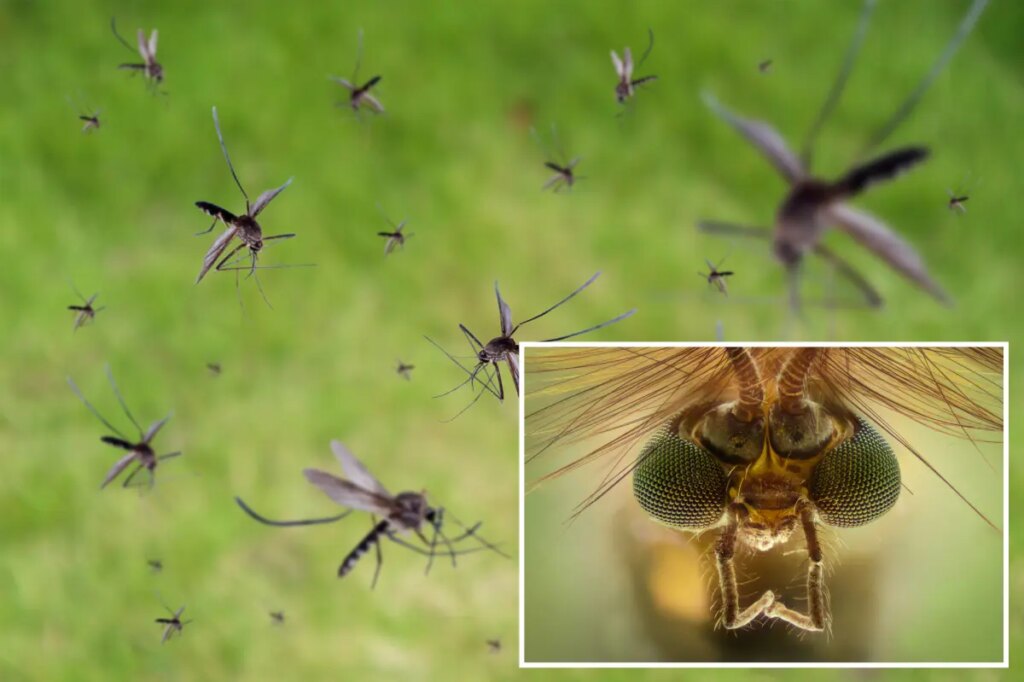
California could soon become a testing ground for one of Google’s most ambitious public health projects yet.
The tech giant is seeking federal approval to release up to 32 million specially treated mosquitoes in California and Florida over the next two years as part of an effort to reduce the spread of mosquito-borne diseases, including West Nile virus, St. Louis encephalitis, dengue, Zika, chikungunya and yellow fever.
The proposal is currently under review by the US Environmental Protection Agency, which is accepting public comments through June 5 before deciding whether to issue an experimental use permit.
Regulators have not announced where any mosquito releases would occur if the plan is approved.
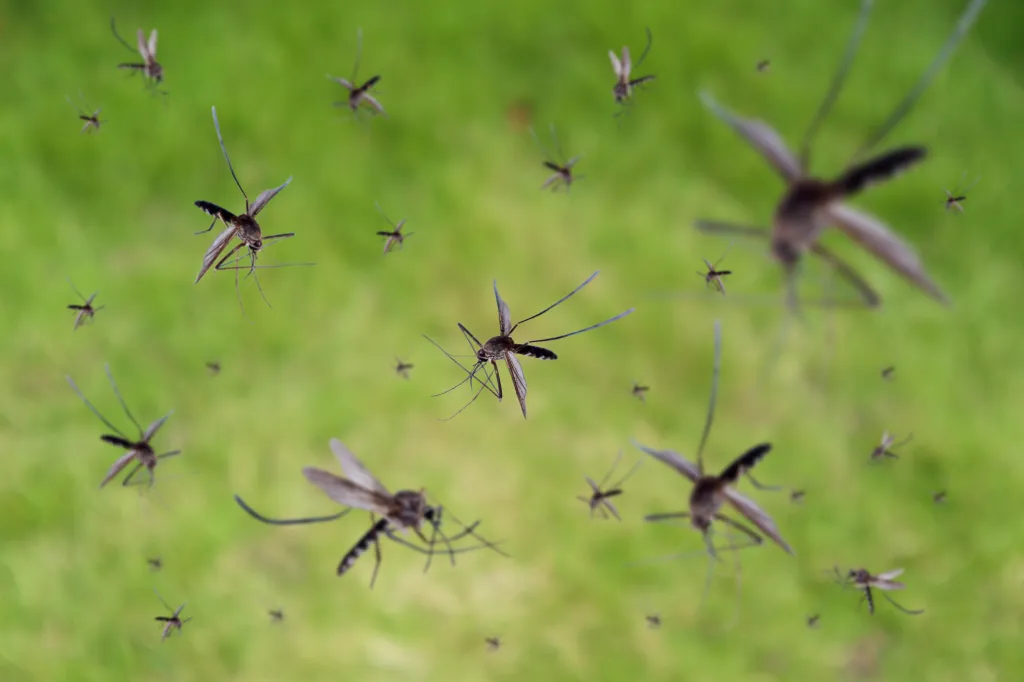
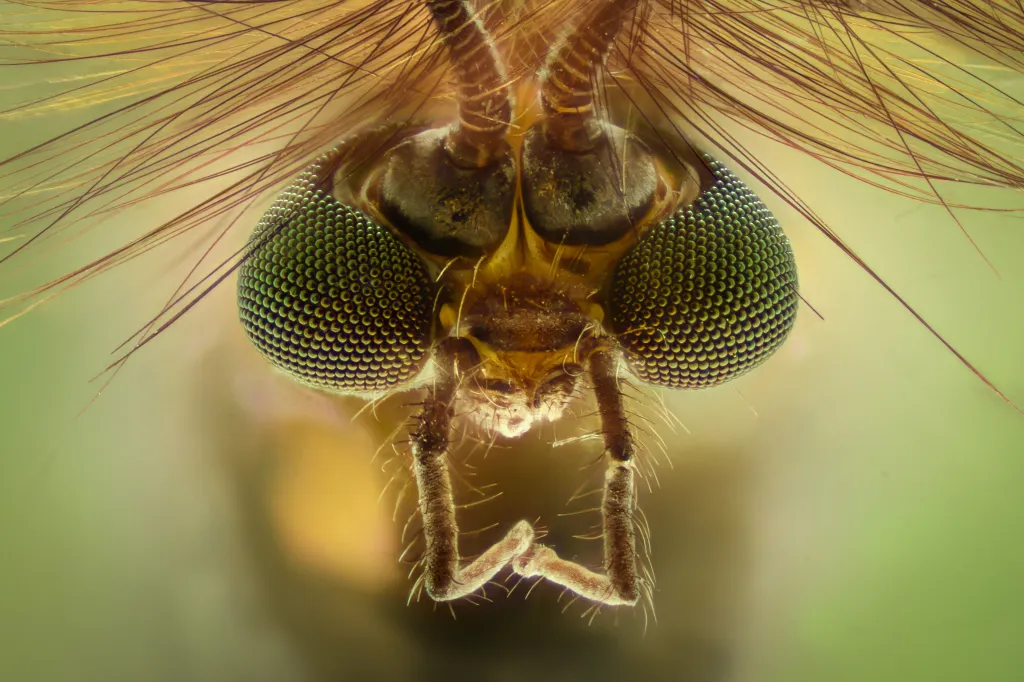
Researchers say the latest proposal targets Culex mosquitoes, a species known for transmitting West Nile virus and St. Louis encephalitis.
According to the Centers for Disease Control and Prevention, West Nile virus remains the leading mosquito-borne disease in the US.
Those viruses are already established in California, where they circulate naturally among local bird and mosquito populations.
On Friday, a positive sample of West Nile virus was confirmed in Riverside County.
The project is part of Google’s little-known Debug initiative, launched more than a decade ago to develop new technologies aimed at reducing populations of disease-carrying mosquitoes.
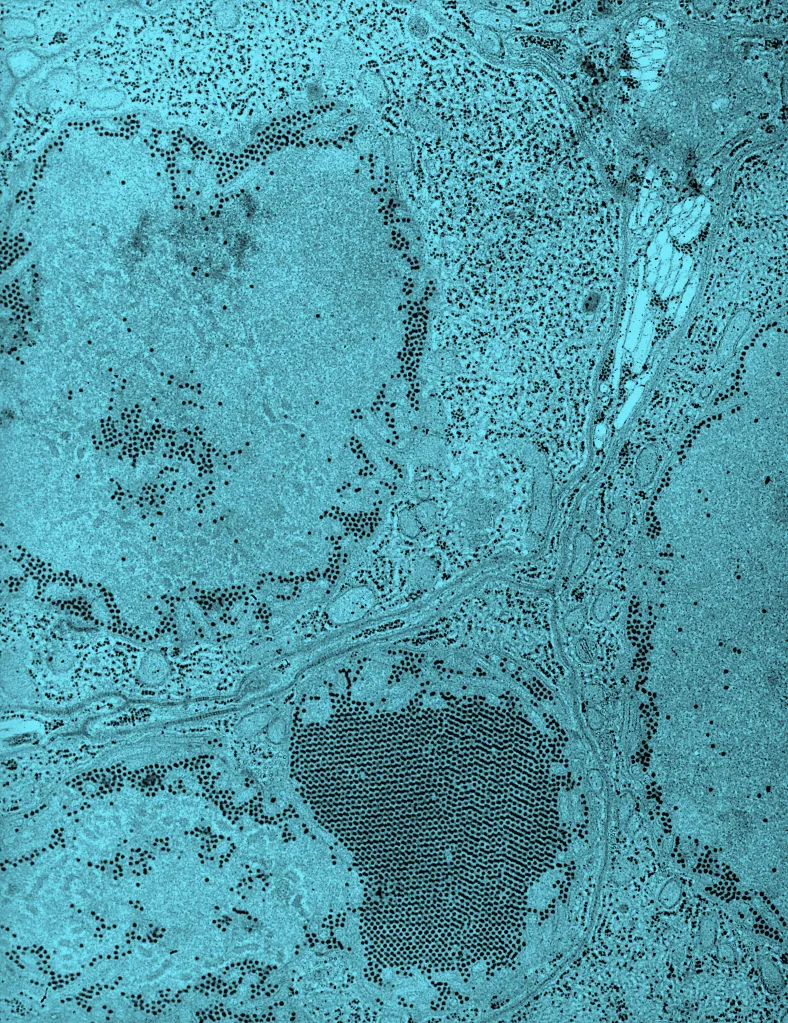
Rather than releasing biting insects, the company plans to release male mosquitoes infected with Wolbachia, a naturally occurring bacteria. When the infected males mate with wild female mosquitoes, the offspring do not survive, helping suppress mosquito populations over time.
Because only female mosquitoes bite humans, experts say the releases would not increase the number of biting mosquitoes.
Download The California Post App, follow us on social, and subscribe to our newsletters
California Post News: Facebook, Instagram, TikTok, X, YouTube, WhatsApp, LinkedIn California Post Sports Facebook, Instagram, TikTok, YouTube, X California Post Opinion California Post Newsletters: Sign up here! California Post App: Download here! Home delivery: Sign up here!Page Six Hollywood: Sign up here!
“It’s a great concept, and we’re putting it to real use to see if it works,” Chad Huff told KVUE, public information officer for the Florida Keys Mosquito Control District.
Huff said mosquito control agencies have been exploring alternatives to traditional pesticide-based methods for years.
Brent Nye, a Florida resident, was less convinced
“I think it’s interesting,” he told 10 Tampa Bay News. “I’m not sure whether I would want them in my backyard because there are going to be a lot of things that go wrong. I’d rather have some other state to experiment on.” Google says artificial intelligence and robotic systems would be used to breed, sort and release the mosquitoes at a scale large enough to make the strategy effective.
The post Google planning to release millions of mosquitoes into California to help stop diseases appeared first on New York Post.