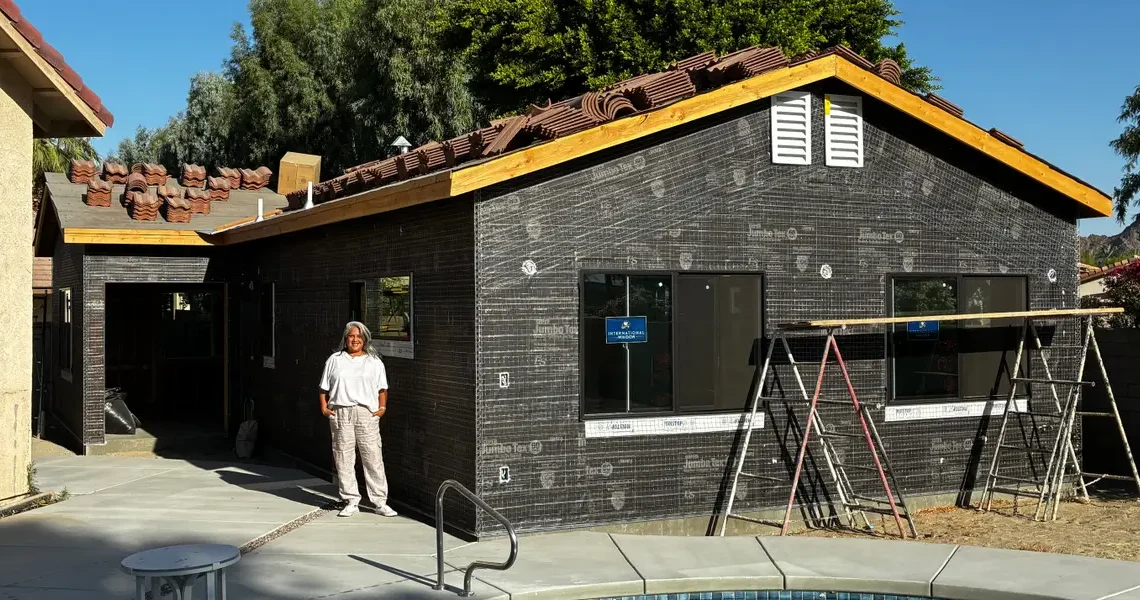
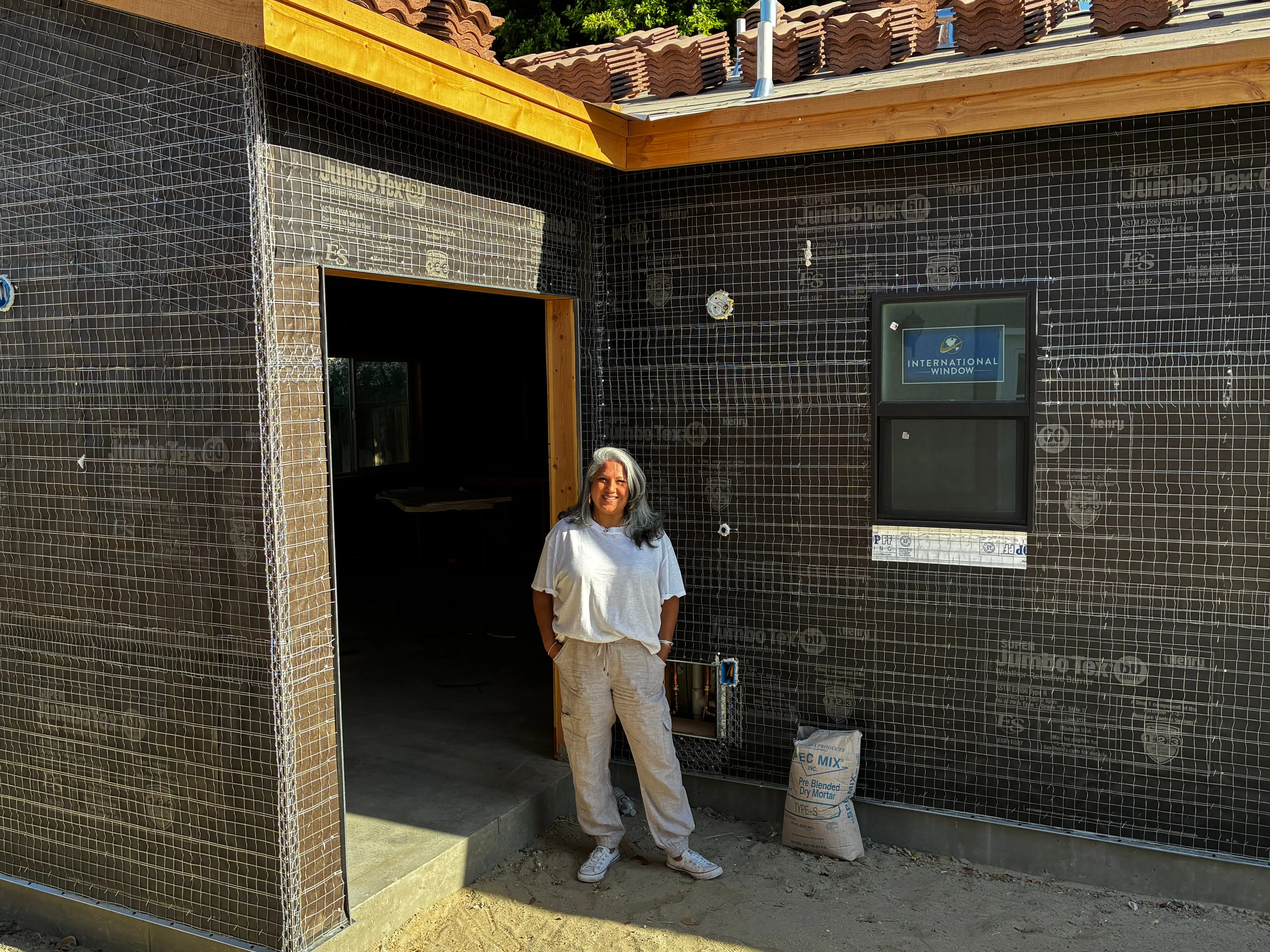
This as-told-to essay is based on a conversation with Sotheby’s International Realty real estate agent, Shalini Karnani Bonjour, 50, who is building an accessory dwelling unit, or ADU, in her California backyard for her mother to live in. The conversation has been edited for length and clarity.
In 2024, my father passed away. He and my mother had lived in their 3,500-square-foot home in Michigan for about 20 years, and suddenly, she was alone.
My mom was 78, and my husband and I didn’t feel comfortable having her so far away, especially when it came to her day-to-day needs. At the time, I was recovering from breast cancer. As an only child, I had to navigate my father’s death and my own health while also figuring out what came next for my mom.
My husband and I worked hard to sell my parents’ home and relocate her near us in California. After she moved, we rented different places to help her figure out what type of home suited her best. We also explored assisted-living and independent-living communities, but none were ideal.
She was already making a major emotional adjustment by downsizing from the home she had known for so many years, and asking her to completely change her lifestyle didn’t feel right.
My mom has worked very hard in her life, and I want her to enjoy the time she has left. Finding her the right home was very important to us.
We decided to move in together and build an ADU
After a long search, my husband, my mom, and I decided to buy a large home in the Coachella Valley, an area we all loved, where we could live together with my teenage son.
The right home for us needed first-floor access so my mom could come and go easily and use the kitchen and laundry room without having to climb stairs. We also wanted a pool and enough space to eventually build an accessory dwelling unit for her.
In 2024, we found a 2,222 -square-foot, 4-bedroom, 4-bathroom home that checked those boxes and still fit our budget. Before buying it and moving forward with the ADU, we confirmed with the city and our homeowners association that it was a viable option.
Our home was a fixer-upper, so before we could fully focus on the ADU, we had to update the main house and make it comfortable for all of us. That took a lot of time and money.
While we were renovating our home, I was also working with an architect and interviewing builders for the ADU project. I spoke with at least 10 builders, and I’ll tell you, it is not easy to find someone you feel you can trust.
We eventually found a builder and decided on a roughly 1,100-square-foot, single-story ADU. Some people might call it a casita, but it’s really a full home. My mom wanted two bedrooms in case people came to visit, two bathrooms, and a walk-in tub in her primary bathroom. We were able to customize the design to include all of that.
The initial estimate for the building alone was about $398,000. But once we added the washer, dryer, appliances, sinks, fixtures, and other finishes, the total came to about $475,000.
The ADU construction process has been long and difficult
We finally broke ground on the ADU in March 2025. Initially, we hoped the project would take about six months, but it has taken much longer. Right now, we’re waiting on solar permits before construction can continue.
The whole process has been difficult because there are so many things to manage. You’re trying to keep the project affordable, keep your neighbors happy, and stay on track. I can only imagine how overwhelming this would feel for someone without any insight into the process, because it is a huge undertaking.
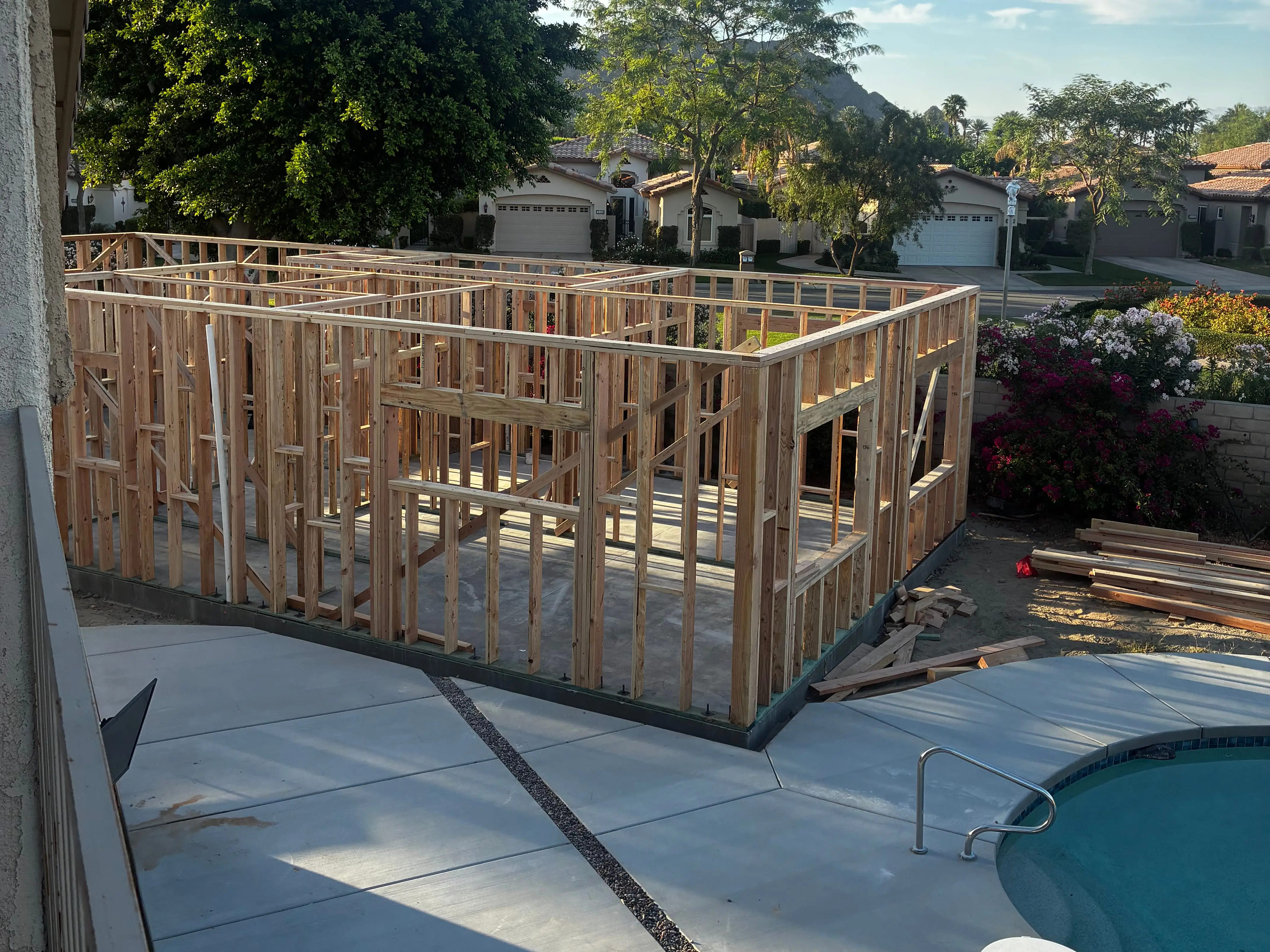
I know it will be rewarding in the end, but if I weren’t a Realtor, didn’t feel comfortable talking to builders, and didn’t know how to have these conversations with the HOA, this would feel like an impossible task.
Still, I know it will be worth it. We love where we live, and building this on our property means we can stay close to my mom while still giving her independence and a home of her own.
We’re still learning how to share space
When people tell my husband and me we’re smart or strong for doing this, I think, “What other option do we have?” I’m an only child. Who else will be there to take care of my mother?
While we’re waiting for the ADU to be completed, my mom is living in a bedroom in our home.
We’re still figuring out how to share space. My mom loves to cook, so having her own kitchen will be really important to her. Last week, she was making a recipe and said, “It’ll be different when I have my own stuff.” I think the whole thing is bittersweet, but once she sees her finished kitchen, she’ll feel different.
Because my mom moved so far away, she’s also navigating building a new community. She immigrated from India to Michigan in the 1970s and created a life there. She had a network of other Indian immigrants, people in different professions, and friends she had known for years.
Pulling her away from that wasn’t easy, and it still isn’t. It takes time to get established somewhere new, and she’s still working through that. I’m trying to help as best I can by introducing her to people and helping her find connections here.
This process changed how I see multigenerational homes
When I was growing up, we always had a grandparent living with us. That was standard in an Indian household. But because we were in America, I don’t think I ever seriously considered that my mom might one day live with me. When my dad passed away, I got a reality check.
People in my generation are seeing their parents live longer, and more of us are taking on caregiving responsibilities. Many of us are trying to figure out how to do right by the people who raised us while also managing our own happiness and family life.
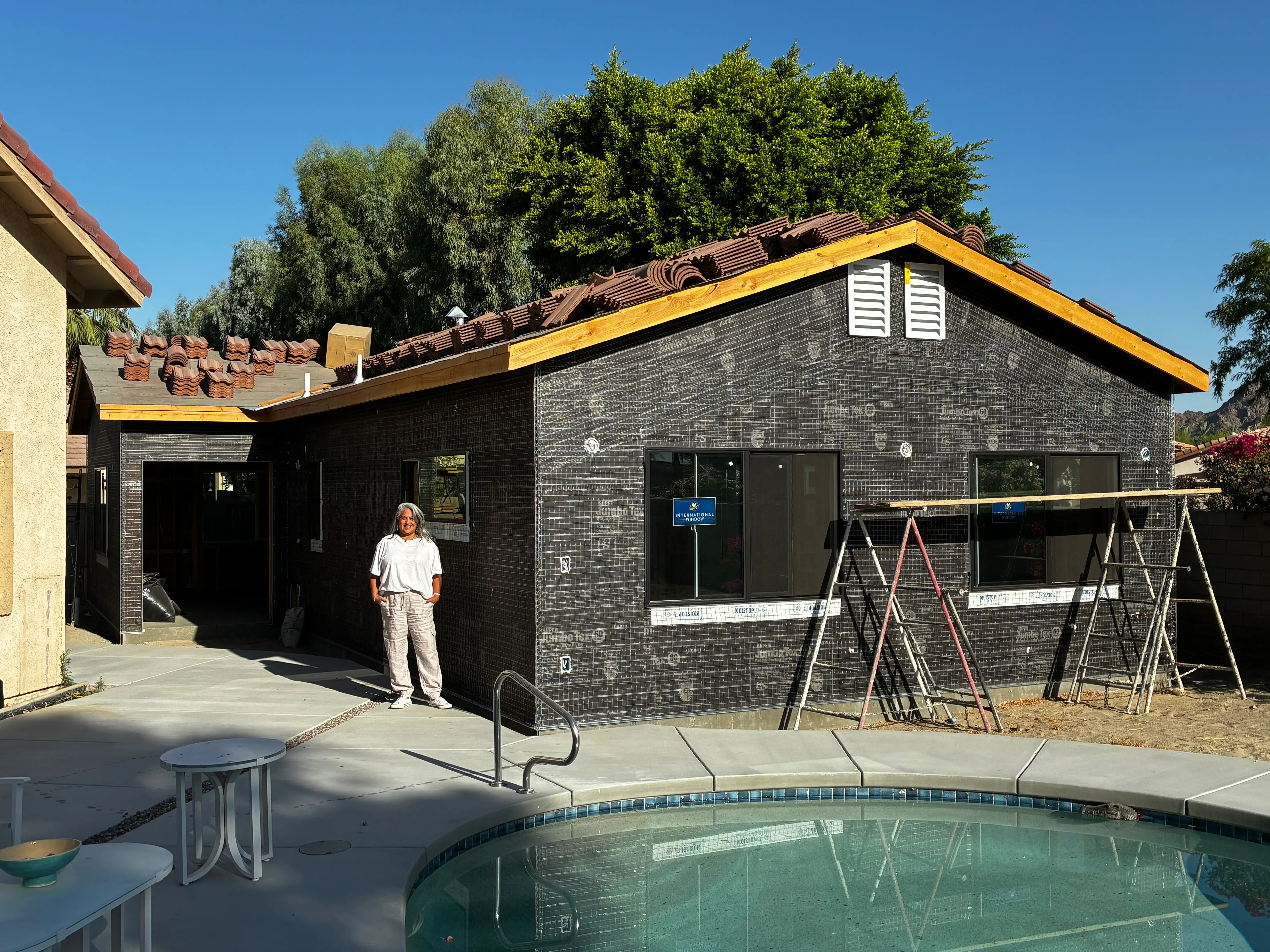
Going through this process has changed the way I think about multigenerational homes as a real-estate agent. If a client were considering one, I’d encourage them to look for homes that already have the space they need. That might mean multiple bedrooms on one level, en suite bathrooms, easy access in and out of the home, minimal steps, or enough land to build an ADU later.
I’d also tell them to confirm that the property allows the kind of construction they want and to find out whether it’s regulated by the city, the HOA, or both.
One of the biggest lessons I’ve learned during this process is that you have to ask yourself: Is it more cost-effective and less stressful to buy a home with the right structure already in place, or does it make more sense to build a custom space on a property you already have?
Read the original article on Business Insider
The post My mother wanted independence, not assisted living. So we’re building her a 2-bedroom home in our backyard. appeared first on Business Insider.