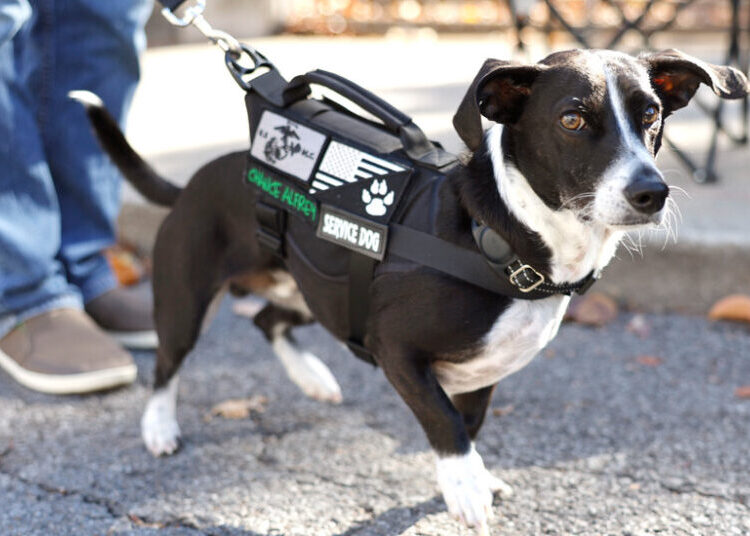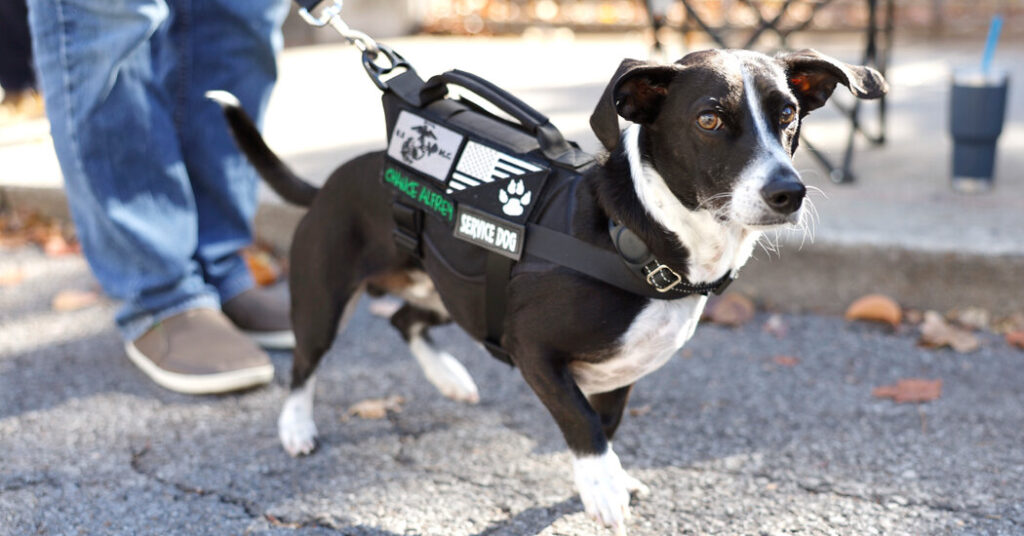
The Trump administration on Friday narrowed the definition of an “assistance animal” allowed to live with disabled tenants in public housing, a move that could lead to thousands of animals and their owners being evicted.
In an internal memo obtained by The New York Times, the Department of Housing and Urban Development told leaders in its fair housing office that “effective immediately” the department would exclude emotional support animals and more strictly police the definition of a qualified service animal when granting accommodations for disabled tenants.
Many landlords of public housing units enforce a no-pets policy, or may charge renters a deposit or monthly fee for pets. Under the Fair Housing Act, disabled tenants can ask to have those restrictions waived to accommodate their disabilities.
In the first Trump administration, HUD issued guidance to landlords reinforcing that emotional support animals and other assistance animals were not considered pets, and were protected by the Fair Housing Act. Officials noted that emotional support animals provided “therapeutic emotional support” for people with disabilities.
Six years later, the housing department, under the leadership of Scott Turner, has moved aggressively to tighten rules and scrutinize public housing rolls, including by focusing on the immigration status of tenants.
The memo to housing officials on assistance animals presented emotional support animals as a loophole to circumvent a landlord’s pet policies, asserting that “an entire industry has emerged to convert pets into emotional support animals.”
The memo concluded that “while requests to waive pet policies for animals trained to perform specific disability related services are presumptively reasonable, requests to waive pet policies for untrained” emotional support animals “are not.”
Erik Heins, a lawyer formerly in charge of enforcing fair housing laws at HUD, said that the new policy would affect many tenants who rely on assistance animals to alleviate psychiatric or mental disabilities — for example, a military veteran with post-traumatic stress disorder.
“Those cases are a not significant portion of the number of cases that HUD investigates” through its fair housing office, Mr. Heins said, adding that the housing department could dismiss or shelve thousands of appeals for disability accommodations under the new rule.
Chris Cameron is a Times reporter covering Washington, focusing on breaking news and the Trump administration.
The post HUD Moves to Limit Assistance Animals for Disabled Tenants in Public Housing appeared first on New York Times.