The West has spent decades fighting wars where it controlled the skies. These fights have been historical anomalies, a British air force official said, and future control isn’t assured.
“Control of the air is the duty of an air force,” Air Vice-Marshal Ian “Cab” Townsend, assistant chief of the air staff of the British Royal Air Force, said Wednesday. “With it, anything is possible. Without it, everything is dangerous.”
The war in Ukraine, where neither side has achieved air superiority, shows that this kind of control is no longer guaranteed, even for powerful air forces.
“Control of the air is not a given,” Townsend said.
The growing drone and missile threat has changed the equation. “Over the last decade, we’ve had to contend with little green men on the ground, and now we are increasingly dealing with little grey drones in the air. Democratized air power is liberating and simultaneously challenging,” he said, speaking to the UK’s Royal Aeronautical Society.
He said control “is earned,” explaining that “it must be fought for relentlessly and maintained every single minute of every single day.”
In Ukraine, drones, missiles, and dense air defenses have exposed a particular challenge that Western militaries have not had to face at this scale in decades: fighting for freedom of action in skies that are crowded, contested, and dangerous at nearly every altitude.
“The modern integrated air missile defense operating environment is becoming increasingly complex and ambiguous,” Townsend said.
Militaries, he explained, seek to control the air because “control of the air benefits the other physical domains by giving them the freedom of initiative, the freedom to operate, and the freedom to maneuver.”
Without that air cover, as the world has seen in Ukraine, vehicles and dismounted infantry face a range of additional operational threats.
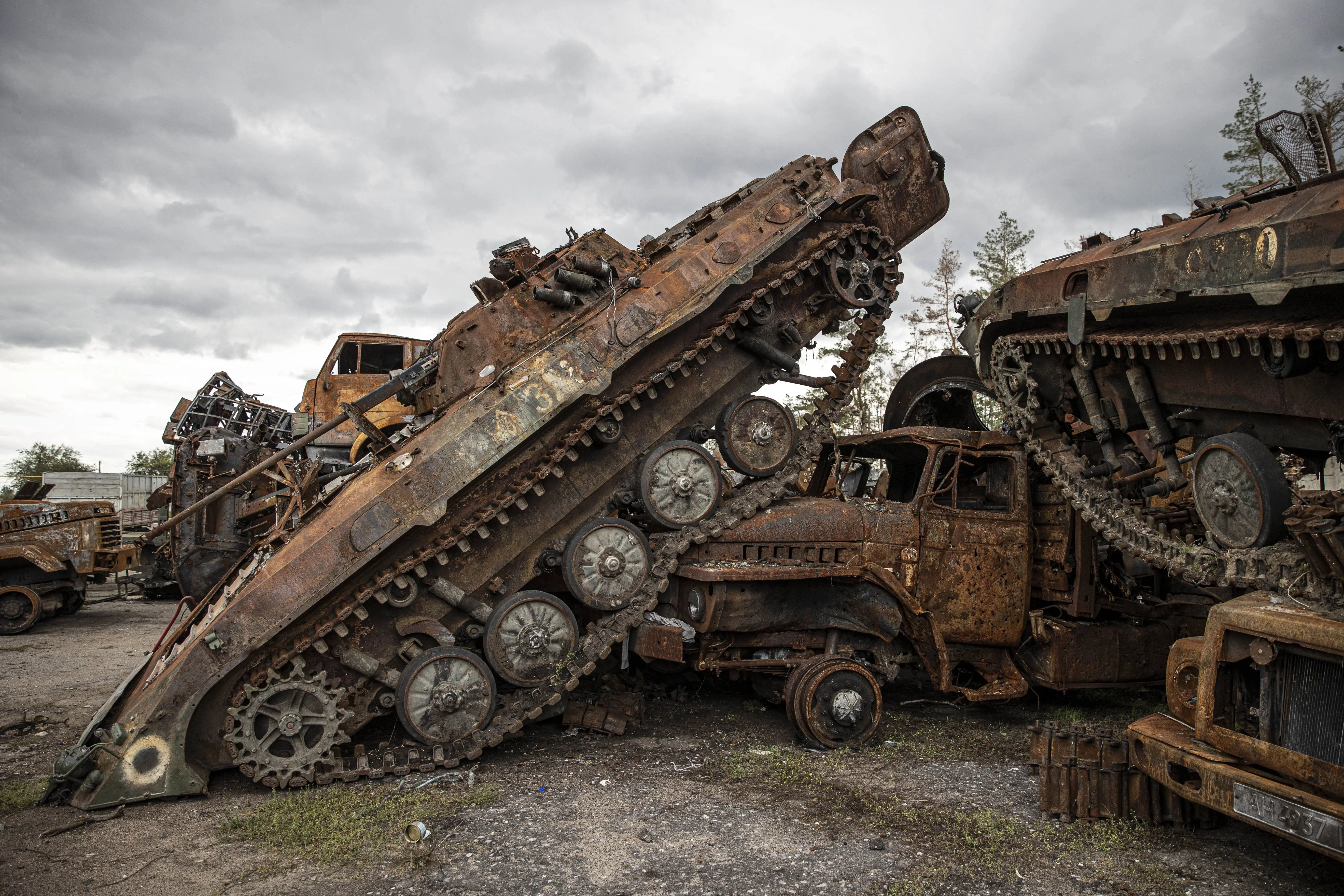
“The criticality of control of the air is born out of bitter experience,” he said. “History consistently teaches us that fighting without control of the air dramatically increases cost, complexity, and casualties.”
Townsend said the war in Ukraine is “a stark reminder of what all there becomes when neither side can gain effective control of the air.”
In this war, neither Ukraine nor Russia has been able to achieve full control of the air, contributing heavily to the fight turning into a brutal, grinding war of attrition with largely static front lines. When aircraft cannot safely operate near the front, ground forces lose firepower, protection, and the ability to mass vehicles or troops for a breakthrough.
Since the end of the Cold War, Western militaries have mainly fought weaker adversaries. They’ve gone to war with overwhelming advantages, including superior air forces that could suppress and destroy enemy air defenses and take control of the skies, clearing the way for the broader application of combat power.
Russia and China are very different adversaries, with more formidable armed forces.
A war with Russia or China would look very different from the conflicts Western militaries have grown accustomed to. In those wars, countries like the US and UK fought far from home, with their own territory largely untouched. In a large-scale war, especially one involving long-range missiles, that distance and safety could disappear.
“Throughout my career to date, the United Kingdom and most of our allies have been focused on conflicts of choice far from home and with a secure home base,” Townsend said. “That holiday from history is clearly over.”
“We are back in an era of competition, risk, and consequence. And while we have enjoyed air superiority over the past 30 years, today’s operations are very obviously more contested.”
Townsend said the UK “cannot afford to be complacent” after decades of having that control. “Those who fight for that control of the air tend to remember the lesson more vividly than those who have bathed in its luxury.”
Western officials and defense analysts have similarly warned that the West can no longer guarantee control of the air in a future large-scale war against a near-peer foe.
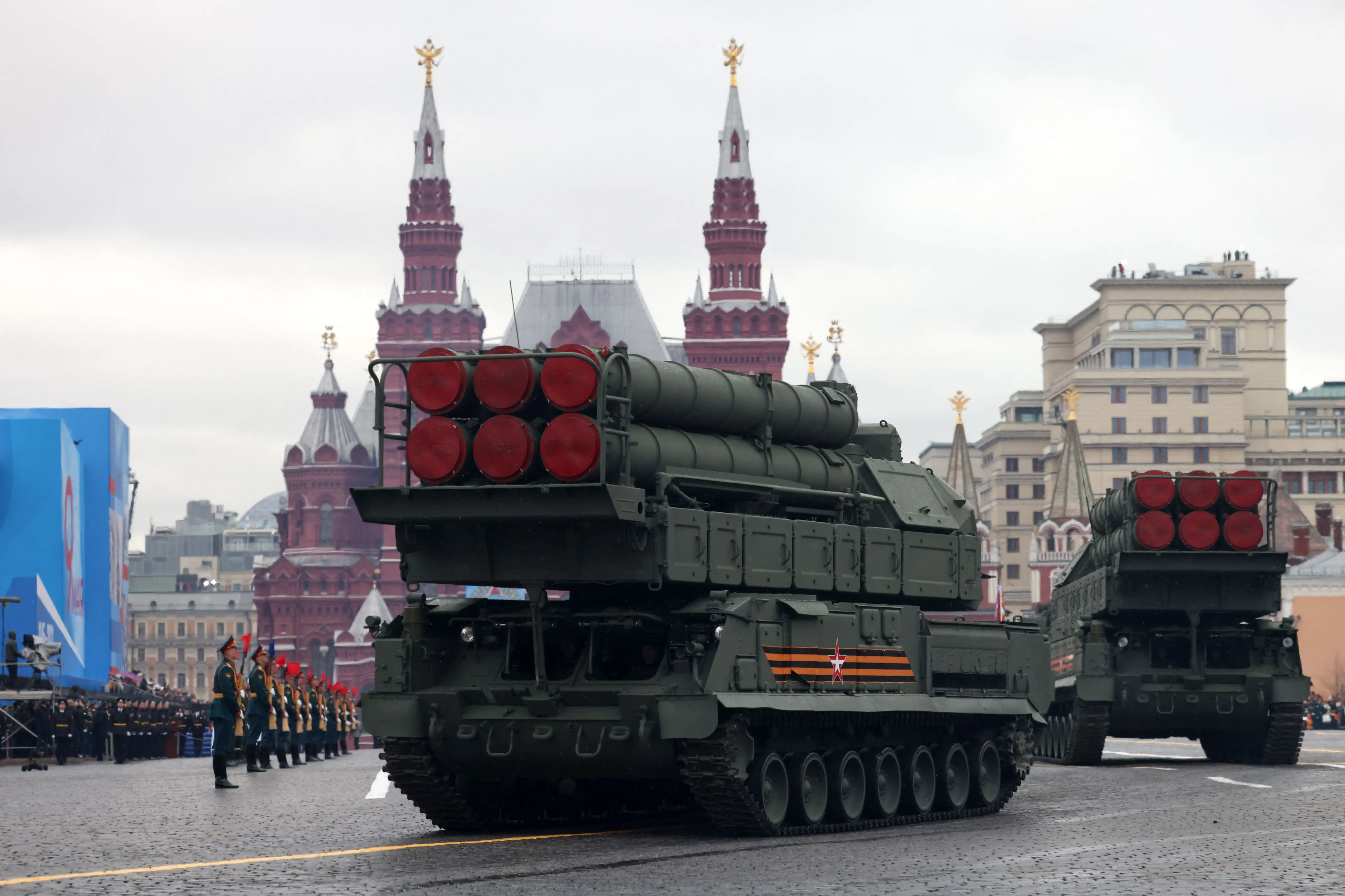
Gen. David Allvin, then the US Air Force chief of staff, warned two years ago that the US military may not be able to achieve “ubiquitous air supremacy for days and weeks on end.” Instead, he said, it may only be able to achieve it in short bursts and exploit short windows when enemy defenses are destroyed, suppressed, or out of ammunition.
The US Army is aware of the potential shift as well. Maj. Rachel Martin, the director of the Army’s new Unmanned Advanced Lethality Course made to catch the US up on small drone warfare, previously told Business Insider that “we are used to air supremacy as an Army.”
“Just about every event we’ve ever been a part of, we own the air,” she said, adding that Ukraine is showing “that may not be the case.”
Martin said US soldiers need to be taught to be “pessimistic or suspicious” of anything in the air, where, before, everything above them was typically friendly.
Read the original article on Business Insider
The post The West got used to owning the skies at war. That ‘control of the air is not a given,’ Royal Air Force officer says appeared first on Business Insider.