The top US commander overseeing forces in the Middle East says he needs more weapons for striking hardened targets buried deep underground.
The US used its largest conventional bunker-buster bombs against Iranian nuclear facilities last year, underscoring a challenge military leaders say is only growing: adversaries are increasingly putting key military sites, weapons, and command infrastructure underground to shield them from attack.
At a US House Armed Services Committee hearing on Tuesday, Adm. Brad Cooper, head of US Central Command, told lawmakers he had a wishlist of weapons and capabilities he wants more of.
“I’d put three things: more electronic warfare, keep counter-UAS [Uncrewed Aerial Systems] on the leading edge,” because tactics are changing very quickly, he said, “and we need to invest more in hard and deeply buried targets,” specifically the weapons and other capabilities for finding and striking underground sites.
“Everybody is going underground,” he said.
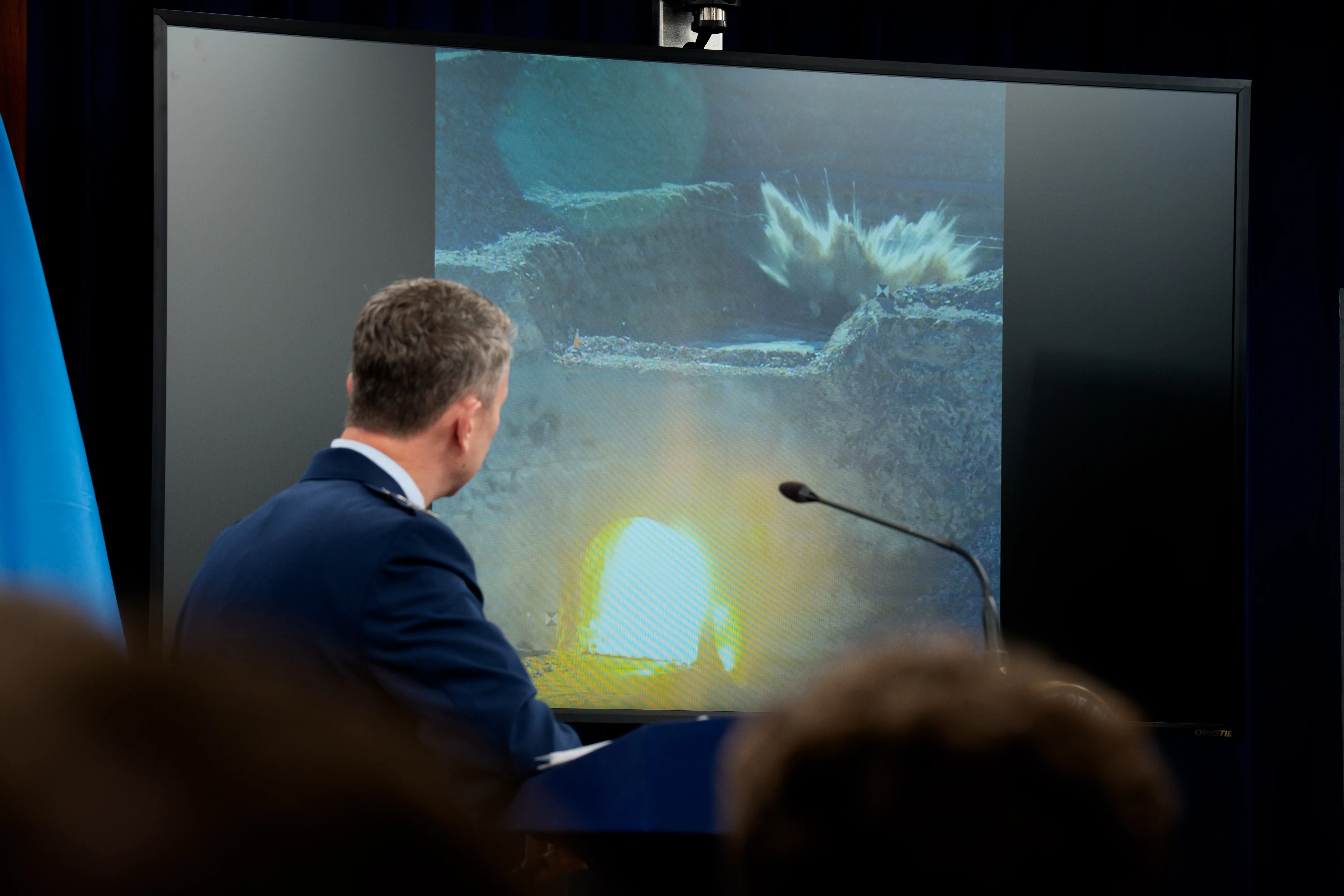
Iran has buried many of its most prized military assets, including nuclear sites, underground to protect them from missile strikes. Last year, the US launched Operation Midnight Hammer, a strike operation against three Iranian nuclear facilities. US forces conducted three massive attacks on Fordow, Natanz, and Isfahan, and in the process, American bombers dropped the GBU-57 Massive Ordnance Penetrator bunker-buster bomb for the first time in combat.
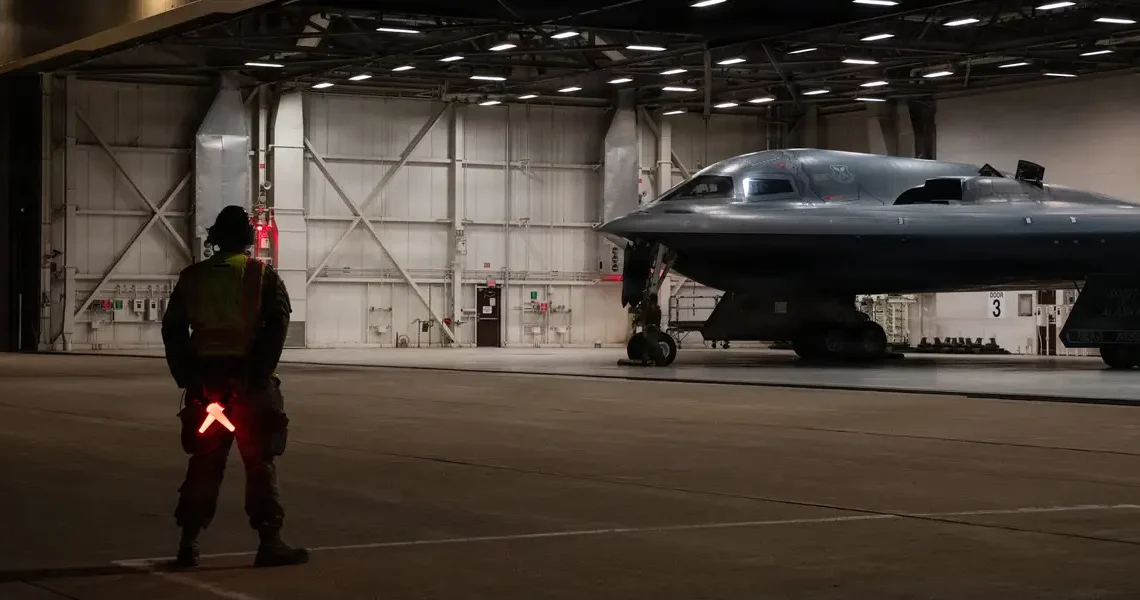
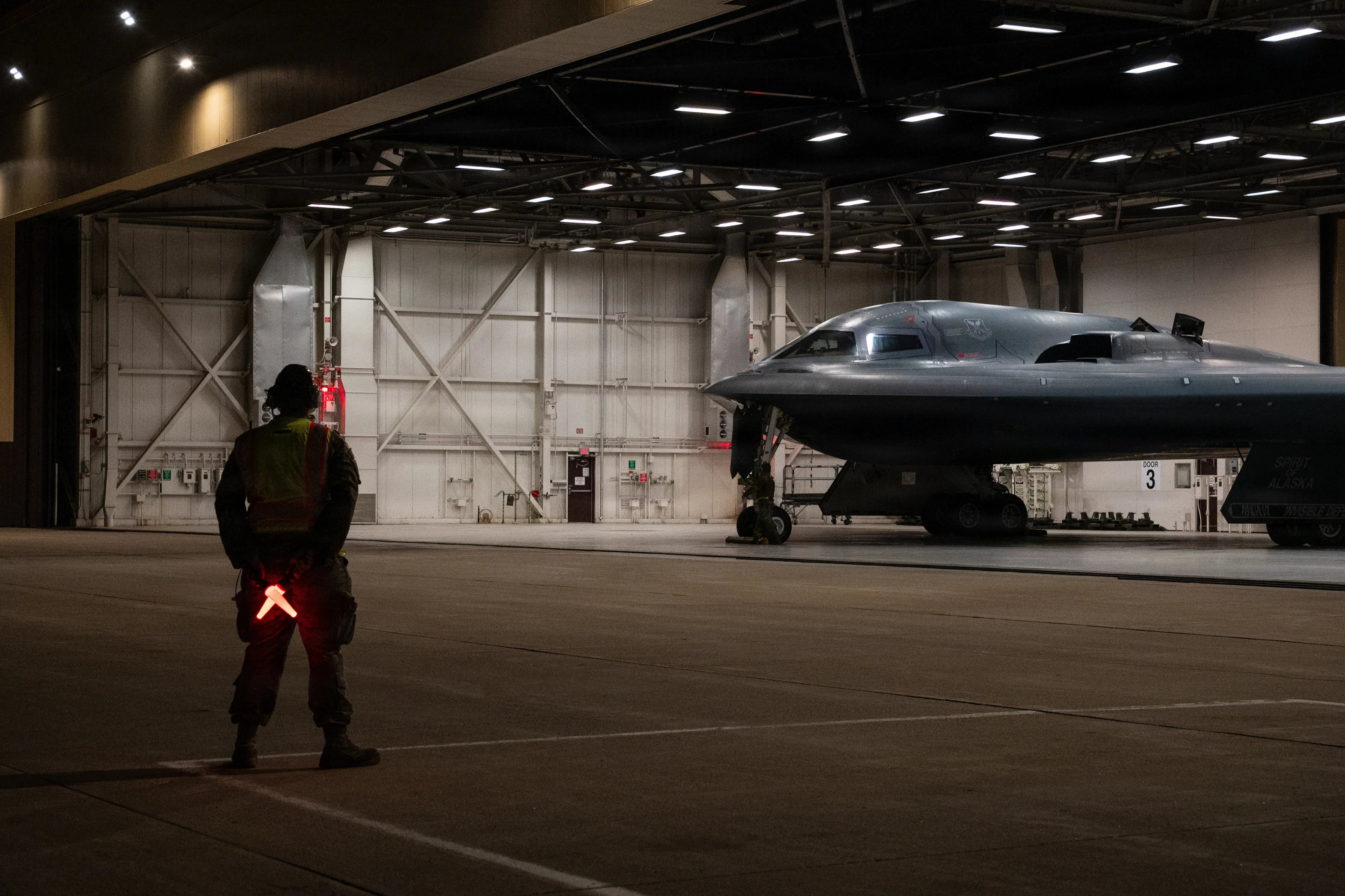
Fourteen GBU-57s in total were released during the strikes on Iranian facilities. These bombs are among the heaviest and most powerful non-nuclear bombs in the US arsenal. Each munition weighs roughly 30,000 pounds and can only be carried by the US Air Force’s B-2 Spirit bomber. The B-2 can carry two internally; the B-2’s successor, the B-21 Raider, is expected to carry only one.
The GBU-57 is designed to penetrate deep into the ground, up to 200 feet, before exploding, though the depth depends on the strength of the material, such as reinforced concrete, that it’s hitting. The US also has smaller bunker busters it can use, but these don’t dig as deep or carry as large an explosive as the GBU-57.
After the Operation Midnight Hammer strikes against Iran, the Air Force began work on a successor to the GBU-57, awarding a contract to New Mexico-based research and engineering firm Applied Research Associates to build a prototype “air-to-ground Next Generation Penetrator weapon system.” Boeing, which made the GBU-57, will design and develop the new bomb’s tail kit.
While the contract amount and specifications are unknown, the Air Force has requested that the NGP not exceed 22,000 pounds, deliver blast and fragmentation effects, and be highly accurate with a navigation system capable of operating in GPS-denied environments.
During the hearing, Cooper also defended Operation Epic Fury, the US military operation against Iran, pointing to successes in degrading Iran’s missile, drone, and naval capabilities, as well as its defense industrial base.
House members questioned Cooper on the military objectives of the operation, as well as the aftermath, including the fragile ceasefire and closure of the Strait of Hormuz that has been ongoing for over a month now.
Earlier this week, President Donald Trump said that he had been “an hour away” from ordering new strikes on Iran but stopped because of progress in negotiations. On Wednesday, Tehran threatened to ignite a conflict “beyond the region” if the US and Israel decide to resume attacks.
Read the original article on Business Insider
The post Top US commander in the Middle East says he needs more bunker busters because ‘everybody is going underground’ appeared first on Business Insider.