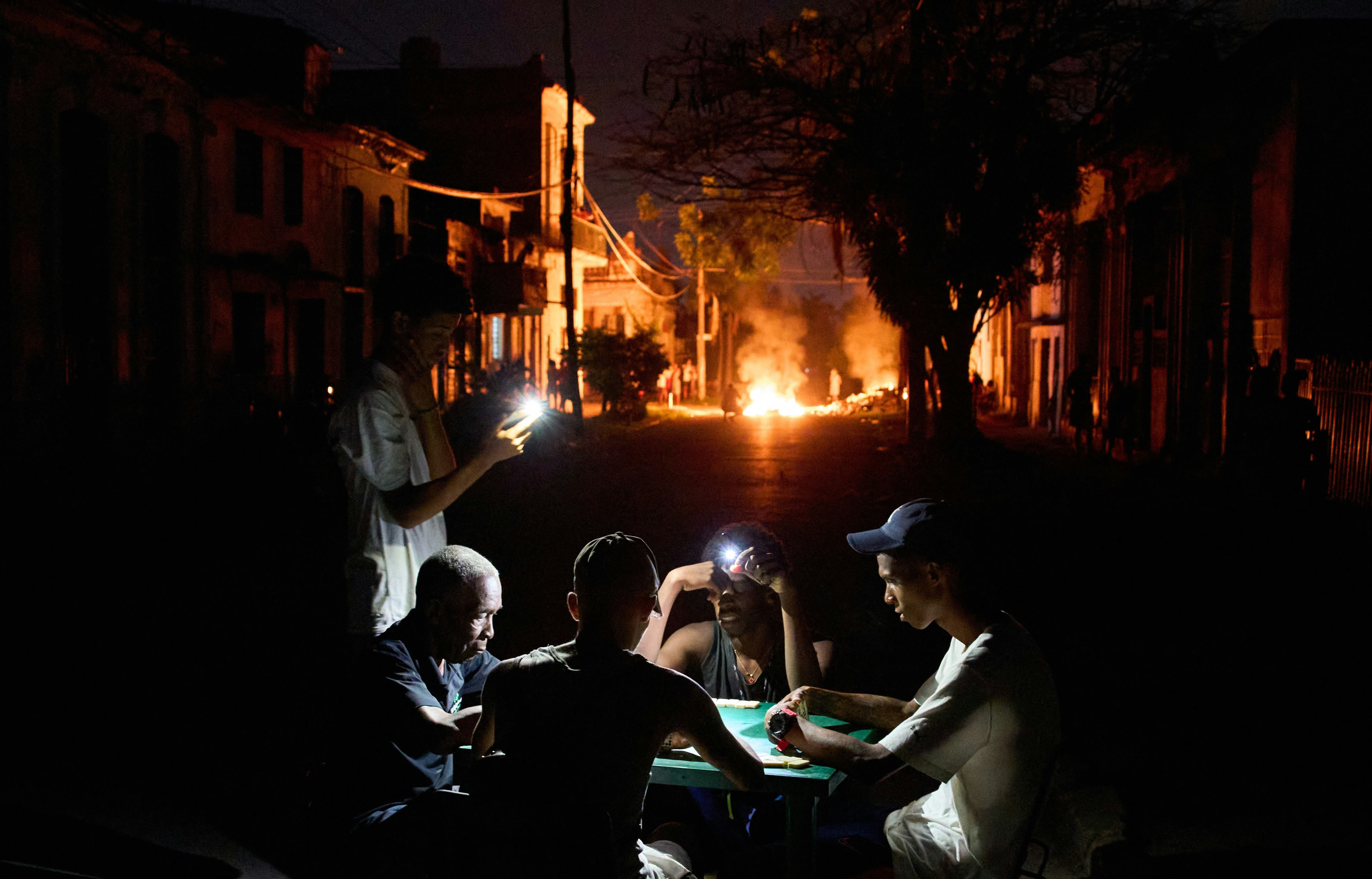
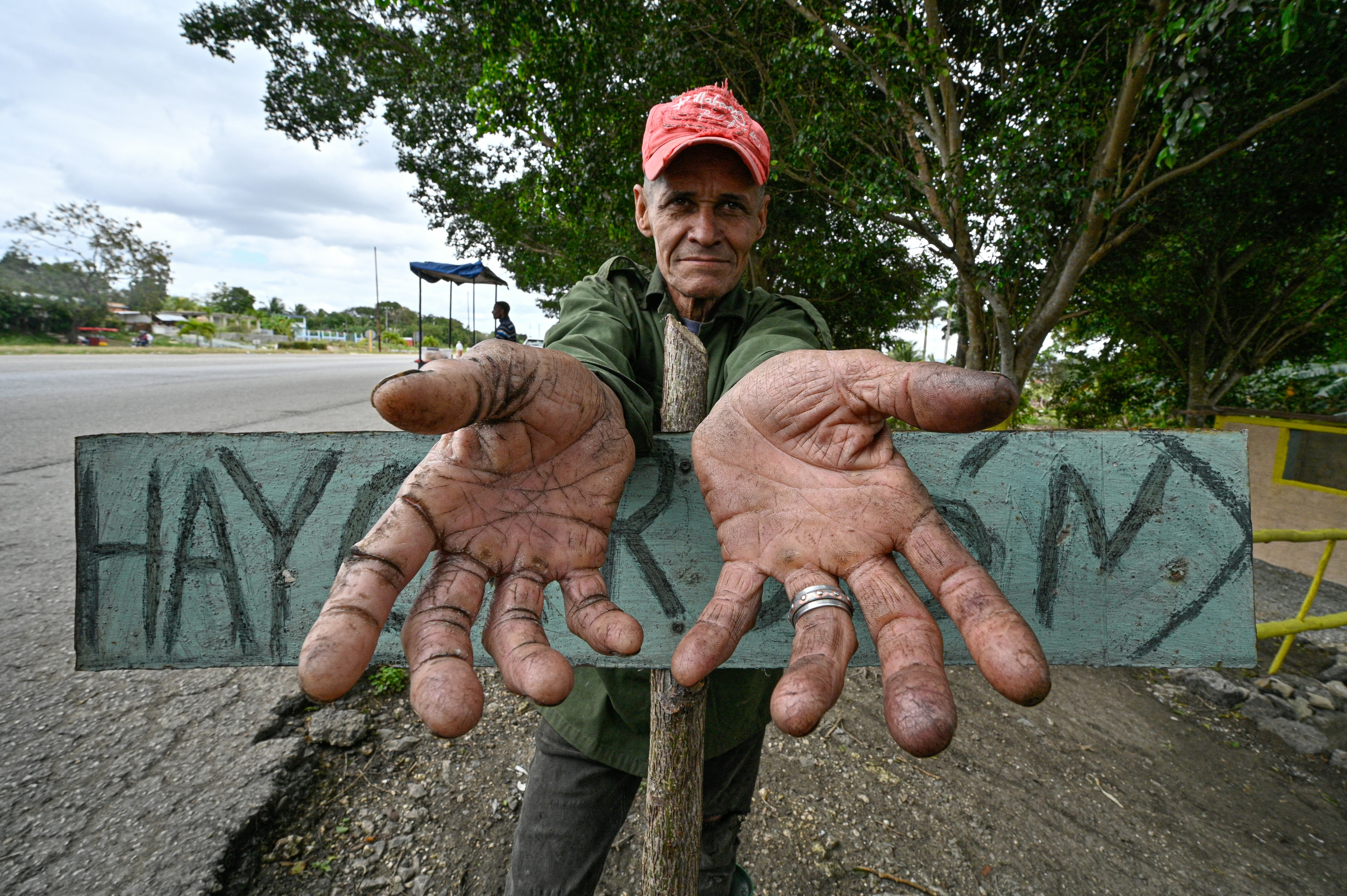
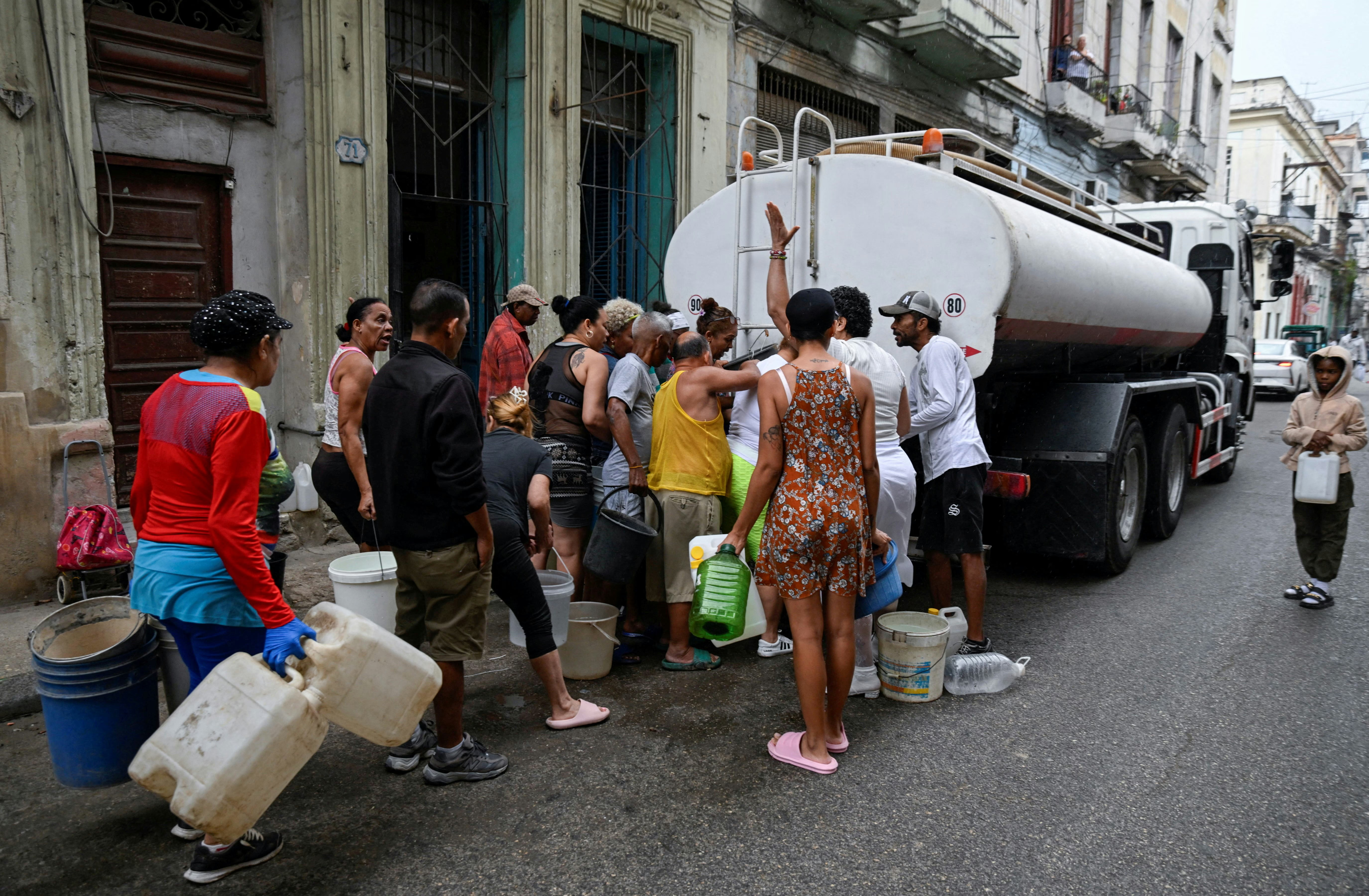
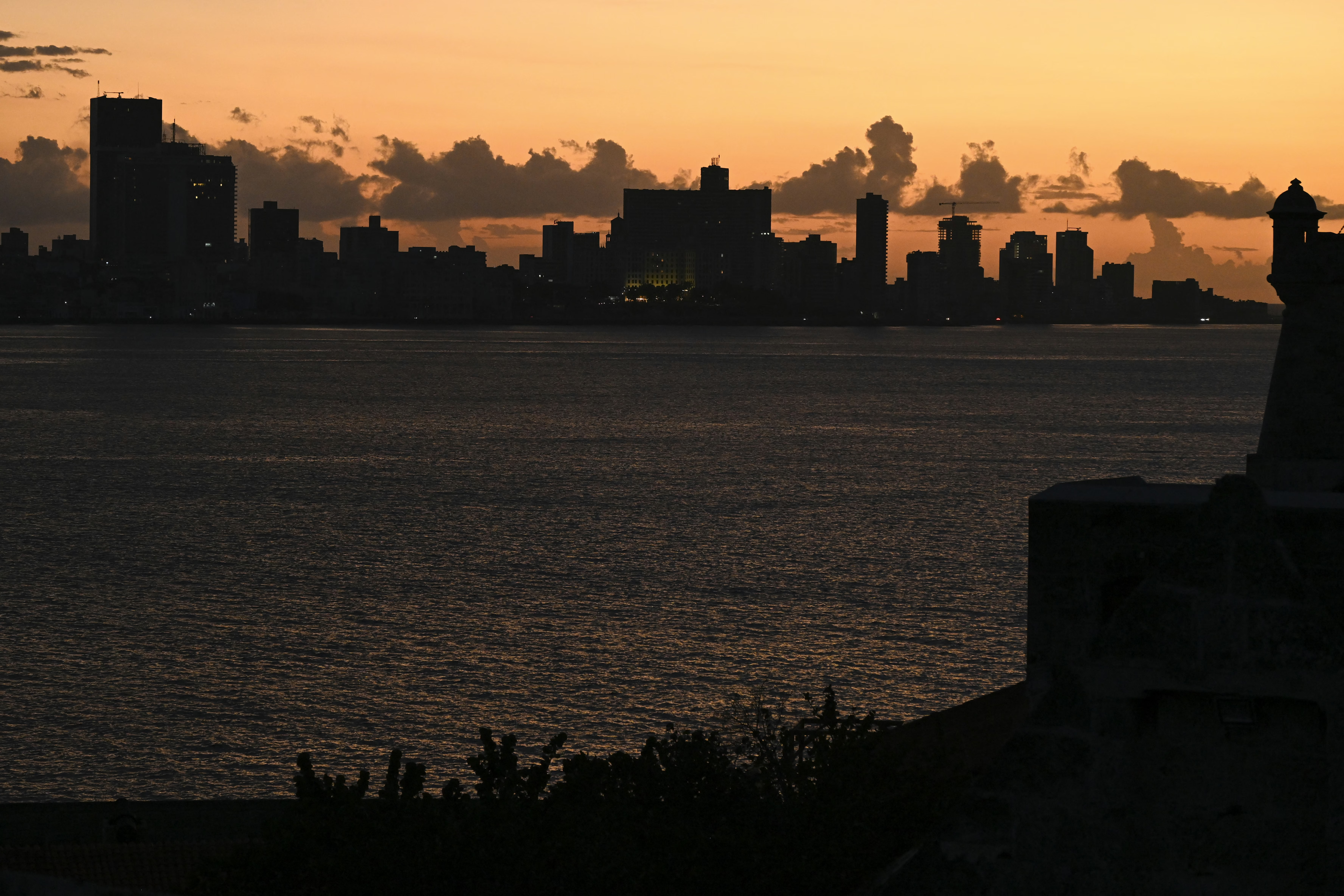
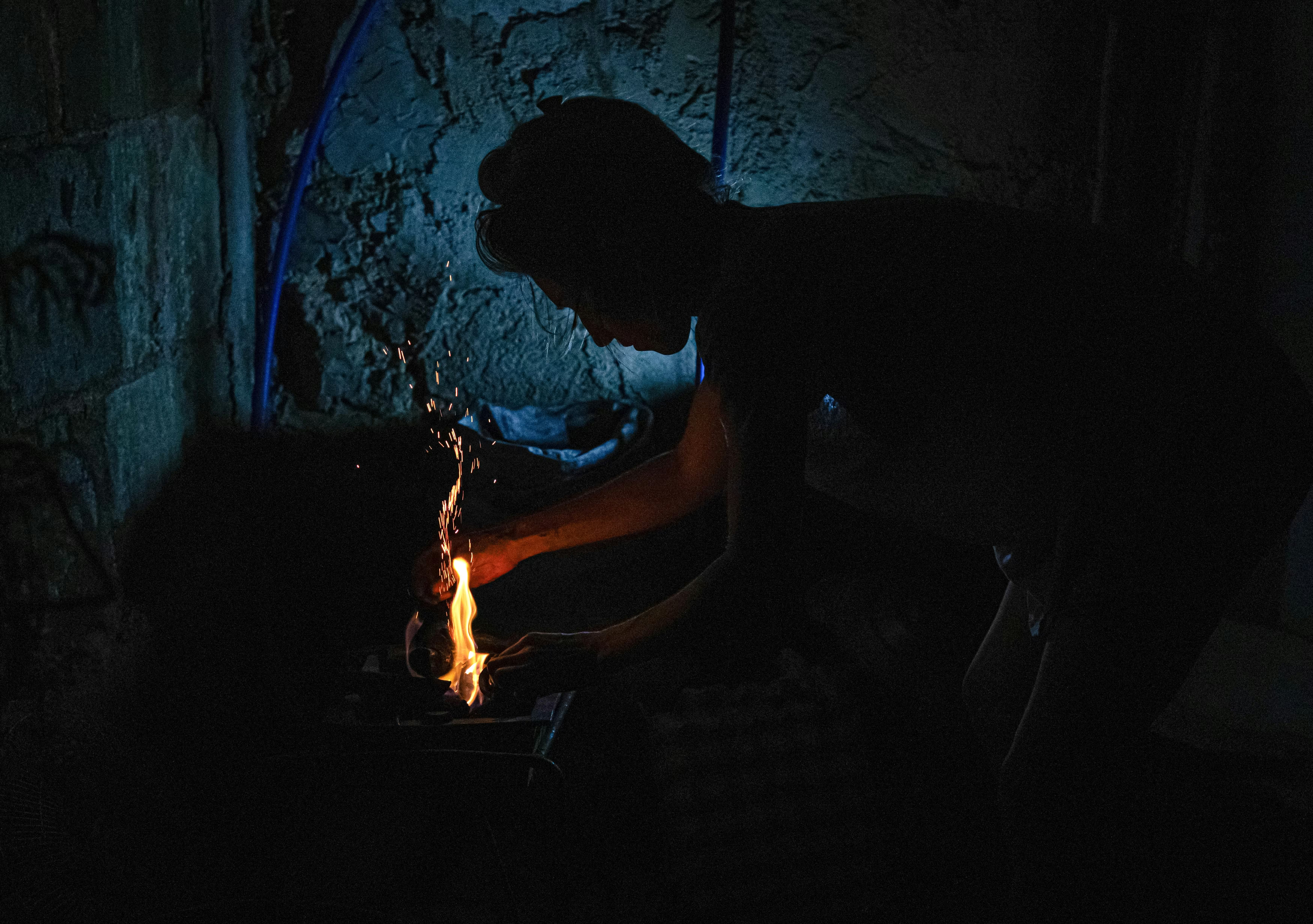
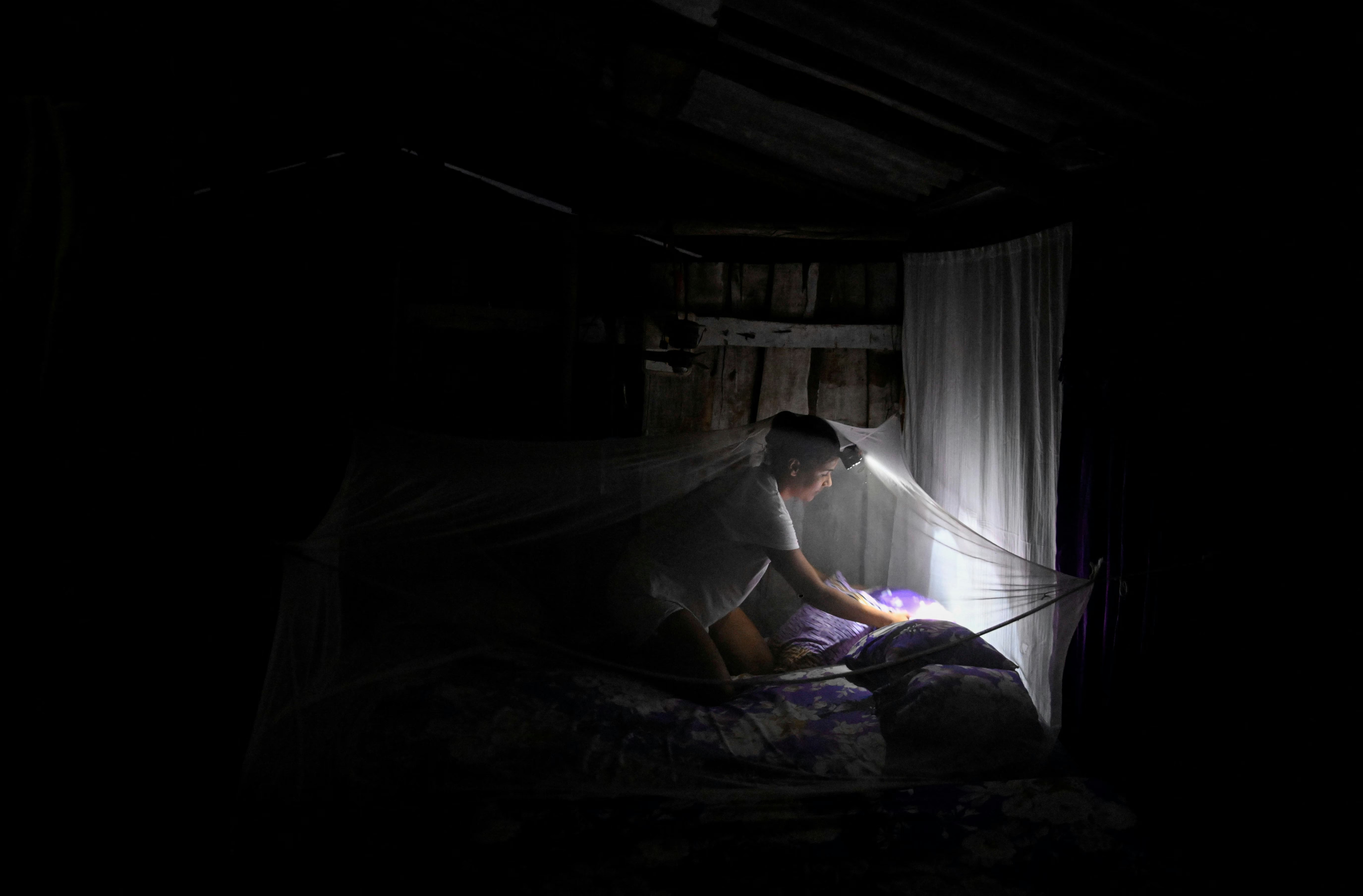
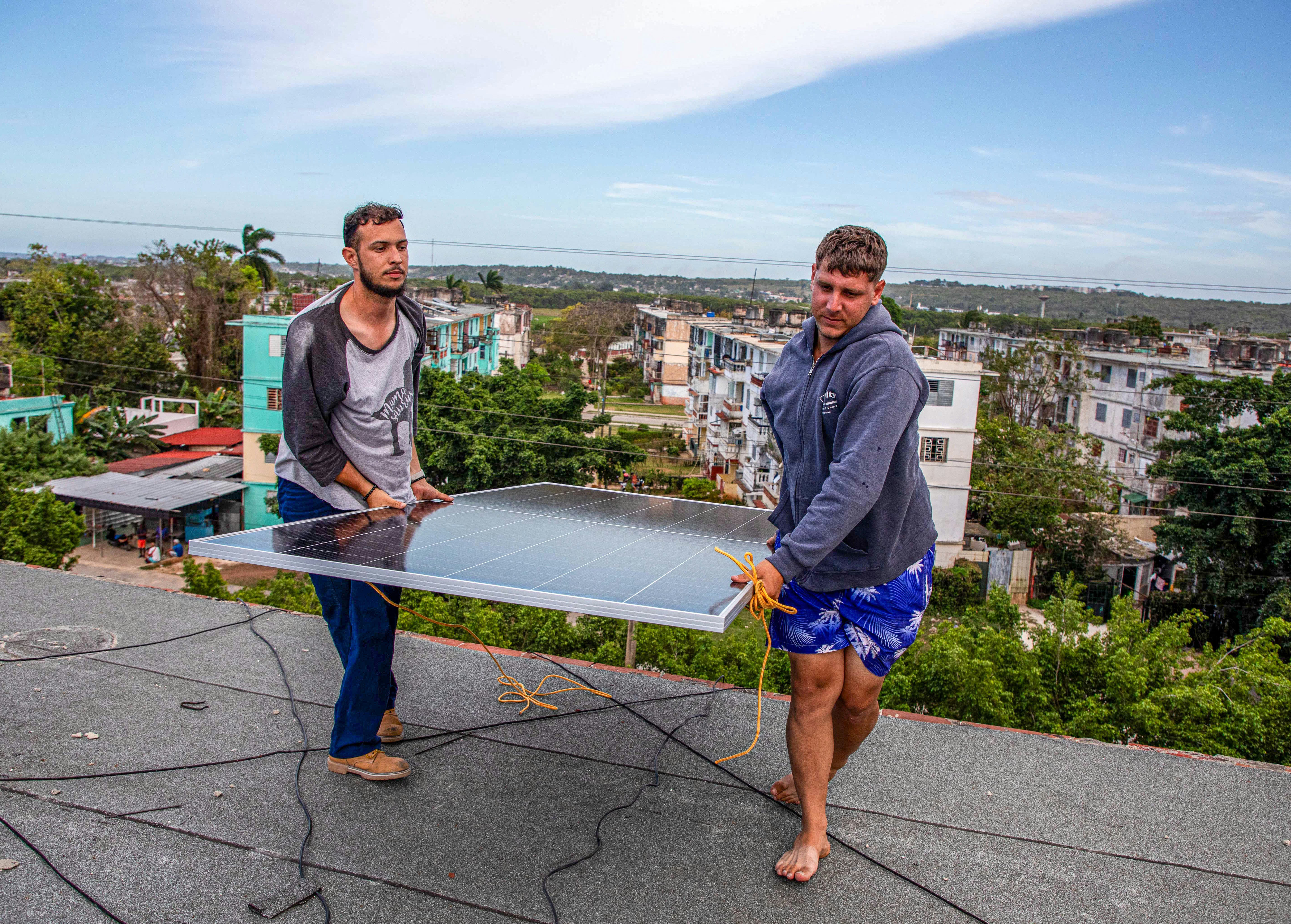
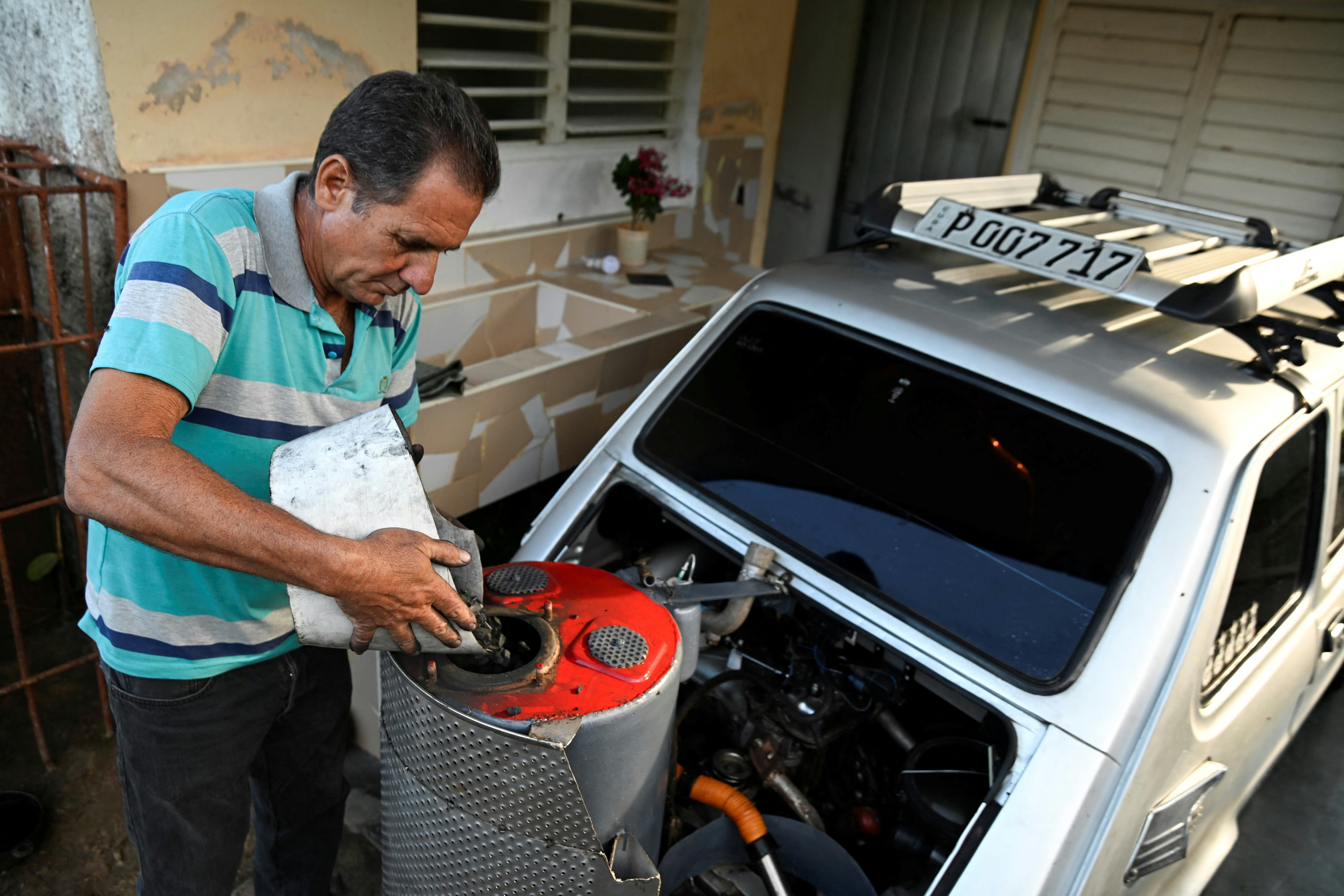
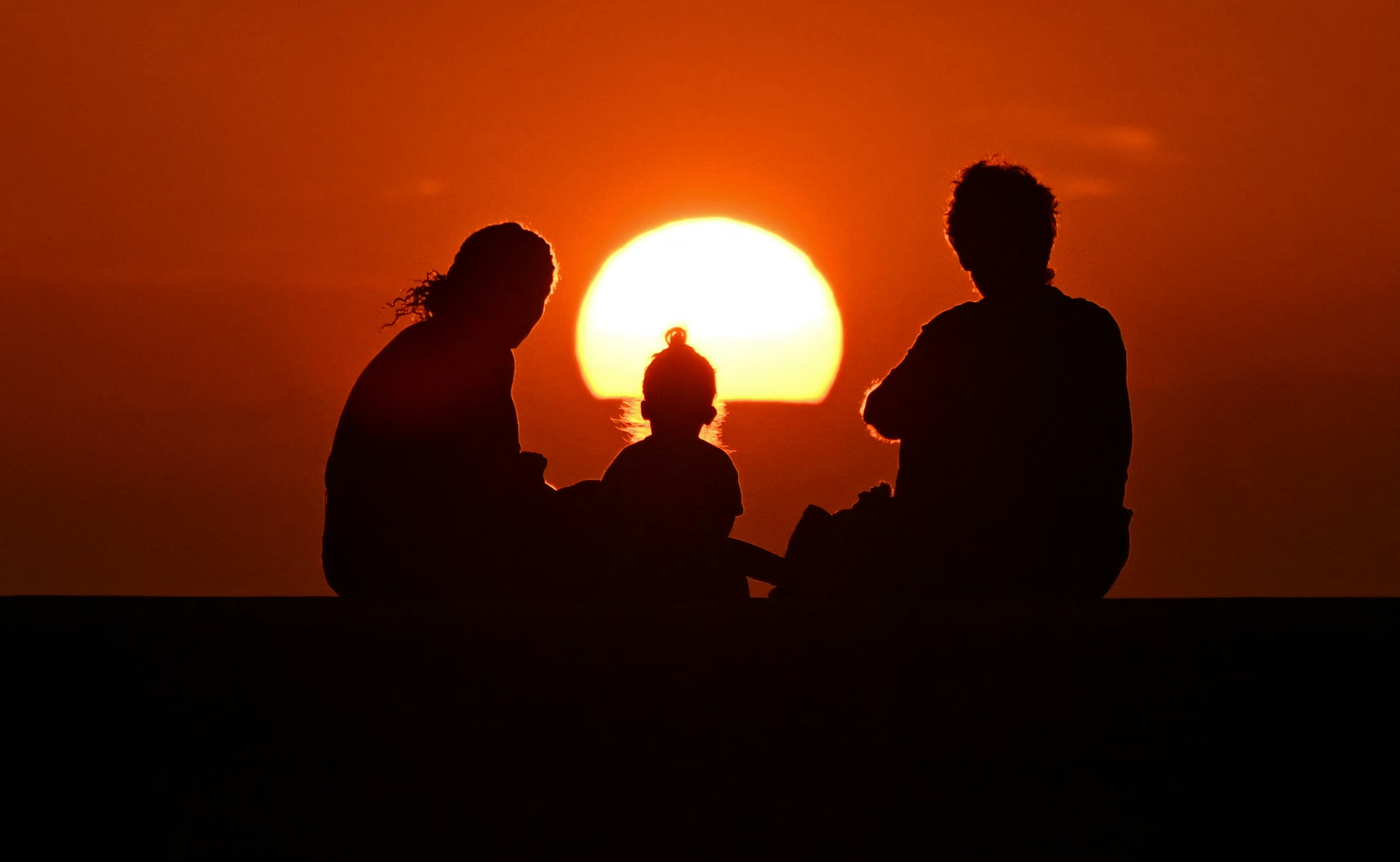
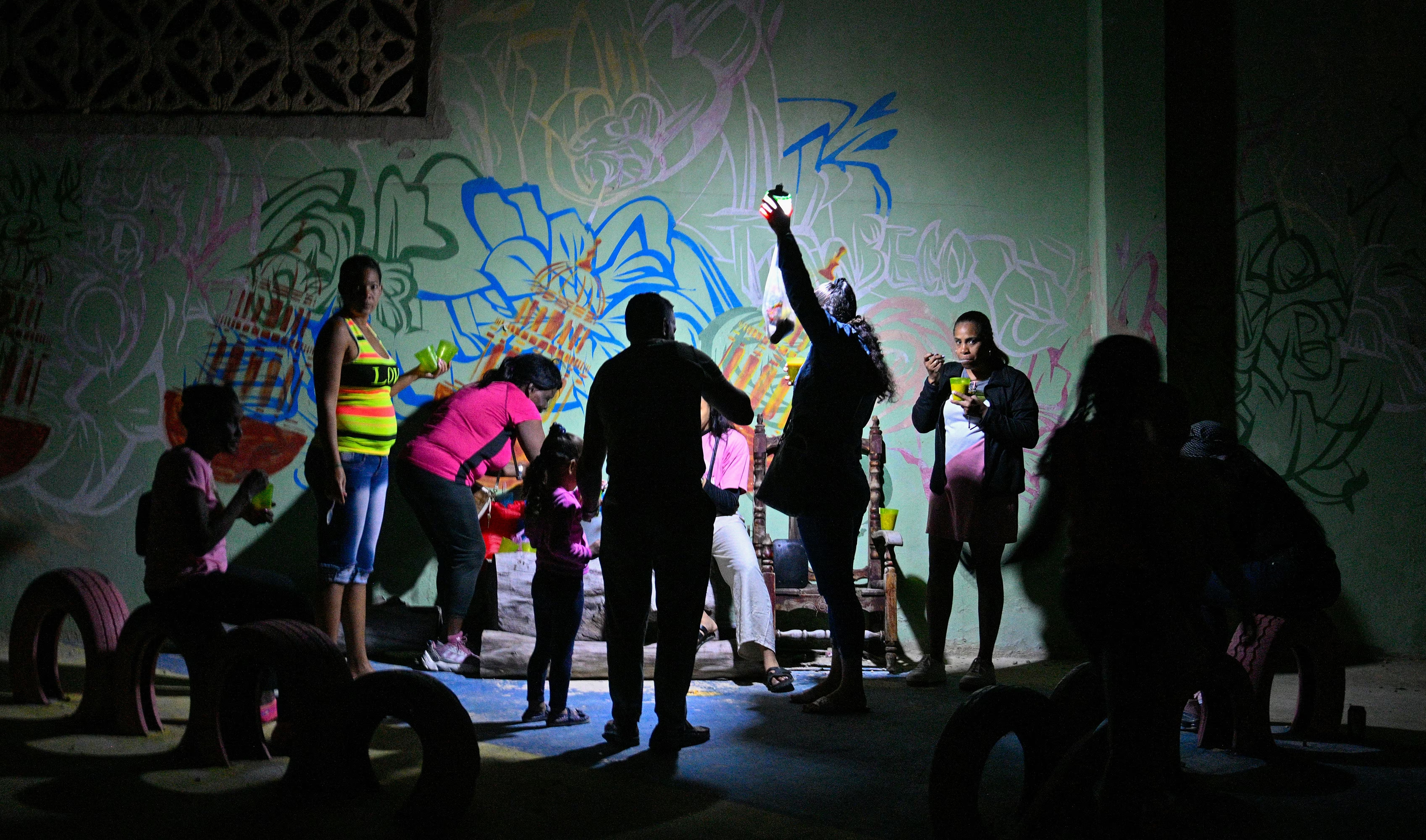
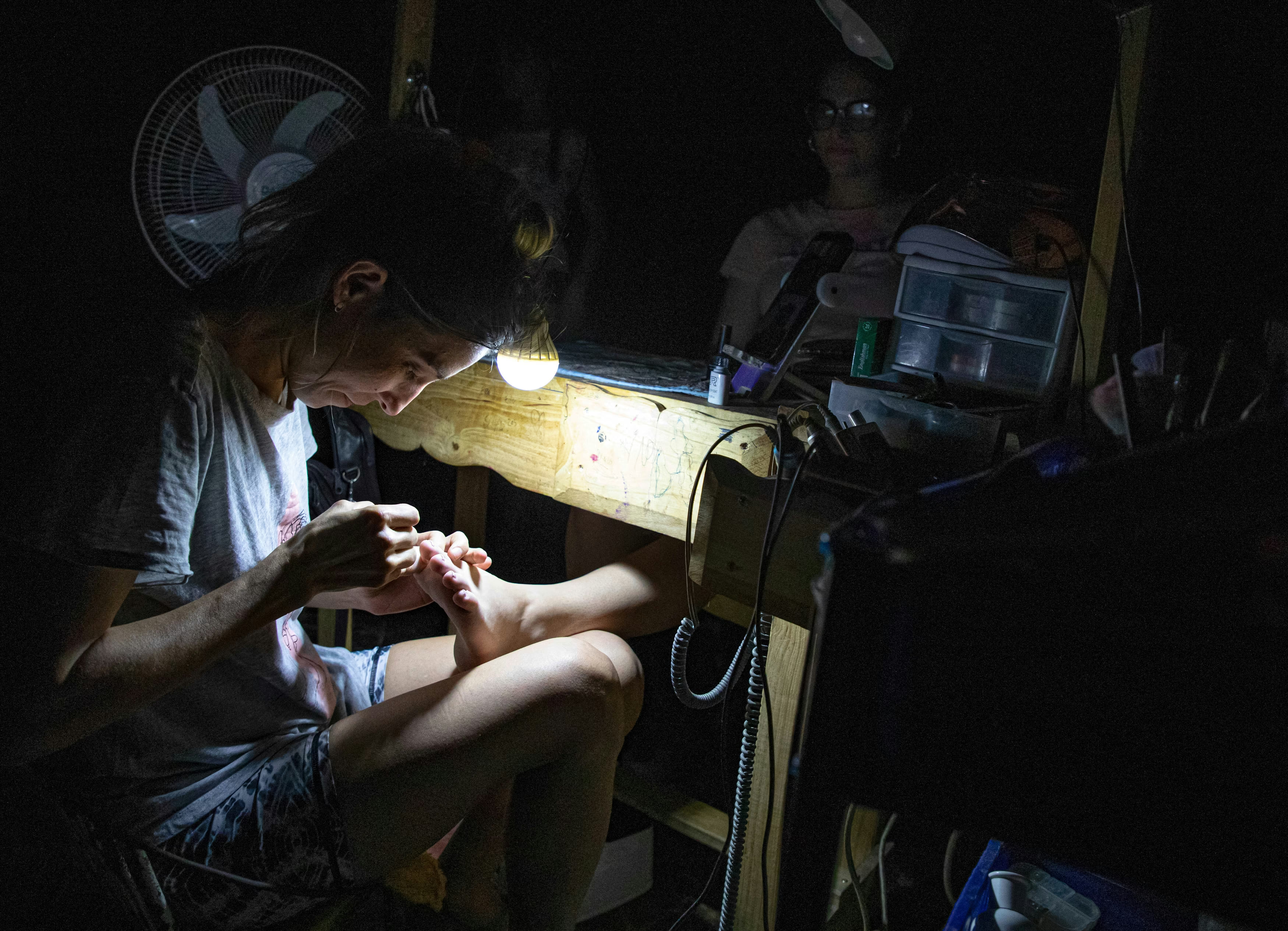
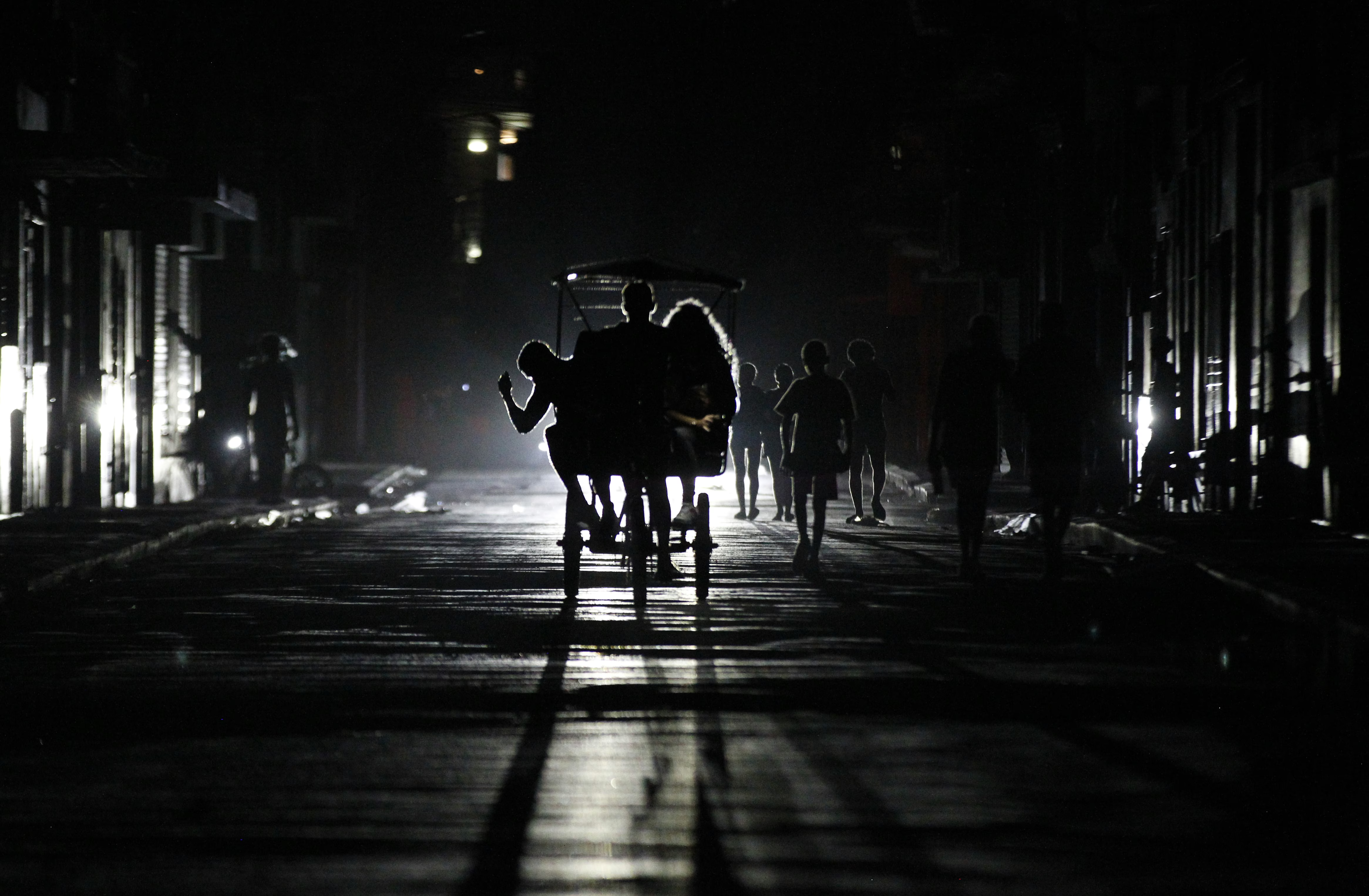
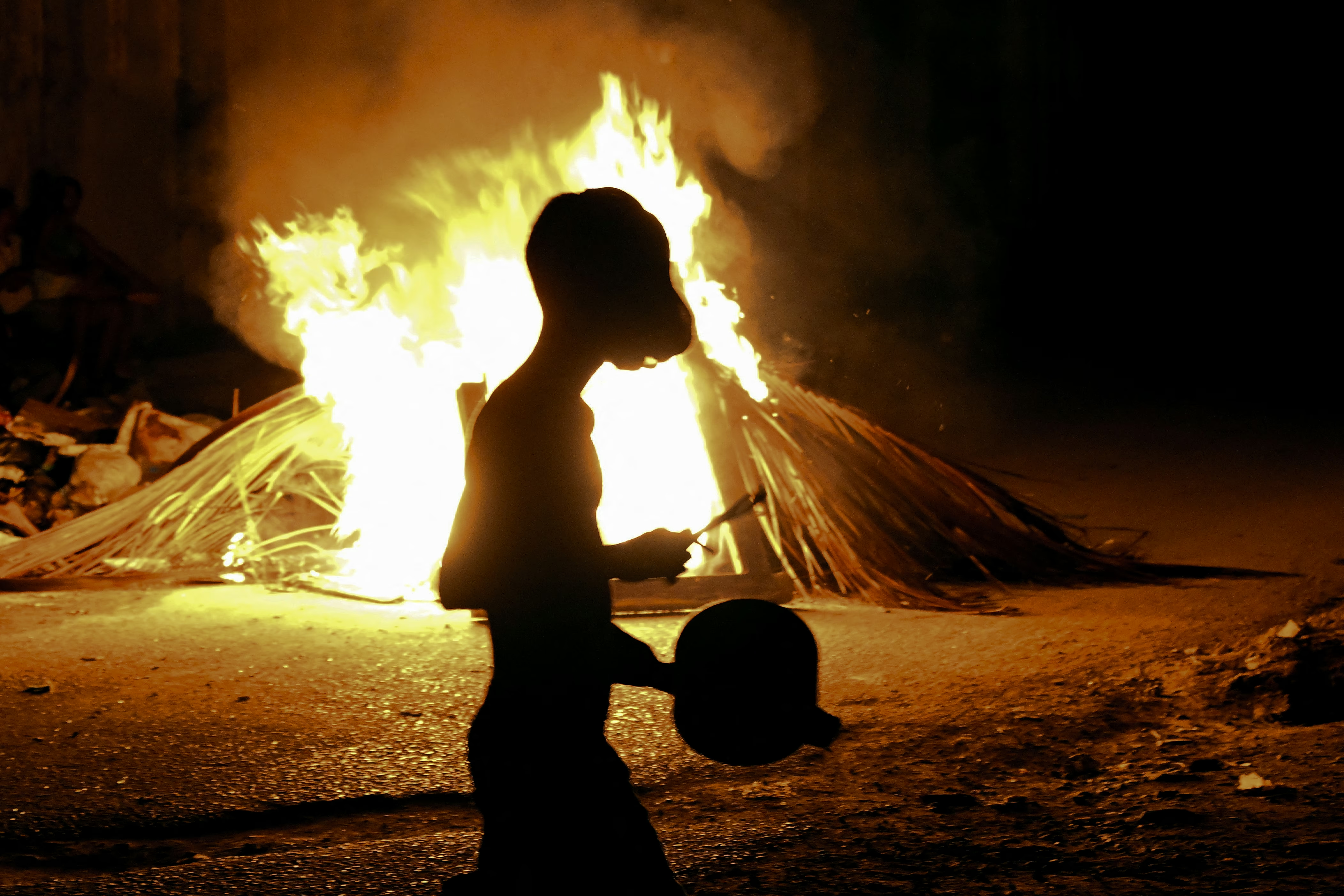
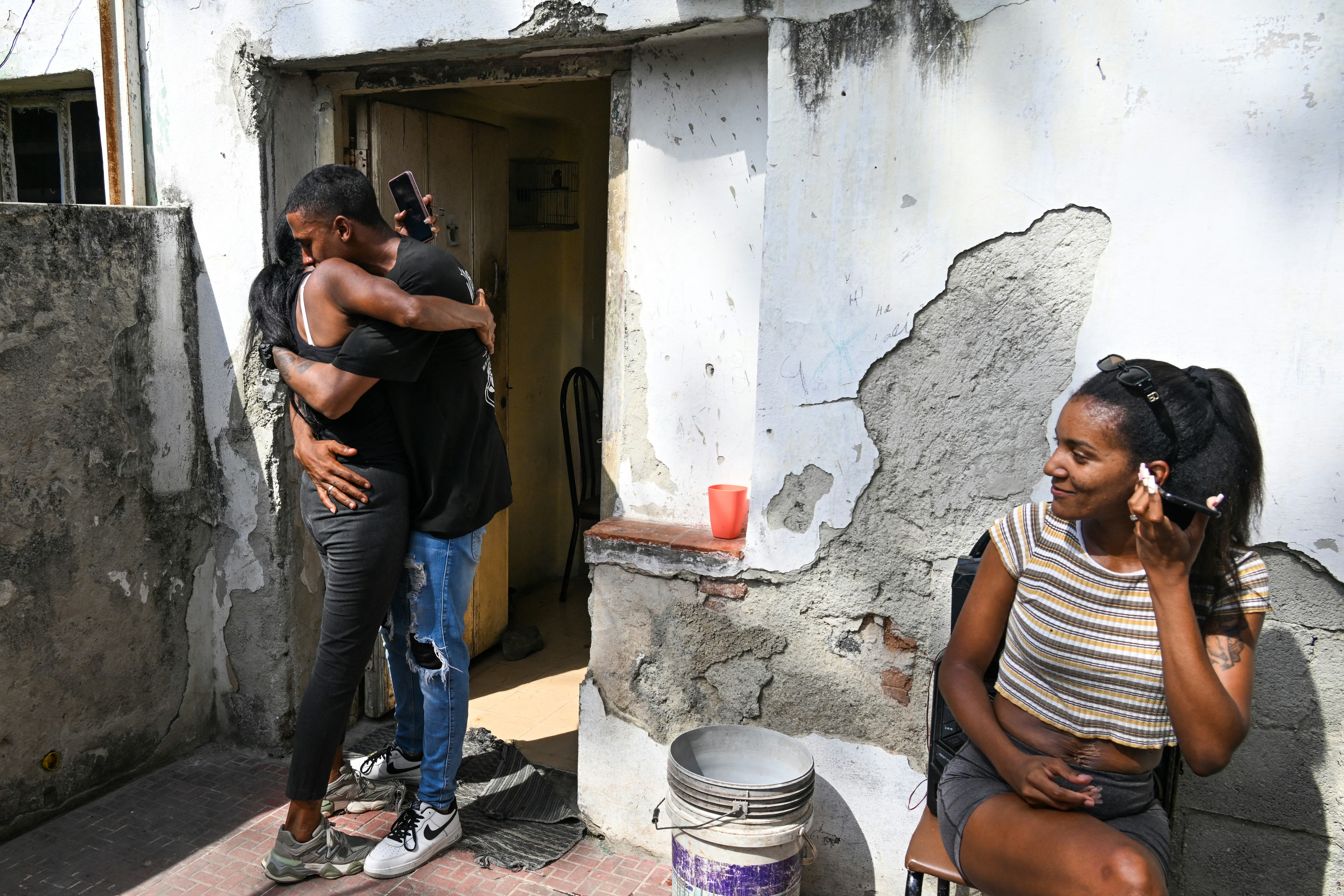
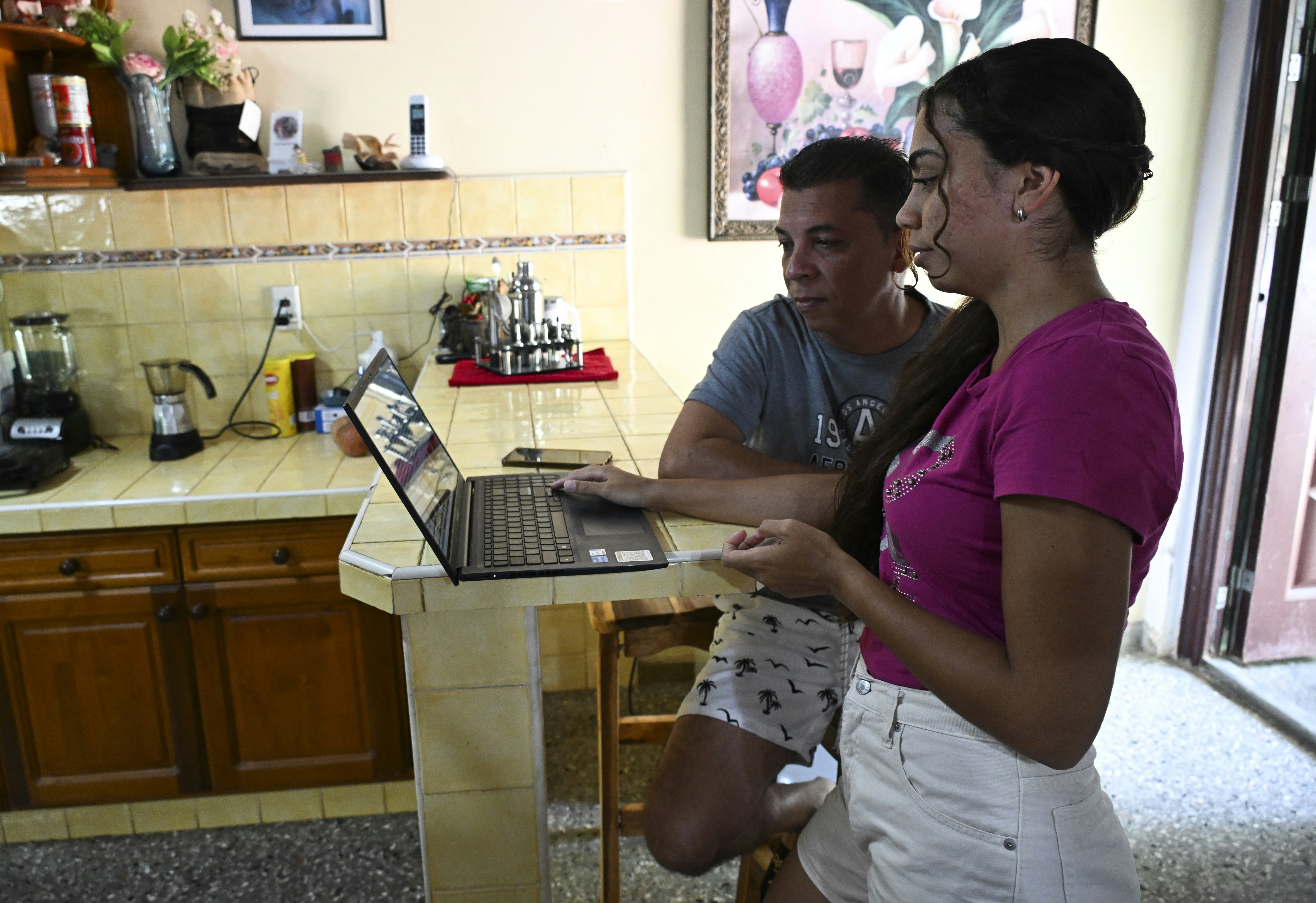
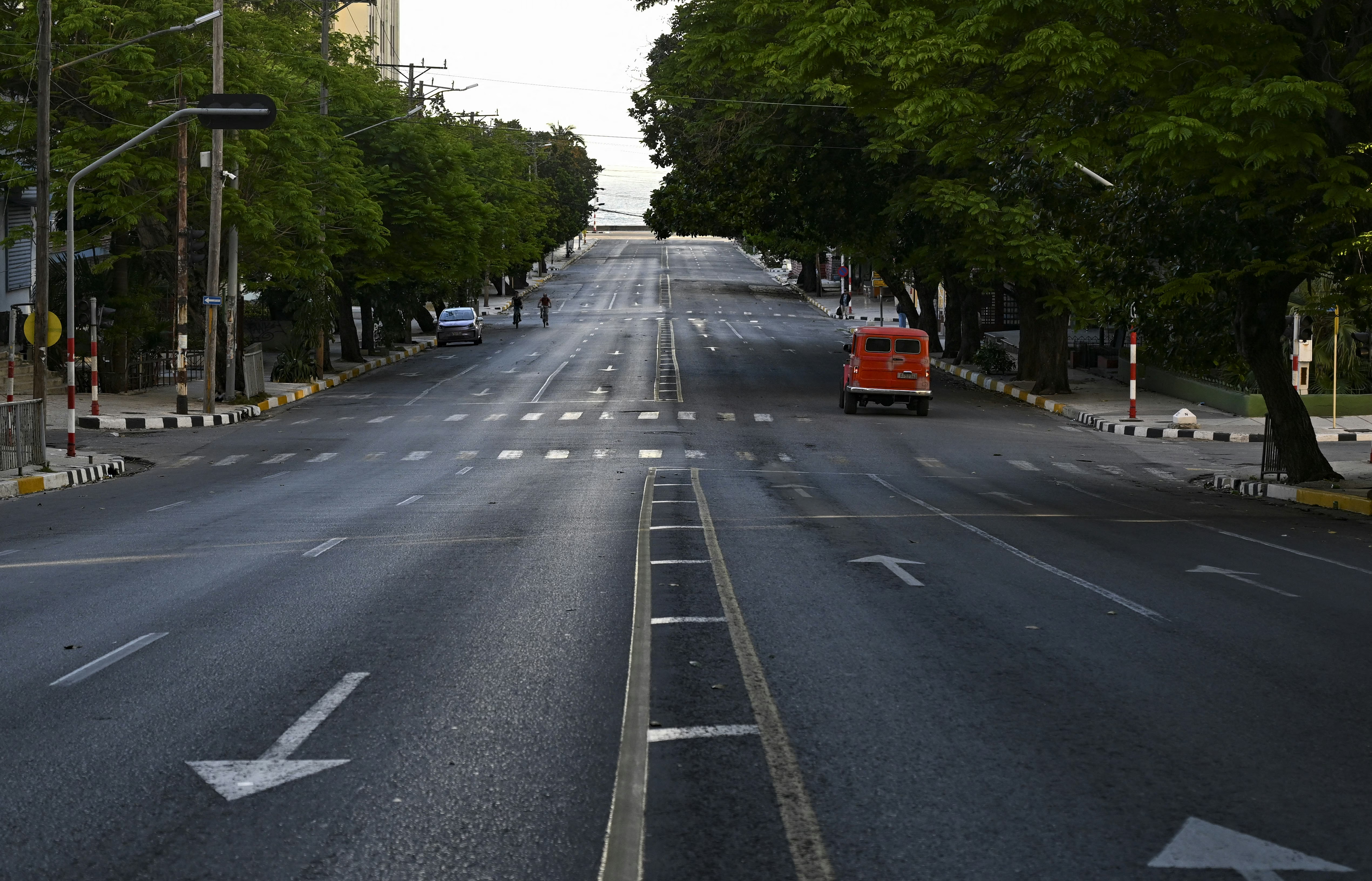
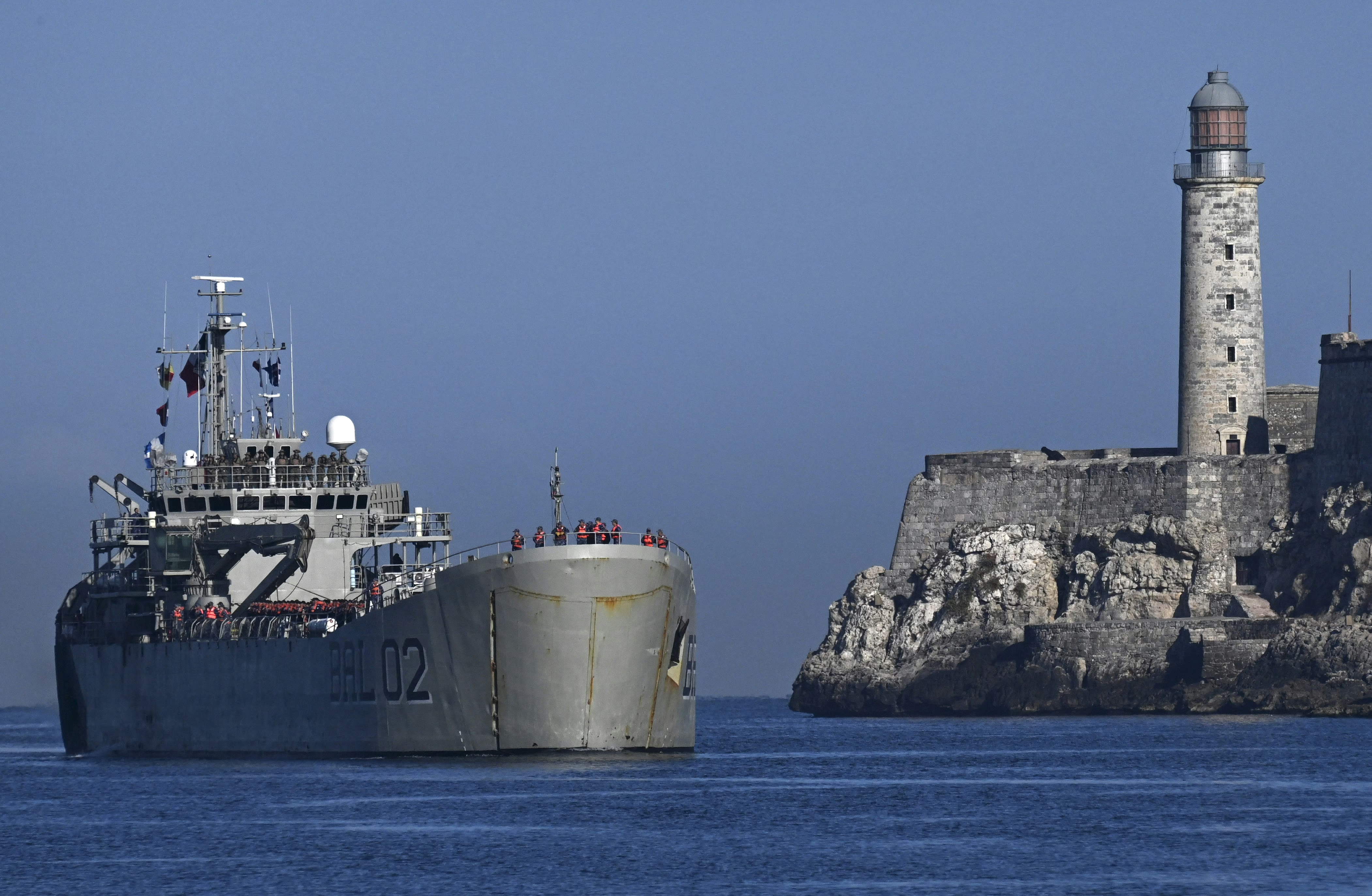
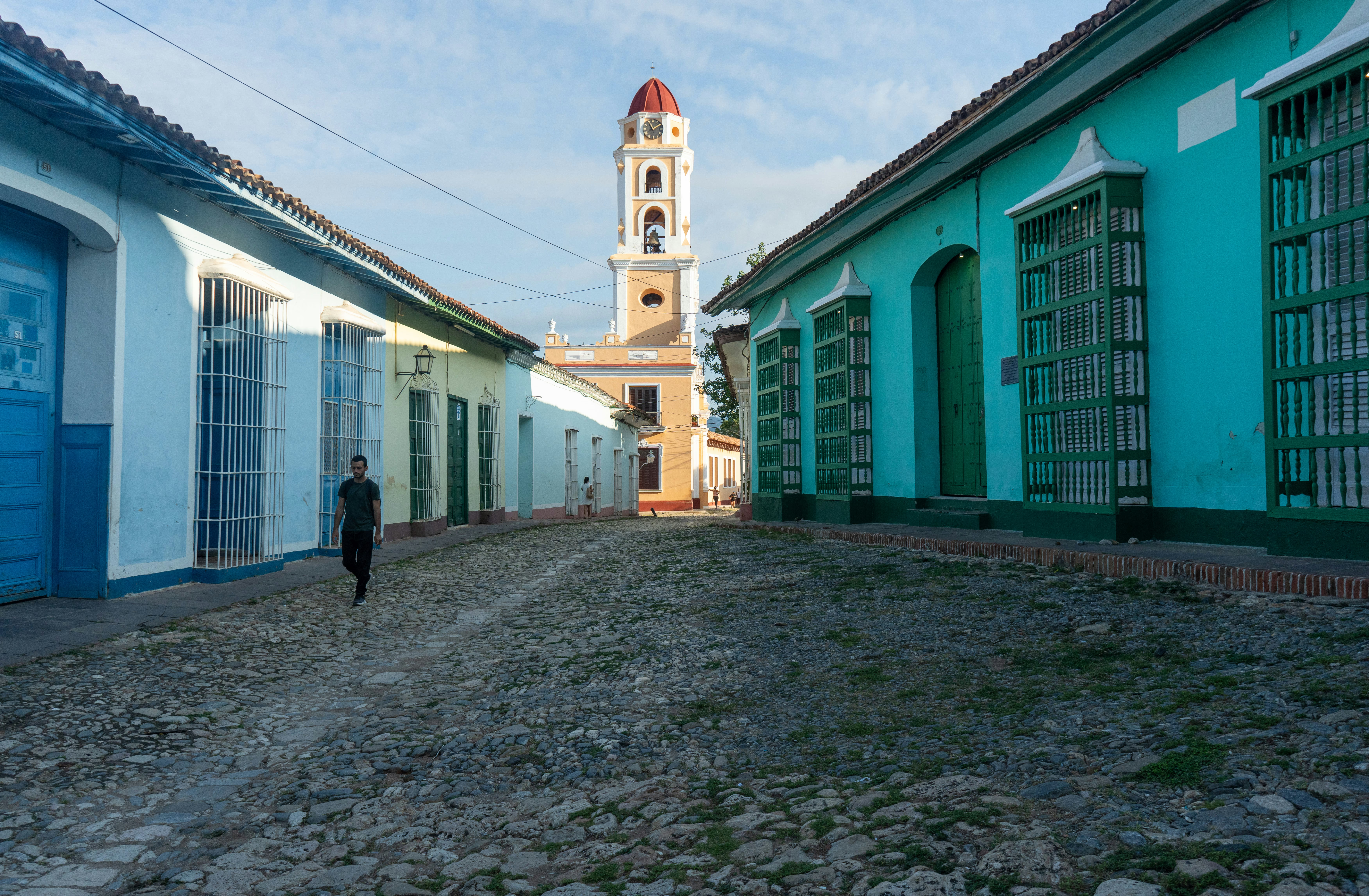
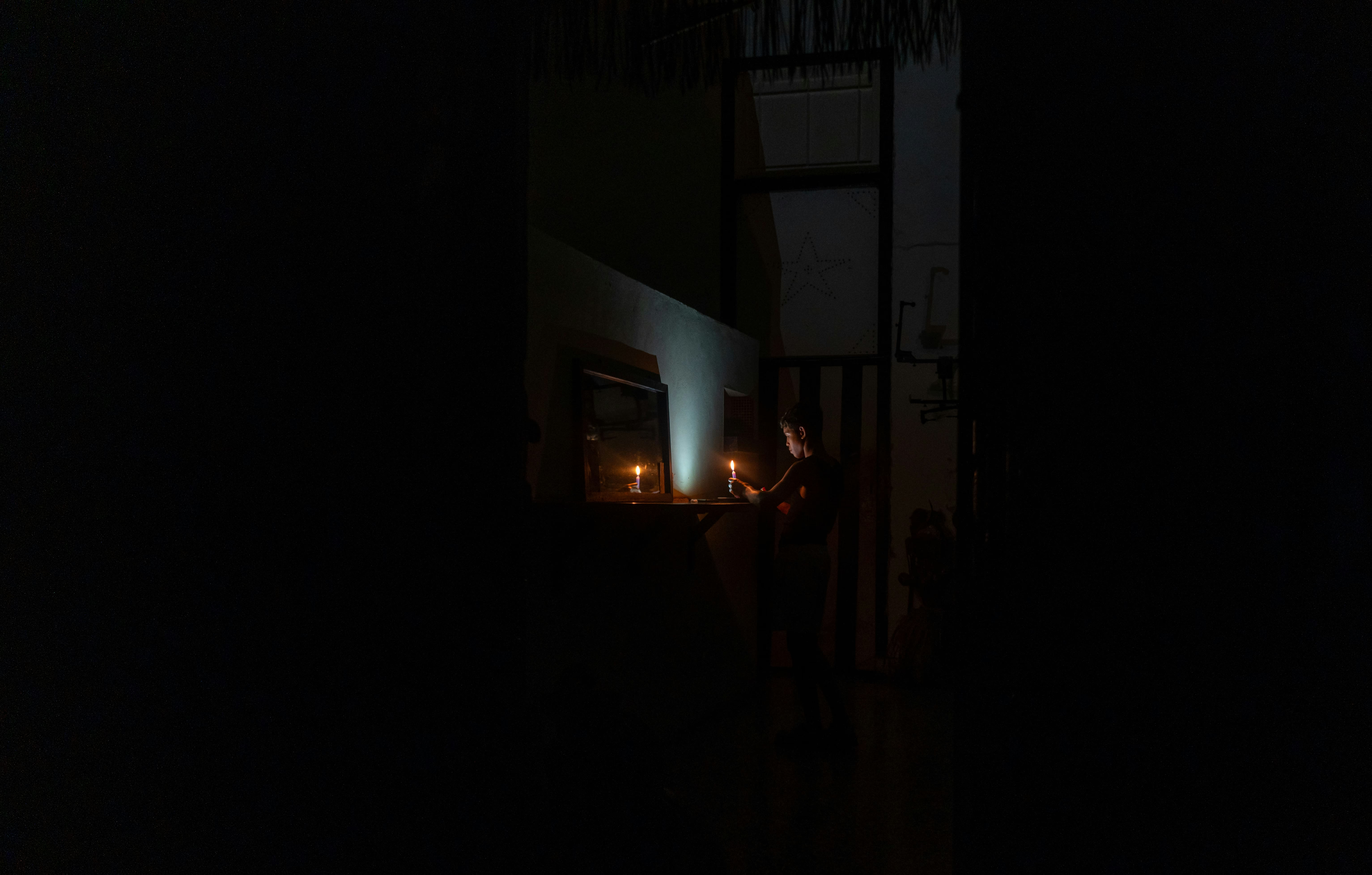
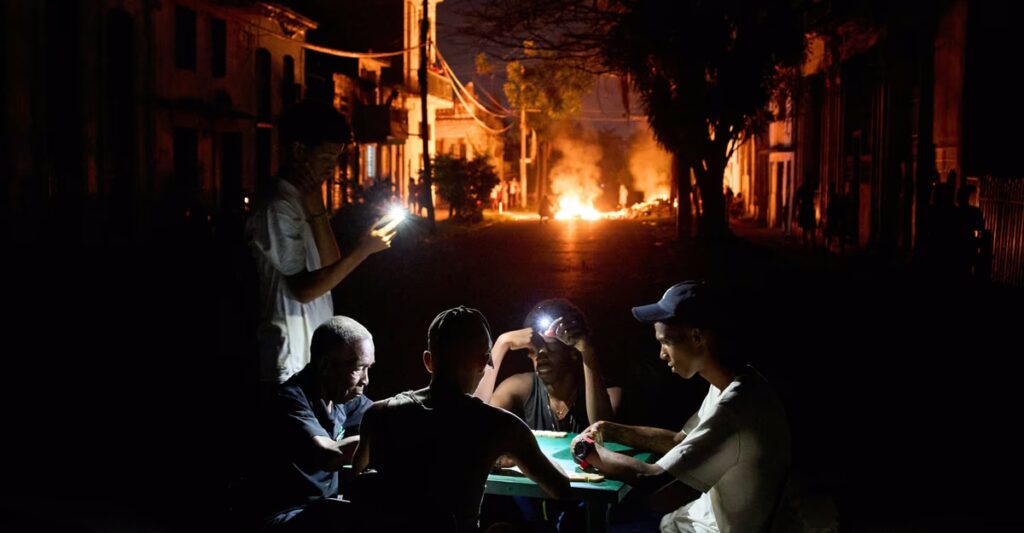
Ramon Espinosa / APPeople illuminate themselves with their phones while playing dominoes as a fire, set up by residents protesting against prolonged power outages, burns on a street in Havana, Cuba, on May 14, 2026. A Cuban energy official said recently that the nation had completely run out of diesel and fuel oil.Adalberto Roque / AFP / GettyA charcoal seller, Elio Galvan, shows his hands as he waits for customers while standing beside a sign advertising his product on a road in Havana on February 6, 2026. Across Cuba, families are scrambling to cope with relentless blackouts and shortages that are worsening under economic pressure from President Donald Trump. Those who can afford it install solar panels, whereas others resort to cooking with coal. The worsening energy crisis is reshaping daily life, pushing people toward starkly unequal solutions.Norlys Perez / ReutersPeople gather around a water tanker truck to fill up buckets and other containers as severe fuel shortages have disrupted water pumping and distribution, in Havana, on March 19, 2026.Yamil Lage / AFP / GettyBuildings seen from Morro Castle during a blackout in Havana on March 16, 2026AFP / GettyA woman prepares a wood fire to cook food during a blackout in Matanzas, Cuba, on April 6, 2026. Matanzas is one of the Cuban cities most affected by electricity shortages, at times going more than 24 hours without power, despite it being home to the Antonio Guiteras Thermoelectric Plant, one of the country’s most important plants.Norlys Perez / ReutersDeysys Fleitas uses a headlamp during a blackout while making the bed and arranging a mosquito net at her home in Palpite, Cienaga de Zapata, Cuba, on April 7, 2026.Yamil Lage / AFP / GettyFirefighters work to put out a fire in a large pile of garbage in Havana during a power outage on March 16, 2026. Fuel shortages have reduced the number of garbage trucks available to pick up refuse.Ramon Espinosa / APPeople with their bicycles and motorcycles cross the Bay Tunnel in a public bus in Havana on April 8, 2026.Yamil Lage / AFP / GettyA man cooks with firewood during a blackout in Havana on May 13, 2026.Yamil Lage / AFP / GettyA man pushes his cart past an empty gas station in Havana on February 19, 2026. Faced with a severe energy crisis exacerbated by U.S. sanctions, private companies in Cuba were attempting to import fuel after the island’s government agreed to end its monopoly on the sector.AFP / GettySolar-panel specialists install panels on the rooftop of a multifamily building in Matanzas, Cuba, on April 13, 2026.Norlys Perez / ReutersA Cuban mechanic, Juan Carlos Pino, puts charcoal into the fuel tank to power his modified 1980 Polish‑built Polski car, adapted to run on charcoal, a cheaper and more abundant alternative to gasoline, in Aguacate, Cuba, on March 16, 2026.Yamil Lage / AFP / GettyA family watches the sunset in Havana on February 19, 2026.Adalberto Roque / AFP / GettyPeople celebrate at a party illuminated with portable lights during a blackout in Havana on March 4, 2026.AFP / GettyA self-employed worker paints a customer’s nails by the light of rechargeable lamps during a blackout in Matanzas, Cuba, on April 6, 2026.Angelo Mastrascusa / Anadolu / GettyPeople ride a pedal taxi during a blackout in Havana on March 21, 2026.Yamil Lage / AFP / GettyA man bangs a pot while walking past a fire set during a protest against the lack of energy in the Lawton neighborhood in Havana on May 14, 2026. Cuban authorities blamed the United States for the “particularly tense” situation in its electricity grid after the country’s east was hit by another widespread power cut on May 14. When the Atlantic reporter Gisela Salim-Peyer recently spoke with Cubans, they told her that they wanted to set the record straight: “The anger they feel toward Trump, they told me, was not as fervent as the anger they feel toward their own government.”Yamil Lage / AFP / GettyA Cuban prisoner, Adael Leyva Díaz (center), hugs his mother, Ivon Díaz, after being released in the Santa Amalia neighborhood in Havana on March 13, 2026. Cuba confirmed that it was holding talks with the United States on March 13, 2026, while it began releasing political prisoners as part of an agreement with the Vatican, the historic mediator between the two countries. Leyva Díaz had been arrested during anti-government protests that rocked the island in 2021.Yamil Lage / AFP / GettyShalia Garcia, an industrial-design student, studies with her father at their home in Havana on April 30, 2026. Since February 2026, the fuel crisis in Cuba has left universities without in-person classes. Today, practical degrees such as architecture and design are surviving amid blackouts, shortages, and slashed programs. But training has become so fragmented that an entire generation fears they are being left professionally half-formed.Yamil Lage / AFP / GettyA view of an almost-empty street, seen during a nationwide blackout in Havana on March 22, 2026.Yamil Lage / AFP / GettyThe Mexican navy ship Isla Holbox was one of two ships that arrived in Havana Bay with humanitarian aid on February 12, 2026.Yamil Lage / AFP / GettyA mechanic repairs a flat tire on a cycle rickshaw at his workshop in Havana, on February 13, 2026. The fuel crisis in Cuba is forcing many workers who depend on driving every day to abandon gasoline cars and turn to electric tricycles and bicycle taxis as more accessible alternatives.Magdalena Chodownik / Anadolu / GettyAn empty street in the tourist town of Trinidad, now struggling because of a significant decline in visitors that has left many residents who rely mainly on the tourism industry to face severe economic hardship, on May 7, 2026. The drop in visitor numbers has intensified amid fuel shortages linked to restrictions on oil supplies to Cuba, which are contributing to recurring blackouts and transportation problems across the country.Magdalena Chodownik / Anadolu / GettyA person lights a candle during a blackout in Havana, Cuba, on May 8, 2026.