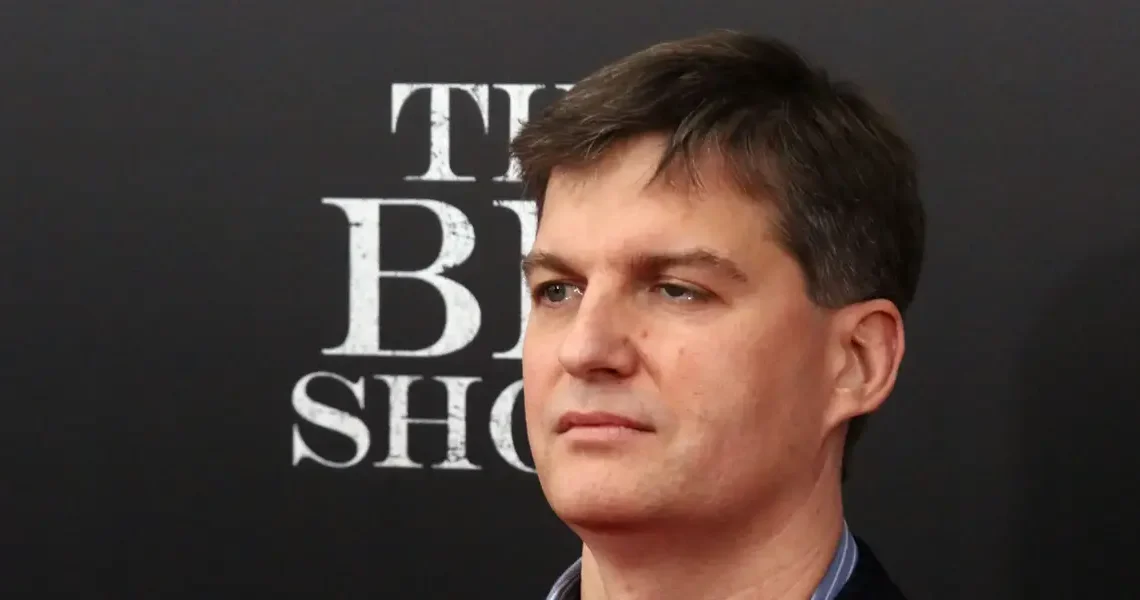
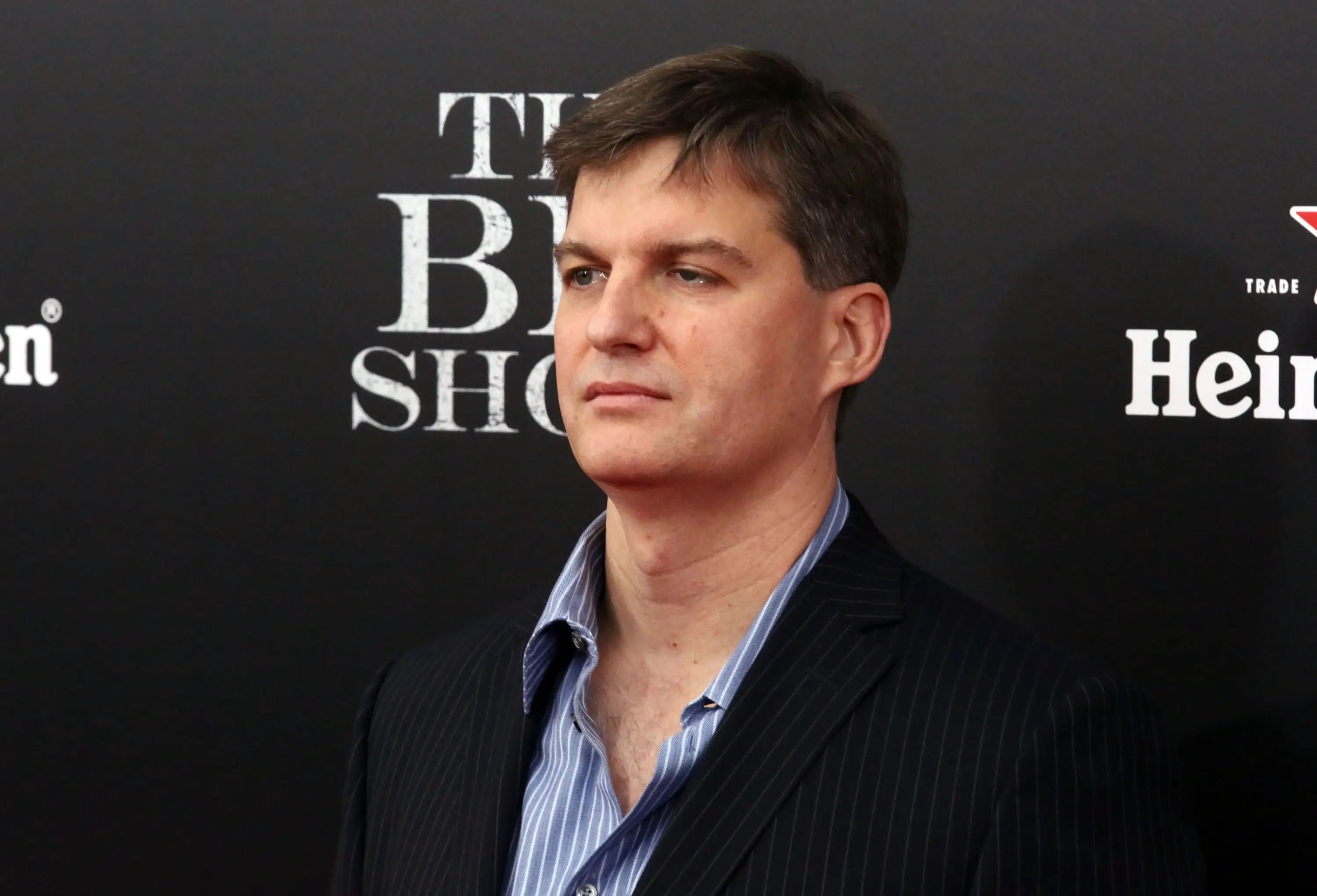
Michael Burry says the AI boom is a dead ringer for the dot-com bubble.
The investor of “The Big Short” dissected the two periods in a Substack post and discussion thread this week. He also cast doubt on whether AI will live up to its heady billing.
“History is not a perfect guide, but I see so many indicators both technical and fundamental lining up for the same conclusion,” Burry told his subscribers on Substack Chat.
“1999 went where no market had gone before, and I would say so can this one,” he continued. “It is already there on a number of indicators.”
Burry — who shot to fame after his prescient bet on a housing crash was chronicled in the book and movie “The Big Short” — wrote in his Substack post that he’d purchased more shares of Adobe, PayPal, and Lululemon.
“These stocks are part of the mass whale fall happening away from the main spectacle,” he wrote. “In 1999 this happened too. The old economy and international stuff just got ditched in favor of the All-American bubble.”
Burry then laid out how AI is absorbing huge amounts of early-stage capital and debt issuance. He cited Apollo’s Torsten Slok, who wrote in a recent note that 87% of venture capital funding has flowed into AI this year, whereas that figure was less than 40% for internet companies in 1999.
The value investor, who pivoted from running a hedge fund to writing on Substack late last year, also noted that a similar proportion of junk-bond issuance is linked to AI as was related to the tech, media, and telecom industries in 2000.
“High yield debt at 38% today vs 40%-50% back then belies the idea that today’s AI debt issuance is cleaner, backed by more profitable companies today,” Burry wrote.
“It is just an asset bubble, plain and simple,” he added.
Burry dismissed claims that the AI boom isn’t like the dot-com bubble because far more of the companies being funded today are profitable.
“We should remember VCs are funding loss-make companies like never before in history, and much more than in 1999,” he wrote.
“When people talk about loss-making dotcoms, not only are they ignoring the fact that the biggest cash flow machines of the time — telecom and cable companies — were part of the bubble, but they also ignore that this time there are far more loss-making companies losing far more money, only they haven’t gone public,” he said.
In posts on his subscriber chat, Burry wrote that several “boy wonders” have made bank in the AI era using options and leverage, echoing the overnight fortunes of the late 1990s and early 2000s.
He pointed out that just like the current data-center rush, the turn of the millennium saw broad calls for a global infrastructure buildout to support the World Wide Web.
Moreover, Burry flagged recent studies finding that AI has “very little utility” for enterprises and that there are “many abandoned AI projects already.”
He questioned whether enterprise demand for AI will surge in the years ahead, or cool due to “recession/war/business cycles/annual reviews for budget decisions in a more sane, post-AI FOMO environment?”
Burry added that consumers “have shown no willingness to be significant sources of revenue for AI products,” as they’re able to use large language models (LLMs) like ChatGPT for virtually everything they want to do, for “free or close to it.”
He struck a similarly dire tone in a Substack post earlier this month, in which he warned the AI boom was shaping up to end in a similarly disastrous fashion to the dot-com bubble.
“The market has jumped the shark,” he wrote. “The end of…this…is nigh.
“This, all of it, is the scene of the bloody car crash, minutes before it happens,” Burry added.
Read the original article on Business Insider
The post ‘Big Short’ investor Michael Burry says the AI boom is a dead ringer for the dot-com bubble appeared first on Business Insider.