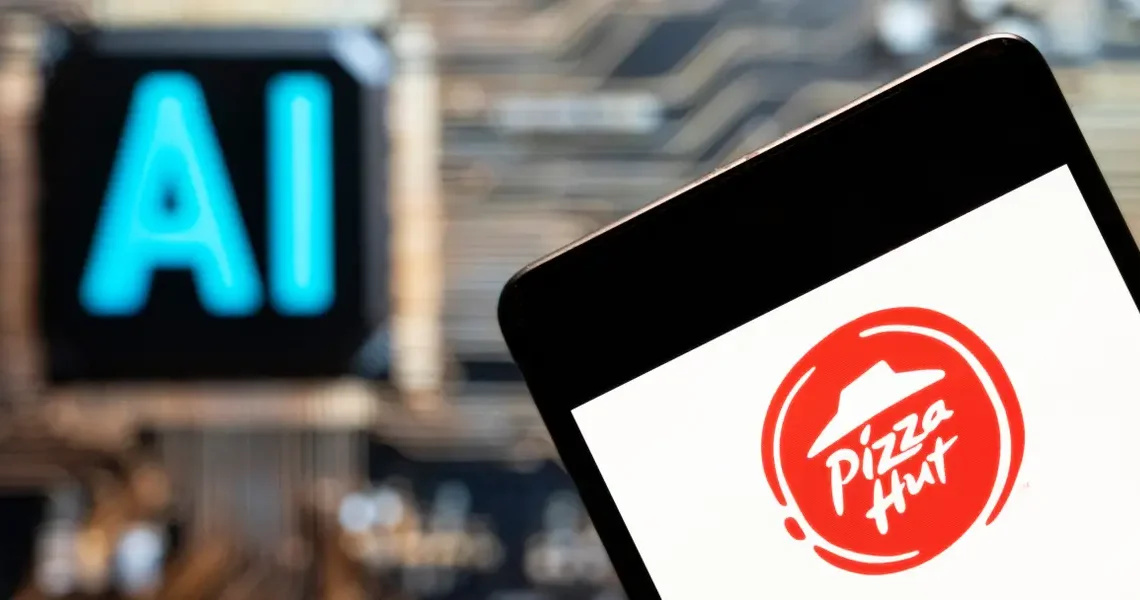
A top Pizza Hut franchisee says the chain’s rollout of an AI-powered delivery system turned once-speedy pizza orders into a cold, late-arriving mess — and cratered a business that had been outperforming nearly every other operator in the system.
In a lawsuit filed on May 6 in Texas Business Court, franchisee Chaac Pizza Northeast accused Pizza Hut of forcing stores to adopt Dragontail, a delivery-management platform that Pizza Hut described as using artificial intelligence to “optimize” food delivery, despite what the suit calls obvious incompatibilities with Chaac’s business model.
Chaac, which operates about 111 Pizza Hut restaurants across New York, New Jersey, Maryland, Washington, DC, and Pennsylvania, alleges the system caused “cascading operational breakdowns and customer dissatisfaction” after it gave DoorDash drivers real-time visibility into kitchen workflows and order timing.
The franchisee says the fallout exceeded $100 million in lost business and enterprise value.
Before Dragontail’s rollout, Chaac says more than 90% of its pizza deliveries arrived within 30 minutes, and the company consistently posted double-digit sales growth and guest-satisfaction scores above system averages. After Pizza Hut rolled out Dragontail in 2024, the franchisee says delivery performance sharply deteriorated.
The complaint says DoorDash drivers began waiting to batch multiple orders together after gaining virtual visibility into kitchen systems, allowing them to see when pizzas would come out of the oven.
Instead of immediately leaving with a completed order, the suit claims drivers waited “up to fifteen (15) minutes” for additional deliveries, increasing the time between when a pizza is removed from the oven rack and when it leaves the building to be delivered. That delay slowed deliveries, disappointed customers, and caused a sharp drop in sales, the suit says.
The lawsuit also alleges Dashers could see tip amounts and whether orders were cash payments, making some drivers less likely to accept certain deliveries.
“With the intention to improve efficiency and service to the customer, Dragontail did the exact opposite,” the suit says. “It caused significant delays and pummeled consumer satisfaction.”
Chaac alleges Pizza Hut failed to adequately train operators on the system, refused requests for support, and ignored worsening delivery metrics after sales began plunging in key markets. In New York City, the franchisee says year-over-year sales growth swung from positive 10.19% to negative 9.78% after the rollout.
The lawsuit argues Pizza Hut breached its franchise agreement by mandating continued use of the software while failing to exercise “reasonable business judgment” or modify the system to accommodate Chaac’s reliance on DoorDash drivers.
Chaac is seeking more than $100 million in damages, plus attorneys’ fees and other relief.
In a statement emailed to Business Insider, a Pizza Hut spokesperson said the company was reviewing the lawsuit’s claims and would respond “through the appropriate legal channels” but declined to comment further.
Representatives for DoorDash and attorneys for Chaac did not immediately respond to requests for comment from Business Insider.
The lawsuit lands as Pizza Hut faces broader pressure across its US business. The chain’s parent company, Yum! Brands, said last year it was exploring strategic options for the struggling brand — including a possible sale — after Pizza Hut posted multiple consecutive quarters of declining same-store sales.
In a February earnings call, Yum! Brands announced plans to shutter 250 Pizza Hut locations in the US in the first half of the year.
Executives have said the brand has struggled to compete in an increasingly crowded market, where rivals such as Domino’s Pizza and Little Caesars have leaned heavily into low-cost deals and delivery partnerships.
Read the original article on Business Insider
The post Pizza Hut’s AI system caused ‘cascading’ problems and $100M in damages, franchisee alleges in new suit appeared first on Business Insider.