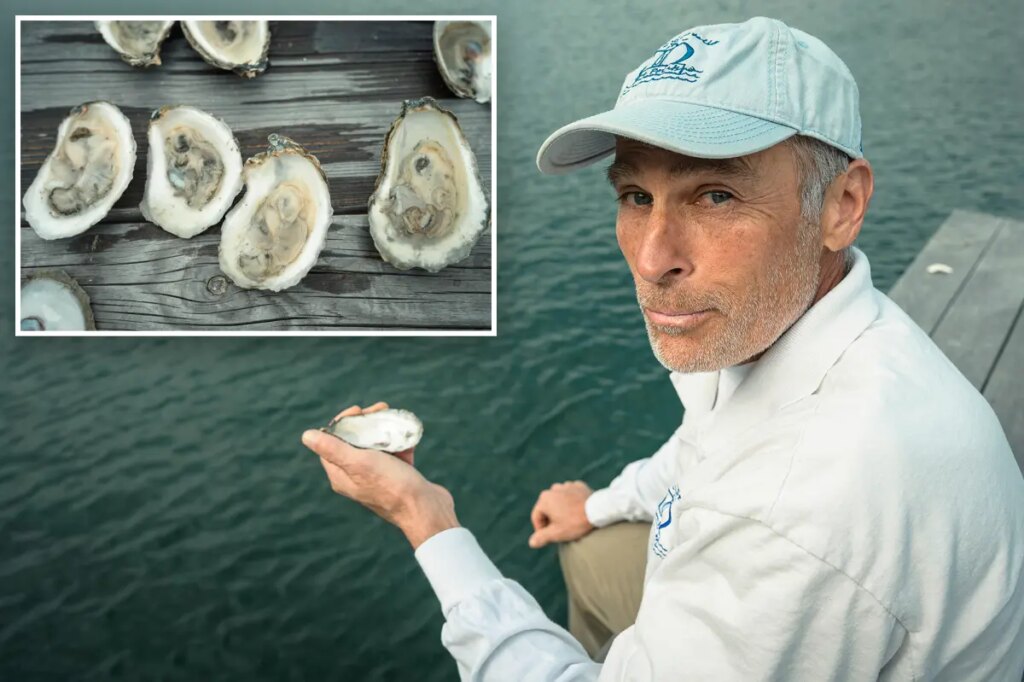
It’s salt water in the wound.
Oyster growers on Long Island just can’t catch a break this season, now battling bad publicity from a recent warning about dangerous waterborne bacteria that was erroneously associated with the local industry — after already suffering massive crop losses from the brutal winter.
“There’s a couple I know that goes out to dinner three to four nights a week and always starts with a dozen oysters,” said Phil Mastrangelo, co-owner of Orient-based Oysterponds Shellfish Co., to The Post.
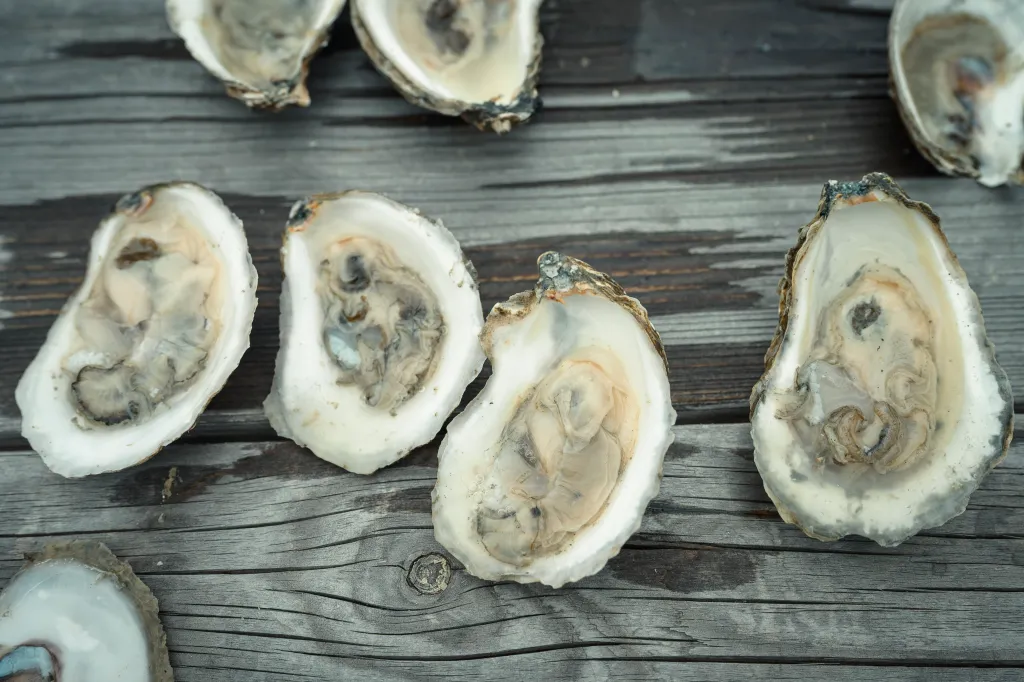
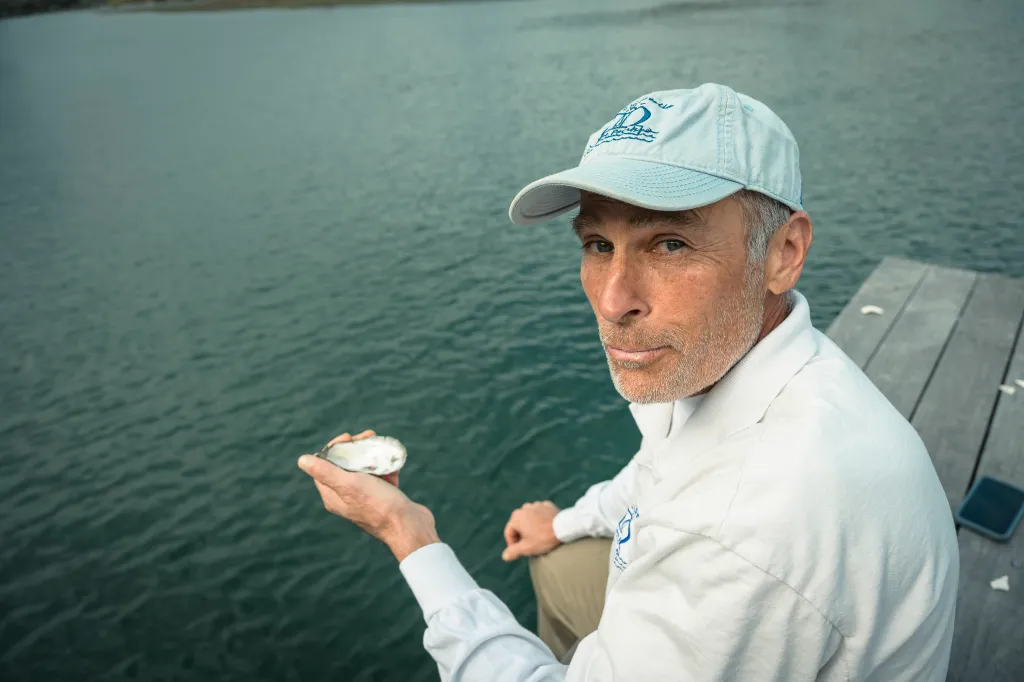
“That’s now become a Caesar salad because they’re worried about their skin falling off,” he said, referring to the bacteria scare.
A report in April said vibrio vulnificus, a bacterium that can be fatal and rapidly destroy flesh if it enters an open wound, was present in ponds and waterbodies across Suffolk County. Vibrio was previously found in the Long Island Sound and caused three deaths in 2023.
The bacteria can infect oysters, but it very rarely seriously affects people through consumption — and in any case, it was found in local waters far from where the region’s oysters are grown for human consumption, experts said.
Yet even though the infected locations were far from the area’s heavily state-regulated oyster farms, and Suffolk County confirmed there are no active cases of the bacteria infecting people, the damage was already done to the reputation of the island’s local shellfish.
Mastrangelo said a similar warning in 2024 hurt local oyster sales by 34% over six months, and he fears a comparable drop-off is on the horizon.
“We never saw a rebound from that two years ago,” he said.
As it is, Long Island growers collectively suffered an estimated $2.3M in equipment damage from ice and freezing during the recent “worst winter of the century.”
The brutal weather killed on average about 33% of the crop at nearby farms.
“The timing of everything now couldn’t be any worse,” Mastrangelo said of growers trying to rebound from the harsh losses.
“I’ve had to start distributing in other states like Massachusetts and also Philadelphia.”
Stony Brook University’s Dr. Christopher Gobler, who issued the Vibrio report last month, agreed that the Long Island’s oysters “are grown in the cleanest waters in New York state.
“These oyster growers work really hard and have a great product,” said Gobler, an ecologist in the university’s School of Marine and Atmospheric Sciences, to The Post.
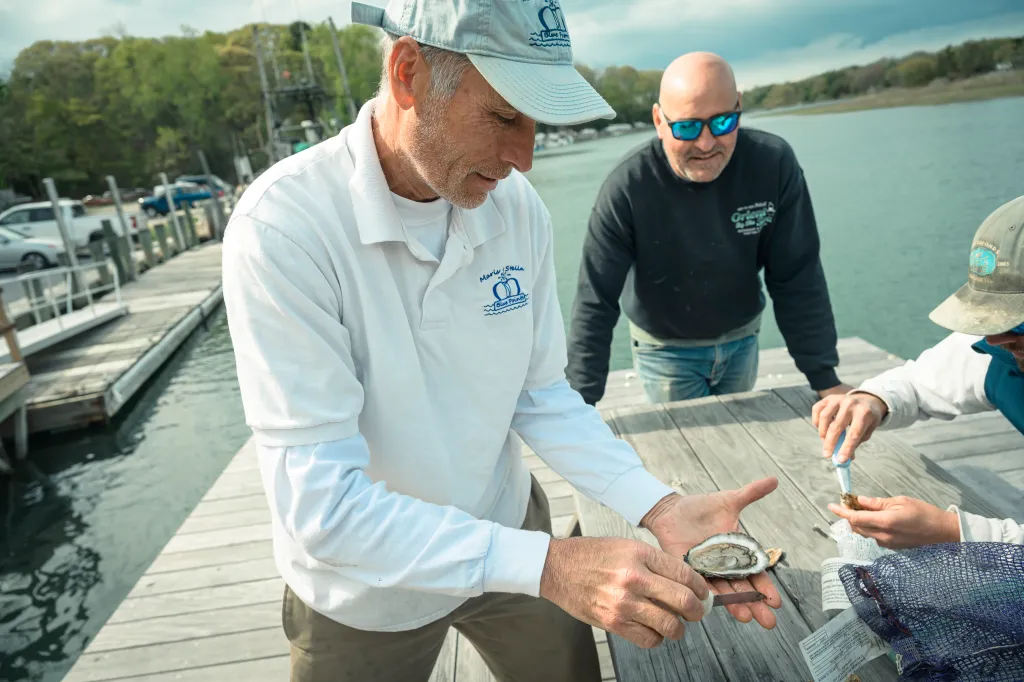
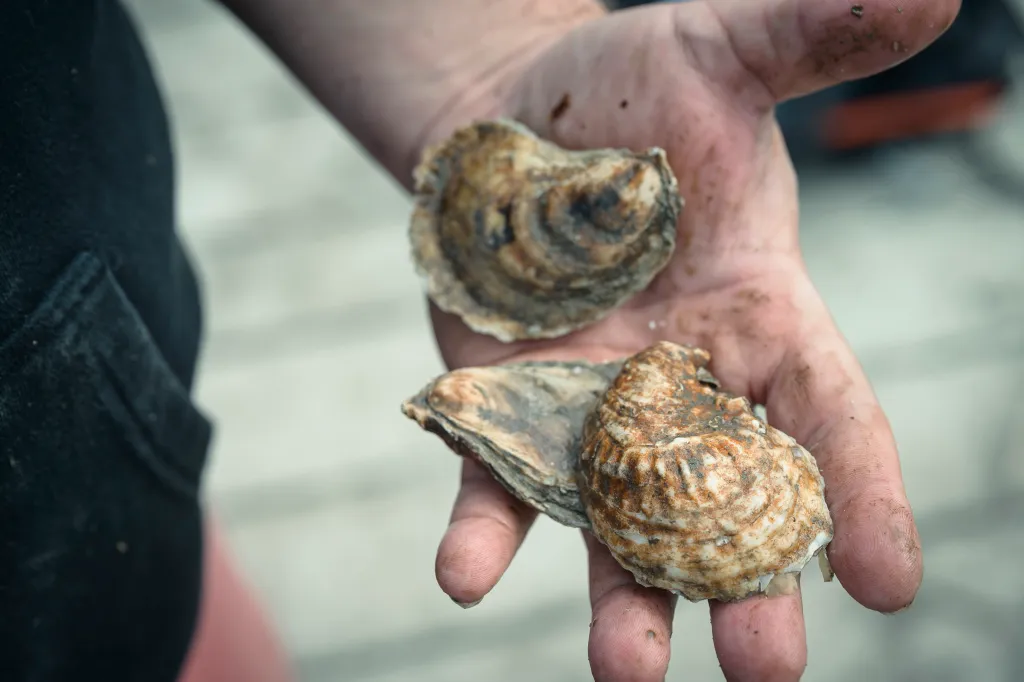
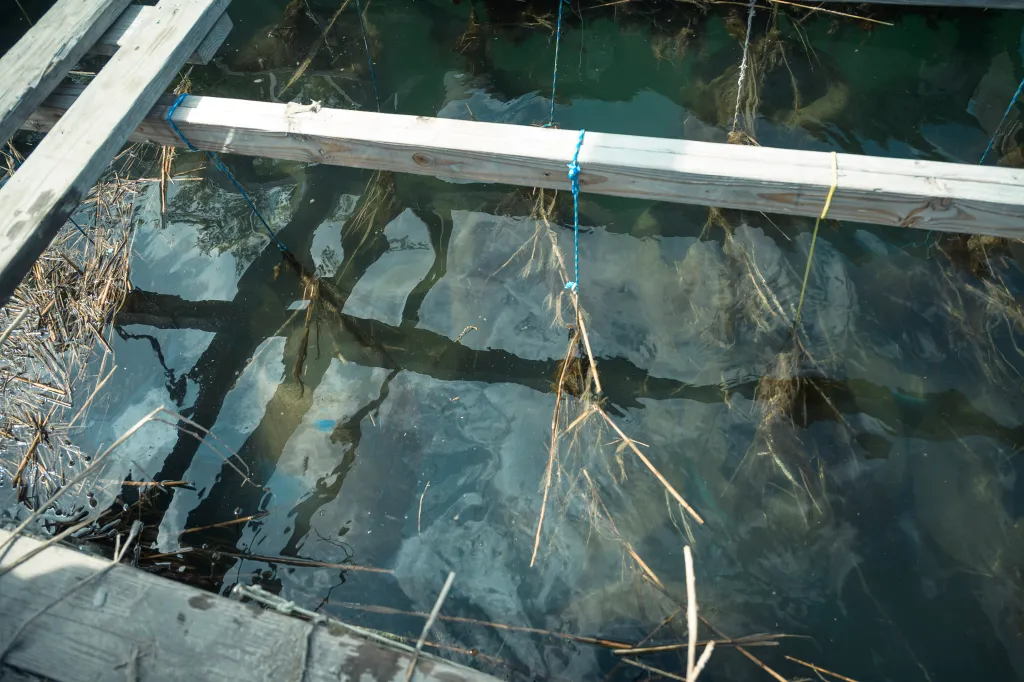
Sixto Portilla of Long Island’s Maris Stella Oysters noted that regionally, “The water is tested every week.”
Unwarranted fears are getting so out of hand that Suffolk County Executive Ed Romaine recently emphasized protecting and promoting the island’s “vital economic asset.
“Long Island oysters are the best in the country, and they will only get better,” he said.
Gobbler’s report said Vibrio had recently spread to Sagaponack Pond, Mecox Bay and Georgica Pond on the South Fork.
The Gulf of America’s originating bacteria have reached the northeast due to a combination of nitrogen runoff, algae blooms and climate change.
He assured that common sense is the best life-saving practice, noting that “you’re 50 times more likely to drown” than contract the bacteria in the region.
Still, Gobler advised that those with open wounds or who are immunocompromised should avoid the water.
“This is probably a one in 10 million outcome of people dying from this bacteria,” he said. “If you’ve swam in the water, you’ve likely bumped into this bacteria just by virtue of a numbers game.”
The post LI oyster growers shelled again — this time by warning of killer bacteria in water appeared first on New York Post.