The energy crisis engulfing the global economy will not end until the Strait of Hormuz, the narrow waterway off Iran’s southern coast, reopens to traffic, the head of the International Energy Agency said this week.
And even then, the path ahead would remain deeply uncertain.
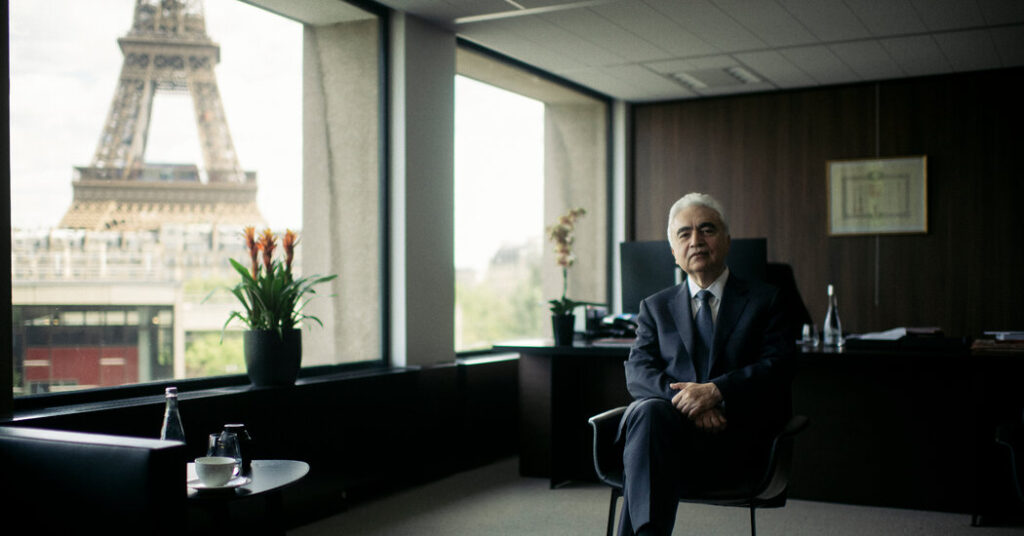
Fatih Birol, the I.E.A.’s executive director and one of the world’s top energy economists, said that global efforts to mitigate the pain caused by the severe disruption to the production and export of oil and gas from the Middle East might not prevent conditions from worsening. The interruption in energy is also having significant knock-on effects in global agriculture, in which the rising cost of fertilizers could push up food prices into the future, he said.
“The single most important solution to this problem today is fully and unconditionally opening up of the Strait of Hormuz,” Mr. Birol said on Tuesday in an interview in Paris with The New York Times. But, right now, “we are far from having this situation, and so, the economic damage is still in the making.”
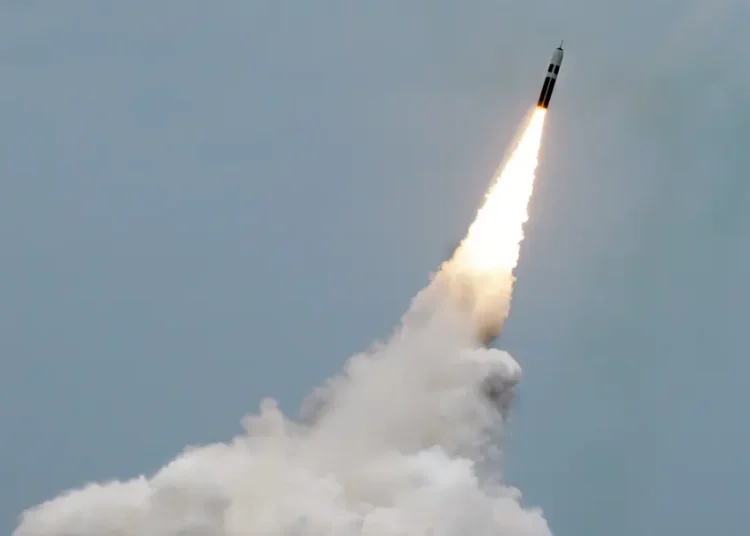
For weeks, Mr. Birol has warned about the broad toll of the war between the United States, Israel and Iran. The I.E.A. has said that the conflict has caused “the largest supply disruption in the history of the global oil market.” On Wednesday, the agency said that oil output from Persian Gulf countries was more than 14 million barrels a day below their prewar levels, which was depleting global inventories at a record pace.
In response to soaring energy prices in the first weeks of the conflict, the agency coordinated the biggest release of oil reserves — 400 million barrels — among its member nations. It could organize the release of more in the future, Mr. Birol said. He added that about 40 countries were also following some of the agency’s suggestions on how to reduce energy demand, including further subsidizing public transportation and encouraging working from home.
The I.E.A., based in Paris, has about 500 employees and is a kind of global energy think tank, largely funded through nations it advises on energy policies. The agency was established as a counter weight to the Organization of the Petroleum Exporting Countries, or OPEC, after the oil shock caused by the 1973-74 Arab oil embargo.
Just as that period changed the global economy, driving many nations to rethink their oil dependencies, today’s conflict is likely to permanently reshape global energy flows and alliances, Mr. Birol said. Many countries are already weighing how to prioritize security of supply and not just price when choosing where to buy fuel. In addition, he said, it would take a long time for exporters in the Middle East to recover from the damage done to the world’s perception of them as reliable suppliers. At the same time, he said he was urging other countries, including Canada, to increase their exports. Others, such as Brazil and Australia, could do so over time, especially if Asian countries look for new suppliers, he added.
“Energy security priorities will dominate energy policies in the next few years,” Mr. Birol said, with countries increasing domestic production as much as possible. That will include renewable energy, but also nuclear and coal production.
In a sign of how the crisis is already realigning the global energy system, Nigeria asked this week to strengthen its ties with the I.E.A. and become a so-called association country, which would mean collaborating on energy security, data and policy with other member nations. It is the first time a member of OPEC, which is dominated by Saudi Arabia, has asked to join the I.E.A.
The agency is also building ties with the United Arab Emirates, which recently left OPEC after nearly six decades of membership. On Wednesday, Mr. Birol said he spoke with Sultan Al Jaber, a minister and head of the state oil company. He said they had discussed “the avenues to build institutional ties” between the U.A.E. and the I.E.A.
On China’s Resilience
Mr. Birol spoke with The Times just before President Trump arrived in Beijing for a delayed state visit. Mr. Trump this week described the cease-fire with Iran as being on “life support.” China, the biggest buyer of Iranian oil, has so far not come to the aid of Iran or offered a plan to reopen the strait.
While many Asian economies depend heavily on oil and gas exports via the strait, Mr. Birol noted that China was in a different, more resilient situation.
More than half of new car sales in China are electric vehicles. “This is not driven by, as some people say, by environmental ambitions,” Mr. Birol said. “This was energy security policy.” The country also has 1.2 billion barrels in oil reserves, the same level as all I.E.A. members combined, he added.
“I very much hope that the summit between the two major economies’ leaders will address this energy security issue for the benefit of, not only for these two countries, but for Asia and beyond,” he added.
On Asia’s Shock
This crisis “is a big wake-up call for Asia,” Mr. Birol said. The region, an engine for the global economy, will have to review its energy strategies after becoming too dependent on exports from the Middle East, he added. Asia buys about 90 percent of the liquefied natural gas that the Middle East produces.
That would likely lead to an increase in coal use, he said, a worrisome development in global efforts to transition away from the fossil fuels propelling climate change.
Mr. Birol also predicted huge growth in the take up of electric cars, which would have major implications for the car manufacturing industry, where Chinese vehicles would further eat into the former domination of Japanese and Korean brands.
On Jet Fuel Shortages
“I still see jet fuel as a serious challenge,” Mr. Birol said this week, having earlier predicted that Europe would run out of jet fuel in six to eight weeks if it couldn’t come up with alternative supplies.
“I wouldn’t be surprised if this reduction of flights” continues and ticket prices go up, he said. “The situation is still dire in terms of jet fuel availability.”
Mark Landler and Patricia Cohen contributed reporting.
Eshe Nelson is a Times reporter based in London, covering economics and business news.
The post An Uncertain World Awaits the Reopening of the Strait of Hormuz appeared first on New York Times.