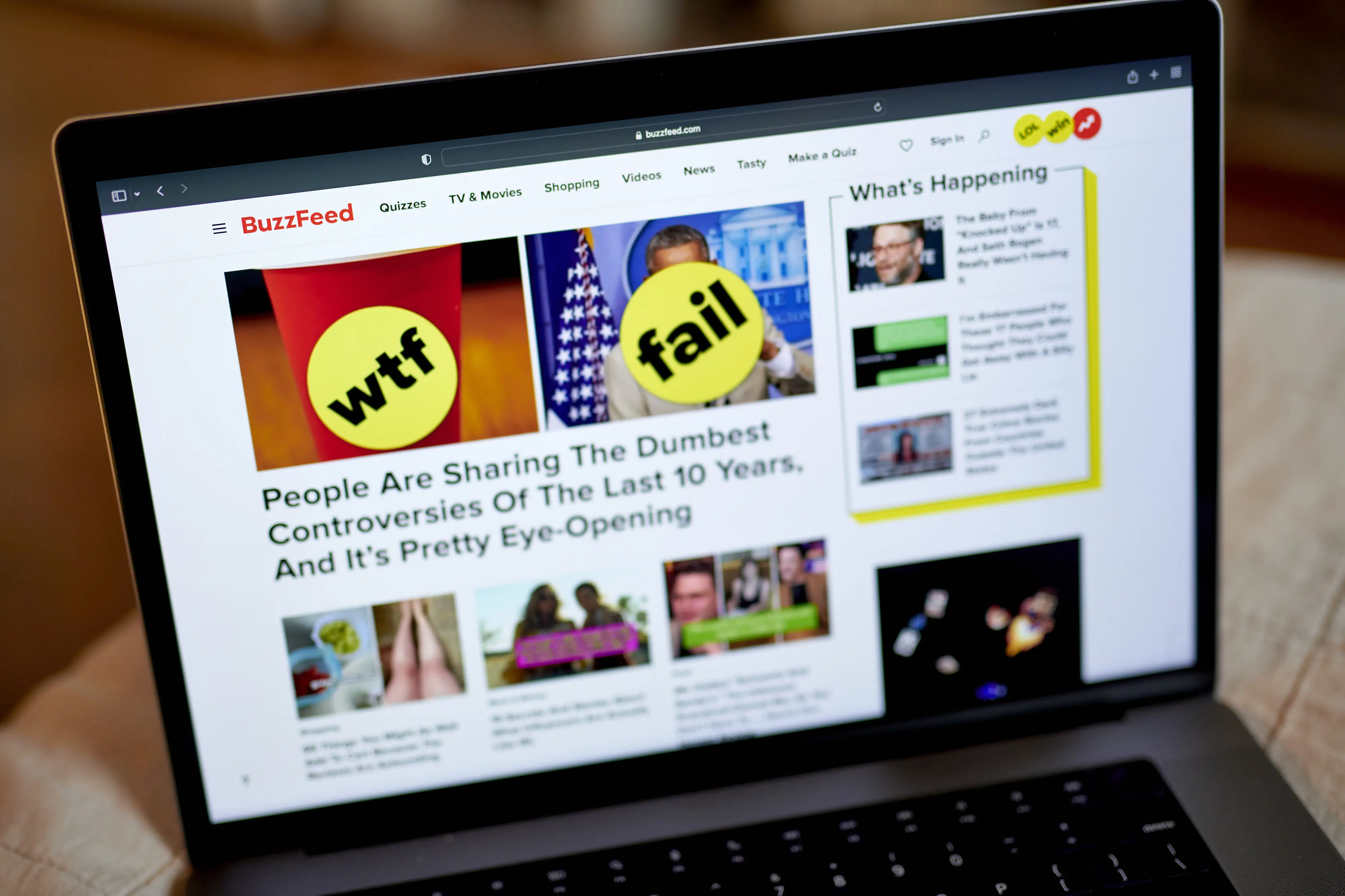
In the past, BuzzFeed was the future of media.
But in 2026, BuzzFeed looks just about done.
In March, the digital publisher told investors it was running out of money and was looking for “strategic options.” On Monday, it announced the option it settled on: It will sell a majority stake to media entrepreneur Byron Allen for $120 million.
We can talk about the deal, slated to close later this month, in a minute.
But first, the requisite big picture: A decade ago, BuzzFeed, along with other digital upstarts like Vice and Vox Media, was the new model for media. The pitch: These guys were digital natives who understood how to make stuff millennials liked, and they understood how to work with big internet platforms — Facebook, in particular — which were growing like a weed.
Investors — including big media companies like Comcast, Disney, and Fox — loved the concept, and valued the companies like high-flying tech startups. At one point, Vox was worth $1 billion, BuzzFeed was worth $1.7 billion, and Vice was theoretically worth $5.7 billion.
The turn was pretty quick: Facebook turned out to be more of a competitor than a partner, digital advertising turned out to be a very difficult business, and investors lost their taste for the whole sector.
All of the former high-flying publishers went through multiple rounds of layoffs, and Vice filed for bankruptcy protection. Vox Media seems close to selling itself off in parts, and James Murdoch’s Lupa Systems seems likely to buy Vox’s podcast network and its New York magazine title (Disclosure: Vox produces my Channels podcast.)
Now BuzzFeed, which spent part of 2024 fending off a hostile takeover from Vivek Ramaswamy, a former Republican presidential candidate, is waving the white flag, too.
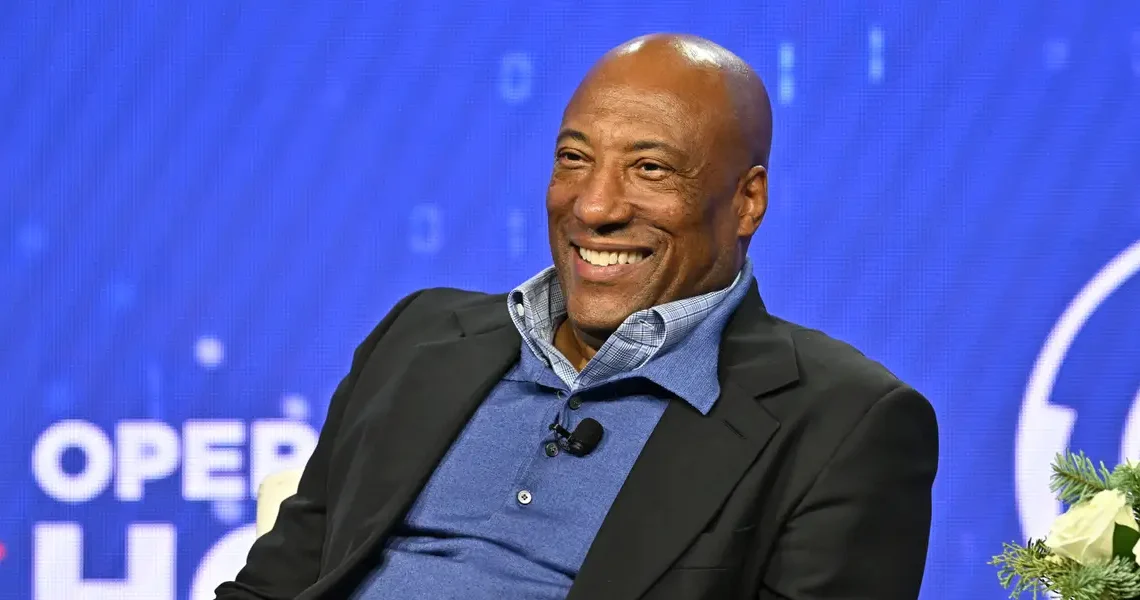
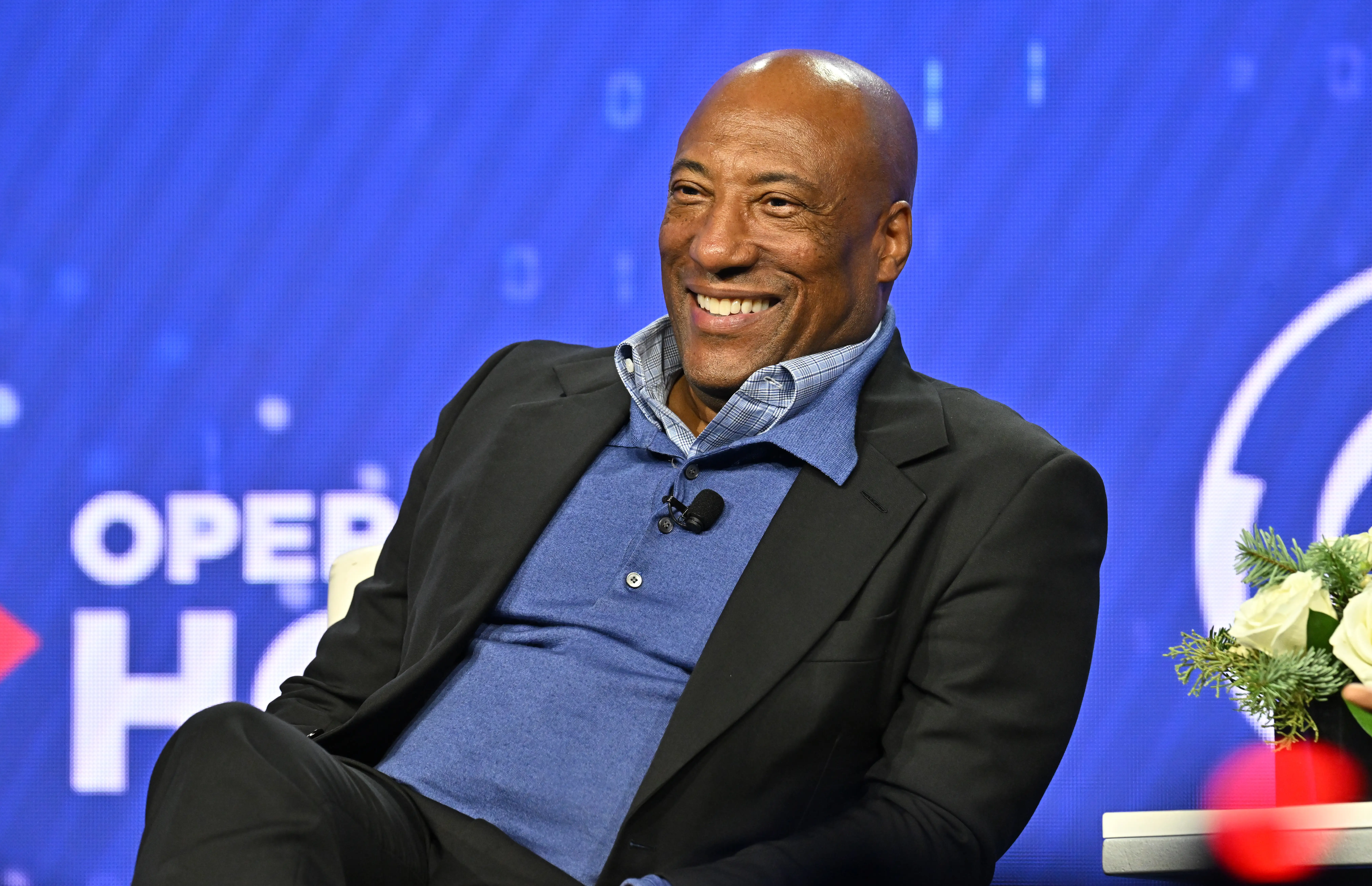
So why is Byron Allen — a media personality who periodically pops up to announce he wants to buy a giant media property like Paramount, but seldom does — going to buy BuzzFeed?
You got me. In the press release announcing the deal, Allen says he wants to “build on the iconic foundation of BuzzFeed and HuffPost by expanding into free-streaming video, audio, and user-generated content” — which is pretty close to what Ramaswamy said he wanted to do a couple of years ago.
But Allen also says that “with the power of AI, BuzzFeed is officially chasing YouTube to become another premiere free video streaming service,” and that’s just not happening.
What we can say is that for at least a year, Allen will be programming the CBS late-night slot left empty by Stephen Colbert’s departure. So while he doesn’t own Paramount, he can at least say he’s got some shows on the company’s broadcast network, and he owns a digital property that was white hot in 2014.
And what about the deal Allen has struck? That one is a little confusing, too. The headline price is $120 million for 52% of the company’s shares. But that really means $20 million in cash up front, plus a promise to pay another $100 million, plus interest, in five years.
Whether that’s a good deal or not may depend on your perspective.
Prior to Monday’s announcement, BuzzFeed’s market cap was less than $30 million — which suggests that Allen is paying 10 times more for BuzzFeed than the market thinks it’s worth. In the past, BuzzFeed would claim that it’s really worth much more than its stock suggests, because it is weighed down with debt.
But that debt is still here, and BuzzFeed’s current financial performance is pretty dire: In its most recent quarter, revenue declined 12.4%, to $31.6 million, and its losses increased 21%, to $15.1 million. Couple that with March’s going concern note — a flashing red light telling investors there is “substantial doubt” it could last another year — and you should end up with a fire-sale price.
Could Allen be right, and BuzzFeed really is worth more than Wall Street thinks? Sure, I guess. Maybe with Allen in charge, BuzzFeed will undergo even more cuts — perhaps cuts Jonah Peretti, the company’s founder, was unwilling to make for emotional reasons. Maybe the brand BuzzFeed built up in its earlier incarnation still means something to enough people, and Allen can figure out how to leverage that.
We’ll see! The only thing we know for sure is that this isn’t the future of media that Peretti, and many others, thought we were getting a few years ago.
Read the original article on Business Insider
The post BuzzFeed’s fire sale to Byron Allen marks the end of an era appeared first on Business Insider.