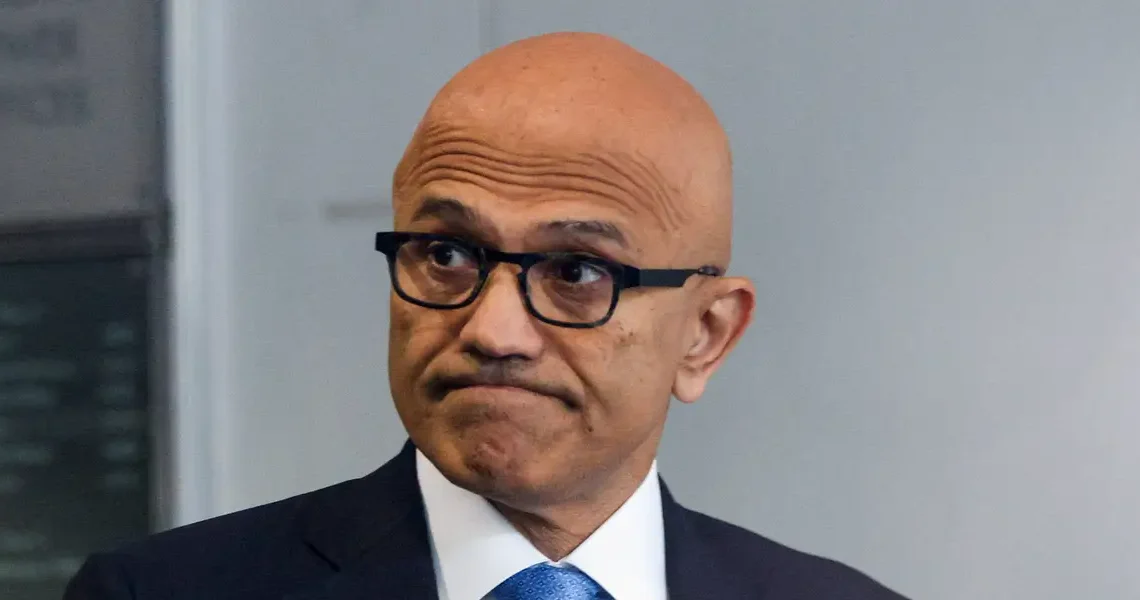
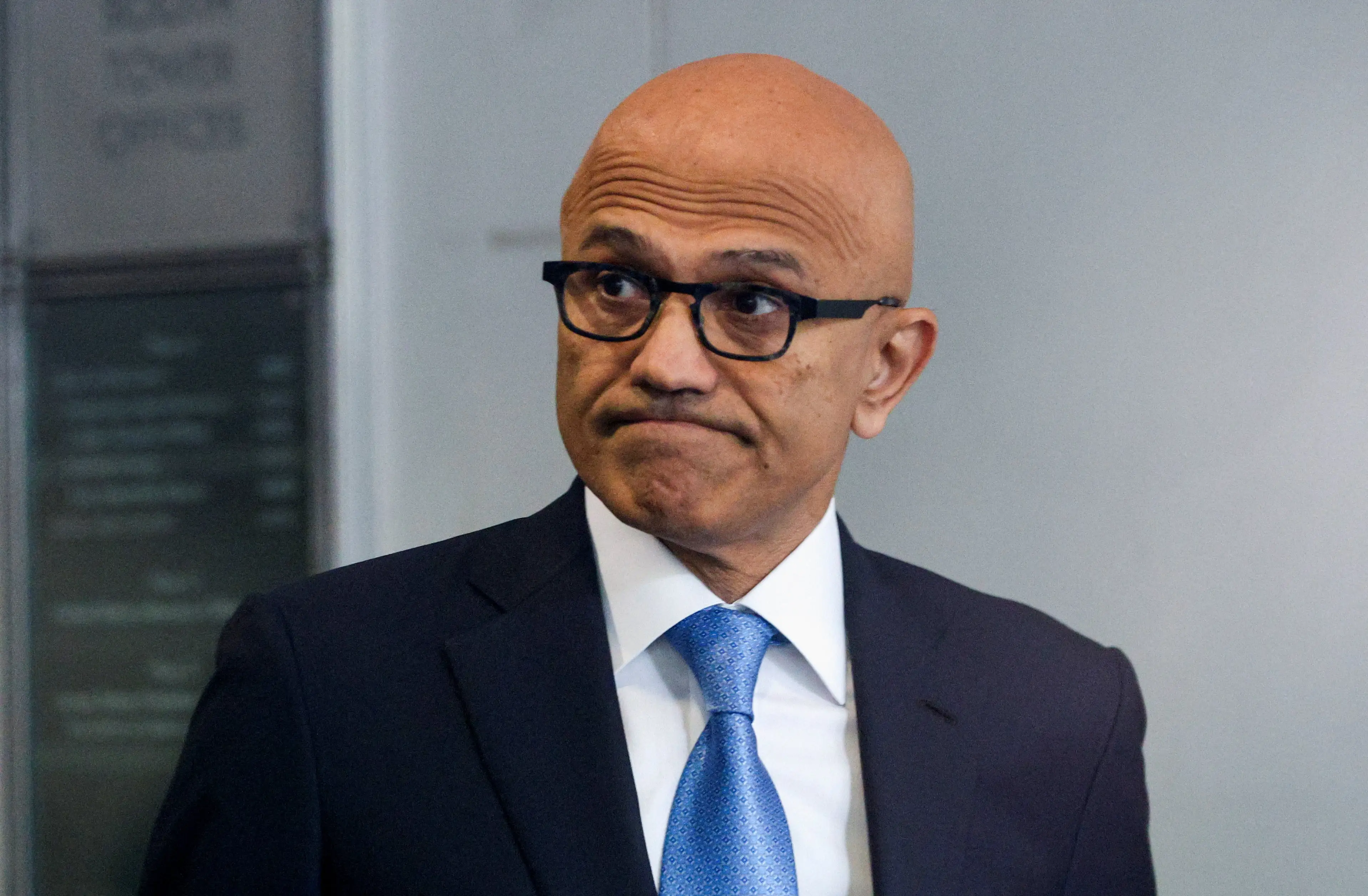
On Monday, the Musk v. Altman trial entered its final stretch, with Elon Musk’s side calling its final witnesses — including Satya Nadella, CEO of Microsoft.
The charismatic CEO described the inner workings of the decadelong, multi-billion-dollar partnership between Microsoft and OpenAI.
It’s a key dynamic in Musk’s lawsuit against Sam Altman and OpenAI. According to Musk, Altman joined in “looting” OpenAI by turning a nonprofit meant to benefit humanity into a goliath that made billions through its relationship with the Big Tech company.
Nadella’s testimony seemed to mostly work against Musk. He showed jurors an email in which Musk thanks Nadella for financial and computing support for OpenAI in 2016.
Nadella also told jurors that Musk never complained as Microsoft’s lucrative licensing and revenue-sharing partnership with OpenAI grew and grew.
After Nadella stepped down from the witness stand, Musk’s lawyers called Ilya Sutskever, an OpenAI cofounder who left after a power struggle that led to Altman temporarily stepping down as CEO. Nadella, in his own testimony, had called the event “amateur city.”
Sutskever wrapped up Musk’s side of the case, and Altman’s and OpenAI’s legal team began presenting their case with OpenAI board chairman Bret Taylor, who repeatedly told jurors that the company remained dedicated to saving humanity.
Here are four key takeaways from Nadella’s testimony:
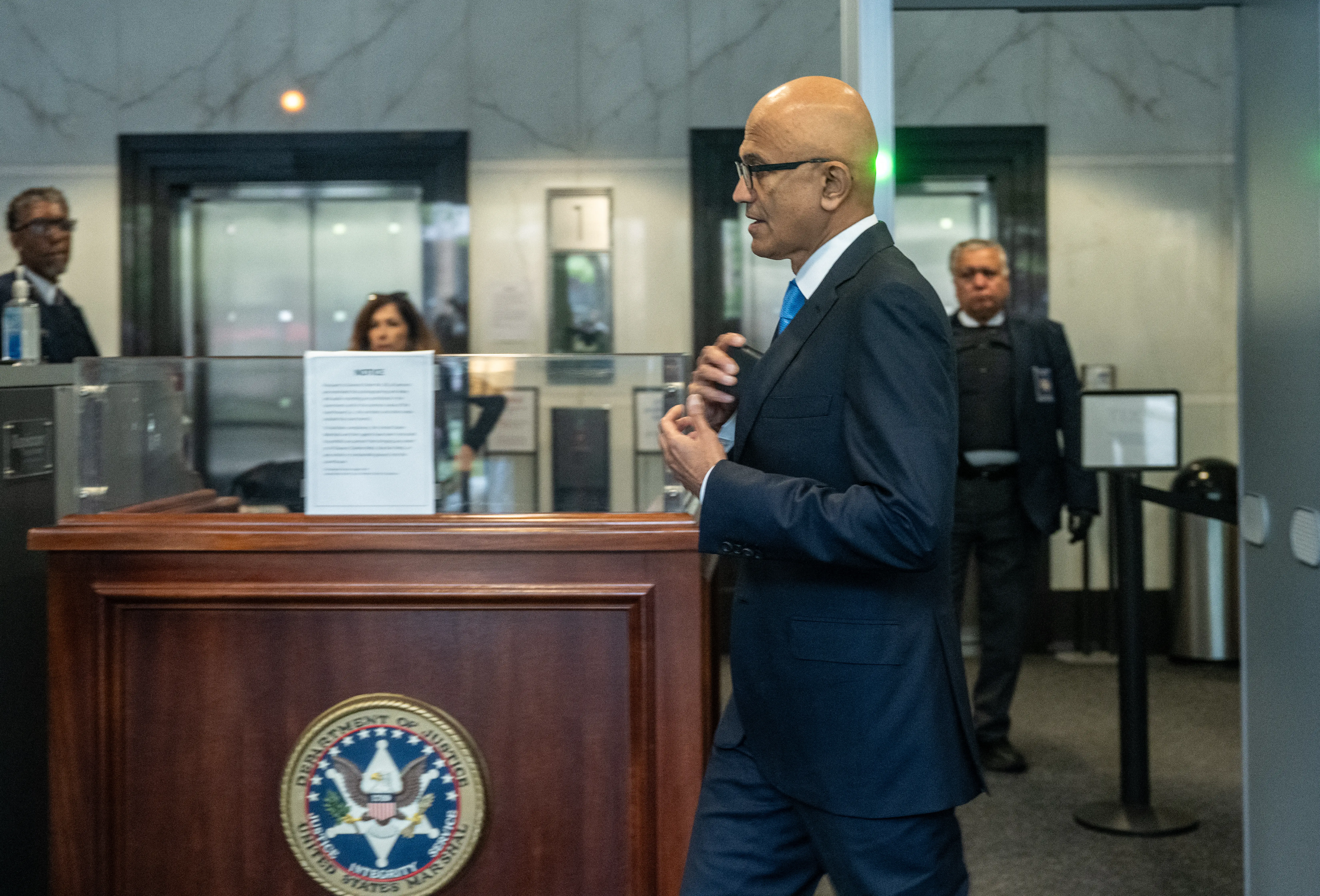
Musk was all in on working with Microsoft
Under questioning by a Microsoft lawyer, Nadella made the point that Musk, who had yet to quit OpenAI, had in 2016 welcomed the beginning of the eventual $13 billion Microsoft-OpenAI partnership that Musk is now challenging.
Microsoft took a $15 million loss, Nadella told jurors, by letting OpenAI use its Azure cloud system — at a discount — to power the nascent technology behind ChatGPT.
Musk personally thanked Nadella, the CEO testified, in an August 2017 email, after an OpenAI bot defeated an elite pro player in the world championship tournament for the game Dota 2.
“Very much appreciated,” Musk told Nadella in the email, after Nadella congratulated the cofounders on their win. “Will make sure that people know about Microsoft’s help.”
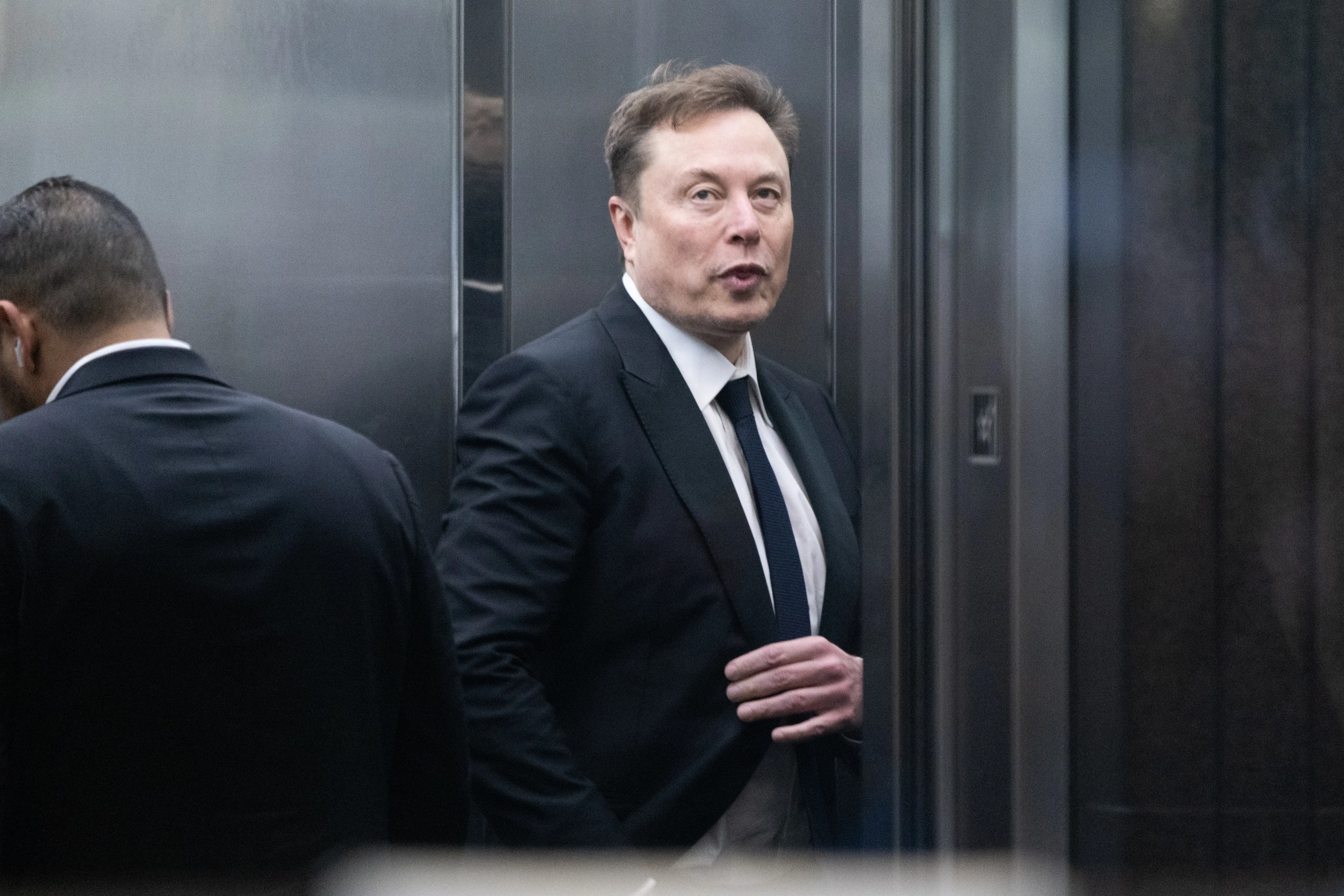
‘We have each others’ phone number
Musk took another hit at trial when a Microsoft lawyer asked Nadella if Musk ever complained to him about the partnership.
Nadella said he heard no complaints — not when the revenue-sharing partnership with OpenAI was announced in July 2019, and not even when news broke in 2023 that Microsoft’s investment stake had just risen by $10 billion.
And Musk knew how to reach out, Nadella told jurors, noting, “We have each other’s phone numbers.”
The testimony could help OpenAI and Microsoft, which have claimed at trial that Musk only began complaining about the partnership when he filed the 2024 lawsuit at the center of the trial.
The defendants in the trial — OpenAI, cofounders Altman and Greg Brockman, and Microsoft — are hoping to convince jurors that Musk, who announced his rival chatbot, xAI, later that year, is just a sore loser who is trying to take down his competitors.
‘Above, below, around’
Nadella was also asked about a trenchant remark he made to New York magazine in the aftermath of Altman’s brief, November 2023 ouster from the helm of OpenAI, an event that threatened OpenAI’s existence at the time.
“If OpenAI disappeared tomorrow,” Nadella told the magazine, “We have all the IP rights and all the capability,” he said, referring to Microsoft’s intellectual property.
“We are below them, above them, around them,” Nadella said at the time — a statement quickly hailed as “a baller quote” and “a new war slogan” by some of the Microsoft CEO’s Silicon Valley fans.
Musk’s side may try to use the statement to support his contention that he made a $38 million charitable donation to OpenAI during the company’s early years, only to see Altman and cofounder Greg Brockman betray their promise to keep the company solely nonprofit. Microsoft and OpenAI are now “a market-paralyzing gorgon,” Musk said in the lawsuit at the center of the trial.
But on the stand Monday, Nadella defended his “above, below, around” statement, saying he was trying to calm any concerns over Altman’s ouster.
“It goes back to me trying to communicate as clearly as possible to customers that they can count on us,” Nadella said — meaning that Copilot and other OpenAI products would continue, regardless of the tumult at OpenAI.
Altman’s firing was ‘amateur city’
Musk’s lawyers have made much of Altman’s ouster from OpenAI in November 2023 as a sign of just how untrustworthy he was to lead such an important organization.
In Nadella’s telling, OpenAI’s board members failed to provide an explanation for why they took the “drastic step” of firing its CEO. Nadella came to believe Altman’s removal was the result of petty grievances. He called it “amateur city.”
“I just felt like there must have been some jealousies or communications or what have you,” Nadella said. “And this is sort of amateur city, as far as I’m concerned.”
Nadella said he needed to be the adult in the room and bring OpenAI back to becoming a functioning organization by helping Altman return to leadership.
“By the time, I was very worried that the employees were all going to leave en masse, and that would have been bad for OpenAI, and obviously bad for Microsoft.”
Read the original article on Business Insider
The post 4 ways Microsoft CEO Satya Nadella threw cold water on Elon Musk’s case appeared first on Business Insider.