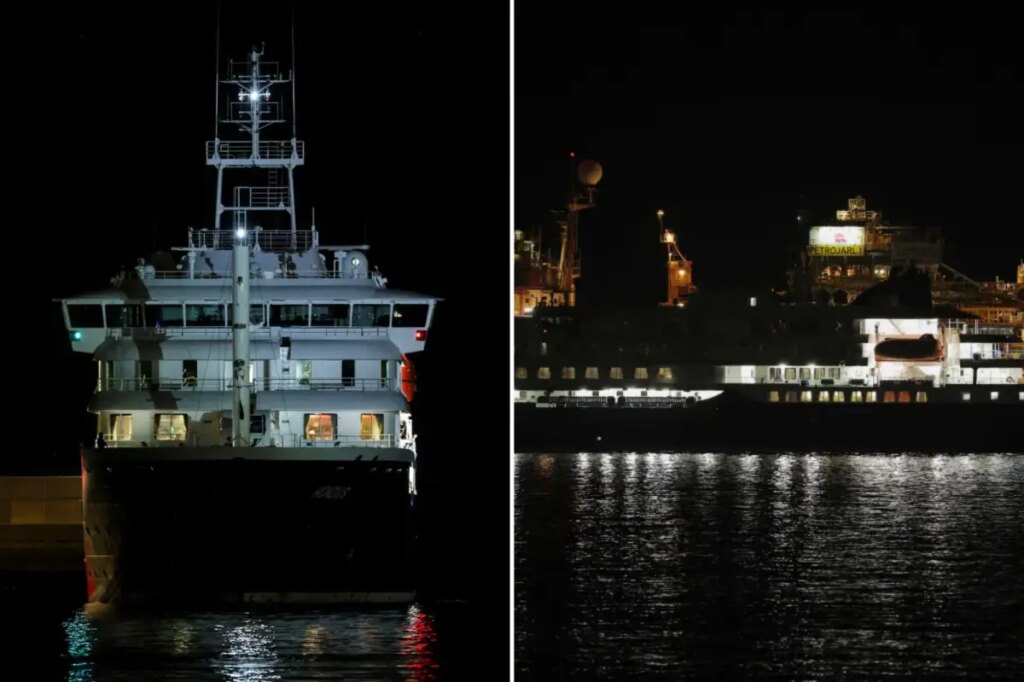
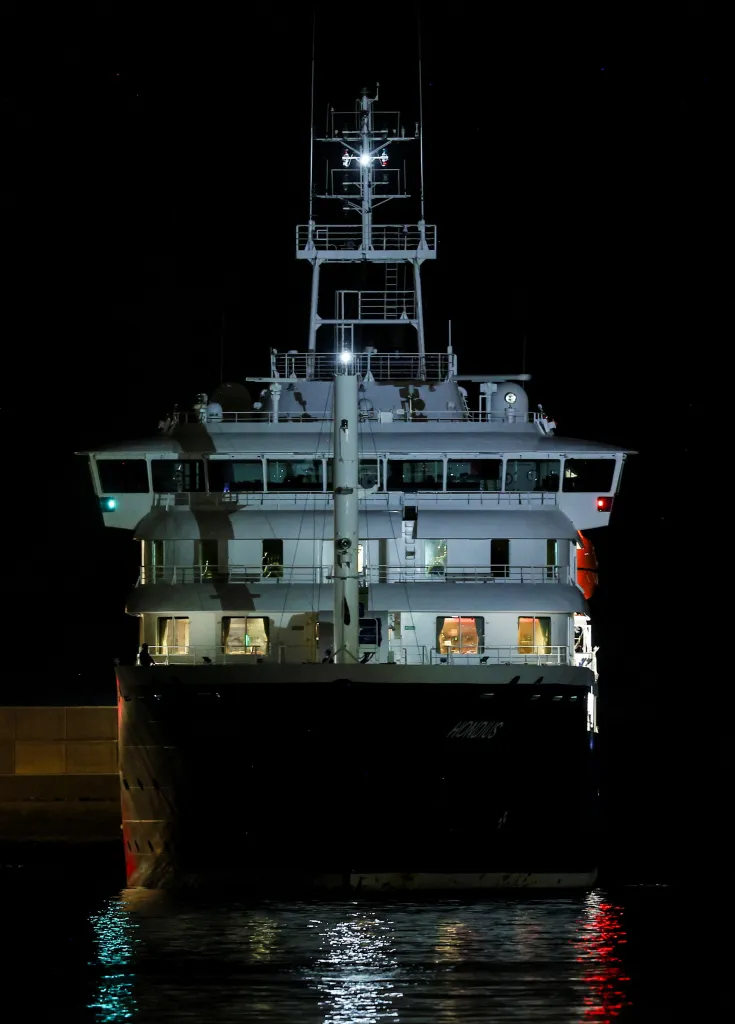
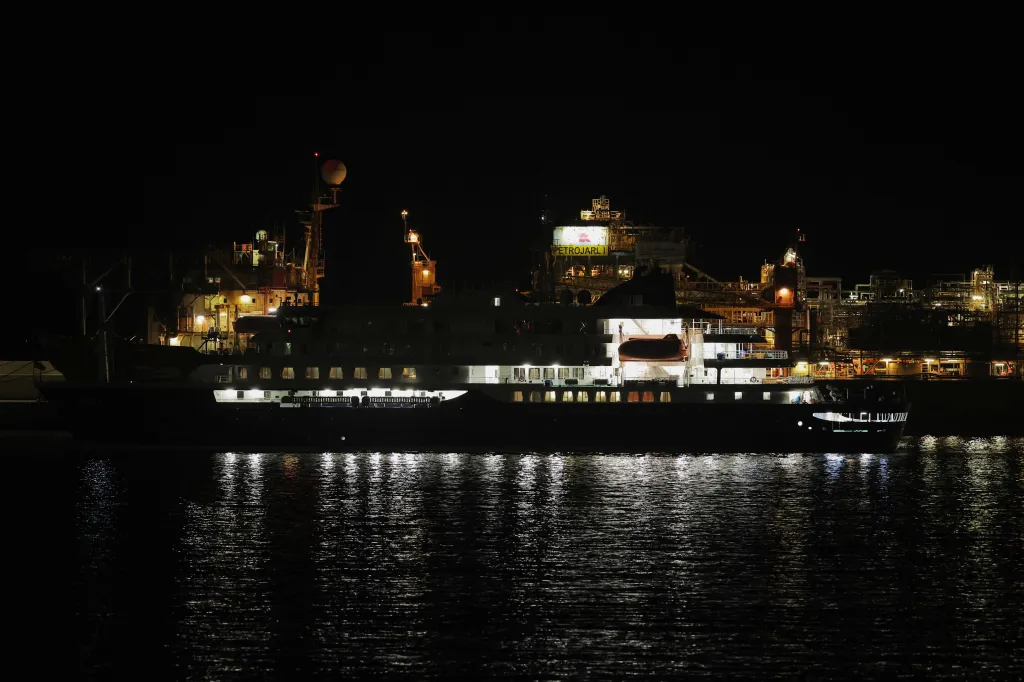
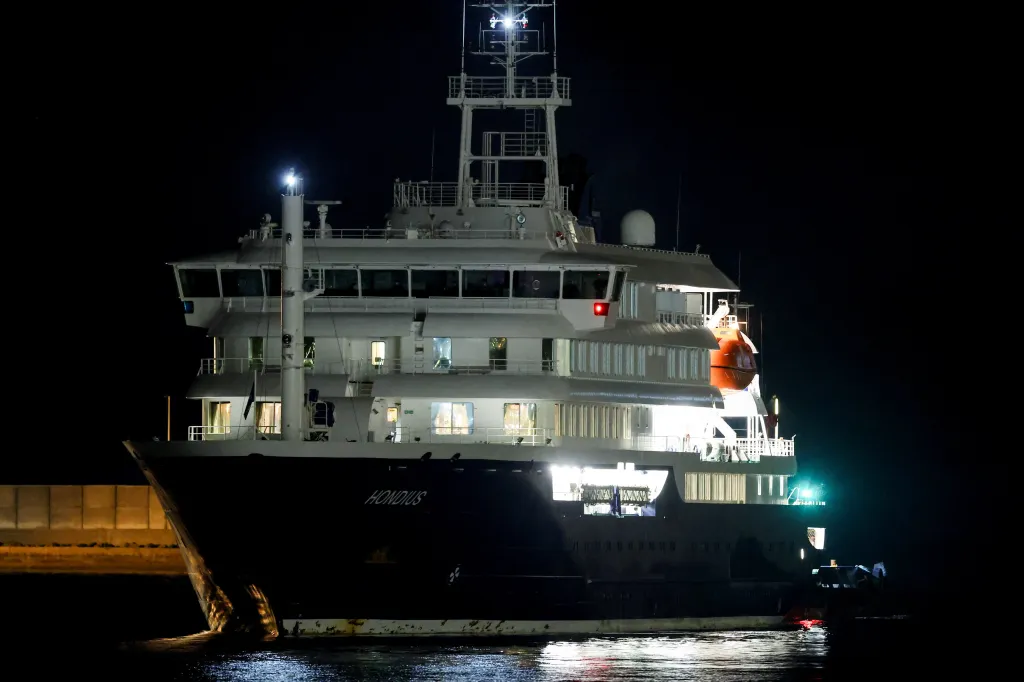
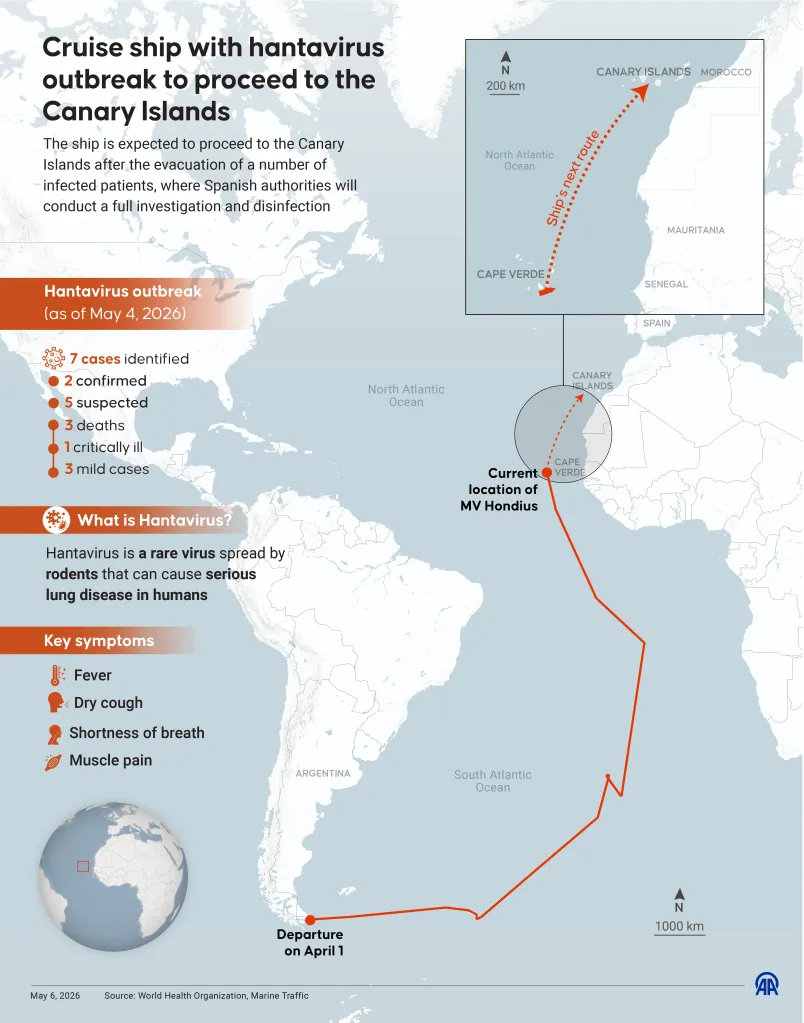
The hantavirus-stricken HV Hondius arrived in Spain Sunday morning after the outbreak on the ship left three travelers dead and sparked global concern over a possible wider spread of the rodent-borne illness.
The plagued Dutch cruise ship reached Tenerife – the Canary Islands’ largest island – with more than 140 passengers and crew expected to undergo health screenings to check for symptoms before disembarking in small groups about three hours later.
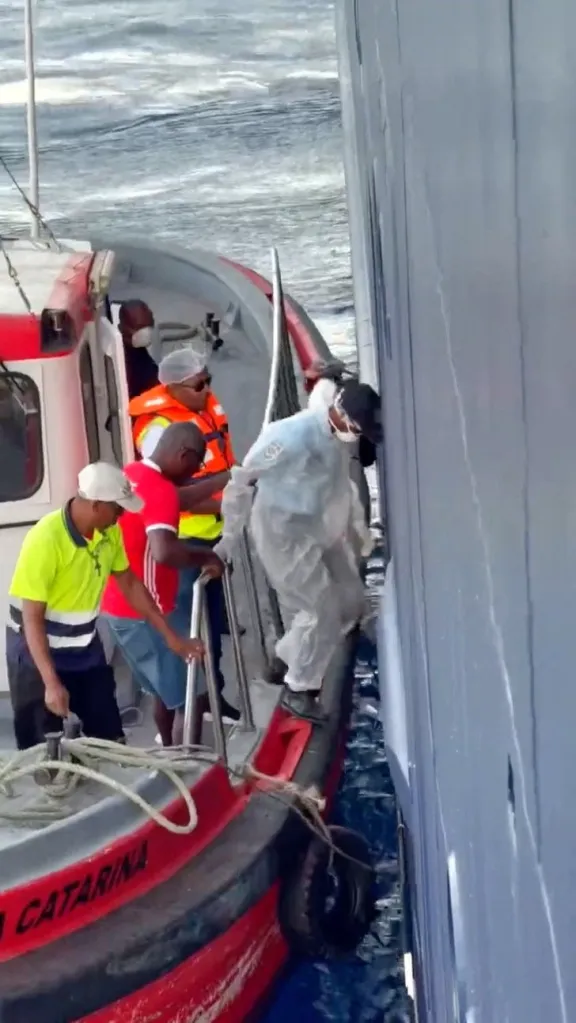
The passengers, who will be required to leave their belongings on the ship, will then be ferried ashore in small boats in groups of five to 10.
Fears among locals have surged in recent days ahead of the doomed ship’s arrival, but World Health Organization officials said the public risk is low and they’re closely monitoring the situation.
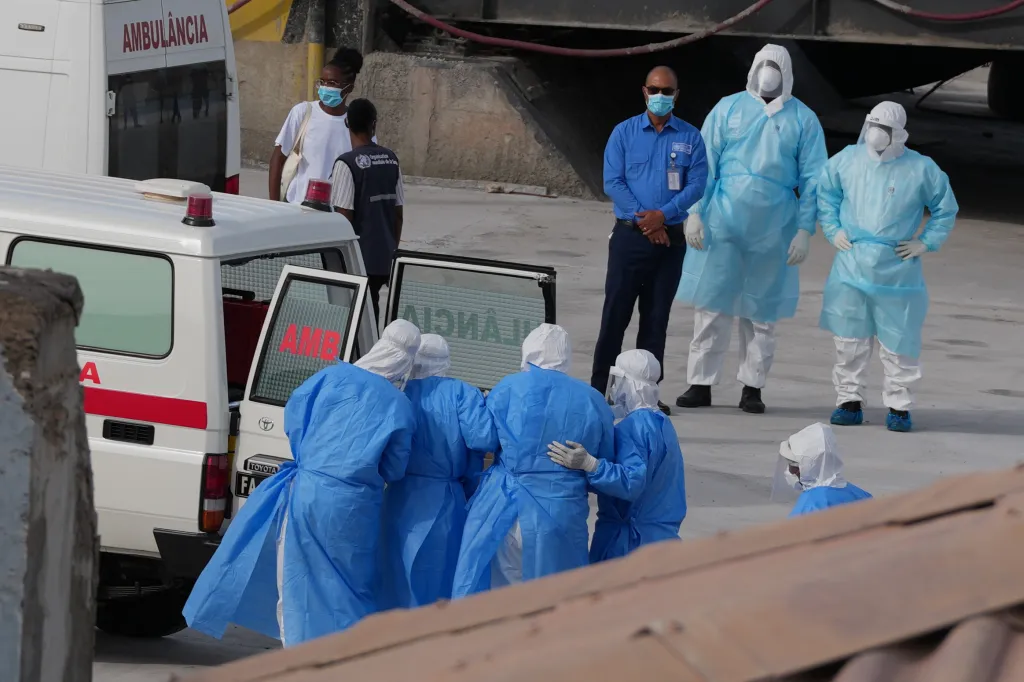
Spanish passengers – 13 vacationers and one crew member – will be the first to disembark before being flown to a Madrid military hospital, where they will be quarantined in single rooms under strict supervision, the Spanish Health Ministry said.
Seventeen American travelers will fly back to the US on a repatriation flight and be taken to the National Quarantine Unit in Nebraska for assessment and quarantine, the US State Department said.
The UK will also send a plane to evacuate its citizens, who will all be required to isolate for 45 days upon return.
The weeks-long Atlantic cruise – which departed from Argentina on March 20 – spiraled into a nightmarewhen an elderly Dutch couple carried the rare Andes strain of the virus after contracting it in Argentina last month.
The husband died aboard the expedition vessel; his wife came down with symptoms after getting off on the island of St. Helena and flying to South Africa, where she died.

Another passenger – a German national – also died.
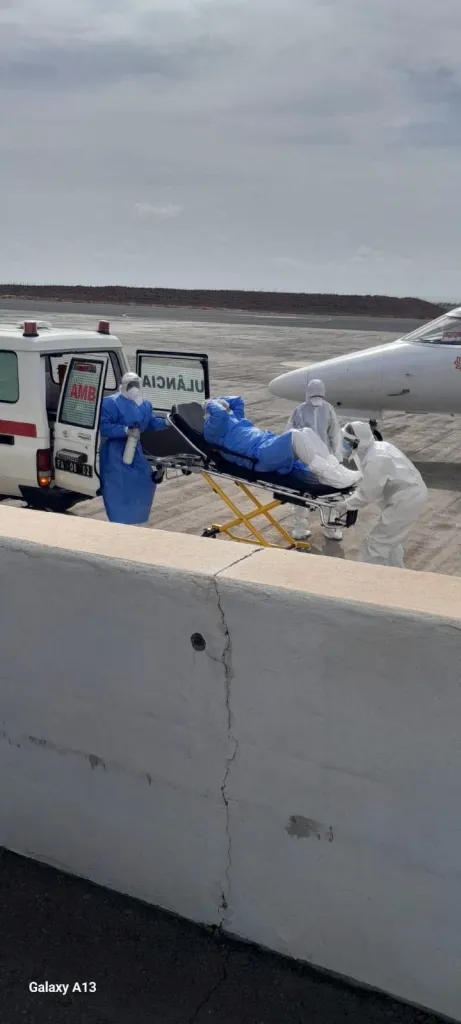
Three suspected patients, a German, Dutch and British national, were evacuated to the Netherlands for medical care, the WHO said, while Switzerland confirmed a former passenger tested positive for the virus after showing symptoms.
Twenty-three others left the ship and scattered back home across the globe before realizing they had been exposed to the deadly virus — which has a mortality rate of up to 40% — on April 23.
Only one is known to have fallen ill so far.
US officials are also monitoring former travelers in Georgia, California, and Arizona.
The remaining passengers were stranded aboard, answering questions from health workers and waiting to see if they show symptoms, which can take up to eight weeks to appear.
Hantavirus attacks the lungs and slowly suffocates its victims. It is normally transmitted via rodent feces, but the Andes strain can jump from human to human.
The infection usually spreads through prolonged, close contact and isn’t nearly as contagious as diseases like COVID-19.
Hantavirus manifests as a severe flu, with survivors describing the grueling disease as “torture.”
The US Centers for Disease Control and Prevention declared a “Level 3” alert over the outbreak and has cautioned that the threat to the public remains minimal.
A Level 3 threat is the CDC’s lowest emergency level, used to bring in experts to monitor the situation and prepare a response if necessary.
With Post wires.
The post Virus-ridden MV Hondius cruise ship arrives in Canary Islands after deadly hantavirus outbreak appeared first on New York Post.