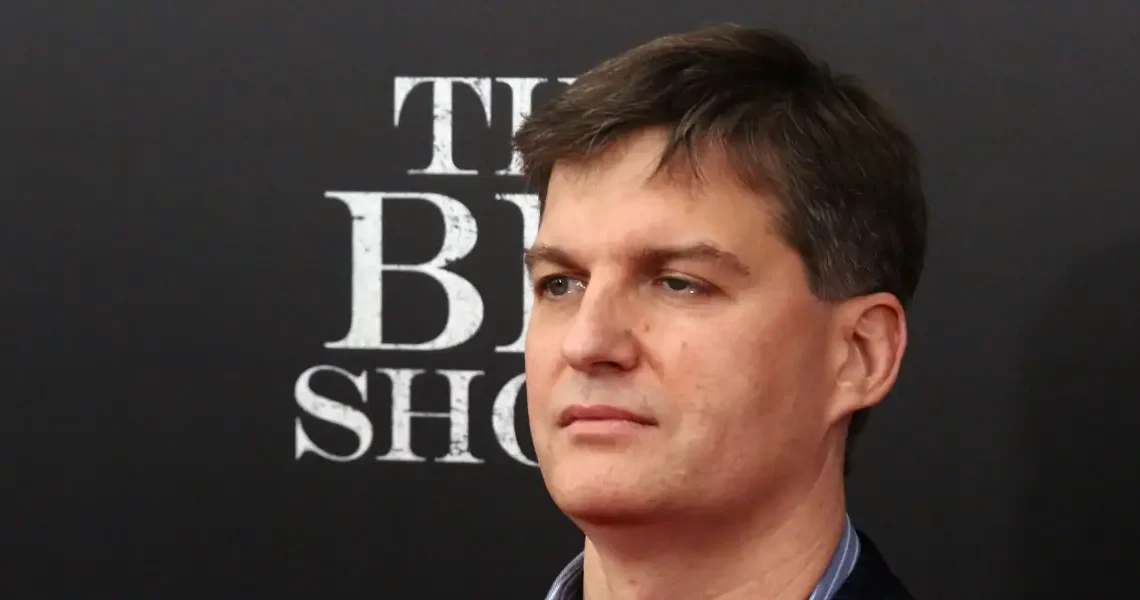
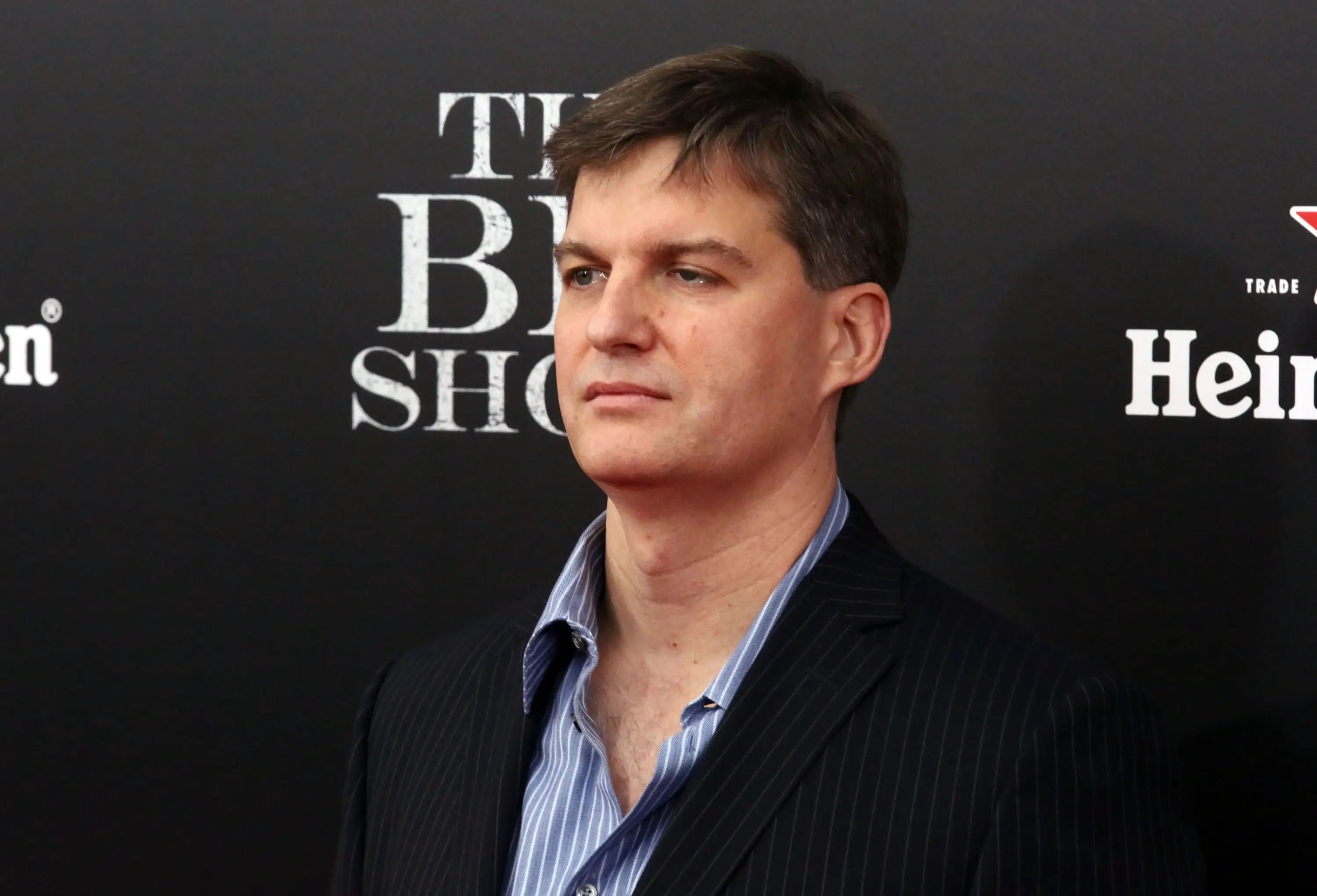
Michael Burry sold his entire stake in GameStop this week after CEO Ryan Cohen launched a takeover bid for eBay.
The investor of “The Big Short” fame, who counted GameStop among the three largest holdings in his stock portfolio, wrote on his Substack that he closed the bet because he’d been hoping for Cohen to strike a different kind of deal.
Burry — who’s gone from neurology resident and blogger, to hedge fund manager, to online writer — said it was “remarkable how a scalpel can be used differently than a meat cleaver.” He was likely comparing his proposed deal structure to the one Cohen is pursuing.
He wrote that his “Instant Berkshire” approach, inspired by Warren Buffett’s company, was designed to limit dilution and debt, maximize Cohen’s ownership, preserve GameStop’s net operating losses to offset taxes, and achieve similar profits to “more debt-heavy, dilutive approaches.”
Burry, who inadvertently helped turn GameStop into a meme stock, also said he’d taken Cohen seriously when Chewy’s billionaire cofounder said he was eyeing a deal that would be unprecedented in capital markets.
“Perhaps I just thought it was obvious that maximizing function while minimizing blood loss and recovery time would be the goal,” he added.
Burry had proposed GameStop spend around $28 billion to acquire Wayfair, ADT, and Assured Guaranty, “creating a portfolio of great companies that generate excess capital or float for additional investment beyond what is required for their growth.”
He calculated in a recent post that buying eBay — which has a $47 billion market value versus GameStop’s $11 billion — could leave the enlarged business with a net-debt-to-profit ratio of 7.7 and a profit-to-interest ratio of 1.2 to 1.5 times. He said that amount of leverage and debt service wasn’t compatible with his “Instant Berkshire” model.
“What is happening instead makes perfect sense,” he wrote on Thursday. “Ryan is following the incentives before him.”
He underscored that Cohen’s $35 billion compensation package is tied to hitting market cap and profit milestones — making a debt-heavy acquisition of a much larger company appealing despite the dilutive impact on shareholders.
Even if Cohen succeeds in acquiring eBay and widening its margins, Burry said it would “likely take 7-10 years” to pay down the debt required for the transaction, even if “all capital was directed” toward that goal.
“My solution would have broken new ground and would have required a CEO in full control of its board to ignore the incentives in his new pay package,” Burry wrote. “Makes perfect sense that did not happen.”
Burry, who said in February that Cohen had the potential to become the next Buffett, added: “It almost never happens. Which is why Warren Buffett is so respected.”
After launching his unsolicited bid and facing questions over how he would pay for it, Cohen promptly began auctioning off all manner of items on eBay, attaching his proposal letter to each listing. He posted on X that he was raising funds for the deal, but the move is widely viewed as a publicity stunt.
After news of the deal broke, Burry flagged on his Substack the “execution risk” of trying to reshape eBay, but said he wasn’t “doubting Ryan.”
“I think if he is doing this, he sees low hanging fruit that can be accessed easily,” he added.
In other comments on his Substack, Burry touched on Cohen’s awkward CNBC interview, calling it “perplexing” and a “little confusing” as a strategy.
Elsewhere, Burry didn’t rule out reinvesting in GameStop: “Of course it could happen if I see and hear what is needed.”
Burry and GameStop didn’t immediately respond to requests for comment.
Read the original article on Business Insider
The post Why ‘Big Short’ investor Michael Burry sold GameStop after Ryan Cohen’s eBay bid appeared first on Business Insider.