We live in the age of the conspiracy theorist. The wild ideas and the people who spread them have hit the mainstream. They’ve been yanked from the shadows of the internet, ripped from late-night AM radio call-in shows about alien abductions and Bigfoot sightings, and have now been put in positions of power and dictate public policy both at home and abroad. It’s a conspiracy theorists’ utopia—but how much of this horses—t do they actually believe?
That was the aim of a new study detailed by IFLScience and published in Royal Society Open Science, which found that the people who claim to believe conspiracies may not actually believe them at all. Oftentimes, they just might be messing with researchers for the heck of it.
Not surprising at all, considering most of them obviously seem like they’re in it for the attention and, in some cases, money.
The Problem With Studying Conspiracy Theorists Is They Might Be Messing With You
Psychologists are trying to understand why conspiracy theories spread so easily. A field of study that ramped up after the COVID-19 pandemic turned fairly simple and logical ideas about viral spread into a scattershot of conspiratorial madness that resulted in real-world public health problems.
Researchers conducted their studies, spoke with conspiracy theorists, and came up with a range of theories about why people felt inclined to invent and spread them. This new research suggests that “for the laughs” was a major contributing factor.
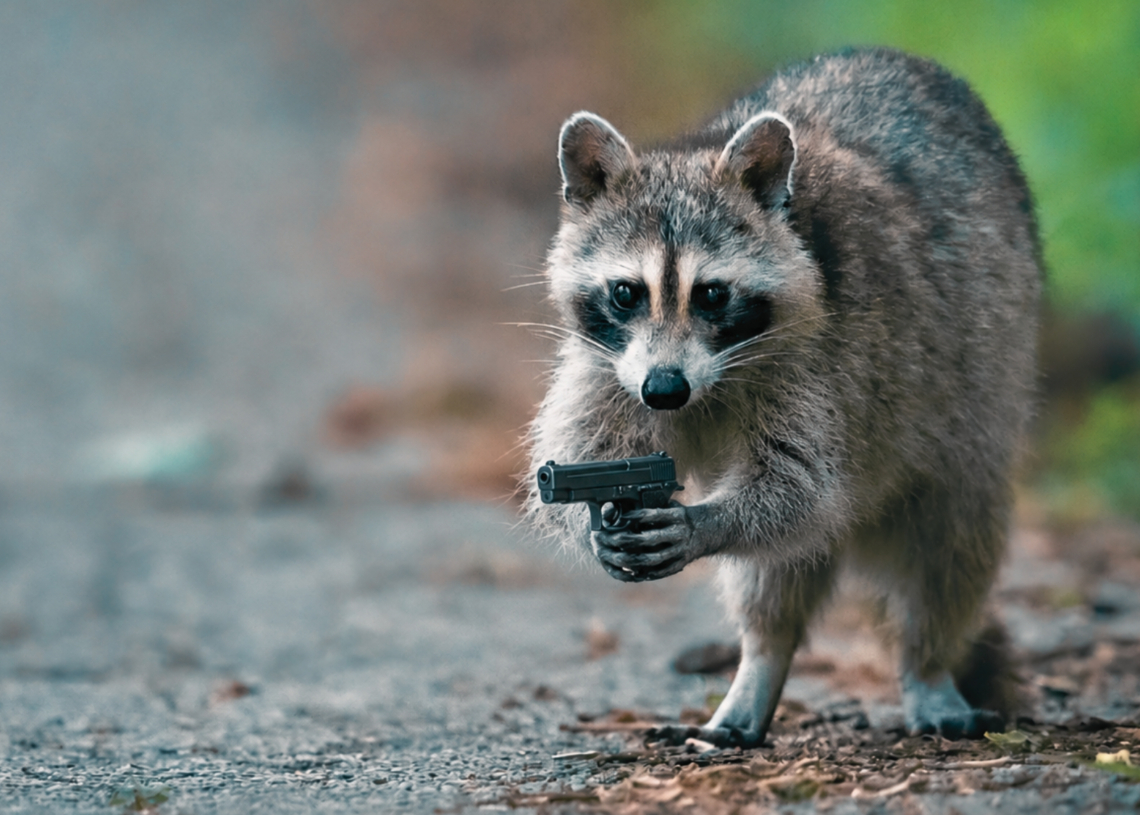
The researchers surveyed more than 1000 people in New Zealand about various popular conspiracy theories, but then added in a small twist. They threw in some brand-new conspiratorial nonsense that they themselves invented, something there’s no way the respondents could have ever heard of before, and it was unbelievably stupid: the Canadian military was secretly engineering genetically modified raccoons for global warfare.
Now that’s a conspiracy I get behind. Though again, to be 100 percent clear, it’s complete nonsense. So are the overwhelming majority of other conspiracies, but this one especially… and yet, that didn’t stop many respondents from fully endorsing it, even if they didn’t believe it and were responding insincerely.
As the study’s “Results” section states: “Of the final sample, 8.3% indicated that they had responded insincerely at some point in the survey, while 7.2% endorsed the armed-raccoons conspiracy theory. A total of 13.3% of respondents displayed one or both of these signs of insincerity and were thus classified as insincere.”
In other words, a lot of these people are just messing with the researchers for their own amusement. They were trolling for the same reason anyone trolls: because they can, because they don’t care, and because they know their nihilism taints good-faith scientific research.
Ultimately, the study on conspiracy theories wound up functioning more as a commentary on the futility of studying the psychology of conspiracy theorists in the first place. Sure, some of these people probably do believe some wacky stuff, but the desire to s—tpost, no matter the context, is simply too great. When presented with an opportunity to make people think they’re stupid and/or crazy, they seized it, and many of them always will.
It’s all just so tiresome; so expected. It’s also very 2026, and I think a lot of us really, really wish these people would stop finding the joke so funny, and maybe finally realize there isn’t a joke there at all.
The post A Fake Conspiracy Theory About Armed Raccoons Just Exposed a Real Problem With Society appeared first on VICE.