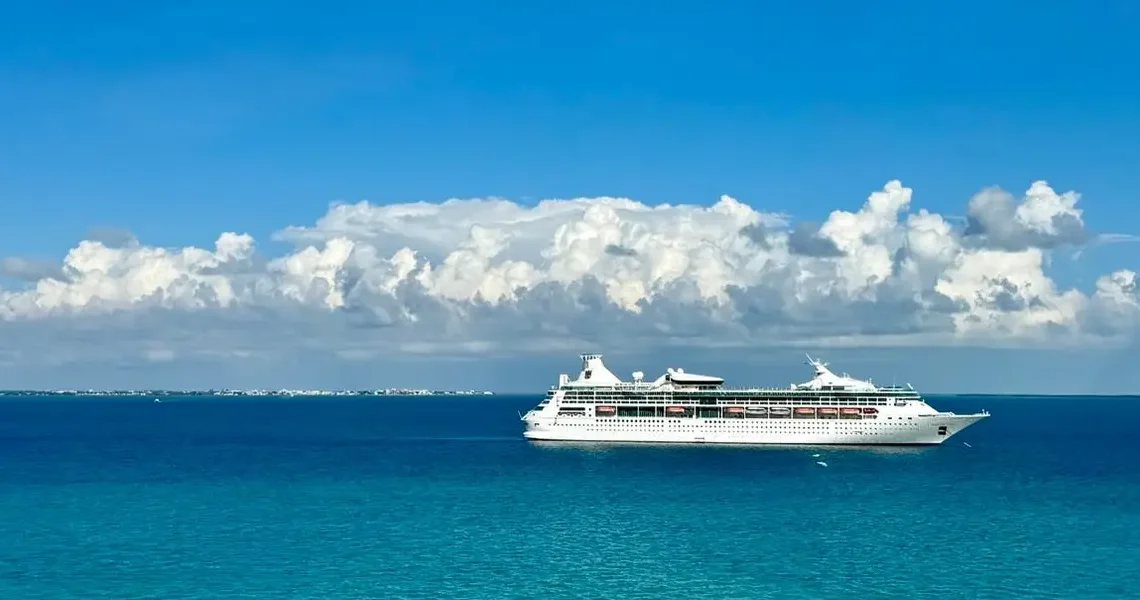
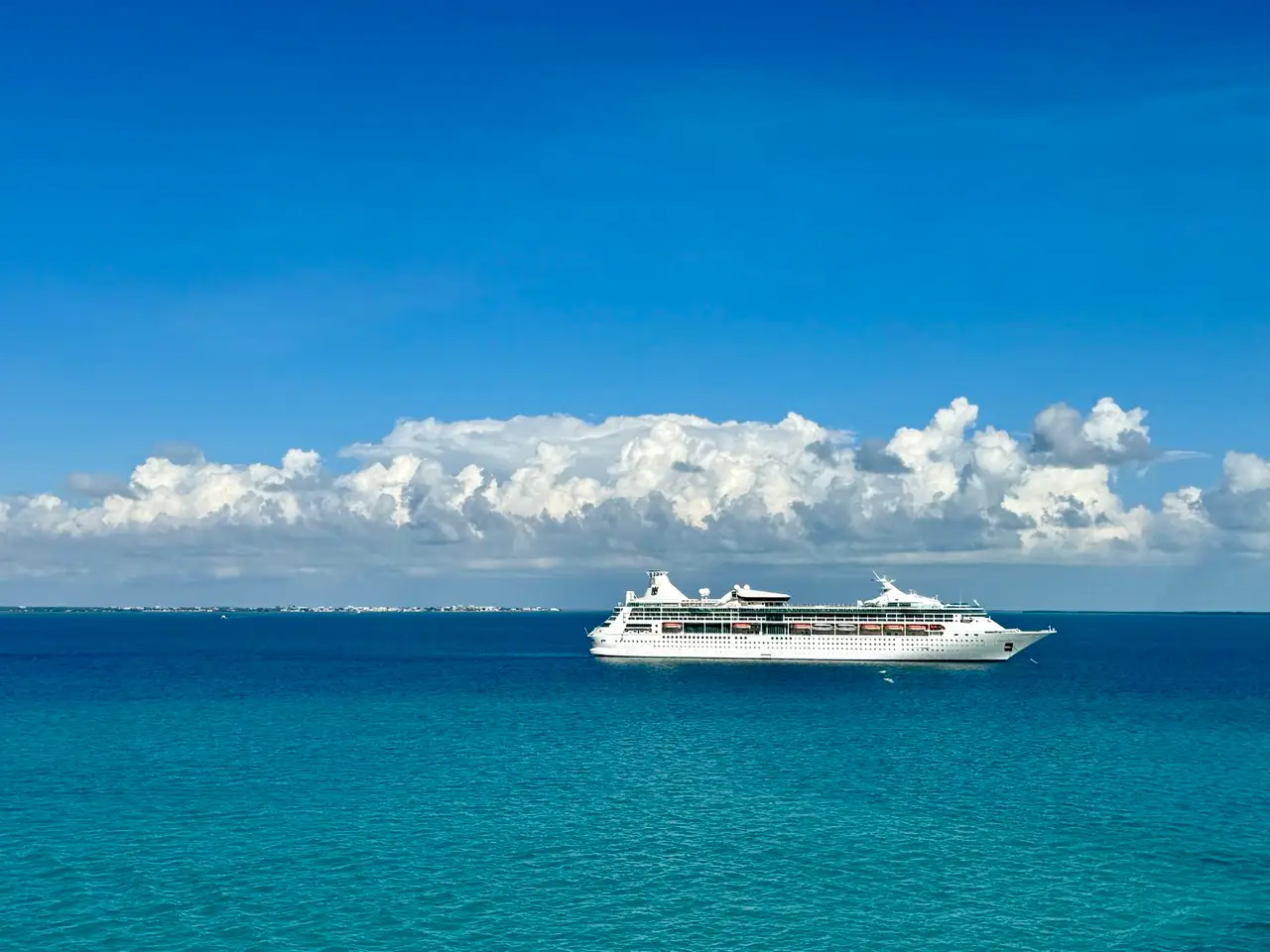
Between my many trips as a passenger and several years as a cruise-line employee, I’ve traveled to every continent and been on over 50 sailings.
Throughout all this time at sea, I’ve picked up tips for planning the perfect cruise vacation. Here are a few things you should consider before booking your next trip.
Take a close look at the itinerary and how it aligns with your ideal vacation before you book.

Obviously, you’ll want to book a cruise that stops in places you’re interested in. However, you should also pay attention to the ratio of port to sea days in a given itinerary.
For me, the best part of a cruise is being able to see as many places as I can. So, I seek out itineraries that primarily have port days.
Some travelers prefer a cruise that’s docked for more than a day in each port, allowing them to really get to experience each stop.
Others prefer an itinerary with fewer stops spaced farther apart, resulting in more peaceful days at sea when you can enjoy the ship’s amenities. (On these trips, just make sure the ship has enough onboard activities and perks you’re excited about.)
Keep an eye out for holidays and events that may be happening during your trip.

Cruising during the holidays will affect your experience — and there are way more occasions to consider than just ones you celebrate back home.
Before sailing, I always check whether there will be holidays or events happening at each port while I’m there. In some cases, it’s really cool to get to participate in local celebrations around the world while on vacation.
However, I’ve also seen fellow passengers surprised and disappointed when businesses are closed in Sweden on Midsummer Eve or in much of Asia during Lunar New Year.
All in all, doing some research before locking in your cruise dates will help level your expectations.
Before making any plans, look into the arrival and departure times at each port.
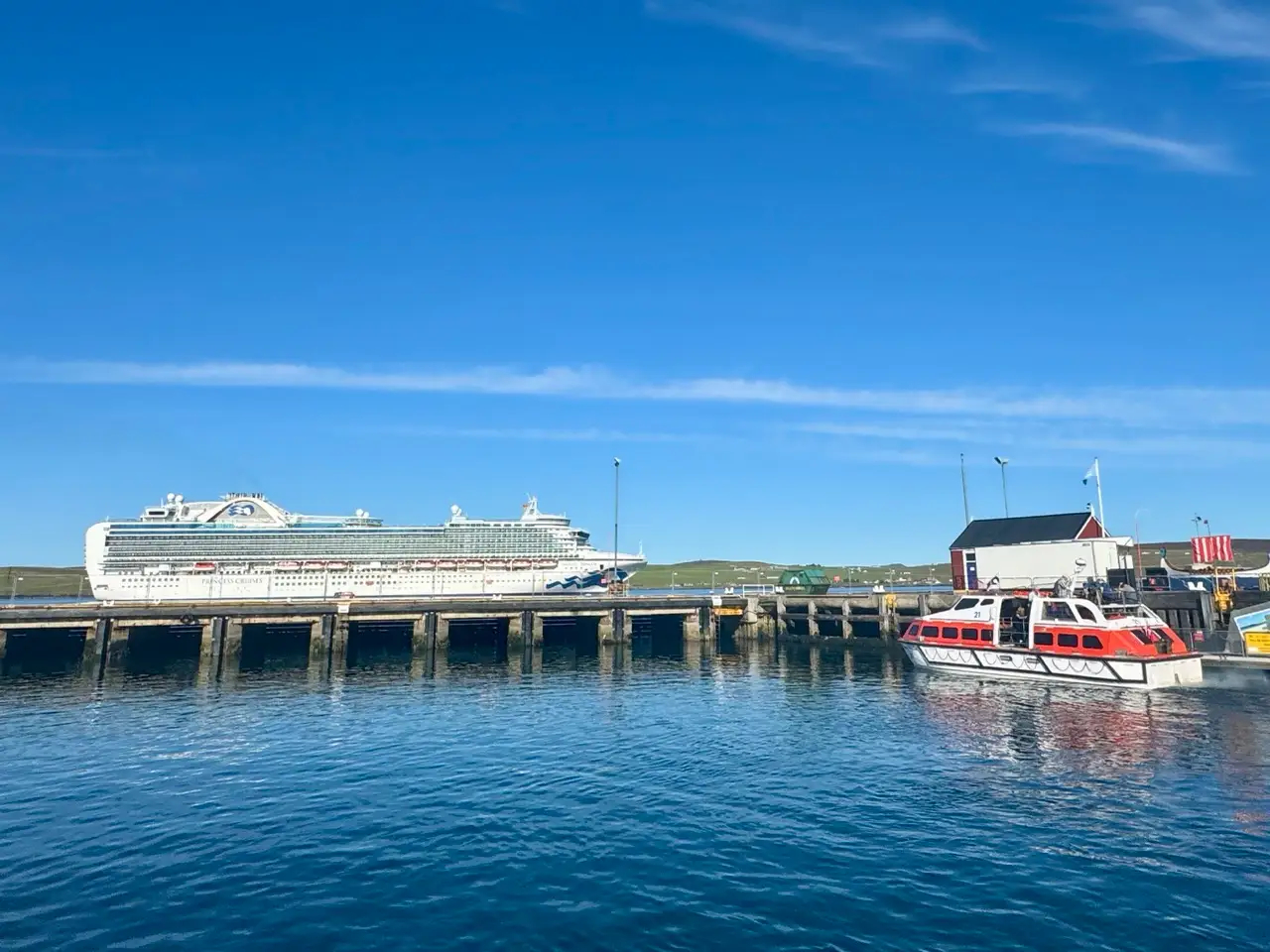
Ships offering similar itineraries may have departures and arrivals that differ by hours, and these times should be shown on any booking website.
Pay close attention, since the window of time you have will dictate what you can — and can’t — do during that stop.
For example, if you’re in Spain and need to be back on board at 4 p.m., it will be difficult to finish the long, late lunch typical of the area. However, if the ship leaves at 10 p.m., you’ll have time for a long day of sightseeing before needing to return.
Understand your stateroom preferences and look at a deck plan before making your selection.
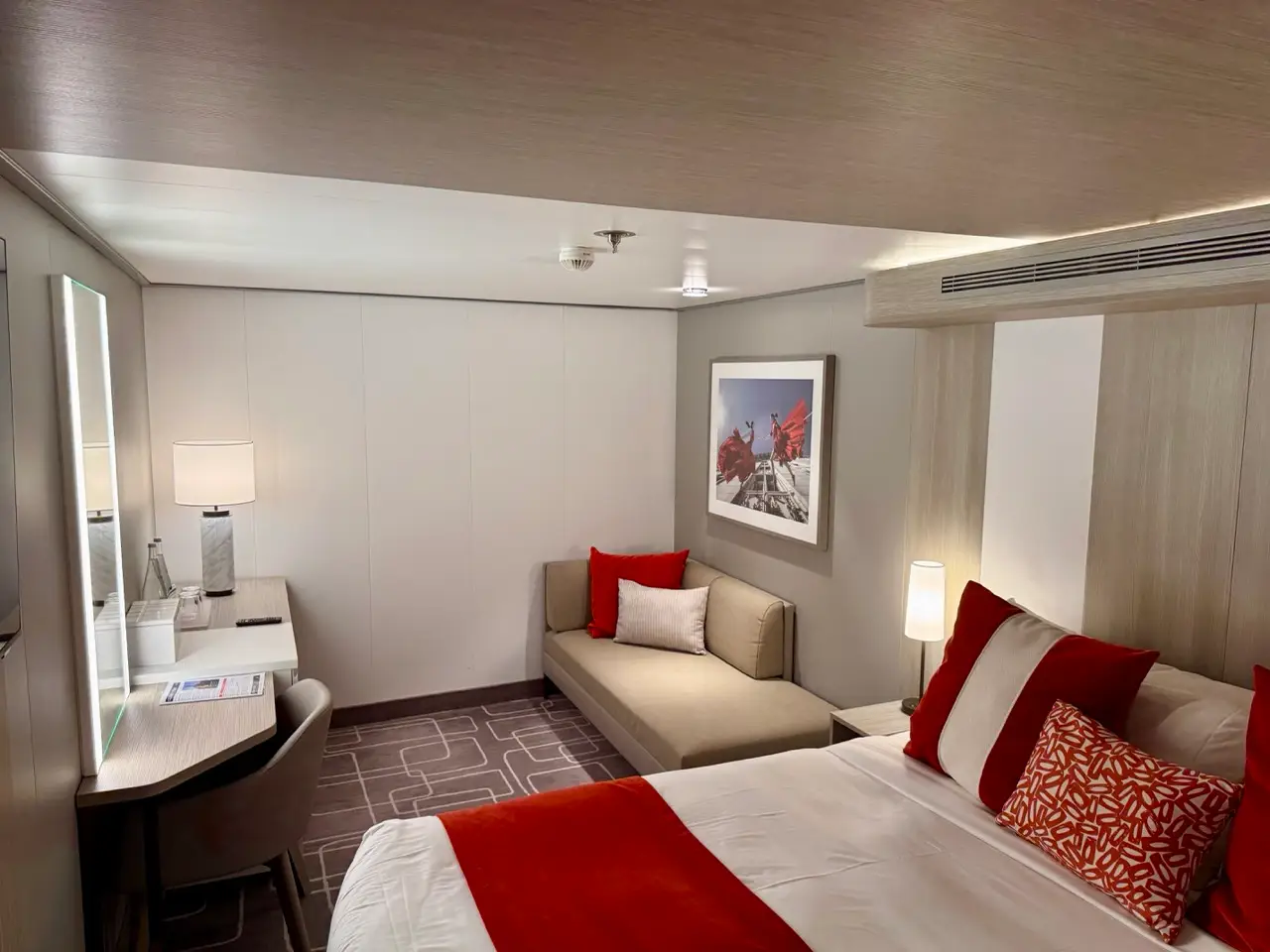
The least-expensive rooms are often listed as “guarantee” or GUAR class. For these, the cruise line will assign you a cabin, often within the category you selected, such as interior or balcony. In rare cases, you might get a free upgrade.
This can be a great deal, but if you’re sensitive to sounds, smells, or movement, consider paying to choose your own cabin.
Not every room on a ship is created equal, even those within the same class. Across sailings, I’ve experienced noise from the ship’s dance club, cigarette smoke from a nearby smoking area, and the loud winching sound of the anchor at early hours.
Now, I check deck plans online to see what is above, below, and to the sides of whichever stateroom I’d like to book. Online forums for cruisers can also be helpful for finding information about specific cabins or areas of the ship.
Always shop around.
Once you’ve decided on the cruise you want to book, spend time comparing different offers.
You may find a good deal on the cruise line’s website, but a better one could be available through advisors or services like Costco Travel. In some cases, you can score discounted upgrades or extra onboard credit.
Always read the fine print, though, as booking directly through the cruise line may offer different cancellation policies or other protections.
If you have friends who have taken cruises and booked them through travel planners, ask them for a referral. You both may benefit, and a booking agent specializing in cruises may be able to find a deal that you cannot.
Lastly, sign up for email offers with the cruise line you’re interested in — perhaps a special discount code will end up in your inbox.
Look ahead at the expected weather at your ports and pack accordingly.

A cruise ship can travel a few hundred miles a day and pass through multiple weather systems. Even if it’s sunny when you embark, you may need an umbrella for your first port.
I always look ahead at weather trends before booking a trip so I can get an idea of what to expect at each stop. Then, I check local forecasts again right before I start packing for my cruise.
Regardless of the itinerary, it can often be a little colder and windier at sea than on land, so definitely bring some layers.
Prepare for seasickness, which can ruin even an experienced cruiser’s vacation.

No matter how many cruises you’ve been on or how confident you are about your sea legs, take precautions for dealing with motion sickness before you board.
The seas are constantly changing, and factors like a ship’s size and build, or even your stateroom placement, can affect motion and how your body responds to it.
I suggest you prepare by packing anti-nausea medication and ginger chews, which can help with nausea And if seasickness hits, try managing it by eating green apples (which some cruise workers swear by) and soda crackers, keeping your diet simple, and drinking plenty of water.
Read the original article on Business Insider
The post I’ve been on over 50 cruises as an employee and passenger. Here are 8 things you should know before booking a trip. appeared first on Business Insider.