

Right after college, I was like most graduates — broke and desperate for money.
In the early aughts, there was no social media, no algorithms, and certainly no online job postings like there are today. The only way to get leads was through newspaper ads or those physical job boards at career fairs and public places. To get noticed, I printed out a stack of resumes, made a list of the companies I wanted to work for, put on my best professional outfit, and dropped a copy off — in person.
It’s almost hard to believe today. Over the last 24 years, I’ve worked a variety of jobs in the hospitality industry, and while a lot has changed in the world, the personal connection to people, which I believe is needed to excel in this industry, has not.
That’s why, while others seem panicked about AI replacing them at work, I’m not nearly as concerned.
Getting my first job took perseverance
To land my first hotel job as a concierge, I kept showing up in person every Monday after lunch for six weeks straight, because that’s when the security guard told me the new job postings went up. I figured I’d keep trying until a job opened or they told me never to return.
During my first interview, the human resources manager enthusiastically said, “Your persistence made you stand out. It says a lot about your character and drive.” I got the job and learned a valuable lesson that has stuck with me
Training season is never over
My hotel training lasted a month and was split into two parts. During the first two weeks, I dove into the rabbit hole of a CRM (Customer Relationship Management) system, which is a software that helps a business keep track of its customers and interactions with them all in one place. Think of it like a smart digital address book, notebook, reminder system all in one. The second half was all about etiquette, understanding the underlying reasons behind any complaints. That whole experience taught me that technology and the human touch must work together in the hospitality industry.
My training and years of work since then have taught me that it’s not enough to just acknowledge a guest — it’s about making them feel genuinely seen, heard, and understood. That’s something that only a real person can do, and I’m confident that it will be much better than an auto-generated, generic email or voicemail that pretends to mimic human concern.
It always turns physical
My career in the hospitality industry has always been a bit like riding an exhilarating, white-knuckling rollercoaster. From the dizzying heights of working as a concierge to the exhausting lows of being an events planner, each day brought new challenges that I worked hard to overcome.
Over the years, I’ve dealt with the high-pressure demands of catering to ultra-high-net-worth clients and ensured celebrities felt truly cared for as a VIP attendant. I’ve planned unforgettable events for corporate clients and everyday folks.
There are always the unexpected issues that required me to think and act fast: diving into dumpsters to retrieve lost jewelry, shipping urgent packages, tracking down deliveries that were lost, printing last-minute presentations, sewing clothes in a pinch, and many more. These aren’t tasks AI can handle; they require a person’s presence, resourcefulness, and above all, empathy.
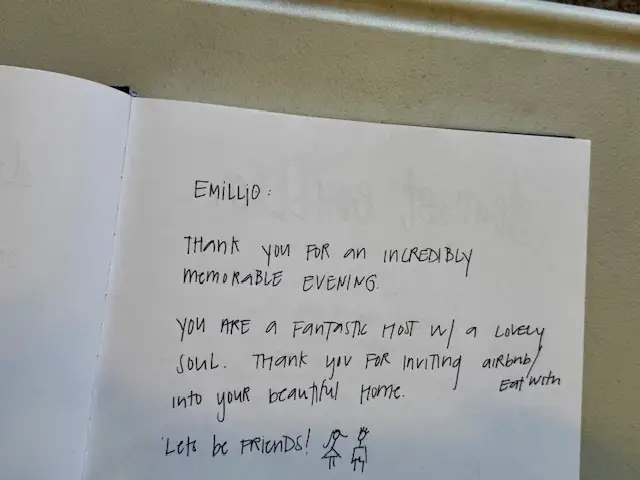
I have received letters from guests and companies, thanking me for saving their day — or sometimes, their job. These moments are proof that, with technology as a tool and a person at the heart, we make a powerful team, but the human is always the lead operator.
Tech can’t replicate everything
For a time I was hosting curated dinner parties. I wone awards, which was personally reward, especially since some of the recipes I used were from my late grandmother.
Her recipe book is not something AI has access to. Sure, AI can generate multiple fantastic recipes, but could it duplicate the seasoning she taught me to make with my hands from scratch for empanadas? No, I don’t think so.
An opportunity to impact, not take over
Managing expectations in hospitality isn’t just about following a checklist; it’s about listening closely, thinking through challenges, and making choices that are guided by empathy for how guests will feel because of your actions.
Empathy is the key, and so far, technology can’t replicate that. Sure, tech can streamline processes and provide valuable information, but it can’t replicate the genuine human connection that comes from understanding and responding to someone’s needs in person.
The real magic happens when people and technology work together, forming a partnership that elevates the guest experience to something truly special.
Read the original article on Business Insider
The post I’m not worried about AI taking my job. Guests and clients still want a real person to make them feel special. appeared first on Business Insider.