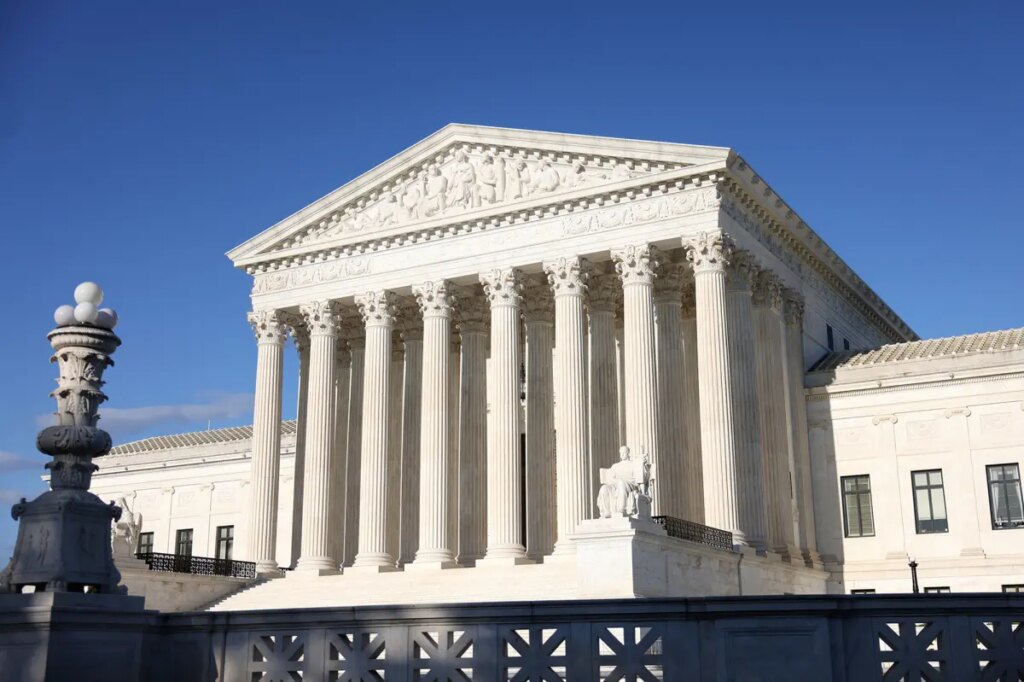
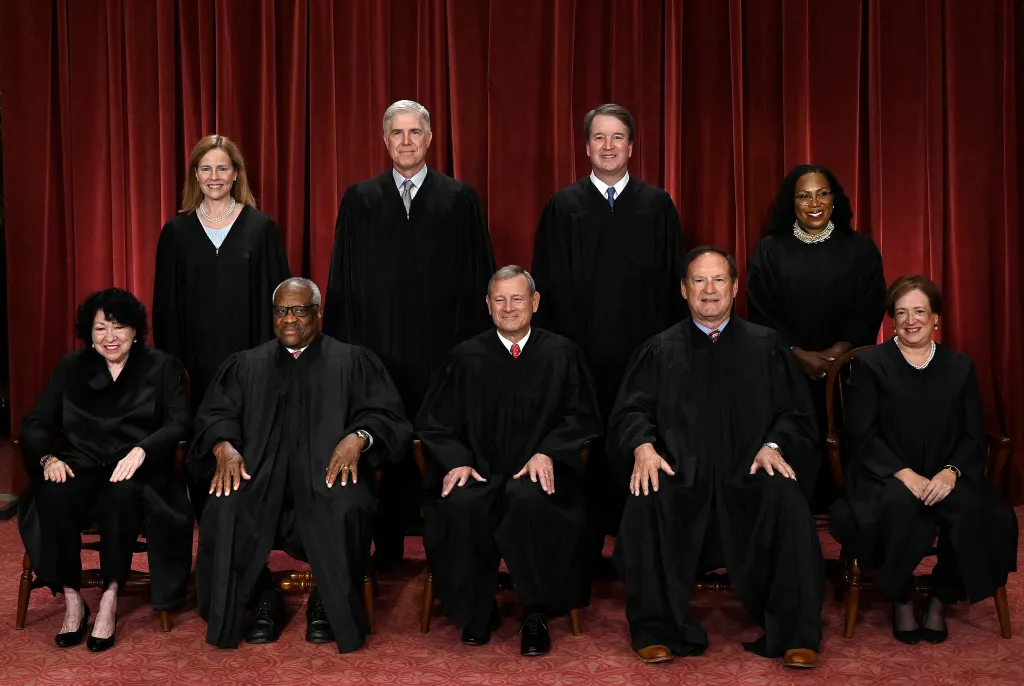
In a widely expected, but nevertheless bombshell decision, the US Supreme Court on Wednesday struck down racial gerrymandering — Congressional redistricting plans designed to ensure black and Hispanic candidates win seats by requiring most voters in the district are of the same race. The Court overturned a lower court decision holding that such “majority-minority” congressional seats were required by the Voting Rights Act of 1965. It’s one of the most consequential decisions in years.
The response from the left was predictable sky-is-falling rage. Hakeem Jefferies referred to the Supreme Court as “illegitimate” (just three days after an attempted assassination of the president) and Chuck Schumer reprised President Biden’s claim that any change to voting laws not favoring Democrats was automatically Jim Crow 2.0.
But it’s important to know what the Supremes did and didn’t do.
Importantly, the Court reaffirmed legal protections against any efforts intended to dilute or impede the minority vote. It even affirmed the use of race-based remedies for any actual discrimination in voting procedures.
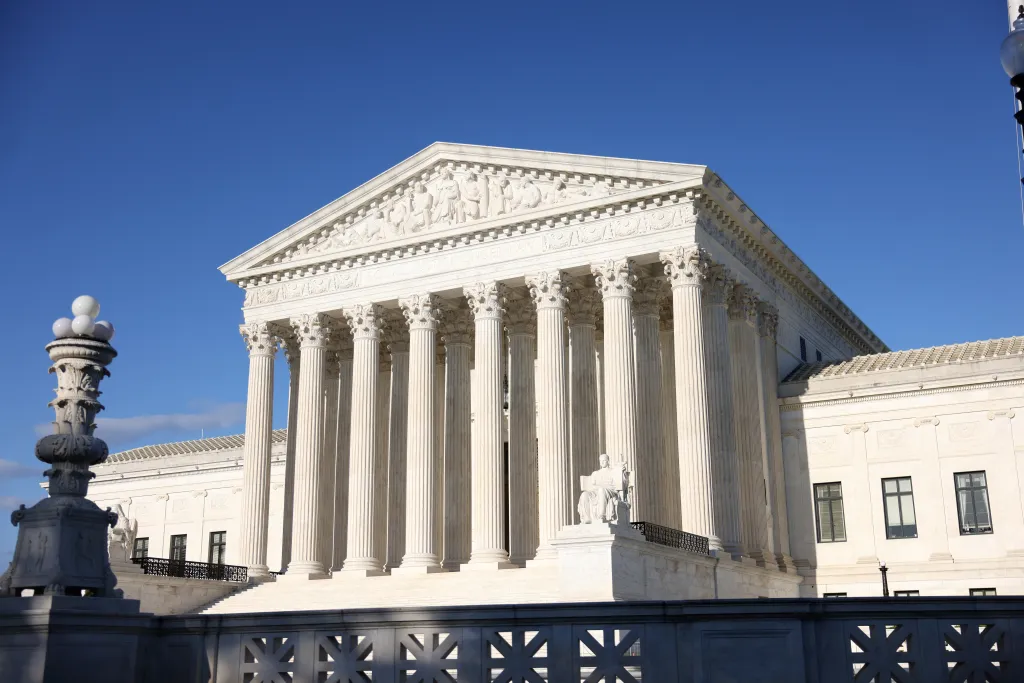
But beyond that, the majority made clear, as it did on affirmative action in college admissions, that race has no place in public policy decision-making whatsoever.
Essentially, the court repeated Chief Justice John Roberts’ 2007 aphorism: “the way to stop discrimination on the basis of race is to stop discriminating on the basis of race.”
Thus, while equal protection forbids any law or practice making it harder to elect a minority candidate, it also forbids any law or practice making it easier for a minority candidate to get elected by virtue of the racial gerrymander.
No ethnic group — be they Jewish, Lebanese, Chinese or Sinhalese — is entitled to this privilege even though they and many others have faced past discrimination.
Second, the majority clearly rejected the view, held by many Democrats, that the country is so irretrievably racist that black and Hispanic candidates must depend on majority-minority districts to win because white voters won’t vote for them.
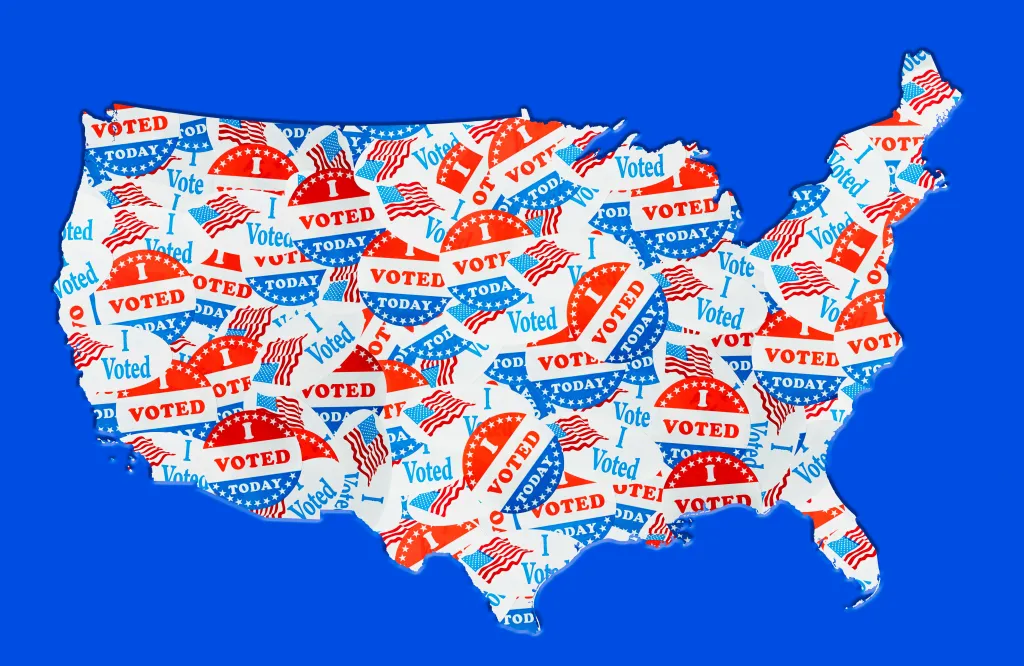
Byron Donalds, a black Republican, is the presumptive favorite to win the governorship in the deep-south state of Florida. Senator Tim Scott, a black Republican, has been elected four times by South Carolina voters. President Barack Obama was elected twice resoundingly with cross-over Republican voters. In four of five of the last presidential contests, a black candidate has been on the national ticket despite being 13% of the population.
Thus, the Court rejected as patronizing the idea that blacks can’t build multi-ethnic coalitions in places like the South, even if those coalitions may require more centrist or even conservative leaning candidates.
Finally, the court also argued that segregation of any kind harms everyone, including black and Hispanics voters.
Racial gerrymandering is really a form of racial sorting that takes black and Hispanic voters off the table in many districts where they might otherwise be the margin of victory.
That means fewer candidates compete for their votes and that black and Hispanic voters hear less of a vigorous ideological debate — about for example, whether the public schools are failing their youth dismally, or whether building individual agency is better than big government wardship.
Segregating the electorate can also build walls rather than bridges between racial groups, resulting in more division, resentment and zero-sum sectarian attitudes among voters of different groups. At least this is what the court seems to be hinting at.
But whether one agrees or disagrees with the majority’s reasoning, the Court’s ruling is here to stay. And that presents an existential issue for Democrats.
There are approximately 122 “majority-minority” seats in the House — most belonging to Democrats. Of these, at least 12 such seats in the South will almost assuredly shift to Republicans — just for starters.

At least a dozen other such shifts will soon follow as voters flee high-tax blue states like New York and California for red states like Florida. And the GOP will pick up even more if the Supremes, as expected, block illegal aliens in the next census count.
All told, the GOP could see a net transfer of over 30 Congressional seats in the next few years. That could mean Republican control of the House as far as the eye can see. The simultaneous shift in the electoral college will also mean that Republicans can easily win the presidency without the Rust Belt swing states.
Democrats have a choice here. One the one hand, they can fall back on rage and dig in on the “demography is destiny” identity politics that grew out of the Obama era.
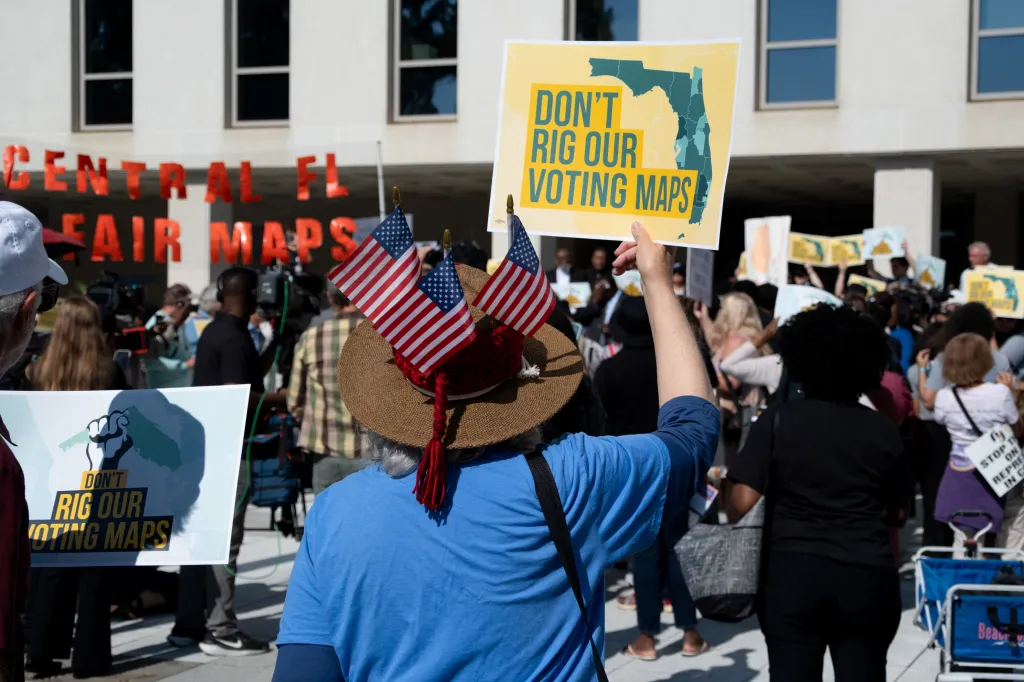
When you hear about Democrats’ pipe dreams on packing the Supreme Court, adding Puerto Rico and DC as two new Democrat states and ending the filibuster — all of this is the doubling down on a dumb plan that denies the tectonic shift that is occurring.
On the other hand, Democrats can see the writing on the wall, grow a spine and, in a Sister Souljah moment, move to the center as this new electoral map will require and reject their increasing shift to the polarized left of cultural extremism, high taxes and the welfare state.
Julian Epstein has served as chief counsel for the House Judiciary Democrats and staff director of the House Oversight Committee.
The post What will the new congressional redistricting mean for the House? appeared first on New York Post.