
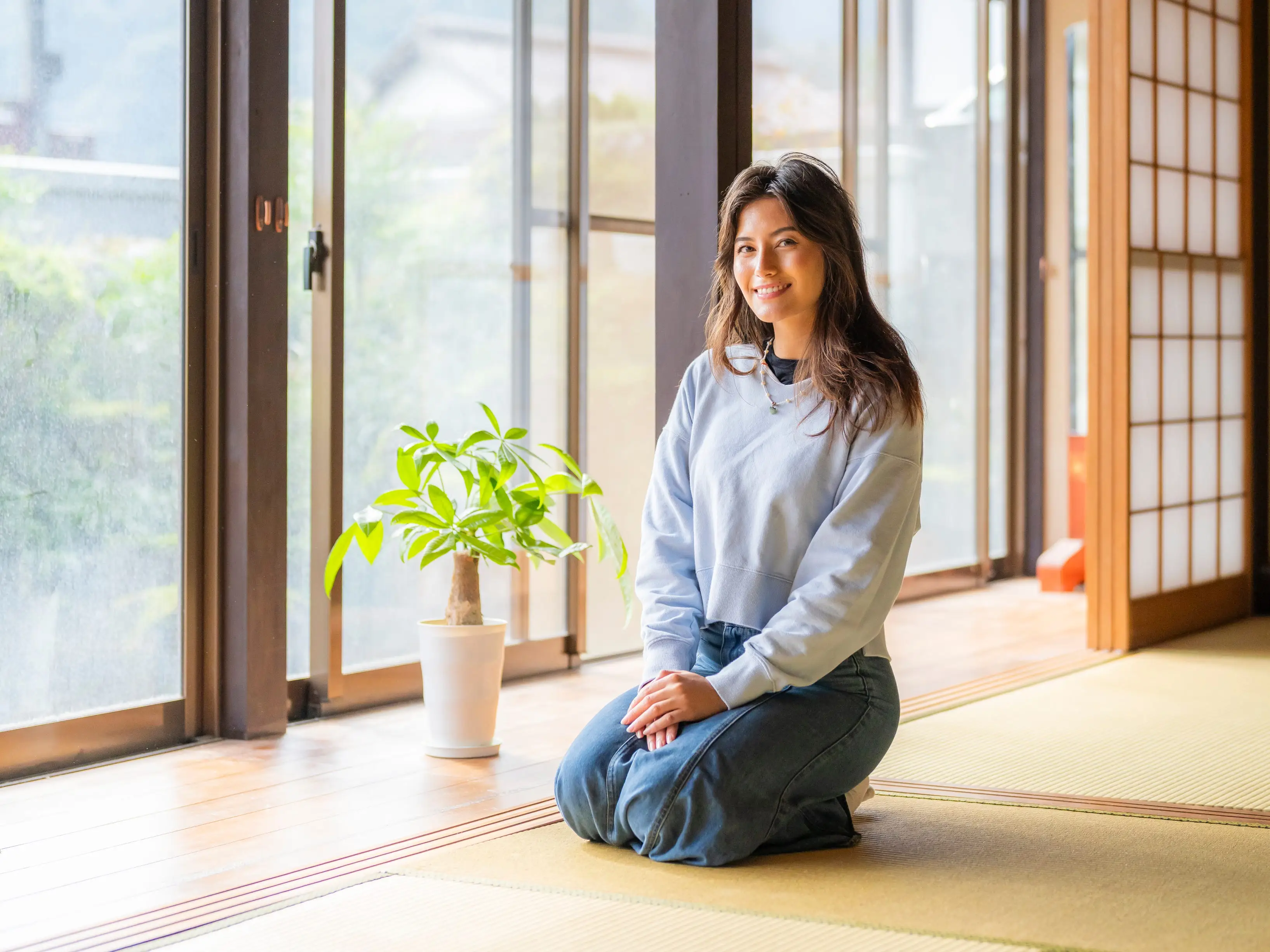
This as-told-to essay is based on a conversation with Kira Bella, 25, the CEO of Kirameki, an experiential travel company in Japan. It’s been edited for length and clarity.
After graduating from college, I made plans to travel indefinitely, and I began with a year visiting 16 countries across Asia and Europe — but Japan checked all the boxes for me in a way that nowhere else did.
I moved there on a 6-month working holiday visa and kept extending it. During that time, I found a few jobs and traveled around the country.
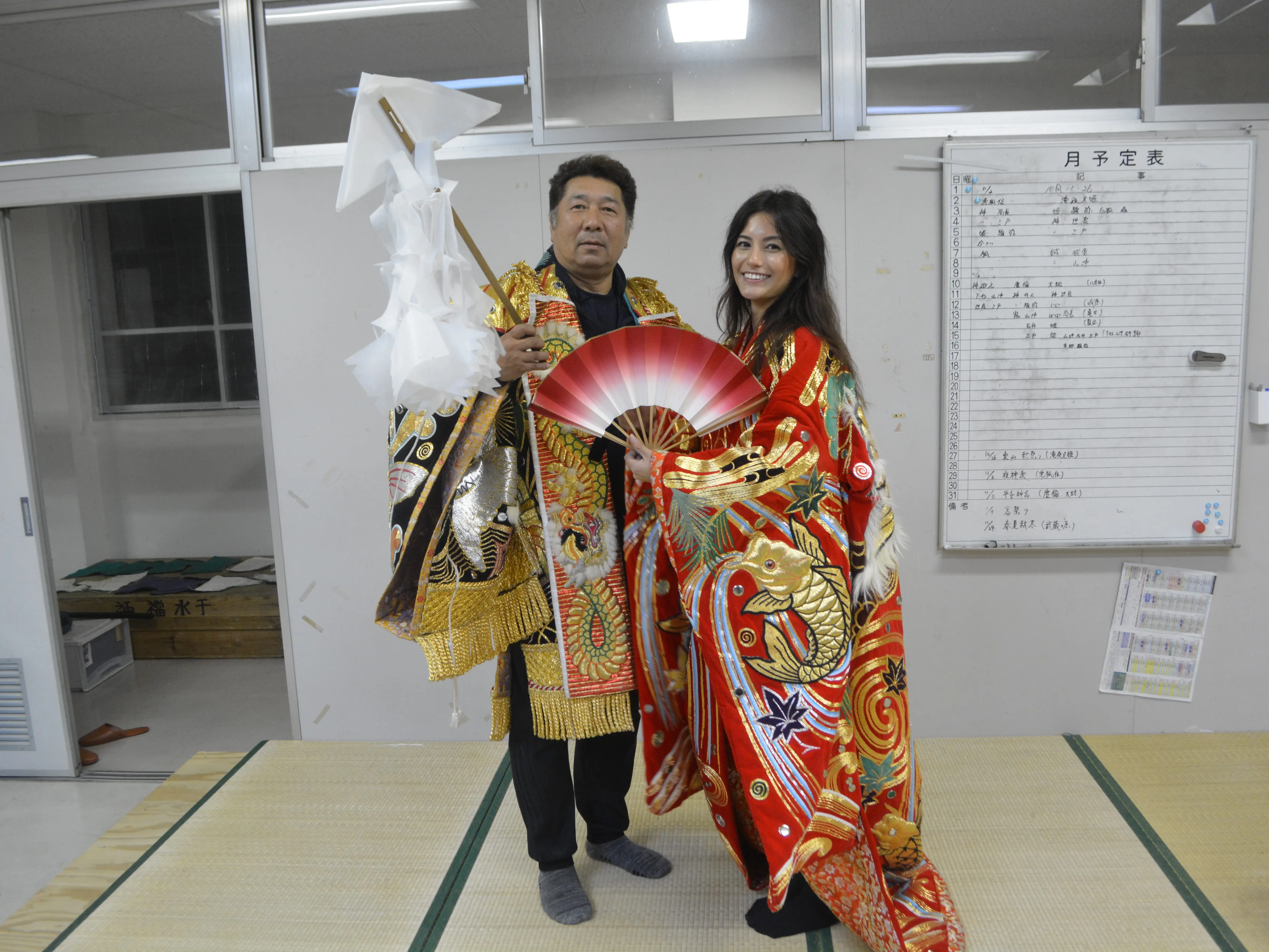
I became especially interested in rural towns after discovering kagura, a performing art rooted in Japanese mythology. It’s still actively practiced in Kitahiroshima, the small city, just southeast of Sapporo, where I live now.
I joined the dance team and quickly clicked with people. It felt like I’d been adopted by the entire community.
As my visa was nearing its end, I wasn’t ready to leave. I started looking for ways to stay and came across the business manager visa. One of the requirements was to have a business idea, so I developed a rural revitalization concept for my rural town and didn’t think much of it at the time.
In February 2025, I got the visa.
A life well traveled
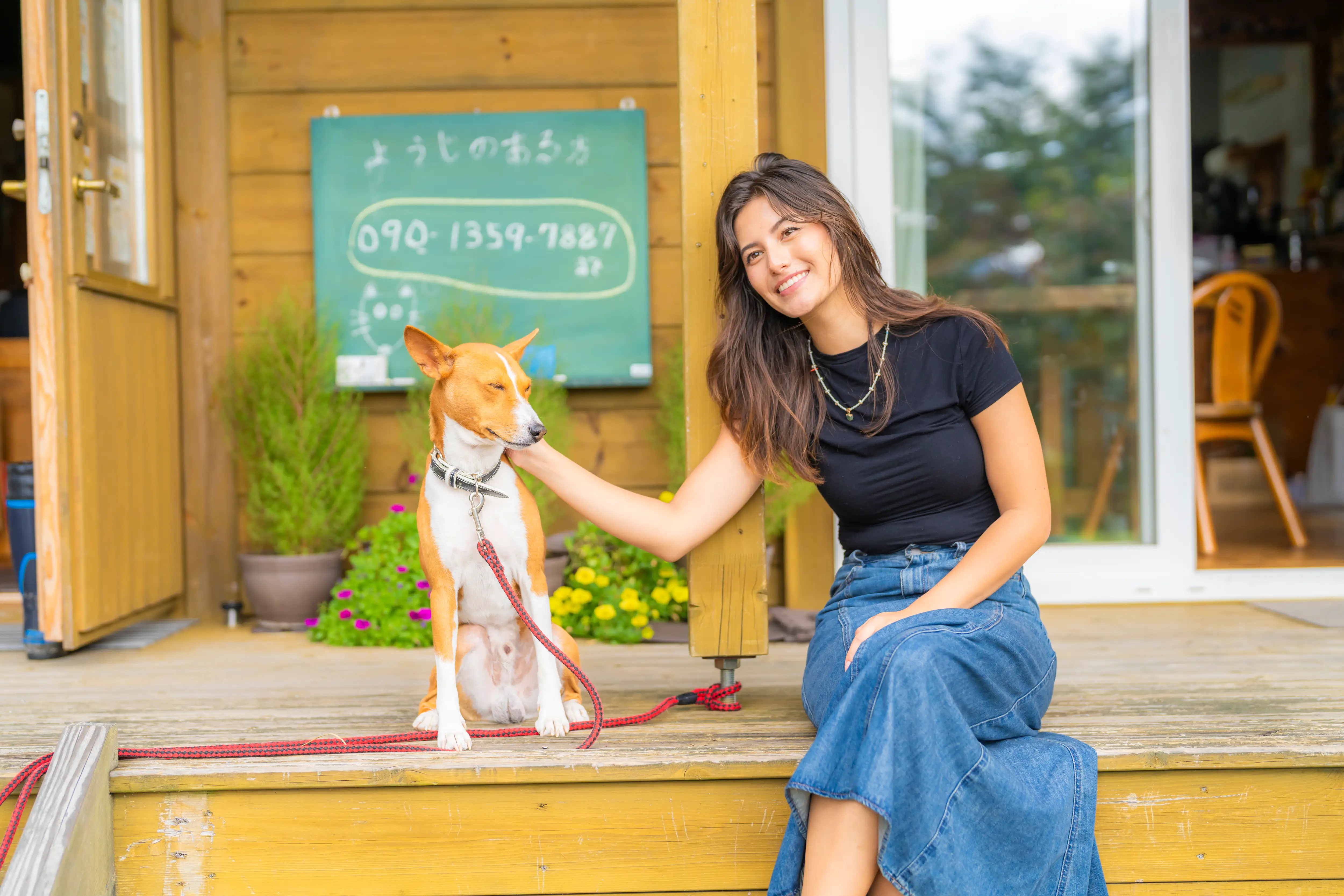
I’m not Japanese. I have dual Australian and American citizenship and a mix of different ethnicities. I was born in Tanzania, raised in Australia, and moved to the US when I was 15.
My American father worked for the United Nations, so we traveled a lot growing up. My mom is from a small village in Myanmar, and I was raised Buddhist. That shaped how I travel and how easily I integrated into life in Japan.
Finding my way in Japan
I’ve had part-time jobs since I was 15. I started at McDonald’s, then worked as a waitress through college.
By my senior year at the University of Oregon, where I majored in environmental studies, I was juggling three jobs and had saved about $30,000. My savings helped when I decided I wanted to apply for the business manager visa in Japan. One of the requirements is to have 5 million Japanese yen, which matched what I had saved up in dollars.
Getting the visa was a long and tedious process. It was the biggest hurdle for me. Everything felt very archaic. I had to use only paper and stamps, which was exhausting. As a foreigner and new business owner, I simply had to adapt; the country wasn’t going to adapt to me.
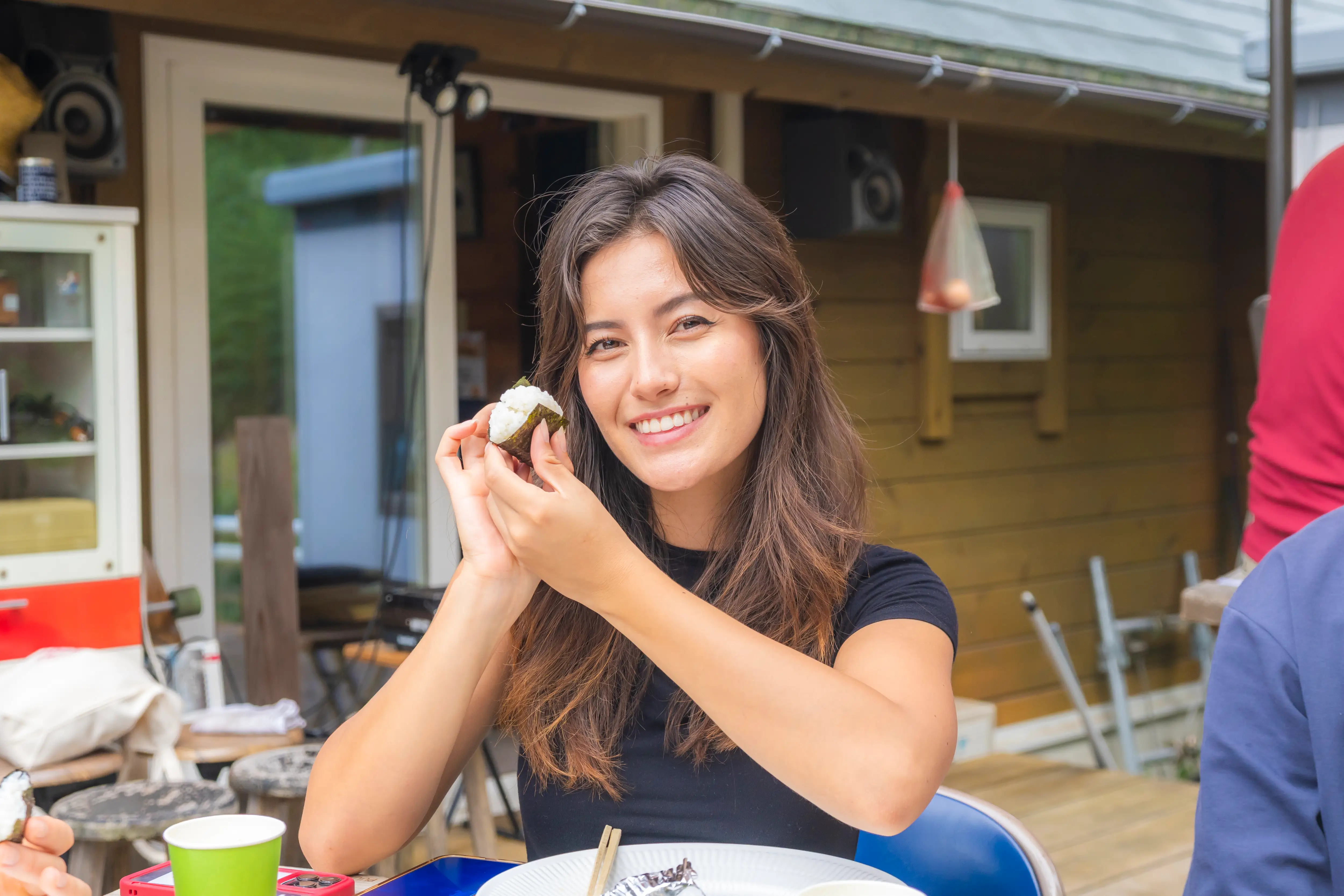
Now, I run a rural tourism business that connects visitors with local life. I organize stays in traditional inns and work with farmers, artisans, and performers to create experiences.
As the only native English speaker in town, I handle marketing, coordination, and hosting. I also build itineraries and guide guests, which is how I generate revenue. I learned Japanese through immersion; I haven’t taken any formal lessons.
Every day presents a new experience
Running a business here has pushed me to take risks. I’ve had to take financial leaps to invest in property renovations and acquire abandoned traditional Japanese houses for my business.
I’ve applied for the business manager visa twice — first as a sole proprietor, then again a year later, since the initial visa is typically valid for only one year. I invested about ¥10 million, or around $60,000, in the business, and in my first year, I reached profitability, earning close to ¥7 million.
It has been difficult to maintain the visa since the requirements keep changing, but I chose to stay the course. Navigating Japanese bureaucracy has been a challenge, but it has made me stronger-willed.
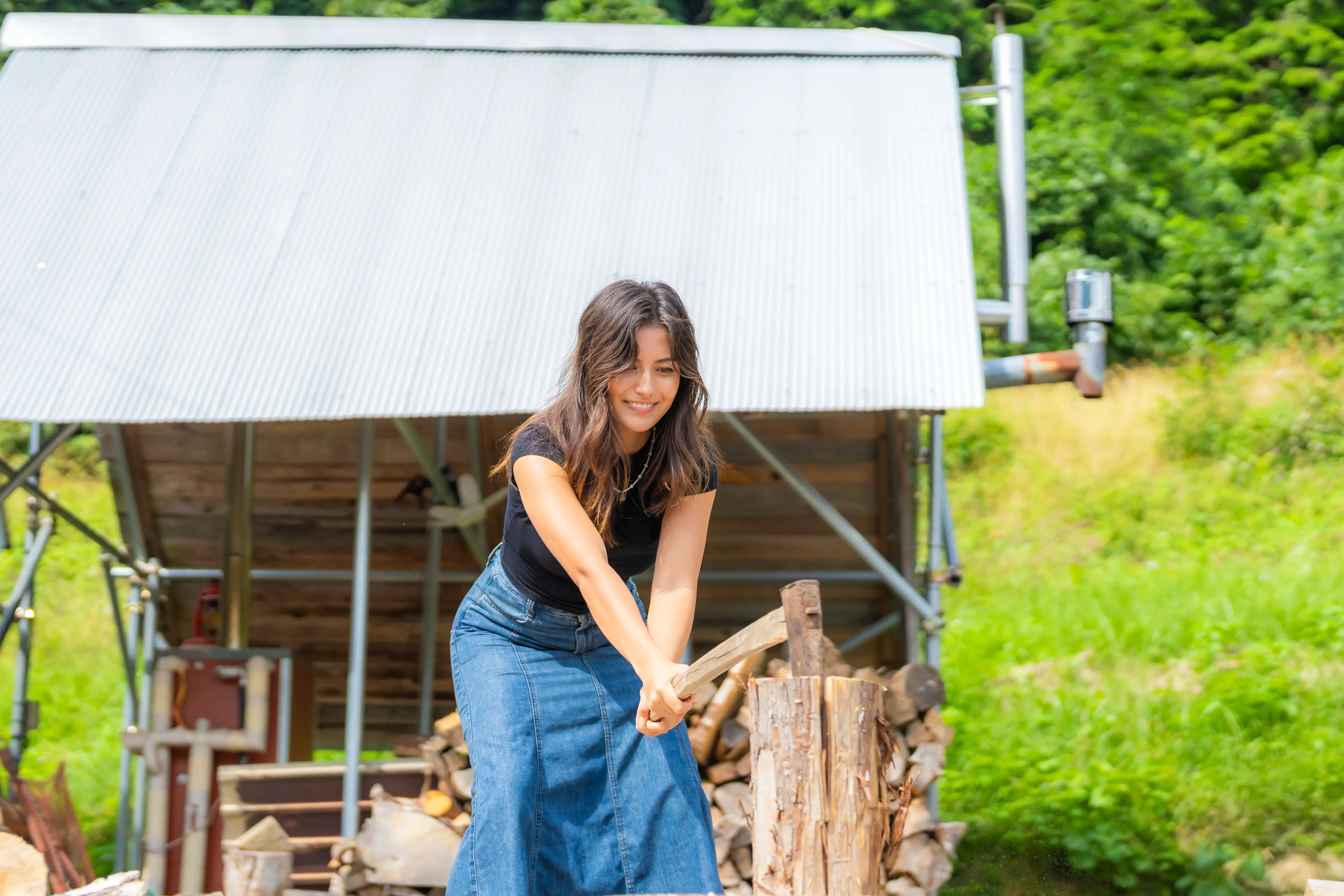
I initially found it hard to trust anyone to do as good a job as I do. It’s still difficult to imagine the business operating without me. I realized that I can hire the right people and delegate tasks so I don’t get overwhelmed.
Now I have four employees and a team of interns that I rely on. Initially, I found it scary to trust anyone but myself. The experience has been a great learning curve for me.
I’m still figuring out how to balance life and work. My priority is to have fun with my business. I’m normally hosting and showing people around the town, or busy coordinating with interns or volunteers.
I also act as the storyteller of the traditional activities in the countryside. I’m like an entertainer. On my computer, I respond to inquiries or plan the itinerary for the next group of visitors.
I have three properties to look after — my home, my office space, and a traditional house I was gifted — so if I can genuinely take a rest, I spend the time maintaining them. I work in my garden and do a lot of planting and harvesting vegetables. I also cook and journal, or if there’s a chance, I try to fit in some pottery.
I don’t have weekends or work hours. When you’re the owner, you can never clock off.
Japan still feels new to me. I’m not Japanese, so every day feels like I’m learning something.
Read the original article on Business Insider
The post I planned to travel indefinitely — instead, I started a company in rural Japan appeared first on Business Insider.