The famed Dr. Martin Luther King once declared that he looked “to a day when people will not be judged by the color of their skin, but by the content of their character.”
With in its seminal decision today in a congressional redistricting case, known as Louisiana v. Calais, the United States Supreme Court took a step, not a leap, in that direction.
The national political implications of the ruling could be massive –– possibly producing a red tide in the decade to come.
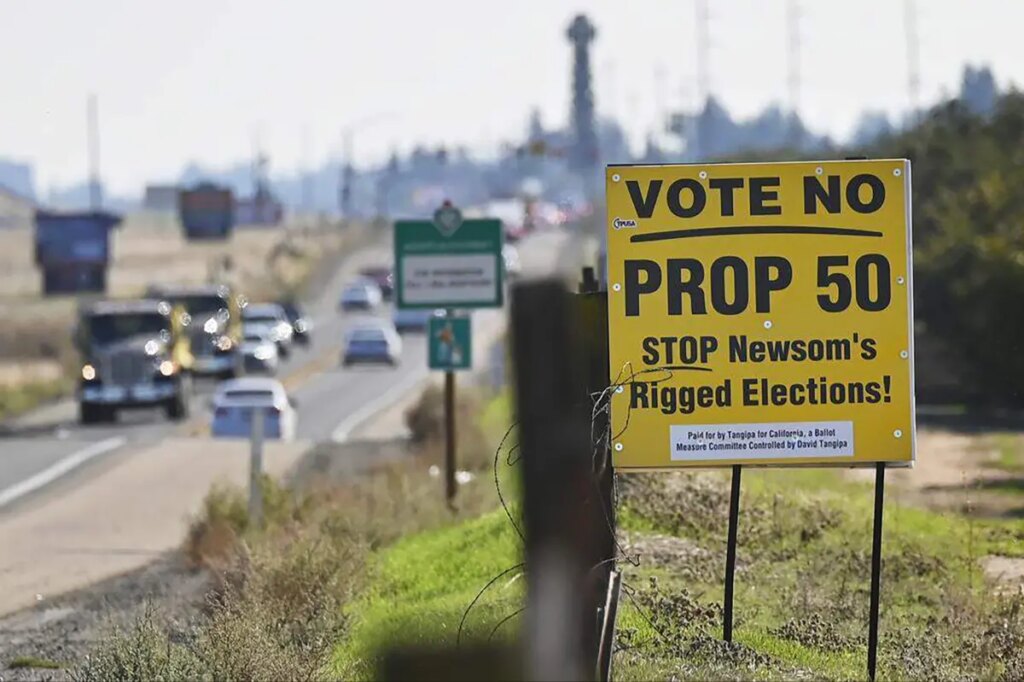
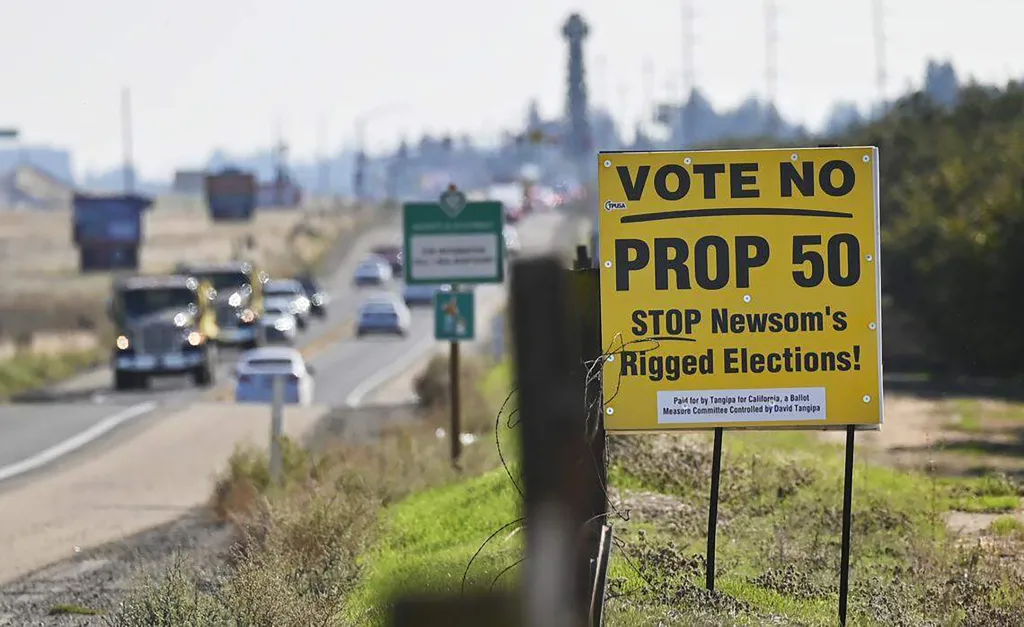
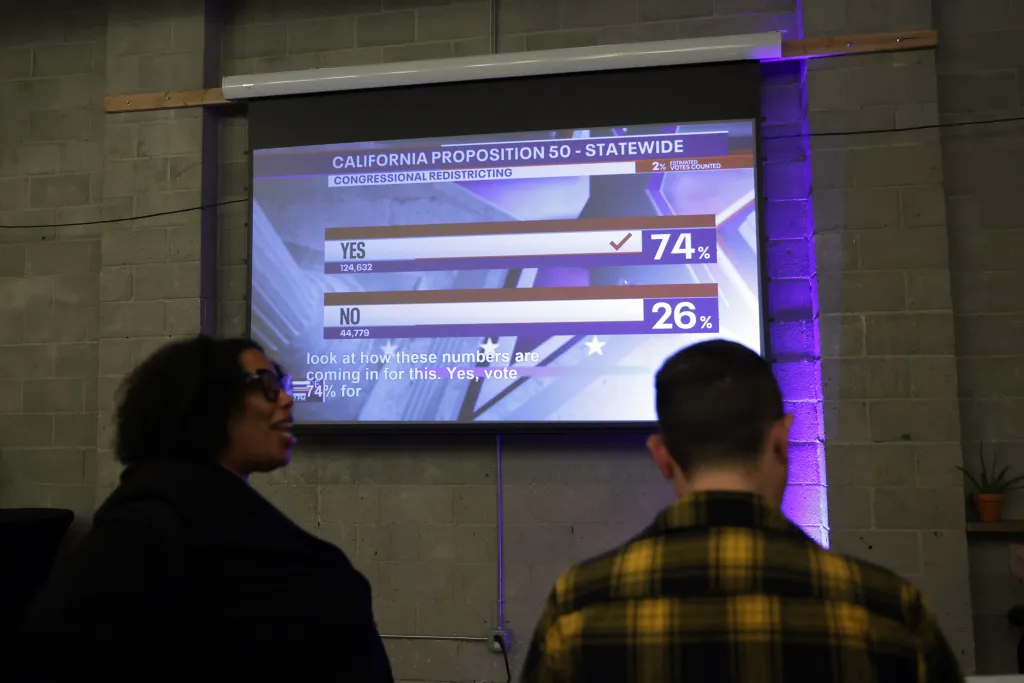
As for California, this ruling likely won’t affect Proposition 50 and Gavin Newsom’s 2026 congressional districts. But it could well affect the next elections, and may have long-term benefits for those seeking fairness in the state.
The decision does have limits, despite the hysteria from Democrats and the media. It is important to note that Louisiana v. Calais involved an unusual case, as racial redistricting cases go.
The Louisiana map was originally challenged because it failed “to include a second majority-black district.”
During the litigation process, an injunction was issued by the state court requiring the Louisiana legislature to draw a new map because of the absence of that second majority-black district.
In response, the Louisiana legislature drew a new map for the express purpose of creating that second majority-black district.
That express race-based purpose was decisive in the Supreme’s Court’s ruling to strike down that map because, according to the Supreme Court, “the Fifteenth Amendment bars … state action ‘motivated by discriminatory purposes.’”
It turns out that a map drawn for the benefit of one racial group alone discriminates against all others. That could well result in one additional Louisiana Republican congressional seat this fall.
However, the Supreme Court did not go as far as many people would like –– especially given the redistricting fights going on today.
In making its decision, the Supreme Court noted that it is in no way stopping the usual redistricting games — such as purely partisan redistricting, or even redistricting done simply to protect incumbents.
Indeed, the majority opinion by the six Republican-appointed justices affirmed that “partisan gerrymandering claims are not justiciable in federal court.”
In other words, the Supreme Court affirmed that federal courts have no authority to stop partisan gerrymandering.
Of course, that ruling roiled all three of the outcome-based liberal Supreme Court justices.
Those justices — Elena Kagan, Sonia Sotomayor, and Ketanji Brown Jackson — continue to seek rulings that ensure “social justice” outcomes regardless of, or at the expense of, constitutionality.
As a political matter, this Supreme Court ruling could be monumental on a national scale.
Democrat analysts are “freak[ing] out” because as many as 19 seats (drawn for race-based results in numerous states) could move into the red column between now and 2032.
Given the slim margins that both Democrats and Republicans have had over the last decade, a movement of 19 seats in the direction of Republicans could be a sea change in American politics.
As for California, Mark Meuser, lead counsel for the Republicans unsuccessful Prop. 50 challenge, cautioned Republicans against hoping that the Supreme Court decision would overturn Newsom’s maps anytime soon.
The California courts have not found that race was the predominant factor for the Prop. 50 maps. As such, the central ruling of Louisiana v. Calais does not directly apply to the current California seats.
The story, however, does not end there.
Going forward, future redistricting efforts in California will have to comply with the Supreme Court ruling, including the 2030 redistricting.
That sounds good on its face for election fairness. However, it may give the Newsom Democrats even more incentive to get rid of California’s Independent Redistricting Commission, which was sidelined until 2030, so that the Democrat supermajorities in the legislature can draw highly partisan maps.
At the local level in California, the Supreme Court ruling should restrain aggressive Democrats’ efforts with respect to the drawing of city and school board districts. Many such jurisdictions were threatened over the last decade with litigation if they did not comply with California’s version of the Voting Rights Act.
Those threats had the effects of reducing Republican representation, according to some critics.
This new Supreme Court decision could help blunt future gerrymandering at the local level.
But it won’t stop gerrymandering completely. Expect the redistricting games to begin again in earnest under the new rules.
Thomas Del Beccaro is the chairman of Californians for Election Fairness.
The post How Supreme Court’s ban on racial gerrymandering affects California appeared first on New York Post.