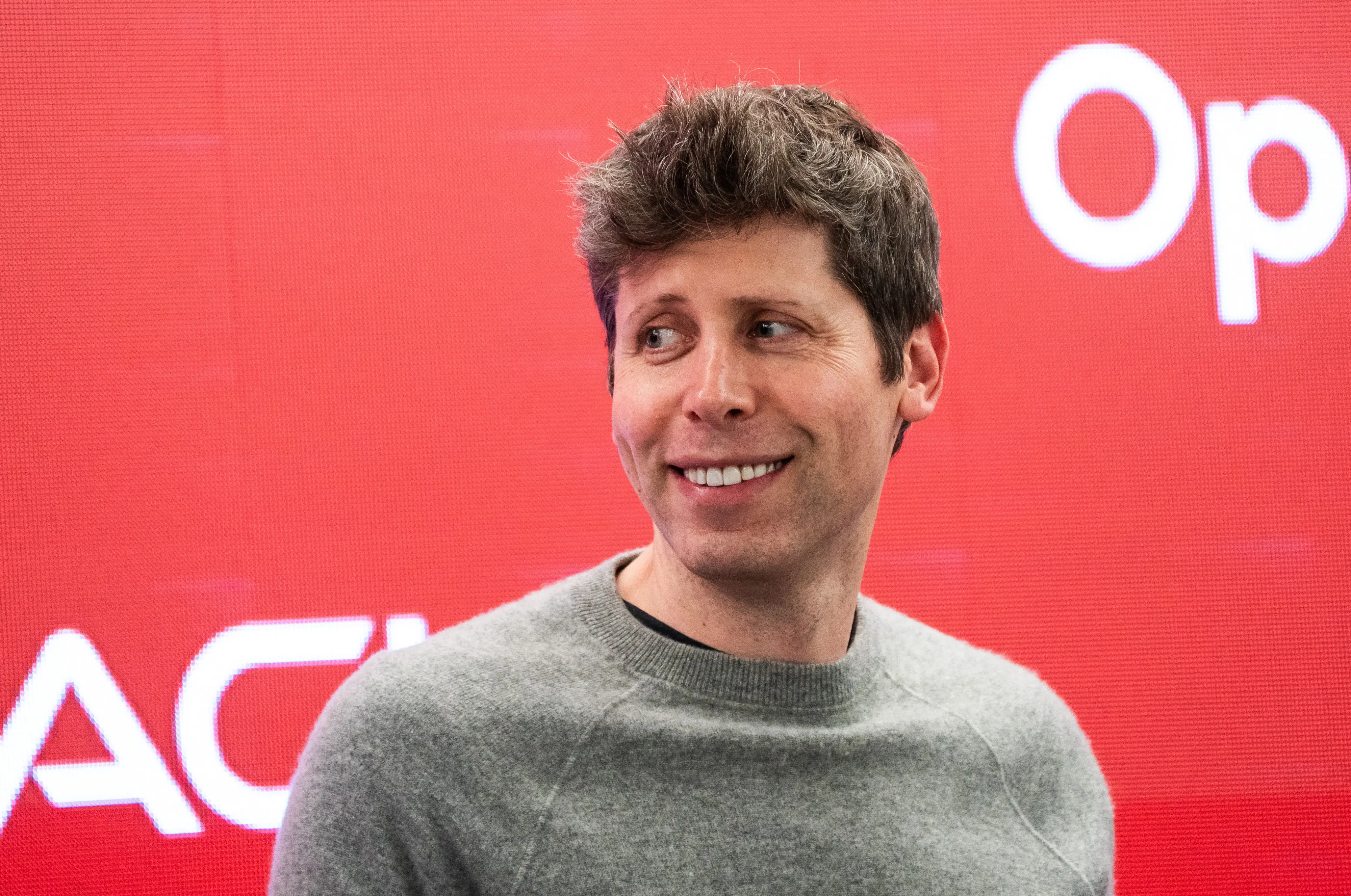
There’s a fresh batch of concern around AI’s future — and OpenAI is at the center of it.
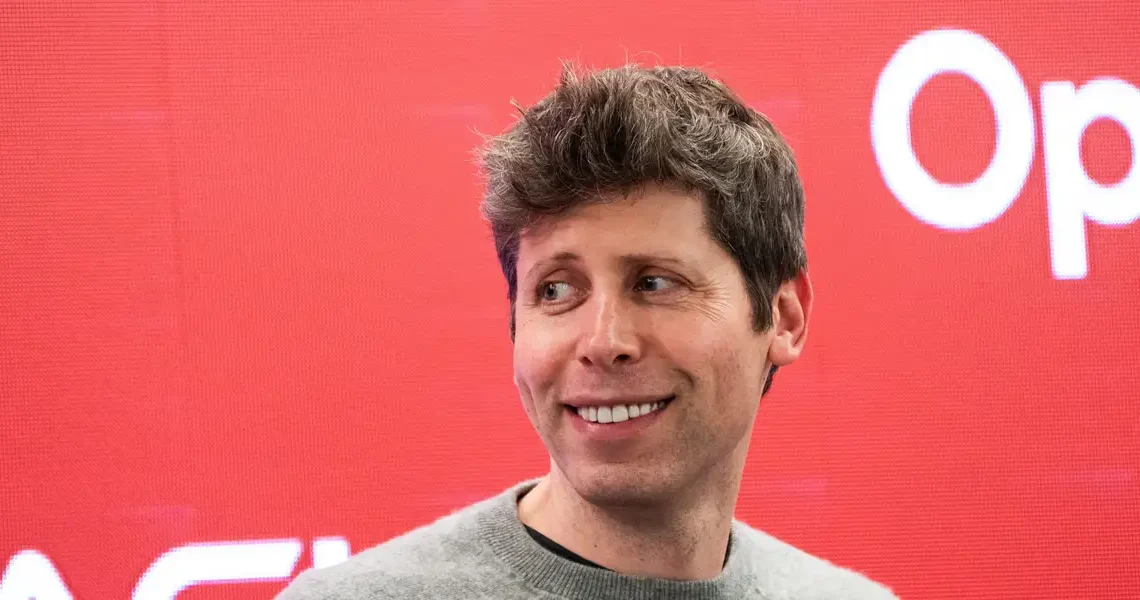
On Monday, The Wall Street Journal reported that OpenAI missed internal revenue targets and fell short of last year’s goal of 1 billion weekly active users, citing people familiar with the figures. It also reported that CFO Sarah Friar had warned other executives that the company needs to grow revenue to keep up with its future computing contracts.
OpenAI called the report “clickbait” in a statement to Business Insider. The company said the business is “firing on all cylinders,” with enterprise demand stronger than ever.
Still, Wall Street’s reaction was immediate: Shares of companies tied to OpenAI — from chipmakers to infrastructure partners — flashed red on Tuesday morning. The Nasdaq composite was down more than 1% in midday trading.
Here’s what some of the industry’s smartest voices are saying.
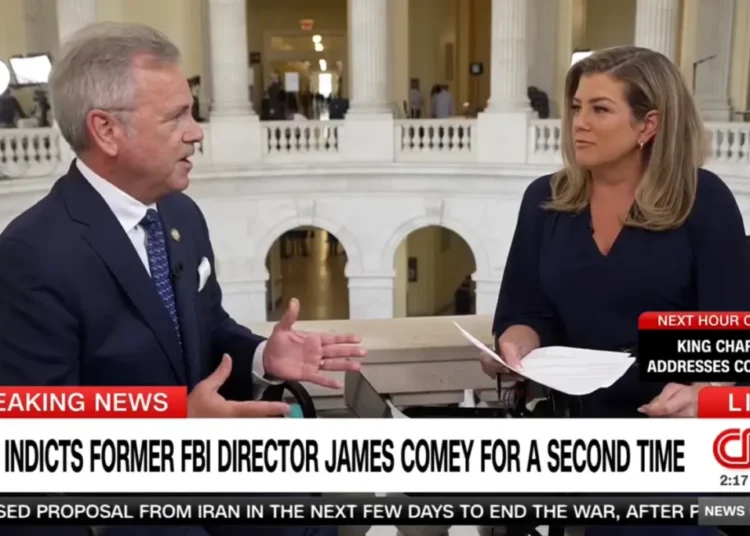
Dan Ives, Wedbush’s managing director
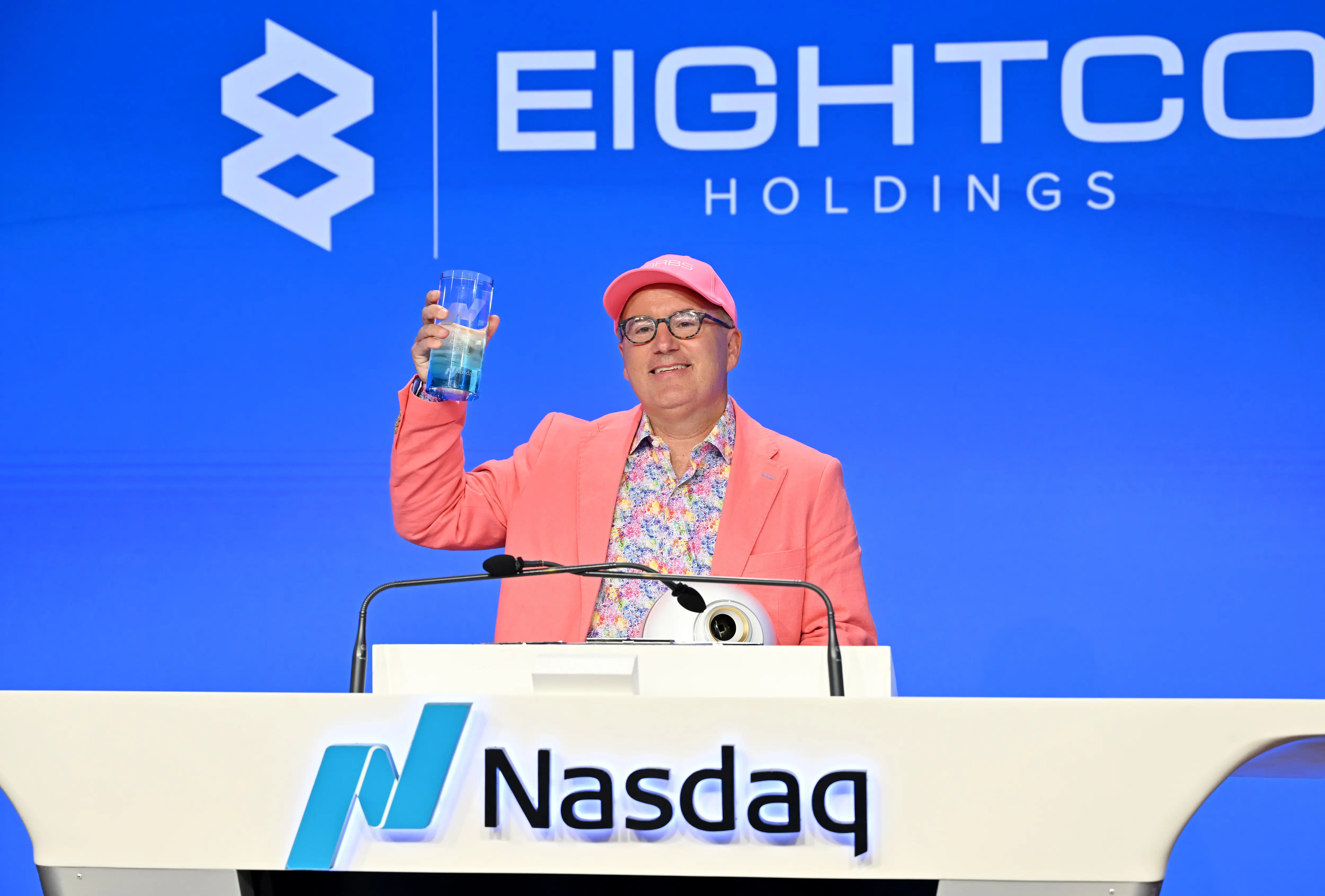
Wedbush’s Dan Ives — a longtime AI bull — wrote on X that investors are misreading OpenAI’s growth.
“OpenAI has been tracking very high demand on both the consumer and enterprise front,” he wrote on Tuesday. “We strongly disagree with the notion that growth is weakening.”
He called the market’s drop a “way overreaction” — and included a target, gold trophy, and bull emoji for full effect.
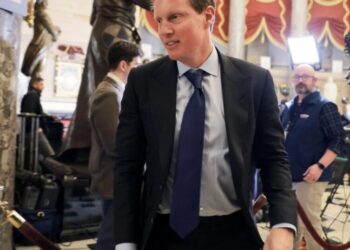
Gary Marcus, NYU’s professor emeritus of psychology and neural science
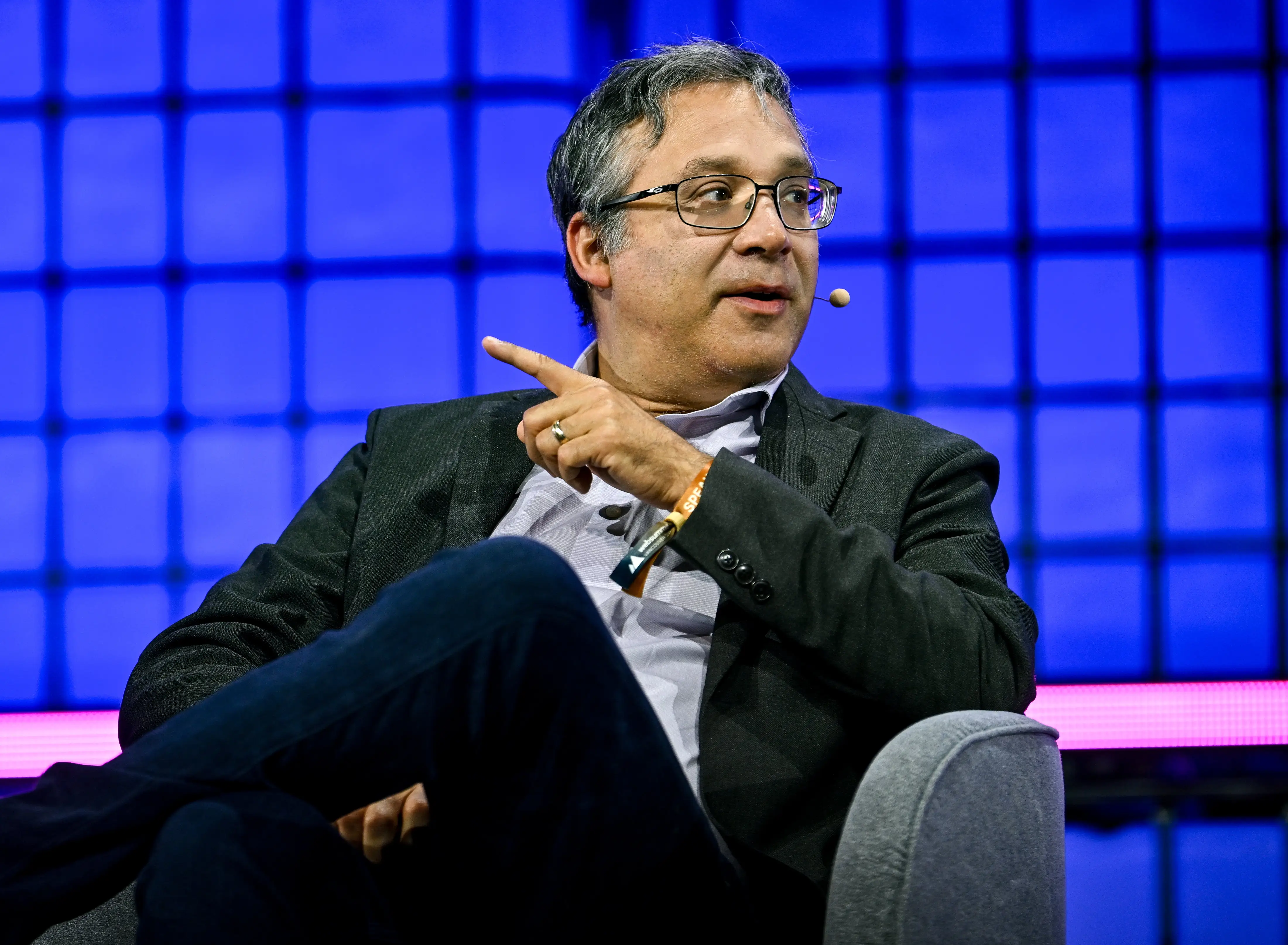
On Tuesday, Gary Marcus, a professor emeritus of psychology and neural science at New York University, said Monday’s report was a flashing warning.
On X, he wrote that OpenAI has missed its “exponential growth” expectations and said the company could “someday be seen as the WeWork of AI,” referring to the failed office-sharing company.
“OpenAI, which squandered its tremendous lead and is now missing its projections, is in trouble,” he said. “There’s no two ways about it.”
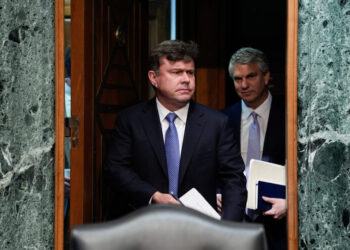
Jim Cramer, CNBC’s host of “Mad Money”
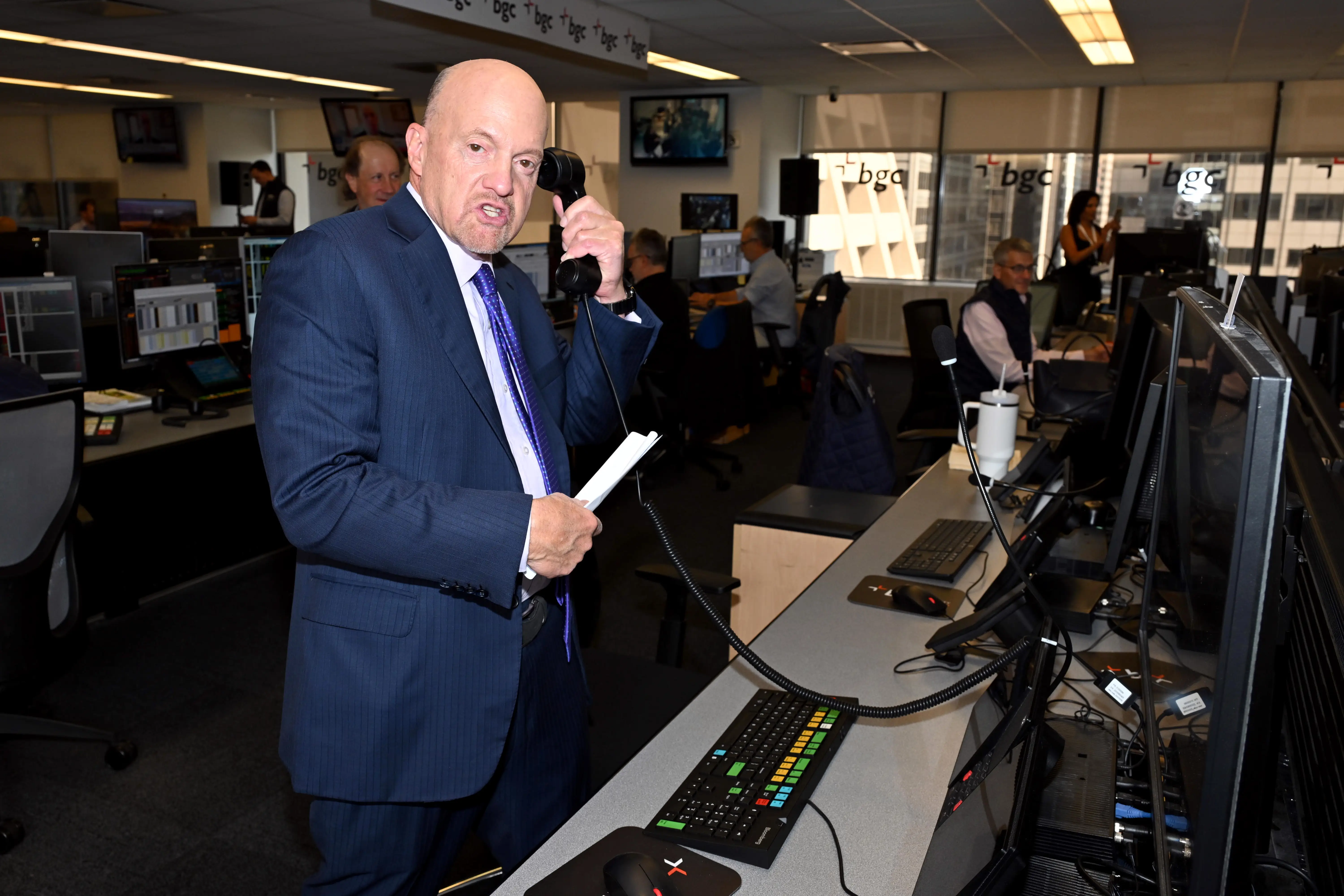
Jim Cramer, the former hedge fund manager and the CNBC “Mad Money” host, blasted the Journal’s report as a “hit job” in a series of posts on X.
He said the story misses recent momentum around OpenAI’s agentic coding tool, Codex.
“The bottom line: they are short compute and Codex is on fire,” he wrote, meaning the company lacks enough data center infrastructure and processing power to keep up with user demand.
Cramer also said OpenAI has faced repeated concerns about its growth prospects, including the company’s December worries about AI competition from Google, but has continued to raise investment.
“Remember Code Red?” he said, referring to when the company had gone into emergency mode to fend off competitive threats. “All that has happened is that OpenAI has been able to raise more and more money.”
Joe Mazzola, Charles Schwab’s head of trading and derivatives strategist
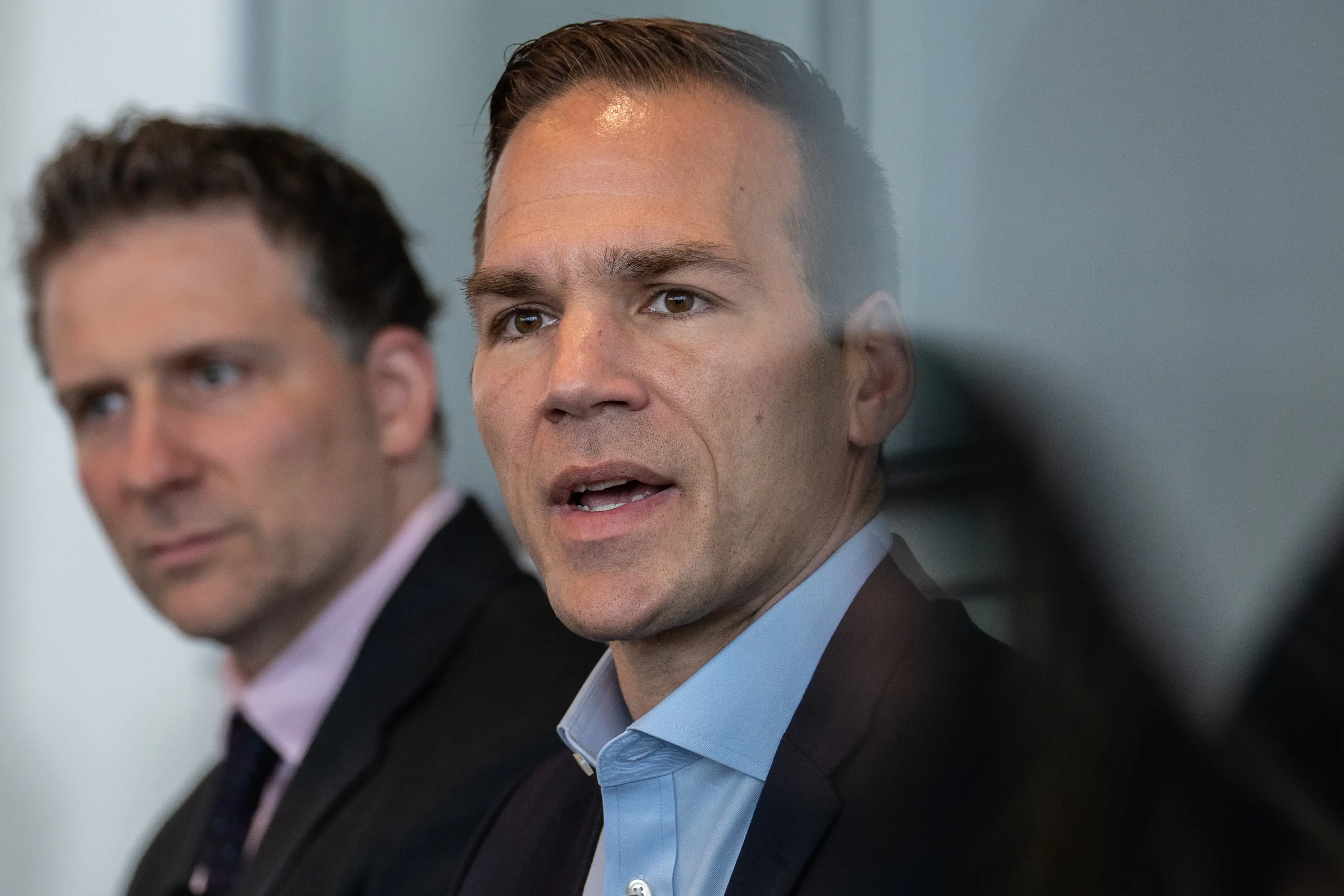
Joe Mazzola, head of trading and derivatives strategist at Charles Schwab, who analyzes market sentiment, said in a note on April 28 that the OpenAI news is already weighing on AI-linked stocks.
He pointed to declines in Arm Holdings, CoreWeave, Oracle, Advanced Micro Devices, and Nvidia on Tuesday, and noted that “CoreWeave and Oracle both have large deals with OpenAI.”
That’s raising concerns about whether OpenAI can meet its previous multi-billion-dollar spending commitments, he said.
The uncertainty, he suggested, is starting to ripple into fresh concerns about other AI companies.
“One question is whether the issues are isolated to OpenAI or extend to competing AI developers like Anthropic — the maker of Claude — and Alphabet’s Google Gemini,” he wrote. “Demand is growing faster than the infrastructure needed to support it, frustrating some users.”
Noah Kenney, Digital 520’s founder

Noah Kenney, founder of AI consultancy Digital 520, told Business Insider the stakes go well beyond OpenAI itself.
“When the category leader misses on both users and revenue while underwriting roughly $600 billion in data-center commitments, the issue is not whether AI demand exists,” he wrote. “Those internal forecasts were the basis for contracts. A recalibration at OpenAI flows directly into their order books.”
Kenney said that OpenAI is unlikely to pull back from its massive buildout but needs to show “tighter discipline” in its current spending.
Read the original article on Business Insider
The post What smart people are saying after a report that OpenAI missed key growth targets appeared first on Business Insider.