How long will you live? How much money will you need to maintain a comfortable lifestyle? Should you worry about the kids? Should you downsize? What happens if you get sick?
The prospect of aging is rife with unknowns. For many, it’s a dark forest, with little light and no clear paths indicating where and how they should proceed. And even those who look happily toward a life without work — who are excited for the time to pursue their interests and dreams — worry about how they will navigate the twists and turns ahead.
Clearly, the questions are on the minds of New York Times readers, who responded enthusiastically to a call to share their best advice for heading into their later years. Below is a sampling of the hundreds of responses to a questionnaire to readers, requesting their stories and best advice to others for meeting their goals. One responder put it succinctly: “Live, laugh and love, but do so within your means.”
Don’t Wait to Save
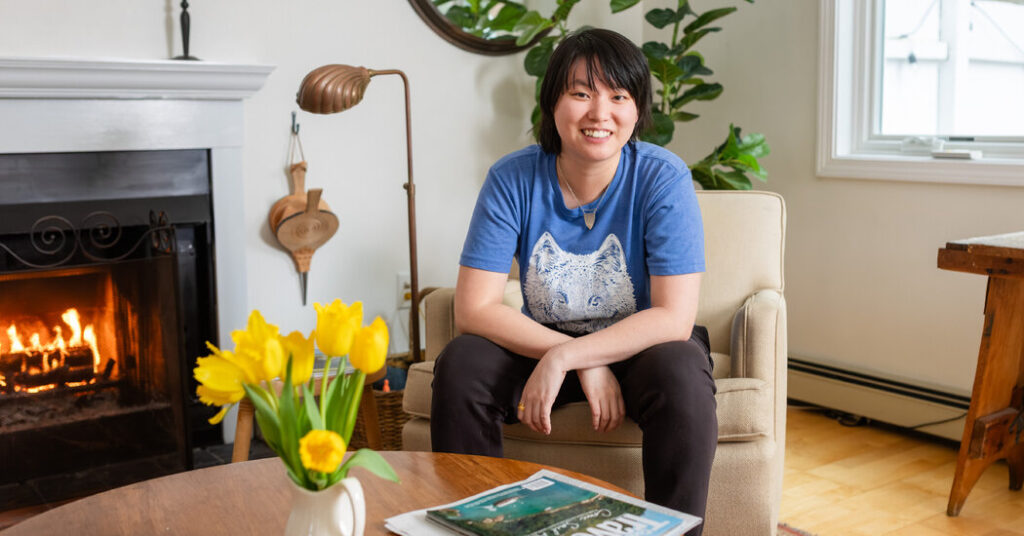
Rae S. Earley, 25 Burlington, Vt. Patient service specialist
As someone who is part of the older Gen Z, I’m very conscious of saving for the future. My dream is to retire early (or at least get into a career I enjoy,) buy a house before 30, and be able to afford a vacation at least twice a year. I realize that that’s out of reach for a lot of my peers, and I’m aware that even considering some of that is privilege. I have managed to stay financially afloat by living with my parents and car pooling or walking. After speaking with a financial adviser, I now have an IRA account, a 401(k) and another account just for saving up for a down payment. I’m not living paycheck to paycheck, but I’m also making under $50,000 a year. I’m nowhere near my parents’ bracket.
Start saving as soon as possible. $50, $20, $5, it adds up. And don’t take what you have for granted. Be grateful for what you do have; maybe you don’t have looming credit card debt, or maybe you have a role model you can confide in.
Embrace a New Identity
Francesco Gambino, 60 Lexington, Mass. Marketing manager, semiconductor industry
The key to a happy retirement is not to let your former job remain your ‘forever identity.’ We need to find new enthusiasm in the gift of time, build some kind of routine around our interests and … thrive happily!
Do not expect anything from anybody, but always expect the best from yourself. Take care of your body and of your spirit, in all the possible ways. They will carry you forward with gratitude. Always be grateful and be able to recognize your blessings. The greatest one happens daily, first thing in the morning, when you rise from bed and realize that you are breathing and your heart is beating: You are alive and well and have received the precious gift of another day on Earth.
Avoid Traps
Barton Lynch, 31 San Diego Market researcher
When I moved to San Diego, I joined a gay swim team. There, I saw guys in their 60s and up living rich, social, active lives for the first time. That has inspired me to think more toward the future. I think that staying fit and social is the secret to longevity. I am doing those things, but also thinking financially. I live at my means and take every opportunity with my husband to save for the future.
Today’s economy is built to convince us we need to spend more money. Keeping up with the Joneses is more than just seeing a new car in their driveway every once in a while; it’s shoved in our faces constantly. We see our friends traveling and doing luxurious things on Instagram, so we think we need to do more of that to live a good life. In addition to this, services like DoorDash and grocery delivery mask the additional expense we pay to enjoy these conveniences. Buy now pay later services put more luxurious goods and services within reach, but punish you on the other side.
Avoid these things as much as possible and focus on what YOU want to do to enjoy your life rather than what it seems like you SHOULD be doing. All of this is caveated by what your income looks like, but I do think that many people who have the income to live a good life feel broke all the time because of these traps.
Work a Little Longer
Myra Lyles, 66 Pittsburgh Housing coach for a HUD funded contract
I’m trying to max out my 403(b). At 66, I’m still working full-time. It’s absolutely essential, considering how much everything costs these days. I had a few setbacks in terms of my earnings, but my goal is to have at least seven figures whenever I retire, and in order to do that, I must keep working to make it happen. The same is true of my relatives in the same age bracket. The cost of living is so high and you’re afraid you won’t have enough to meet your basic needs, so you have to work. I have a few things going in my favor: I’m still healthy and pretty active. Good health is priceless. Hopefully, mine will continue in my later years
Generate Passive Income
Poliana Kirst Duarte, 49 Long Pond, Penn. Independent creative director
Living in New York made saving aggressively difficult, so we decided to move to Pennsylvania and rent out our Brooklyn apartment to generate passive income. At the same time, we bought a fixer-upper that we are renovating while living in it, with the goal of flipping it and repeating the process. Our strategy is to combine rental income, real estate appreciation, and freelance work to gradually build a more flexible and secure retirement outside of the traditional corporate path.
We hope to maintain a lifestyle similar to the one we have now: comfortable but not extravagant. The most important thing for us is having the freedom and flexibility to travel. My family lives in Brazil, so being able to visit them at least once a year is very important to me. We would also like to take one additional trip each year to explore new places while we are still healthy and active. Beyond that, continuing to work creatively, staying intellectually engaged, and not feeling financial pressure to work full time would be ideal.
Our advice is to start saving and investing as early as possible, even if the amounts are small. Over time the consistency matters more than the size of the contributions. It’s also important to educate yourself about personal finance and different ways to build income beyond a salary, whether that’s retirement accounts, investments, or real estate. Finally, be willing to make lifestyle decisions that support long-term goals. For us, leaving New York City and renting out our apartment to create passive income was a big step toward building more financial security.
Live Cheaply
Samuel Sánchez Bonet, 67 Silver Springs, Md. Retired computer scientist
I’m a native of East Harlem, raised by a single mother from Puerto Rico who had no English skills, no formal education, and relied on welfare to support four children in the Washington Houses in Manhattan. I graduated from one of the worst high schools in New York City, Julia Richman, with a 1.0 G.P.A., and I worked from age 9 until this past Sept. 30, when Trump threatened my I.R.S. job and I chose to take the buyout, as did my 65‑year‑old wife. CUNY gave me an almost free education: From high school I went straight to the only college I applied to, Hunter, which had to accept me with a 1.0 GPA, where I earned a computer science degree with a math minor, then went directly to City College of New York for a graduate engineering degree in computer science while driving a New York City yellow cab and raising three children in public housing. Later, I earned an M.B.A. from Johns Hopkins that was fully paid for. Not paying for your education allows you to invest instead. I own a penthouse in Puerto Rico and have 8 grandchildren.
My advice: 1. Live cheaply and max out your 401(k). This means downsize as soon as possible. 2. Never assume that someone else, including the government, will take care of you as you age. 3. Delay gratification. 4. “This too shall pass” has been my affirmation since elementary school in Manhattan. 5. Eleven years ago, at age 57, I convinced my wife, then 55, that we needed to get rid of our big three‑level house and move to a senior community. She fought me but agreed, and now she is glad she did it. 6. I’ve been using a paid A.I. tool to supplement my thinking for a few years.
Start Saving Early
Martrese Beck, 57 Hillsboro, Ore. Principal digital and print product designer, child care and learning company
I’ve worked mostly corporate jobs (from entry-level secretary to my current role as digital designer). The retirement rep at my first on-boarding put the fear of god into me with statistics about saving for retirement as early as possible; I was 21 and heeded that advice.
No matter your age, start saving NOW, even if it’s small monthly contributions (especially if your employer has a 401(k) match. That’s free money you’re leaving on the table). Roth IRAs are wonderful. And don’t be afraid to be flexible. I’ve never had a detailed plan, but I still feel confident that when I decide what I’d like to do, I’ll be ready for it. And pay attention to tax law changes. I live in the worst state to die in because of its high “death tax.” I have to plan for that (move? be OK with Oregon taking a lot of my assets?).
Parental Assistance
Daniel Morales, 39 Richmond, Va. Associate professor
I’m in the middle of a “sandwich”: in my late 30s, with two kids, and now supporting my parents.
My parents came to from Mexico to pursue a better life in the United States. They managed to buy a house, save a little for retirement, and send their children to college, but they didn’t know anything about investing. In recent years my dad’s health has faltered. I moved them to be closer to me and to help them navigate the health care system. They have helped look after their grandkids to save on day care costs, though both kids are now going to preschool.
Be Realistic
Charlaine Carmen, 57 Redlands, Calif. Retired peace office, part-time consultant
My husband (in his 60s) and I both purchased long-term care plans available through my employer. This provides peace of mind for some of the inevitable costs of aging. Because I’m currently helping my elderly mom (Alzheimer’s) and step dad (Parkinsons), who so far refuse to consider assisted living, my husband and I have already decided we will embrace communal assisted living when the time is right for us. In terms of saving for the costs of living a long life, we both have IRAs and Roth IRAs. Though we’re retired, we’re lucky to not need those funds right now and we’ve earmarked them for the expenses of our later years.
Be realistic about what getting older (and sicker) actually costs. Caregivers are expensive! Medicare doesn’t cover long term care. You can’t count on good health forever and should consider what you will do when you need more help. Please don’t put this on family members or assume they will step up to help. Also, it’s never too late to reap the benefits of exercise and eating better or stopping harmful habits like smoking or drinking.
Prevent Falls
Elizabeth Uppman-Marquez, 62 Overland Park, Kan. Technical writer and office administrator
Every old person I’ve loved has fallen down. Falls can be the start of an inexorable downward spiral. I’ve searched the internet for balance exercises and practice them in the gym, along with the usual squats and arm stuff. When I lift something heavy off the floor or catch myself after tripping, I think, ‘this is why I go to the gym.’
I hope to recover from the inevitable falls of old age without too much damage. Also, play in the surf with my family, get down in the dirt to garden, carry boxes of Christmas ornaments up from the basement, lift heavy pots when cooking and use technology to keep in touch.
Find a way to enjoy exercise — social connection? satisfaction at your own improvement? competition? — so you will want to do it, not have to.
Keep a Depression Mentality
Coleen Hanna, 70 Hamburg, N.Y. Clinical psychologist and medical coder
My husband and I invested wisely and didn’t waste our money. We always lived in houses that cost less than we could afford. We encouraged our kids to be independent. We didn’t spend money on smoking or drinking. We took nice trips, but not beyond what we could afford. Now we are retired. We have few needs and still don’t spend much. We continue to take trips, but my health is making that more difficult every year. We feel blessed because we have so much that money cannot buy: friends, close family, love and more.
Our advice: Pretend you are living during the Depression. Save, save, save!
Engage With Others
Mary Gates, 94 Ranchos De Taos, N.M. Retired church organist
After quitting my organ work, I knew I had to find a way to keep my brain active and to engage with other people. I have always enjoyed entertaining, so now I invite family and friends more often for coffee or a meal. I try out new recipes.
There are lots of people out there who want and need whatever it is you have to give. Think about what you really enjoy, plus what you are physically and mentally capable of doing, and proceed from there.
Keep It Real
Jodie Zoeller, 65 Plano, Texas Retired senior software testing analyst
For most of my life I have been single, except for 13 years married to the best guy who died too soon. Financially I started planning for retirement in my late 20s by investing in my company’s 401(k) and getting the match from the company that was pretty good after they phased out the traditional pension. We had to choose between pension and a larger 401(k) match. I decided a few years into 20 years at that Fortune 500 company to go with the 401(k). Of course they didn’t explain how the market would affect us over the years. We learned about that as time went on from the early 1990s. But as long as I held steady and waited for the market to recover, my 401(k) did fine.
I had planned to retire in March. I have a good nest egg thanks to what I’ve been able to invest and save in my 401(k). I plan to continue to do some travel, work on being more healthy, afford to give generously to grandchildren and nieces and to nonprofits. I plan to give back through volunteering in the community. I know I will have to stick to a budget but hope to do most of what I do now.
My advice: Set personal, family and financial goals for where you want to be for each decade of your life but adjust as needed based on the path you choose. Let your values guide your life and plan for your dreams but look at reality, too.
Save Until It Hurts
Dwight C. Moldenhauer, 67 Buffalo, N.Y. Life insurance and financial services
Because I worked in financial services, I gained a high degree of trust for the traditional life insurance industry and skepticism with regards to variable products and relying on an investment-only strategy. Building cash values in whole life has given me a base amount of savings that is guaranteed to grow, allowing me to be invested with other funds and be practically worry free.
The best advice though is to save till it hurts and don’t let up until you retire. I became convinced saving 30 percent of our income was necessary for a secure retirement. When Covid kept me from doing the part of my career I loved, meeting people, I realized we were able to retire and pursue my earlier passion for woodworking and sculpture. Now, five years later, I can see myself creating art and furniture for the next 20 years, or longer.
Be Cautious and Plan
Michael D. Shipman, 37 Bridgeville, Penn. Certified public accountant, assistant professor
Live, laugh and love, but do so within your means. I see so many people living “too much” because they are afraid they won’t be able to when they’re older or they think “the world will be over anyhow.” While I respect the enthusiasm, I think some caution and planning for the future is a good idea. The 50/30/20 rule is a good example: 50 percent for what you want, 30 percent for what you need, and 20 percent for savings/debts/retirement. Don’t just take care of yourself,physically, but also financially. Buying a home is harder today than it was in the past, but it is still a good investment. Admit what you know and what you don’t know, as well as when you need help. Find the right people help you meet your goals.
What About the Kids?
Cindy Reid, 61 Berkeley, Calif. Writer and retired college English professor
Finances are tricky as we age, especially because we find ourselves with more equity and savings than our children can see themselves ever having. I know for sure I don’t want to die leaving a lot of money to my kids, only because I’ve seen that tear families apart. Also, we want to help them when it really matters. They are all in their 30’s. I recently read a book called “Die with Zero,” and that philosophy resonates with me: Have a survival threshold but after that, help kids (another tricky thing to do without creating problematic situations) and give it away while I can choose where it goes and who/what I want to give it to. My husband wants to die with wads of cash but he read the book and is starting to feel more comfortable with the idea.
My advice is for politicians: Raise my taxes. I shouldn’t have all I have at the expense of my children not having a chance at a home or their own savings. Being a Boomer watching millennial kids struggle with basics, let alone having little hope for a home, is painful. At the same time, handing them money isn’t good either.
Put Your Future First
Brendan McNamar, 58 Mesa, Ariz. Poker dealer at an Arizona resort
I’m 58, my wife is 54. We are at the height of our careers from an earning perspective. My wife works for a large corporation in data security. The job is both long hours and stressful. I work in the gaming industry. My wife works Monday through Friday (plus some weekends). I work Wednesday to Sunday. We haven’t had weekends off together for five years and it will be three more until I retire. We are saving every penny we can because it will take Social Security and $2 million in investments to replace our income. I plan to retire 12/31/28 if I cannot get weekends off. I would like to work longer but we are starting to get near our goals, so quality of life issues are getting more and more important. She will support us until she retires at 60.
Put your future first. When my wife got her bonuses this year she wanted to replace the roof (it is about time). I told her everyone replaces their roof, almost no one can walk away and retire at 60. She sent a large chunk of money to an investment account to help pay for our dream retirement. We will save up the roof money from our paychecks and get it done. Dreams first!
Build a Forever Home
Louie Delaware, 69 Louisville, Colo. President and founder, The Living In Place Institute
Our home was completely destroyed in the Marshall Wildfire on Dec. 30, 2021. As a result of the fire, we rebuilt our home to be a forever home, with over 400 features, many of which are smart, to have our home be ready for all phases of the rest of our lives.
Rebuilding set us back on our financial plan, as we weren’t fully insured, like many people after a catastrophe. But we have recovered enough to allow us to continue living the way we wanted to.
Plan to either build a new home, remodel your existing home, or look for one that is appropriate for all future challenges and opportunities to allow you to fully function. And work with professionals who know what should be done to make a fully functional forever home.
Please Declutter
Matilda Garrido, 59 Brooklyn, N.Y. Specialist in death, dying and bereavement
I am turning 60 this year. I recognize that I am entering the last period of my life, and my focus now really needs to turn to my legacy, rather than continue to rack up achievements. I want to make sure my heirs do not have to clean up any messes, physical or emotional, that I might leave behind. I work in end of life, so I have seen poor choices in one’s 60s and 70s have ripple effects many years beyond. We have a responsibility to leave this world better than it was when we entered it. Don’t make anyone else clean up stuff you didn’t want to clean up yourself while you were living.
Please, please, please declutter. Don’t leave a houseful of papers for others to go through. Expect that your mobility will decline and make decisions accordingly. It is wrenching to try to break through a parent’s denial when it was time five years ago to leave a large home and move into a more suitable environment. If you want to age at home, YOU put the effort in now to make that possible. Don’t expect others to do it for you.
Think Equity
Joshua Mather, 52 Wells, Maine Stay-at-home father, former restaurateur
If you start your own business, I would recommend getting an attorney that can help with getting your corporate papers in order. I would highly recommend having two companies, one that owns the building/property “LLC” and one that owns the business “S-Corp”. I never made much money in my restaurant, always putting it back into the building and property. The equity always seemed like my best investment and was.
The post How to Prepare for a Longer Life appeared first on New York Times.