LIKE, FOLLOW, SUBSCRIBE: Influencer Kids and the Cost of a Childhood Online, by Fortesa Latifi
In 2024, The New York Times published an investigation into child influencer accounts on Instagram, run by parents, that had become magnets for adult men interested in young girls. Based on an analysis of thousands of accounts chronicling young gymnasts, dancers and models, the article documented how some mothers had monetized their children by posting content of their kids wearing leotard brands and other merch. Sometimes, the mom influencers also privately sold photos of their young daughters to men.
That piece “confirmed people’s worst fears” about momfluencers and family vloggers who use their children for social media content, Fortesa Latifi writes in her new book, “Like, Follow, Subscribe.”
Even Latifi, who covers the subject of influencers for Teen Vogue, admits to having been “shocked” by the report of “pedophiles cheering on the publishing of kid influencer content.” Yet despite the slew of sexualized comments on these social media accounts, Latifi writes, “some mothers didn’t choose to change” anything they posted about their daughters.
The book sets out to understand the parents seeking wealth, attention, power and status in the multibillion-dollar influencer industry, the impact on their kids — and why we can’t seem to stop watching their videos.
Latifi deftly guides readers through a taxonomy of influencer tropes: mommy bloggers; teen mothers hustling on TikTok; Mormon trad wives; teens and children with tons of YouTube followers.
She dishes out statistics that underscore the market power of the influencer industrial complex. YouTube videos from one large clan known as Family Fun Pack, for instance, have been seen more than 15 billion times and could generate $200,000 in ad revenue every month, Latifi reports.
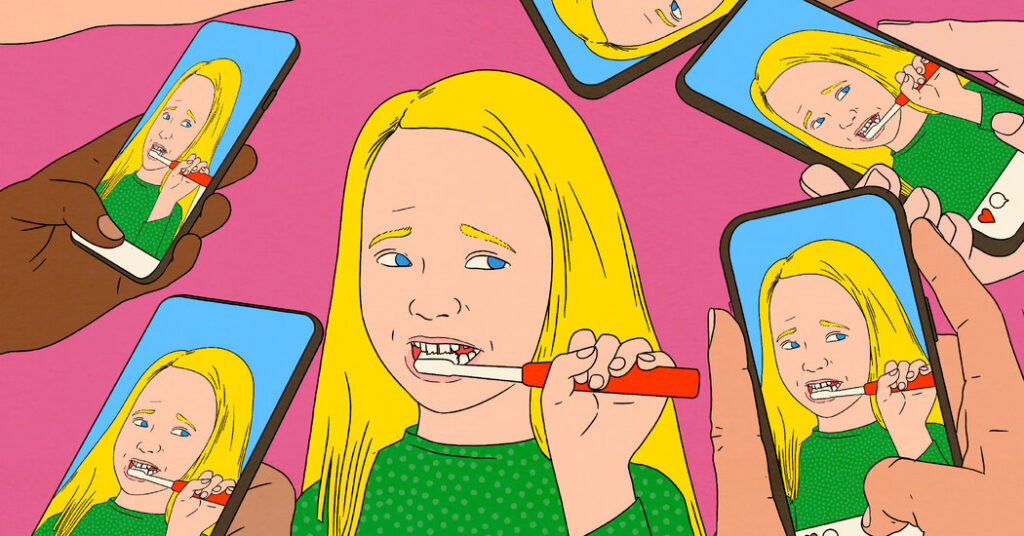
Latifi also underscores the potential side effects for children of having their every experience — potty training, pimples, first menstrual periods — filmed, posted and eternally preserved on social media.
“These children are lost in the wild woods of this industry as minors who are at the mercy of both the platforms they serve and the parents who are often holding the camera,” Latifi writes.
At the same time, Latifi highlights the payoffs for children. “Some of these kids like being YouTube stars,” she argues. “Of course they do! They have fans, they make money and they’re living the dreams of the 86 percent of young Americans who want to be influencers.”
“Like, Follow, Subscribe” comes almost three years after Taylor Lorenz, an online culture reporter who once worked at The New York Times, chronicled how social media influencers became a big business in her book, “Extremely Online.” Like Lorenz, Latifi traces today’s popular influencer accounts on YouTube and TikTok back to the first so-called “mommy bloggers.”
In the early 2000s, some women began sharing details online about their experiences with pregnancy, postpartum depression, breast feeding and miscarriages. Bloggers also documented their children’s first steps, fitful sleep, food allergies and family vacations. Although the early mommy bloggers were not primarily motivated by money, Latifi says, they helped pave the way for parents to capitalize on their kids as online content.
Fast forward two decades and family documentarians have given way to a performative online industry in which momfluencers curate beautiful backdrops and perfect meals. The most popular among them tend to be thin, white, blonde and winsome, Latifi notes. Cute children draw even more clicks.
Latifi pulls back the curtain on these shiny productions. She points out that successful influencer families hire staff like nannies, allowing parents to devote more time to feeding audiences content. She describes one father who offered his children a “bribe” of $1,000 each to participate in a short product promotion video. She also notes the attention-grabbing value of milking family tragedies, such as children’s illnesses.
But Latifi is an empathetic narrator. She emphasizes how the lure of “life-changing money” drives some families facing real financial hardships. She also reports on parents who regret posting intimate details about their children.
By focusing on the stories and practices of influencer parents, however, the book sometimes glosses over the fundamental role of tech giants. Instagram, TikTok and YouTube, after all, employ powerful algorithms to boost certain kinds of content and hook viewers. These techniques enable social media companies to directly profit from an ecosystem that drives parents to monetize their children.
Without deep analysis of that infrastructure, the book in places reads like an examination of how some parents foster childhood obesity, while discounting the role played by fast food chains, snack makers and soda companies. That may be deliberate.
“Tech companies are, after all, companies — they exist to make money, not protect children,” Latifi writes. “That’s what I find so confusing about the insistence that tech companies like Meta, Google, and ByteDance take steps to protect child influencers. Why would they?”
LIKE, FOLLOW, SUBSCRIBE: Influencer Kids and the Cost of a Childhood Online | By Fortesa Latifi | Gallery | 288 pp. | $30
Natasha Singer is a reporter for The Times who writes about how tech companies, digital devices and apps are reshaping childhood, education and job opportunities.
The post As the First Influencer Kids Come of Age, What Have We Learned? appeared first on New York Times.