Los Angeles County Museum of Art’s David Geffen Galleries put fashion and textiles on equal footing with other art forms. Dioriviera’s cerulean-blue beauty collection lands just in time for “The Devil Wears Prada 2” — and Dior’s LACMA runway show. Tiffany & Co.’s latest “Blue Book” collection launches in New York, and the second chapter of Armani Archivio arrives in Milan — with an L.A. twist.

LACMA’s David Geffen Galleries Are Made for Meandering
Finally! LACMA’s David Geffen Galleries have opened their doors, and as someone who lives in the neighborhood, I’m elated.
The stunning Peter Zumthor-designed building, which extends across Wilshire Boulevard, took nearly six years and $724 million to complete. Construction workers were still finishing up during last week’s media preview, even pausing to take souvenir photos for themselves, which was cute.
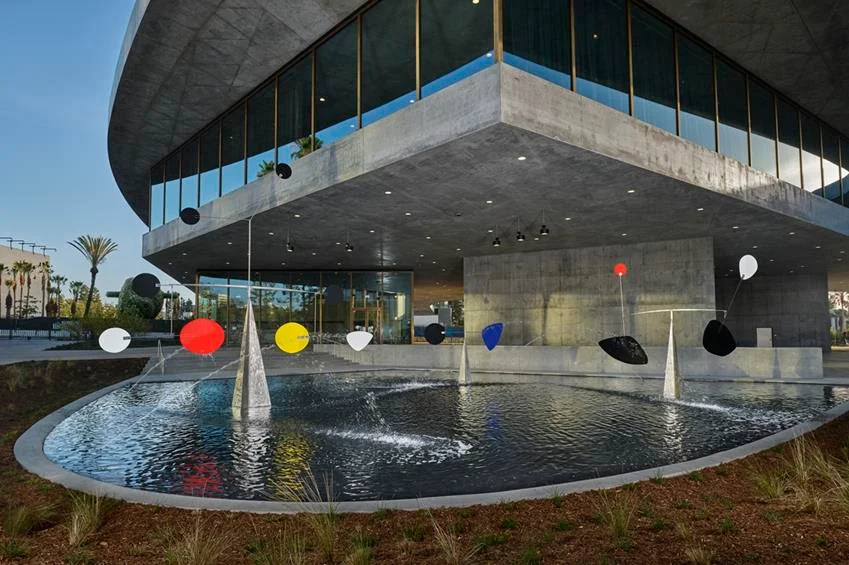
The new W.M. Keck Plaza on the north side of the building is an incredible public space, with views of the Japanese Pavilion and Alexander Calder’s “Three Quintains (Hello Girls)” mobile. It’s also where an Erewhon will soon open. For those complaining about the perceived inaccessibility of the bougie L.A. café — have you ever been to a museum? The food is never cheap. Bringing in Erewhon was a smart move for LACMA because it’s a tourist magnet that will draw attention on its own. And now there are even collectible LACMA–Erewhon juice bottles.
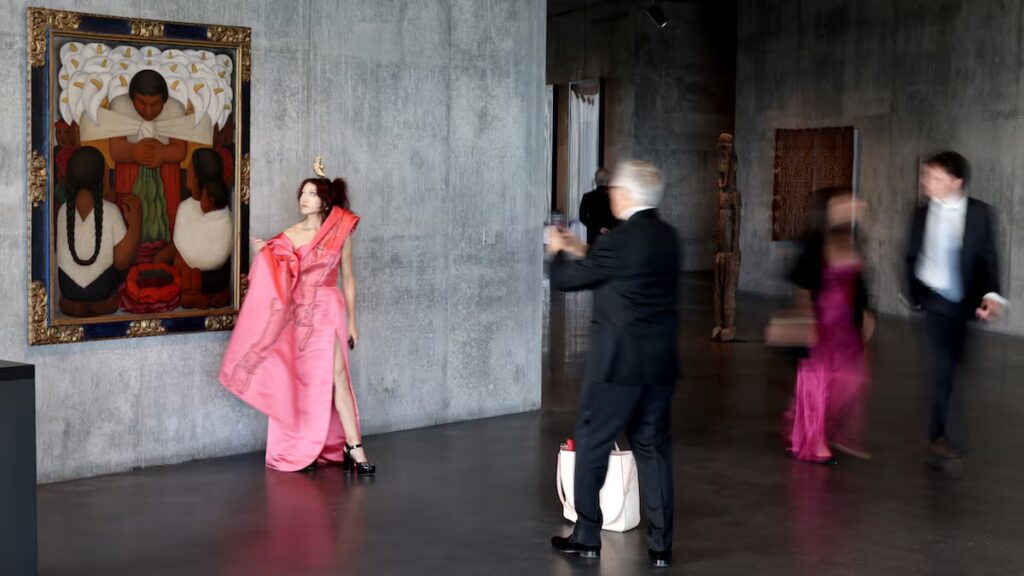
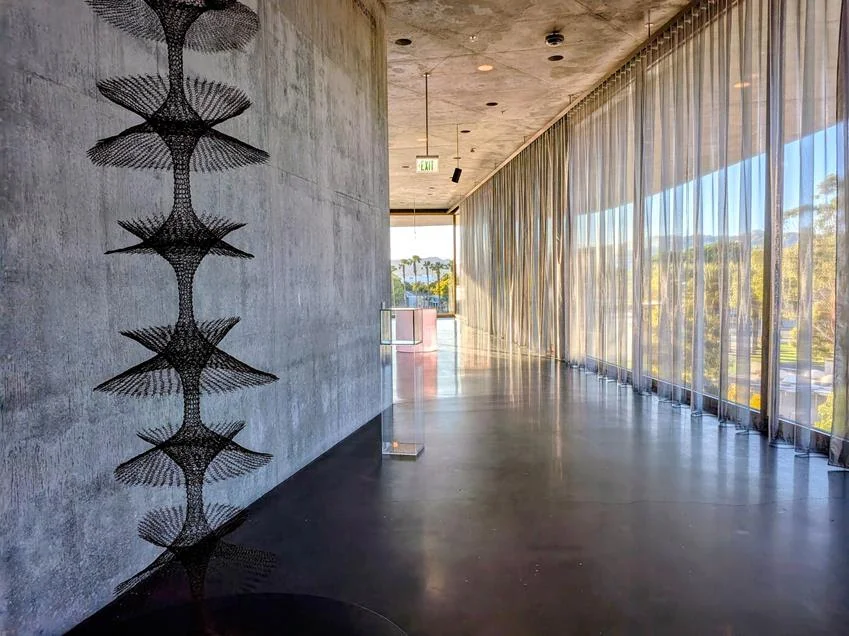
Walking up the staircase and into the 100,000-square-foot building, where the galleries are organized to challenge longstanding hierarchies of art, I was a bit disoriented at first. Where to start? What order to go in? There are no right answers, which is the point. It’s a museum experience for shorter attention spans, perhaps, but also one that encourages connectivity and meandering.
The sight lines and light create some incredible vistas, which are an L.A. art form of their own.
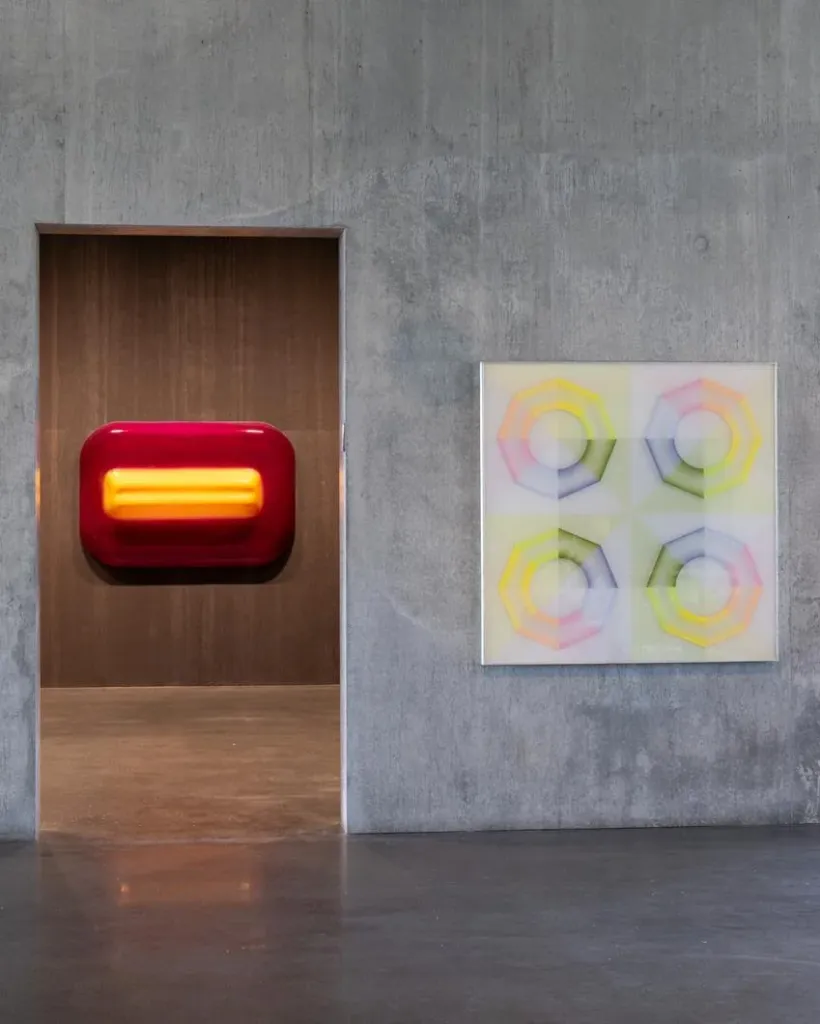
Plus, where else but L.A. would you see a gallery devoted to “Car Culture,” with a 1961 Studebaker alongside Ed Ruscha’s “Parking Lots,” Dennis Hopper’s “Double Standard” and Mexican artist Carlos Almaraz’s “Crash in Phthalo Green,” a painting depicting a high-speed car crash? Or a 1960 Greg Noll surfboard sharing space with Charles Eames and Eero Saarinen chairs, a Craig Kauffman wall relief and an Issey Miyake molded bodice, all in the service of celebrating plastic in art post–World War II?
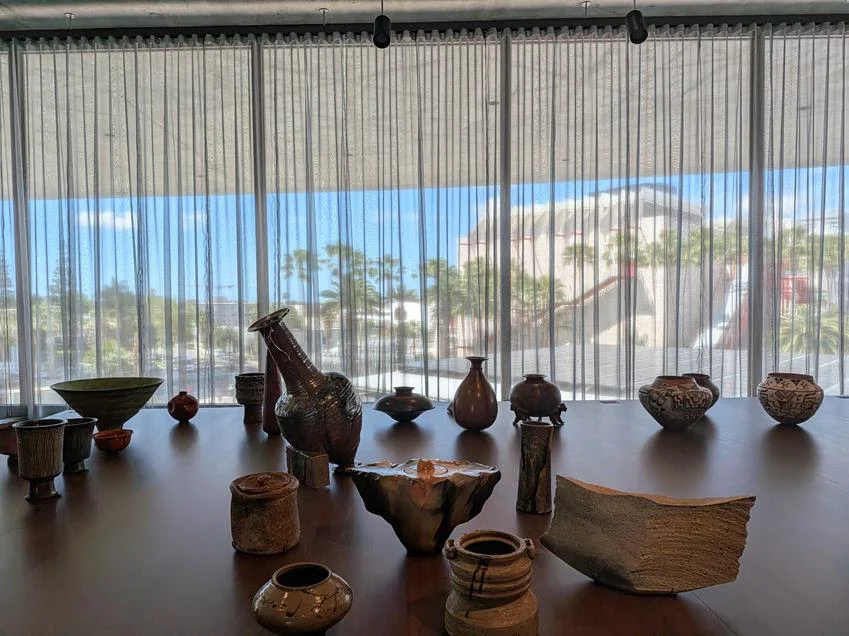
In the “Earth and Water” section, I loved the table of ceramic water vessels from diverse cultures and time periods, from ancient to contemporary. The display spoke to a shared human experience across time and place, but on a more basic level, it also appealed to me aesthetically. It reminded me of how people collect and arrange pieces in their homes, without regard for where or when something came from.
Textiles play a more prominent role in the gallery due to the new curatorial direction’s thematic approach, which is loosely organized around the world’s oceans and how they have fostered the exchange of ideas, materials and aesthetics across time and place.
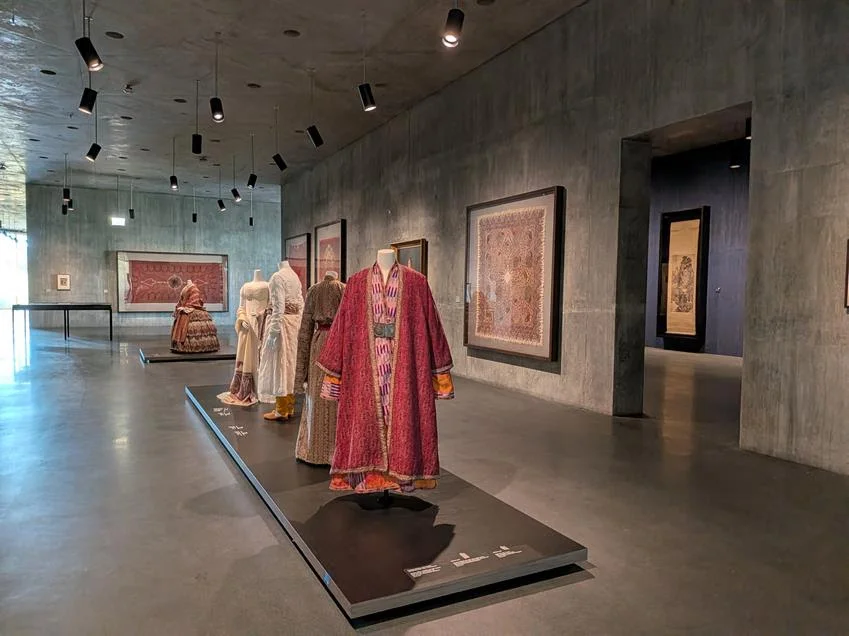
“There were times when cloth was way more important than painting … and I want to remind people that the hierarchies of value are always changing,” LACMA director Michael Govan told me when I was reporting a Vogue Business story about the museum last year. “Part of that was to elevate the fashion and costume collections from their tiny little corner and to make commitments to exhibitions, but more importantly, to collection building in a diverse way.”
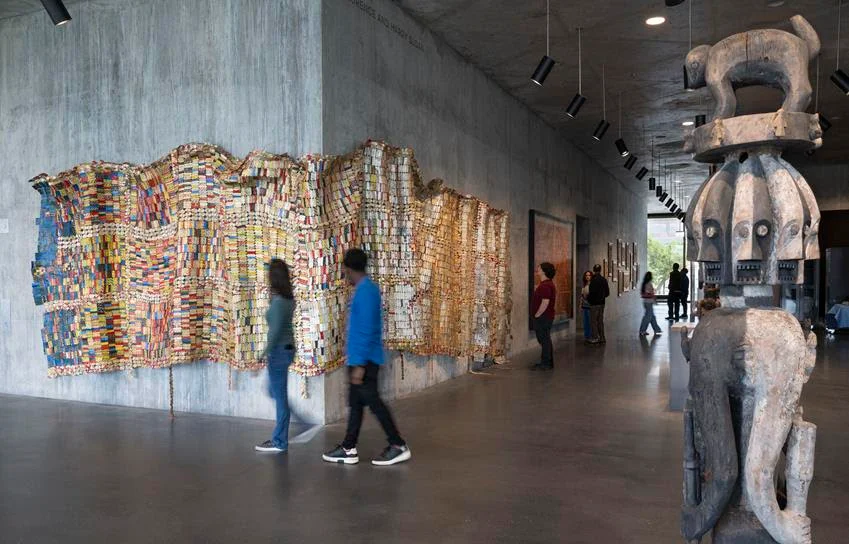
The curation invites viewers to draw their own connections and be surprised, perhaps, by the provenance of objects. One of the most vibrant galleries is “Textile Conversations: Africa and Black America,” bringing together barkcloths painted by Mbuti women and geometrically designed textiles by Kuba women, both from Congo, juxtaposed with bold 20th-century quilts from the African American diaspora.
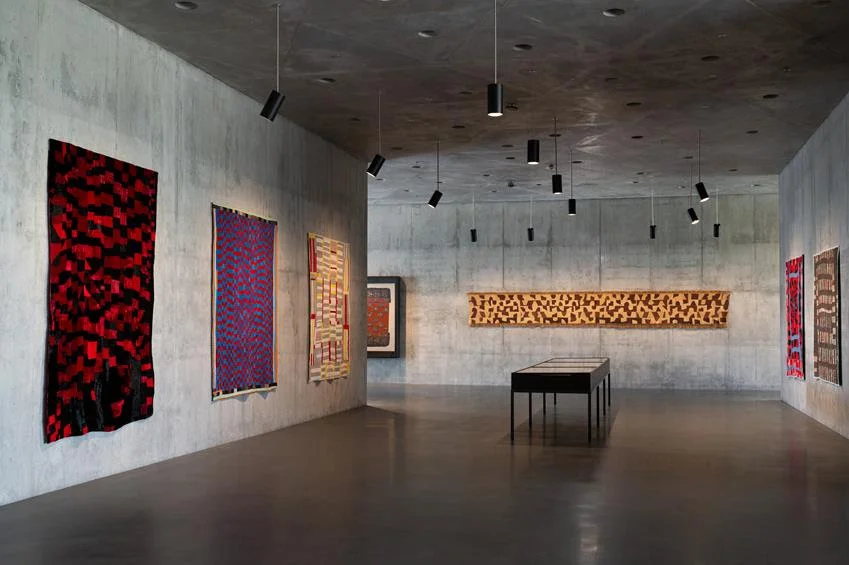
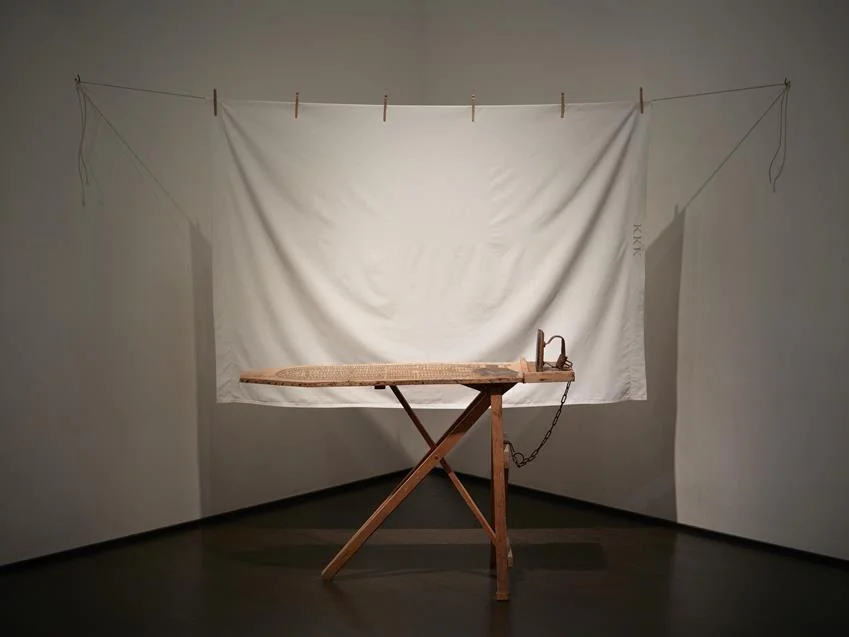
The curators do not shy away from themes of conquest, empire, colonization and the economy of slavery. One particularly poignant pairing appears in the “Transatlantic Exchange and Its Legacies” gallery: an 1840 “Lady of the Lake” pieced cotton quilt from Virginia — then the largest market for selling enslaved people — displayed alongside L.A. artist Betye Saar’s “I’ll Bend But I Will Not Break,” a sculptural tableau featuring a vintage ironing board, bedsheet, wooden clothespins and rope, referencing the painful legacy of forced labor.
There is so much to see and digest. I roamed around for two hours, and my phone died because I took so many photos. I can’t wait to go back.
LACMA David Geffen Galleries, 5905 Wilshire Blvd. Los Angeles, lacma.org. Member previews through May 3, then open to the public.

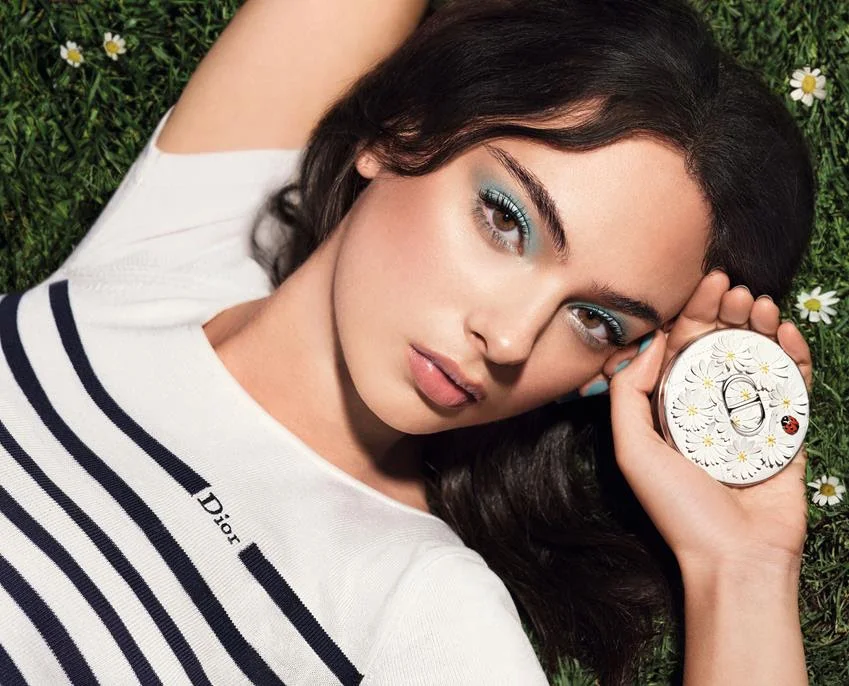
Dior Debuts Cerulean Blue Lipgloss Just in Time for “The Devil Wears Prada 2”
It’s kind of an open secret that Dior plays a role in “The Devil Wears Prada 2.” How big that role is remains to be seen, and how many other brands are embedded in the film is unclear — but by all accounts, it’s a lot. Judging from what we saw at fashion week during filming and what’s emerging now as the red carpet campaign ramps up, Dolce & Gabbana and Valentino appear to be part of the mix as well.
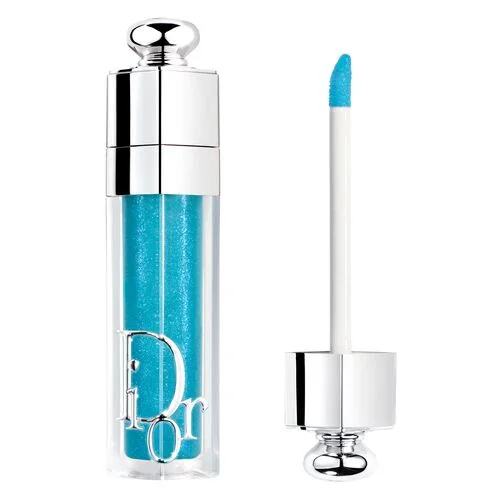
The new Dioriviera Summer beauty collection that just dropped is not an official collaboration (though plenty are in the pipeline — with Re/Done, Walmart, Grey Goose, L’Oréal and others lining up). But it is well timed to the film’s May 1 release, with its new Dior Lip Addict Maximizer gloss in “Cerulean” blue.
Cerulean blue, for those who have been living under a rock and haven’t seen the original film, is at the heart of Miranda Priestly’s coolly eviscerating explanation to Andrea “Andy” Sachs about the gravity of the fashion industry.
The gloss doesn’t go on blue, alas, but clear. It could still start a trend, however. There’s also an azur blue nail polish and an indigo blue shade in the new Diorshow eyeshadow set, all of which can be used to create “summer fresh blue” and “sunkissed coral” looks alongside the array of new bronzing products.
In addition to coming to movie screens, Dior is coming to Los Angeles on May 13 for its Cruise 2027 runway show, which will be held at … LACMA. Full circle.


Tiffany’s Garden of Delights
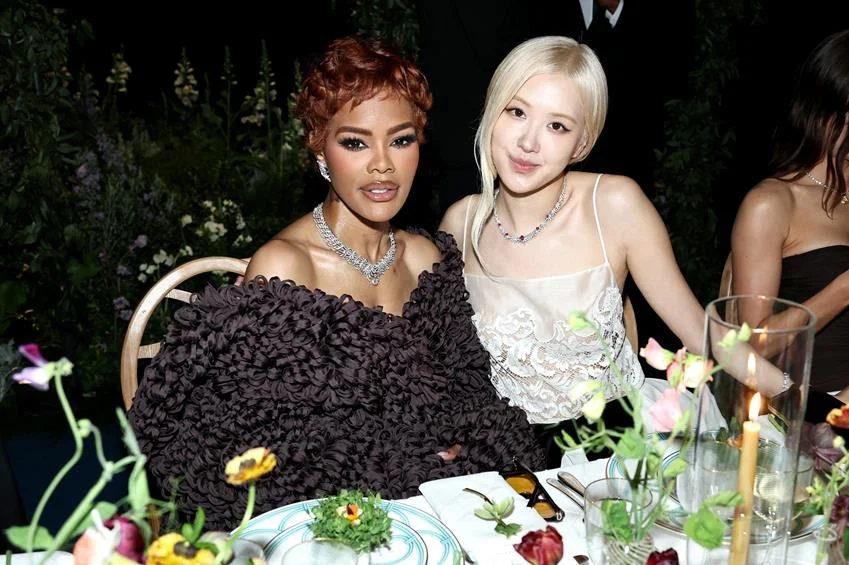
Teyana Taylor, Connor Storrie, Naomi Watts, Amanda Seyfried, Gabrielle Union, Dwyane Wade, Rosé, Camille Cottin, Diane Kruger and many more brought the bling to the Park Avenue Armory in New York City last week to celebrate the launch of Tiffany & Co.’s “Blue Book 2026: Hidden Garden” collection.
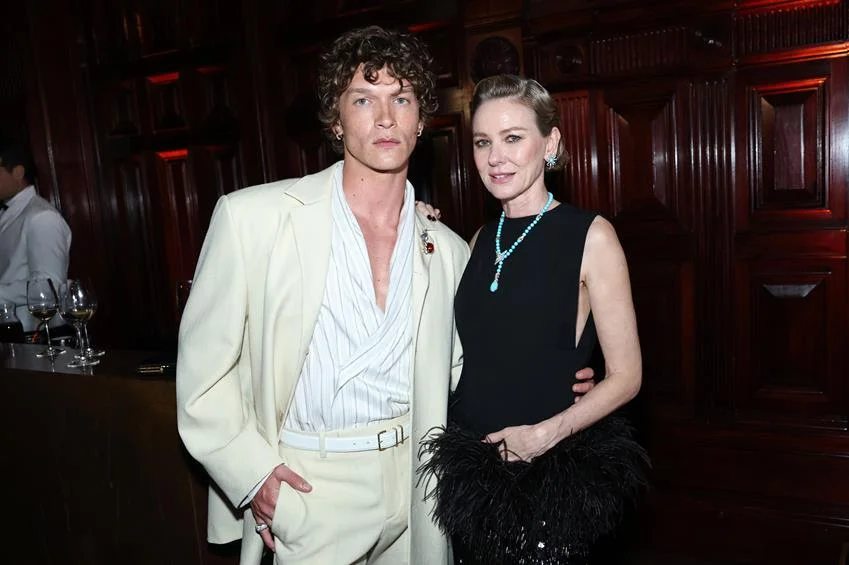
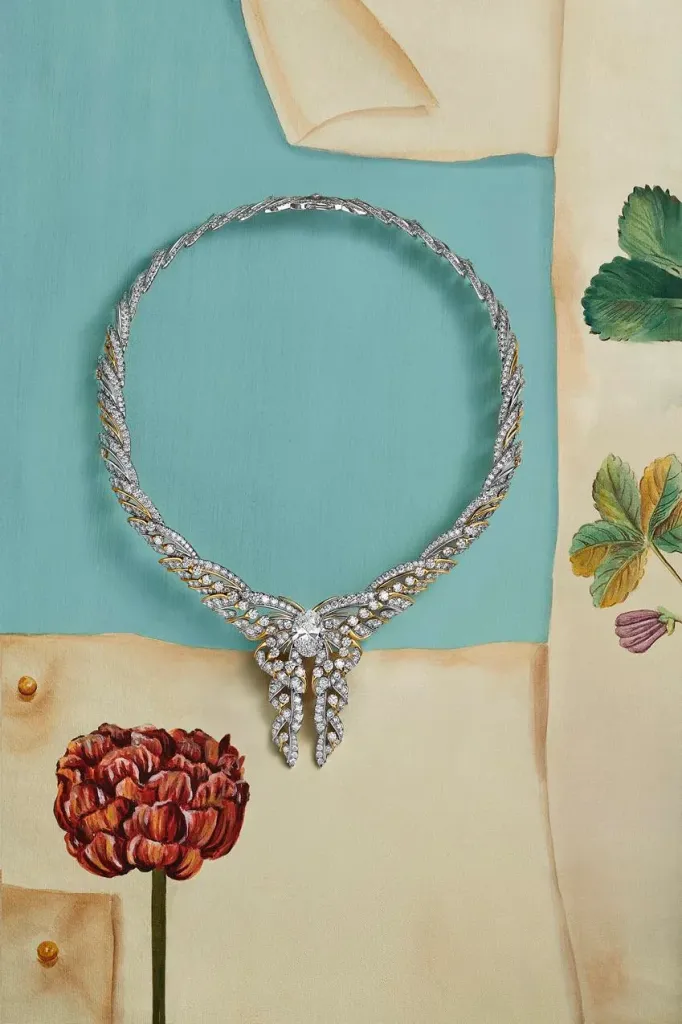
Conceived by Nathalie Verdeille alongside the Tiffany Design Studio, this year’s lineup of priceless gems draws on the legacy of Jean Schlumberger, turning flora and fauna into fantastical statements, including statement necklaces that were a standout look on the 2025–26 awards season red carpets and are expected to continue through Cannes next month.
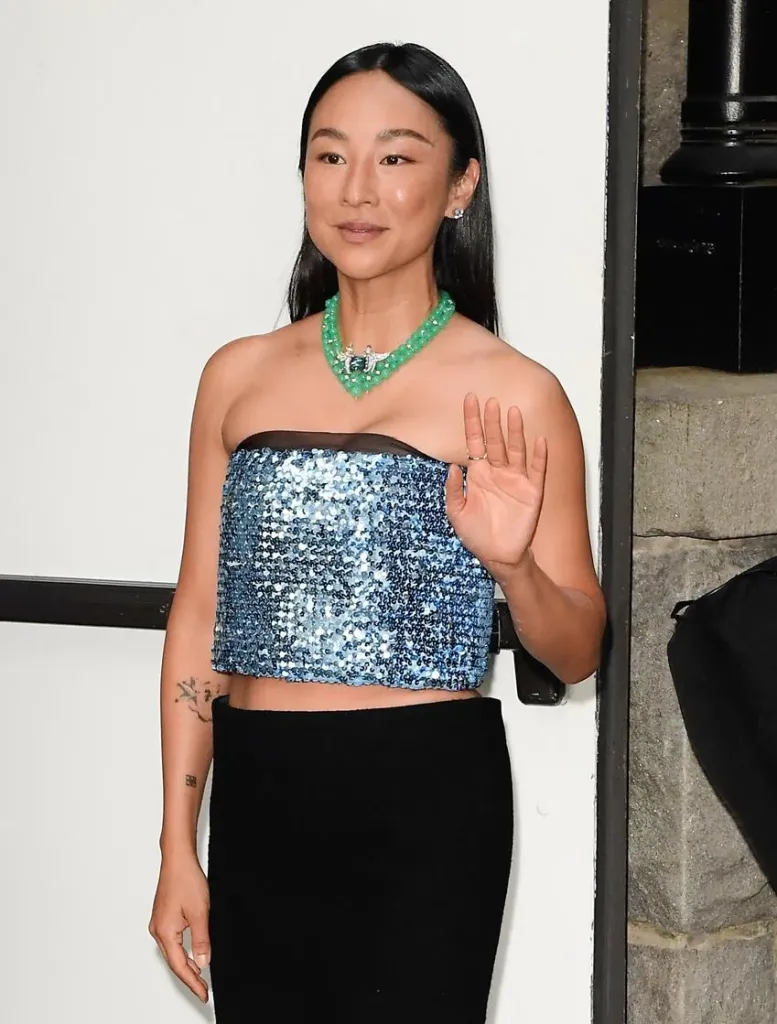
Worn by Greta Lee at the event, Tiffany & Co.’s Bird on a Rock necklace — reimagining Schlumberger’s iconic motif — features two avian creatures perched atop aquamarines, encircled by custom-cut chrysoprase beads. Equally arresting is the Monarch necklace, featuring a hidden butterfly, where twisting vines and sculpted foliage are reimagined in handcrafted platinum, 18k yellow gold and pavé diamond elements.
It could be the perfect piece for Vicky Krieps to wear to the Cannes premiere of Andy Garcia’s contemporary film noir “Diamond.”

Armani Archivio Chapter Two
With Hermès, Louis Vuitton, Prada, Isabel Marant, Chloé, Bottega Veneta, Moncler, Kelly Wearstler for H&M and many more descending on Milan Design Week, the furniture fair has become a mini fashion week, with brands using the opportunity to launch collections in both the home and apparel spaces.
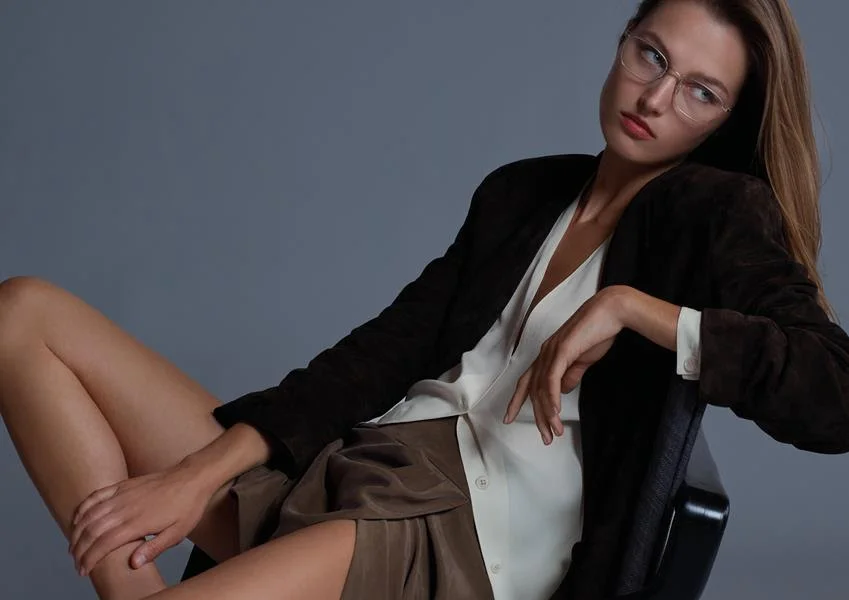
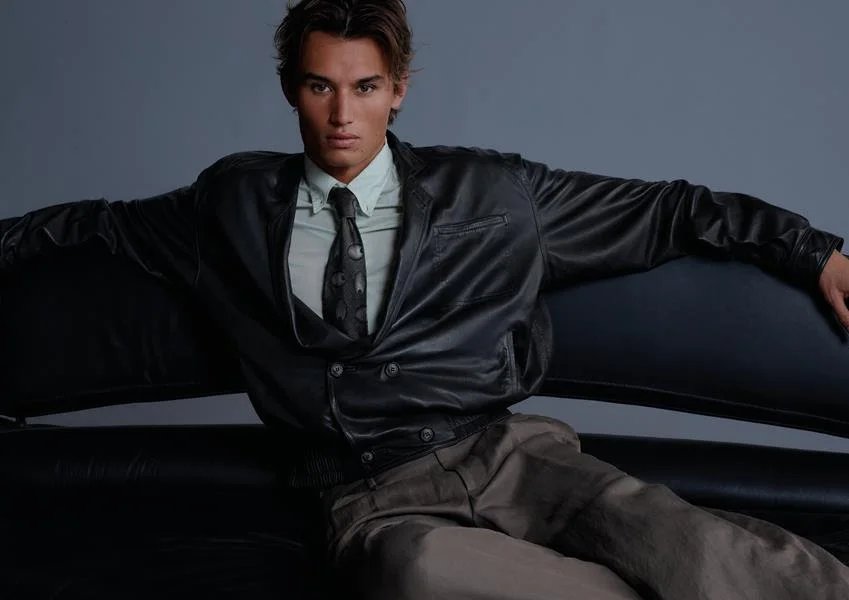
One of those is the second chapter of Armani/Archivio, the archival project that made its debut on the red carpet at the 2025 Academy Museum Gala in L.A. This iteration debuted at the Milan Giorgio Armani boutique, featuring 13 men’s and women’s looks from collections spanning 1979 to 1994, reproduced and made available for purchase. The pieces are anchored by the jacket — Armani’s most enduring icon.
The accompanying campaign, shot and styled by L.A.-based photographer, filmmaker and ERL designer Eli Russell Linnetz, presents the 13 archival looks with the sartorial ease that the late fashion maestro intended, translated for the present.
“Mr. Armani is one of the greatest artists of our time. He changed the way we live our lives every day and what we aspire to become, and his legacy is something the rest of us are still learning from,” Linnetz said. “These Archivio pieces feel as alive today as the day they were made because he designed his work to be eternally impactful — deceivingly simple on the hanger, the clothes transform on the body, like magic. As a designer, to handle these garments and understand how they were made has been both a great education and a gift, and to photograph them, as part of the long lineage of photographers who have been part of the Armani universe, was a privilege I will carry with me for a very long time.”
The looks are available at Armani.com, in select Giorgio Armani boutiques and at Apropos Berlin, Just One Eye in Los Angeles and Mytheresa. The story behind each look can be discovered at archivio.armani.com, where collections from the past 50 years are being documented and organized for inspiration — and posterity.

Forwarded this newsletter? Subscribe here to get WrapStyle directly every week!
Have a news story for our readers? Please email [email protected]
Interested in partnership opportunities? Please email [email protected]
The post LACMA Geffen Galleries Put Fashion and Textiles on Equal Footing appeared first on TheWrap.