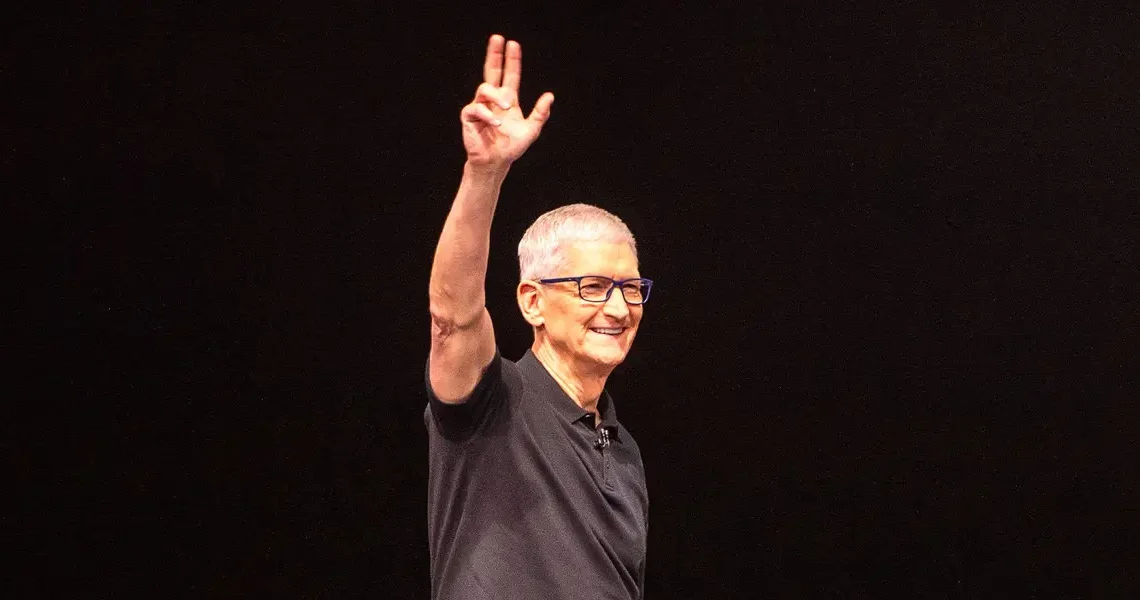
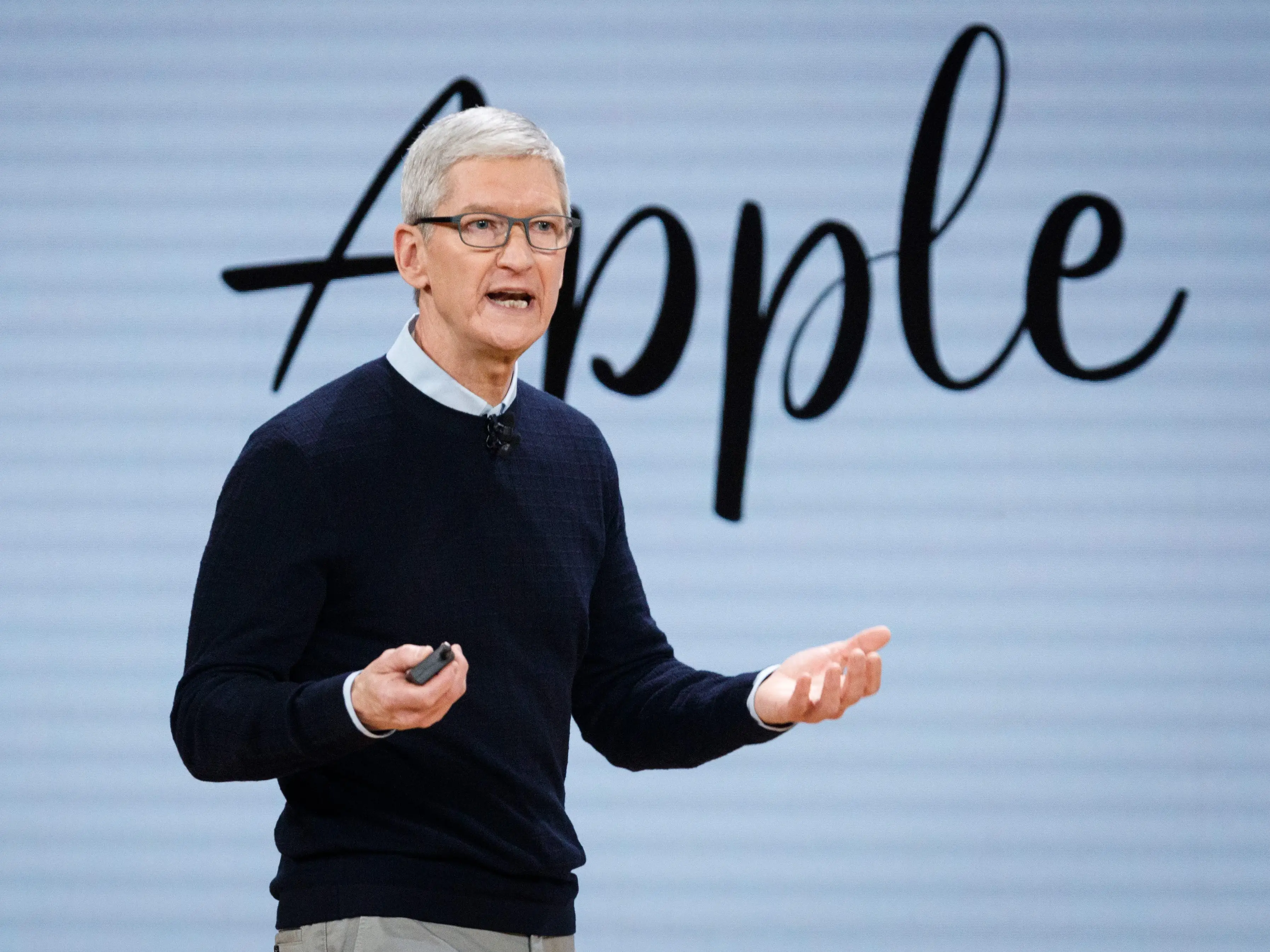
When Tim Cook steps down as Apple’s CEO on September 1, he’ll have spent 15 years as the company’s chief executive.
That time marked significant growth and innovation for the company, its value ballooning from $350 billion to $4 trillion. Products like the AirPods and Apple Watch became commonplace in daily life globally. As for the iPhone, the year Cook became CEO, the company was selling 72 million a year, The New York Times reported. Now, Apple says it has 2.5 billion active devices.
In August 2011, Cook took over from Steve Jobs, the Apple cofounder who had overseen the company since launching it in a garage in the 1970s. When Cook assumed the chief executive role, Apple had just passed Exxon as the most valuable public company in the world, and the iPhone 4s was about to be released.
During his time as CEO, some of Cook’s bets paid off, others were only partly realized, and others still have a way to go.
See which of Cook’s tech predictions and visions for Apple came true.
Even before Tim Cook took over as CEO, he made statements about Apple’s future.
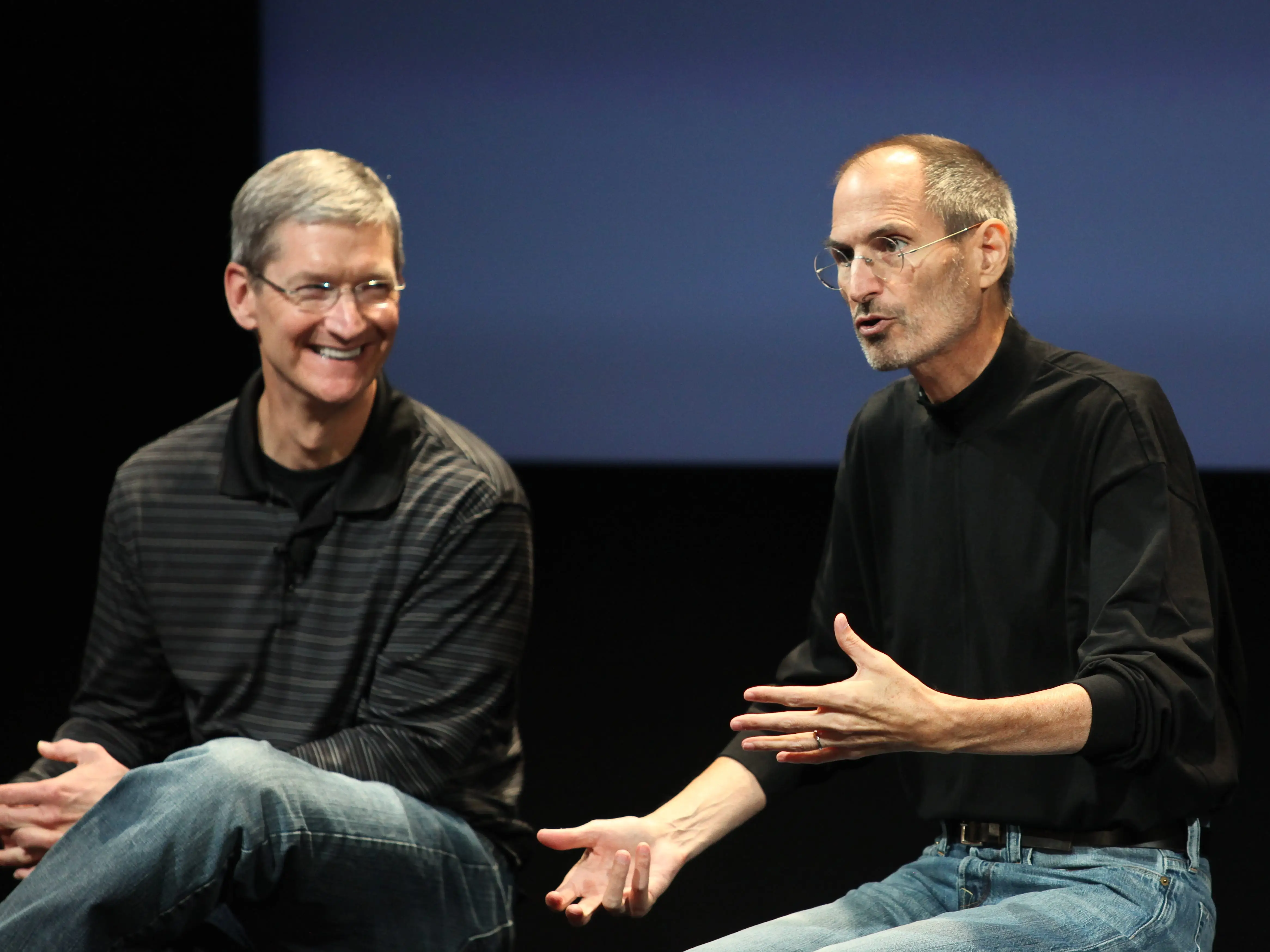
Before becoming Apple’s chief executive, Cook, who joined Apple in 1998, served as the company’s chief operating officer.
He also took over Jobs’ role on multiple occasions while the co-founder was on medical leave, handling day-to-day operations.
In 2009, ahead of the iPad’s launch the following year, Jobs stayed radio silent on the mysterious tablet. Cook, however, hinted that the company was working on something “very innovative,” the Guardian reported. The iPad was a mega hit upon its release and, 10 years after its launch, surpassed 500 million total sales, Cook said, per CNBC.
Cook officially became CEO in 2011.
In 2010, Cook said Apple would continue to invest in its Apple TV streaming device because “our gut tells us there’s something there.”

In 2010, the streaming boom was just about to begin. Netflix launched its streaming-only plan in November that year, eliminating the DVD-by-mail requirement to access the streaming service. Hulu also launched its subscription plan that year.
Cook said in 2010 that Apple would steer clear of manufacturing its own TVs, instead focusing on its Apple TV line of streaming boxes. At the time, he referred to the Apple TV streaming devices as a “hobby,” but pledged the company’s continued interest because “our gut tells us there’s something there.”
Cook’s and Apple’s hunch proved to be right. The streaming industry continued to grow, and in December 2025, made up nearly half of all TV viewing, a Nielsen report found.
Apple continued its line of streaming devices and launched its own streaming service in 2019.
In 2013, Cook predicted that tablets would overtake PCs.
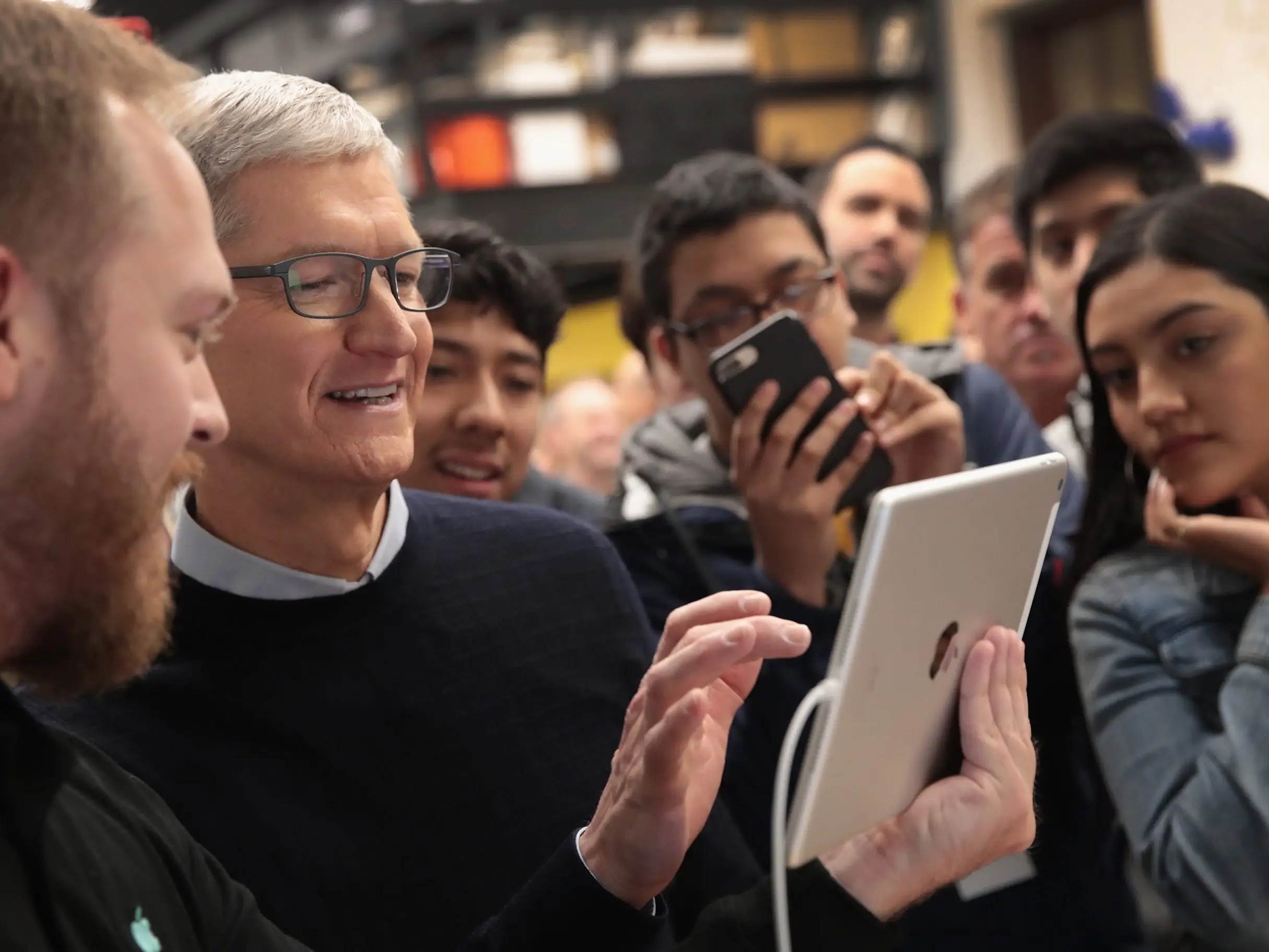
Cook made enthusiastic predictions for tablets, saying in 2013 that tablets would outsell PCs within two years, The Verge reported.
While Cook’s prediction was largely true for Apple — the iPad has been a bigger seller than the iMac since its launch — PCs have still held their own against tablets overall.
The 2021 Census found that 81% of US households owned a computer, while 64% owned a tablet.
He also had bold predictions for smartwatches.
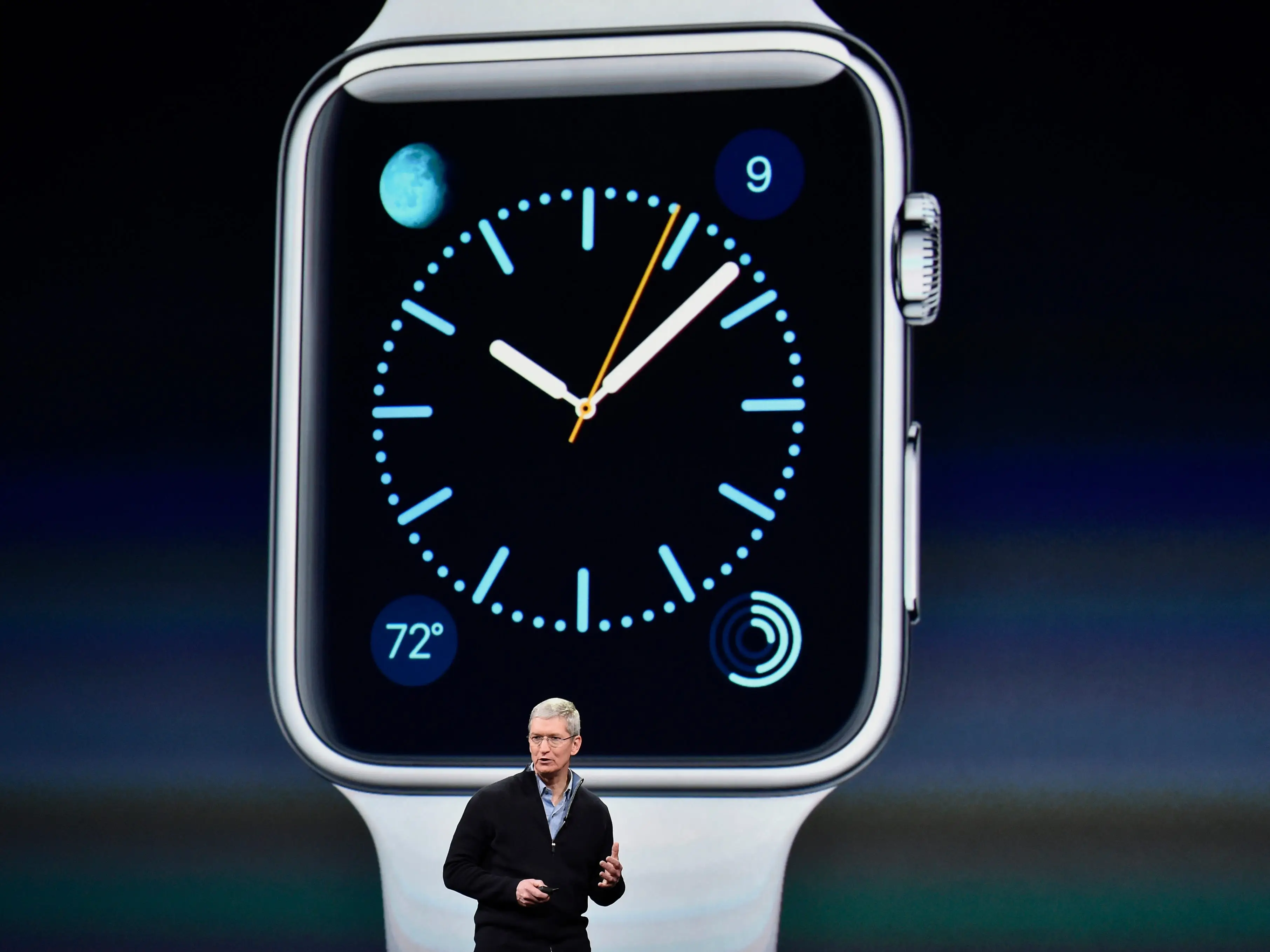
When the Apple Watch was unveiled in 2015, Cook predicted the device would start to replace common items, such as car keys, in people’s everyday lives, TechCrunch reported.
While the product’s reviews upon release weren’t all positive, Apple would carve out a large portion of the smartwatch market long term. Per SQ Magazine, Apple had a 28% global market share for smartwatches in 2025, the largest in the world.
And it is possible to unlock your car using your Apple Watch, provided the car is compatible, and you have an Apple Watch Series 5 or later, or an Apple Watch SE.
Wearables as a whole became part of Cook’s and Apple’s strategy in the decade. The following year, the company released its AirPods Bluetooth earbuds, selling over 14 million in the product’s first full year, per Forbes.
Cook said, a little prematurely, “2015 will be the year of Apple Pay.”
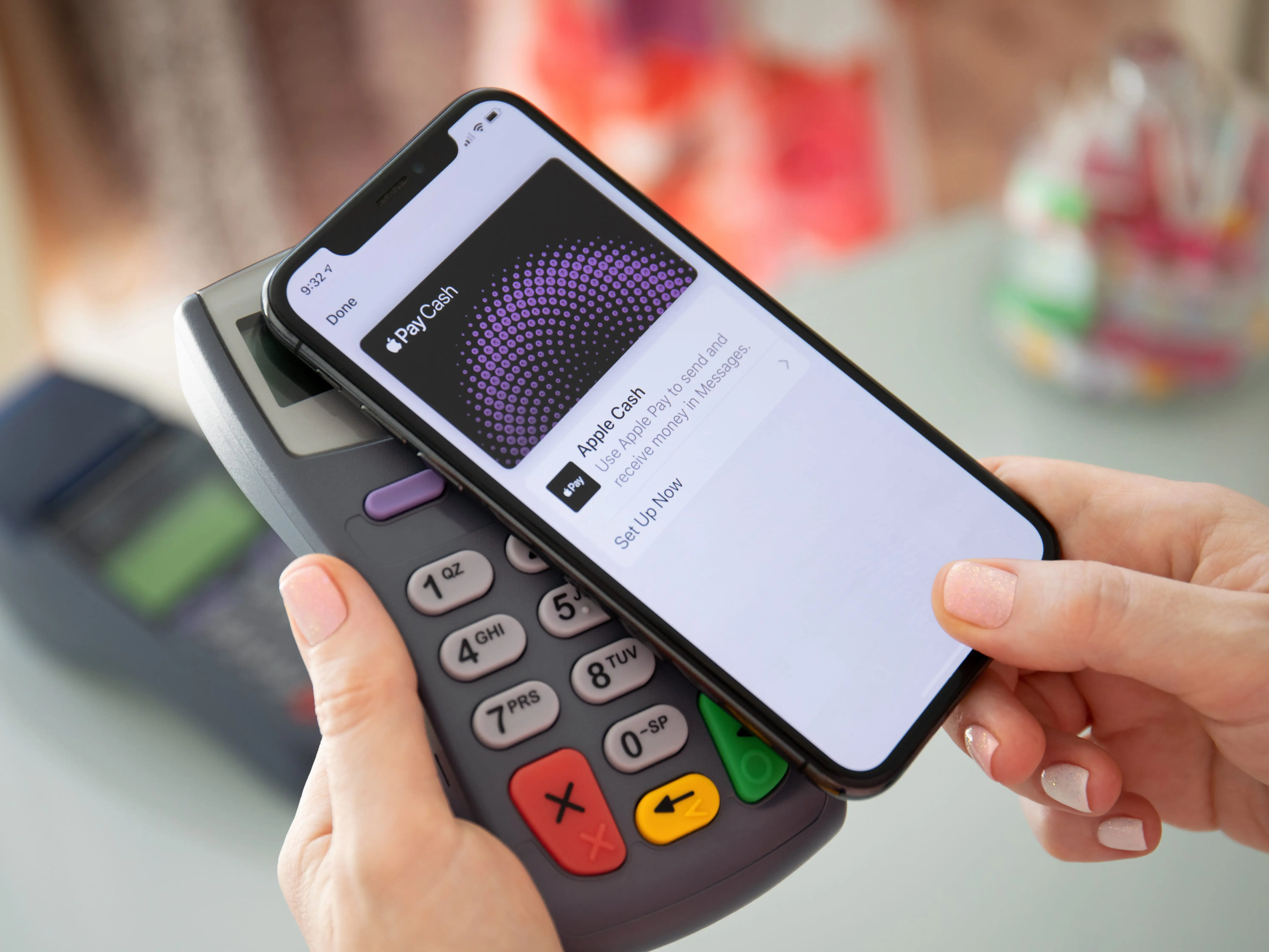
In the first full year after Apple launched its mobile payment service, its CEO made an ambitious statement about its immediate use and popularity.
Apple Pay took a bit of time to get off the ground, but over 11 years after its launch, it’s grown into the most popular digital wallet in the US, alongside PayPal.
According to CapitalOne, over 90% of US retailers accept Apple Pay, and the service is used in 14.2% of all online payments.
In 2016, Cook said he believed “a significant portion of the population” would eventually use augmented reality technology every day.
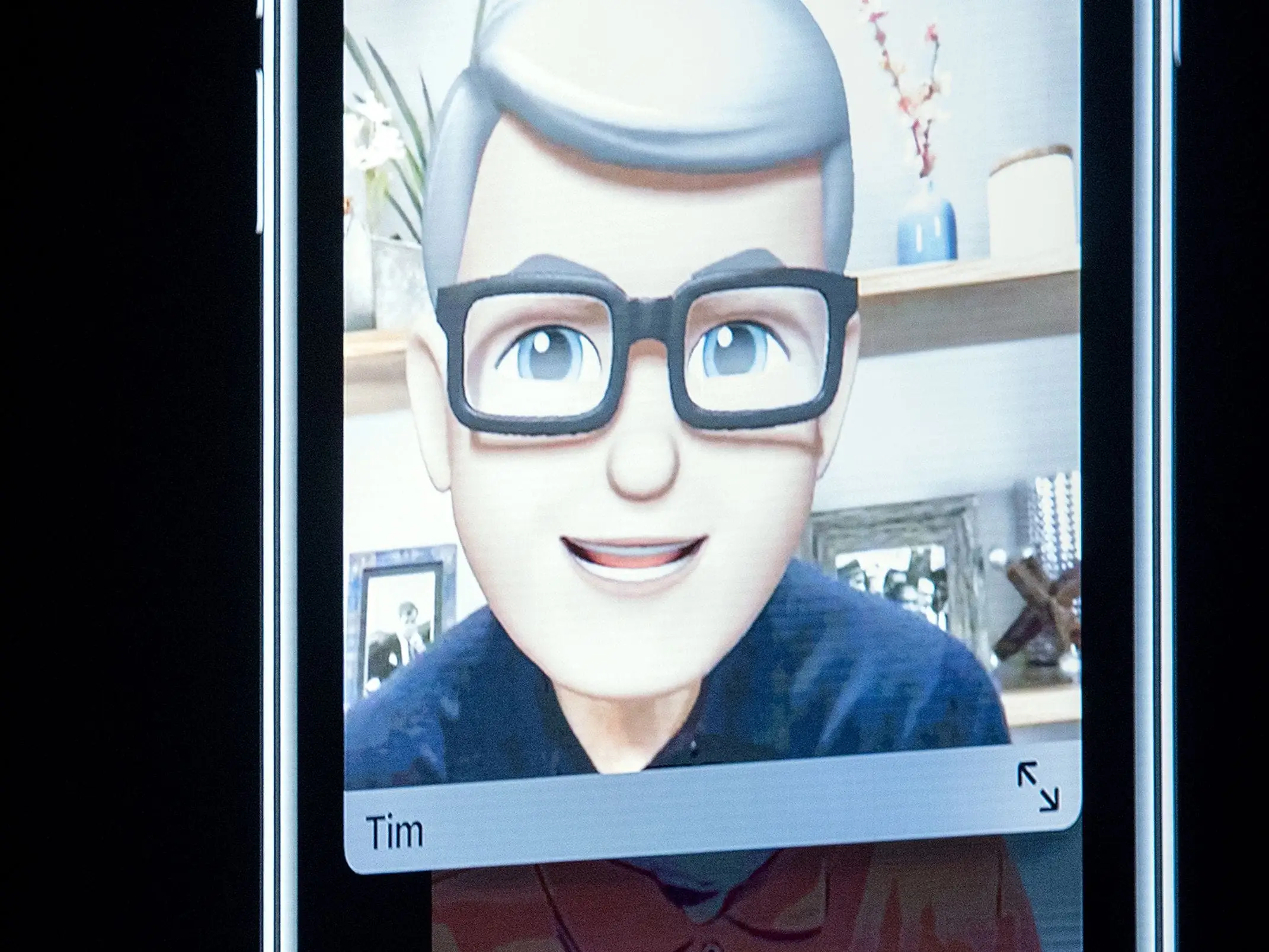
Since the mid 2010s, Cook has been a strong advocate for augmented reality (AR) technology. In 2016, he likened the technology’s potential to one of the most basic routines of daily life.
“I do think that a significant portion of the population of developed countries, and eventually all countries, will have AR experiences every day, almost like eating three meals a day,” Cook said.
He continued to tout AR’s importance in the coming years. In 2022, he said, “We are really going to look back and think about how we once lived without AR,” CNBC reported.
The CEO’s confidence in the technology came as competitors began to invest heavily in virtual reality (VR). Meta’s “Horizon Worlds” offered a full VR experience for users, but Cook talked down the technology and affirmed that Apple would be putting its eggs in the AR basket. (Last month, Meta announced it would wind down the “Horizon Worlds” VR experience, before swiftly clarifying it would remain.)
Apple has incorporated AR technology into its products, from Memoji avatars to practical uses like the iPhone’s “Measure” app. Apple’s proprietary ARKit framework enables third-party developers to create AR apps for Apple devices.
SQ Magazine reported that, in 2025, approximately 60% of Americans use AR. Each day, as many as 500 million users engage with AR filters and lenses on platforms such as Instagram and Snapchat, it reported.
In 2024, Cook called Apple Vision Pro headset “tomorrow’s technology today.”
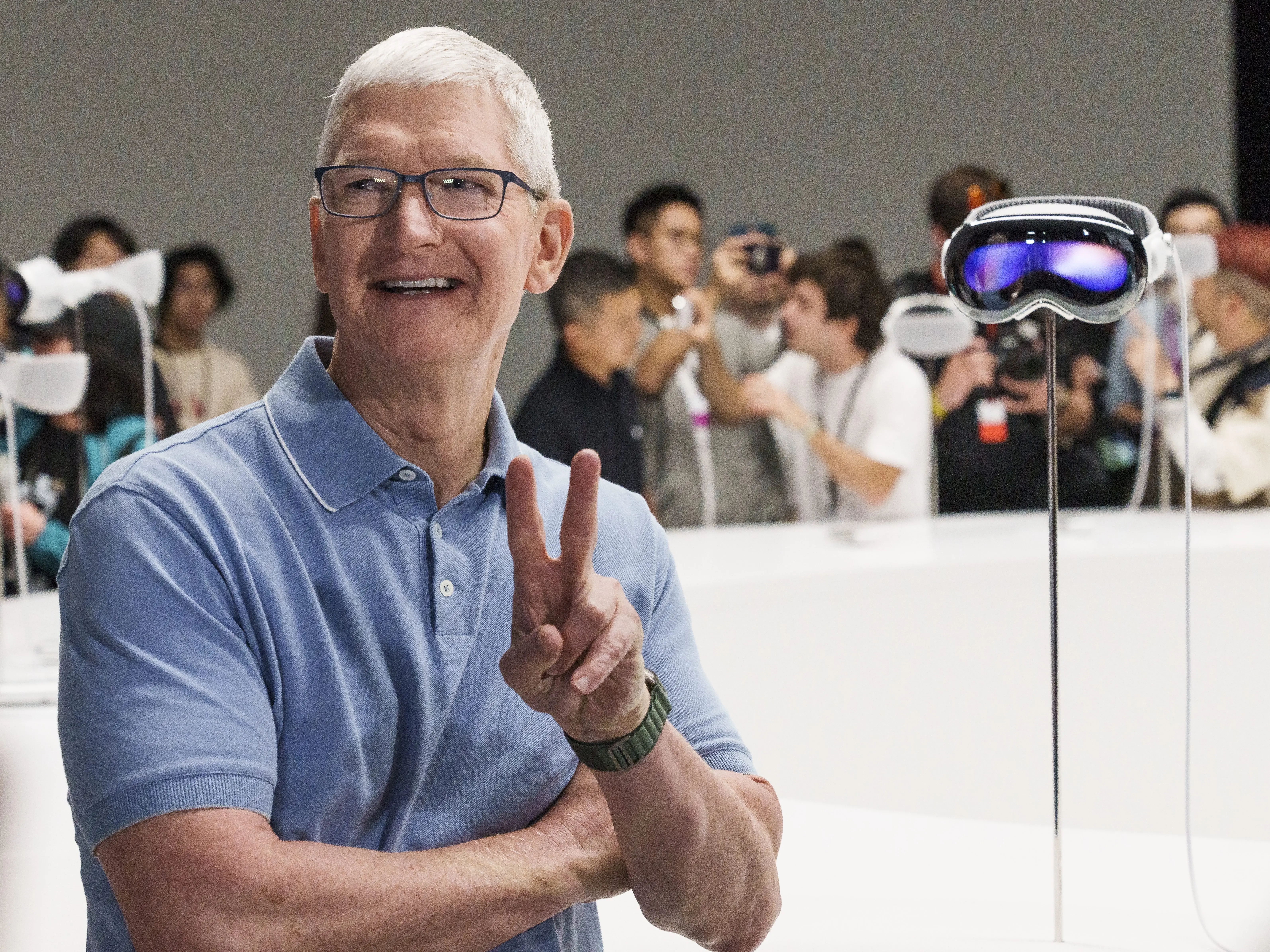
Perhaps Apple’s biggest AR endeavor was the Apple Vision Pro headset, released in 2024. The mixed-reality headset uses AR to combine users’ surroundings with digital applications.
When it was released, Cook called it “tomorrow’s technology today,” per AppleInsider.
While the device was met with mixed reviews, Cook and Apple remain undeterred in their wearable-technology dreams.
The company is reportedly developing smart glasses, which will look to rival a similar Meta product.
Cook’s boldest vision for Apple was its role in the health sector, a goal it’s still pursuing.
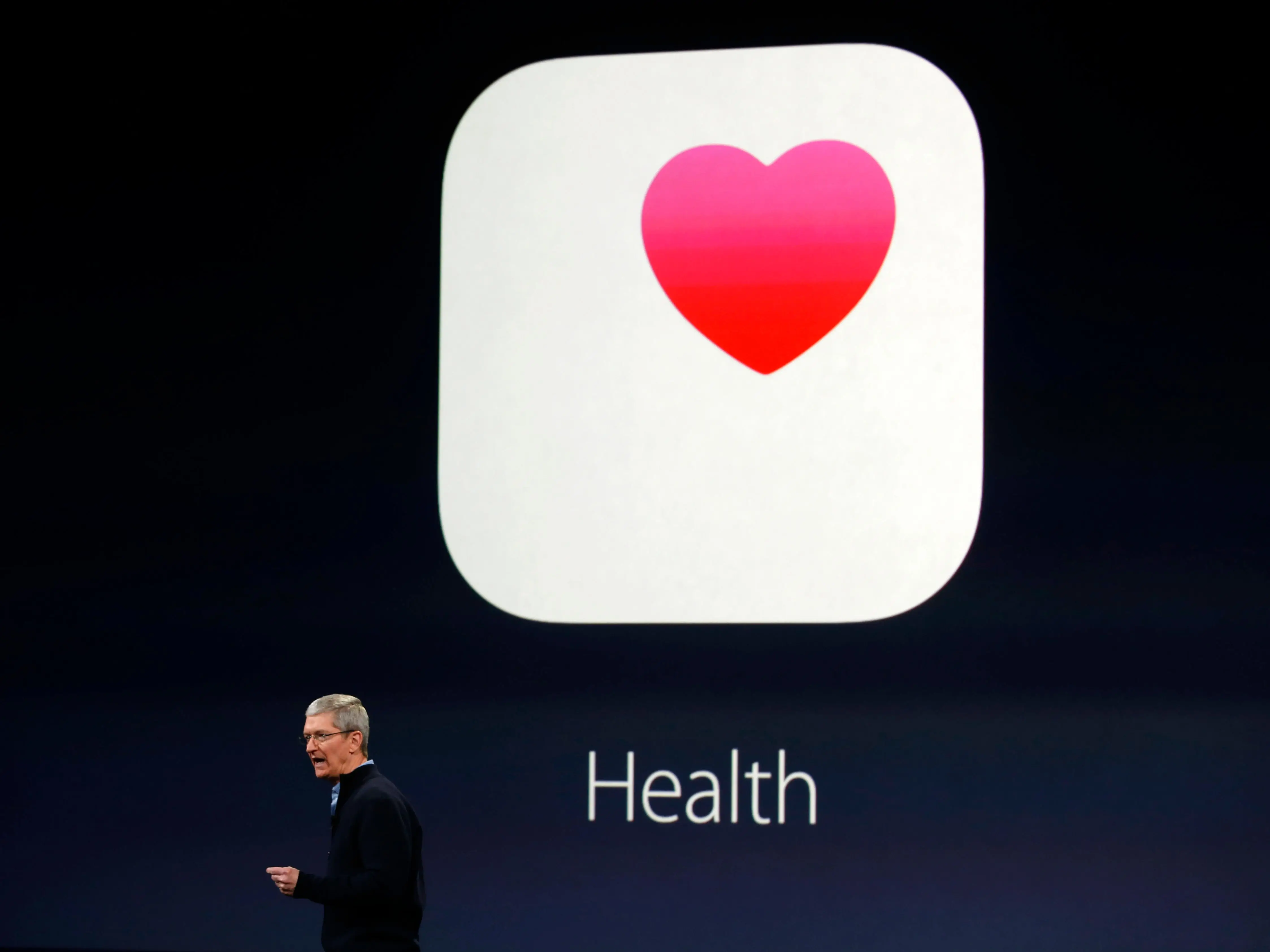
In 2019, the CEO said that in the future, people will look back and say, “Apple’s most important contribution to mankind has been in health.”
Health monitoring has already been a part of the company’s strategy for over a decade, with the Apple Watch offering fitness and cardiovascular health features.
Now the company is developing new AI-powered health features, which some have called an “AI doctor.” While Apple has since scaled back these plans, it’s still planning to integrate some of the new features into its health app, Bloomberg reported.
“Our business has always been about enriching people’s lives,” Cook said of Apple’s role in health in 2019.
Read the original article on Business Insider
The post Tim Cook had bold visions for Apple. See which ones came true. appeared first on Business Insider.