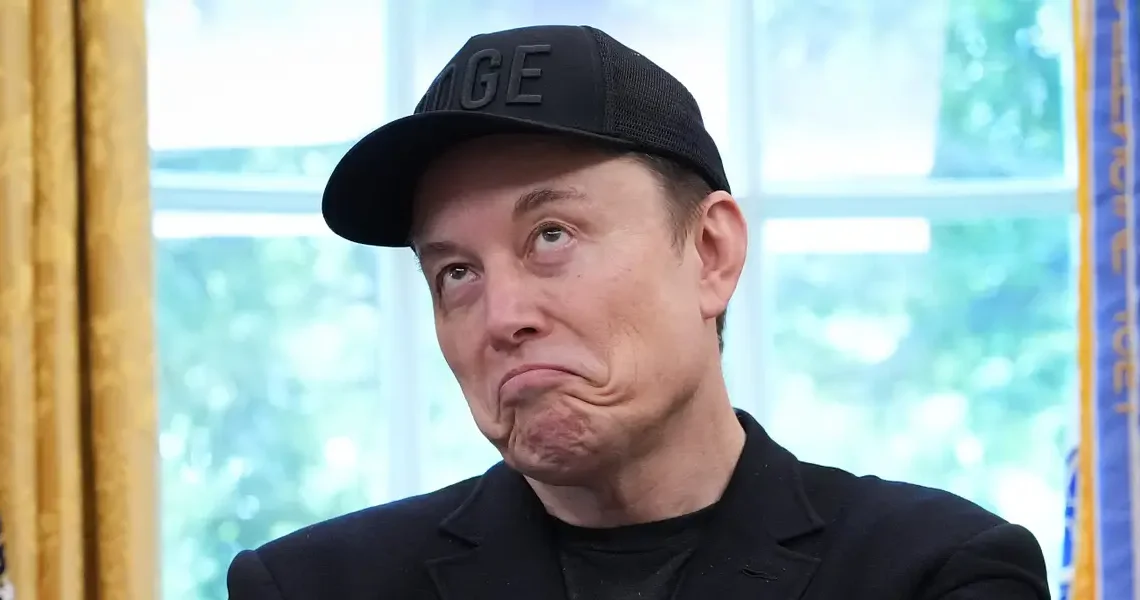
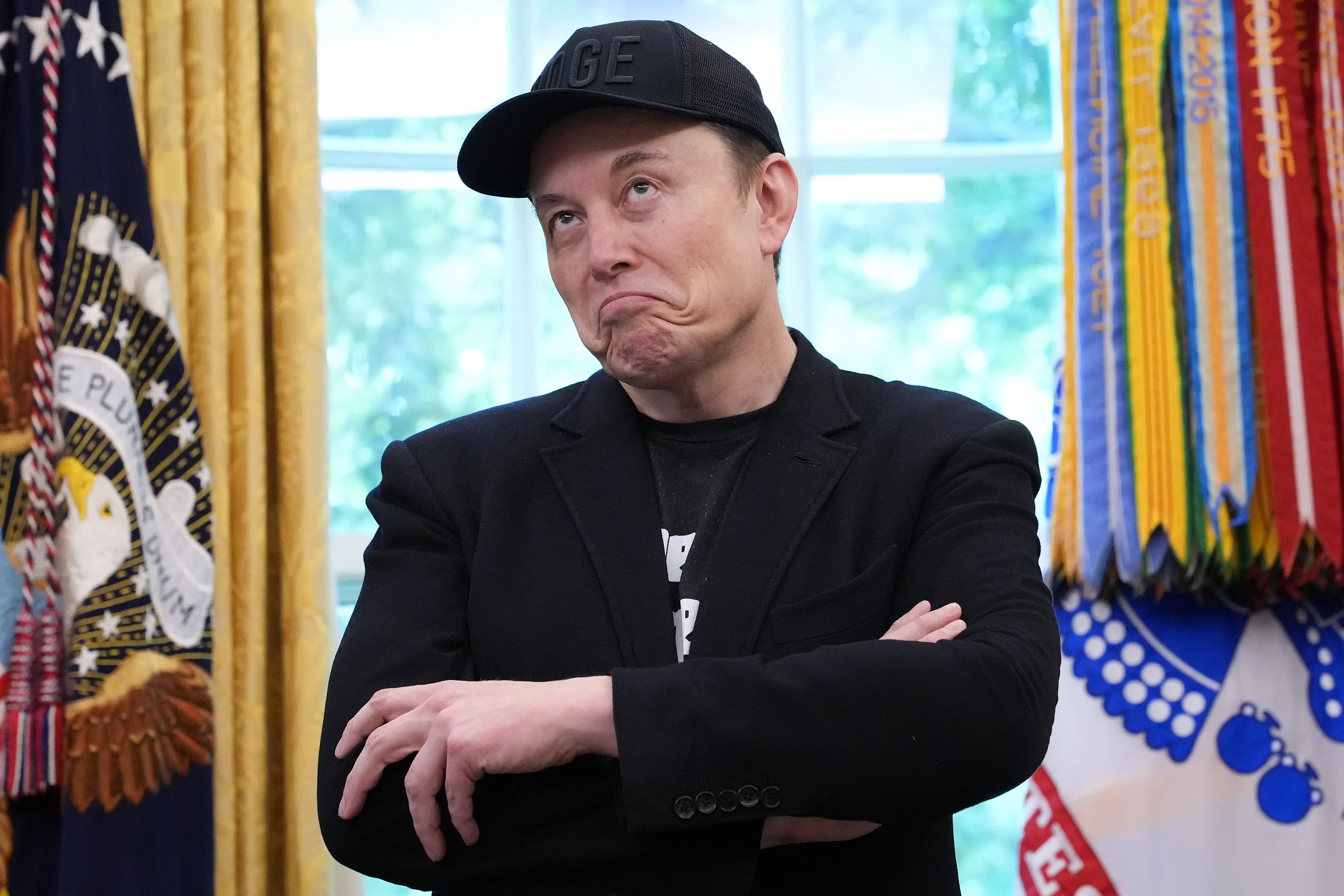
Elon Musk recently said the “best way” to handle job losses from AI would be for the federal government to pay a “universal high income” to every American.
The Tesla and SpaceX CEO headed off concerns that doling out big checks would drive up prices: “AI/robotics will produce goods & services far in excess of the increase in the money supply, so there will not be inflation.”
In other words, Musk believes that AI and robotics will supercharge production and push down prices, offsetting the inflationary impact of the government boosting the money supply when it pays large incomes to all.
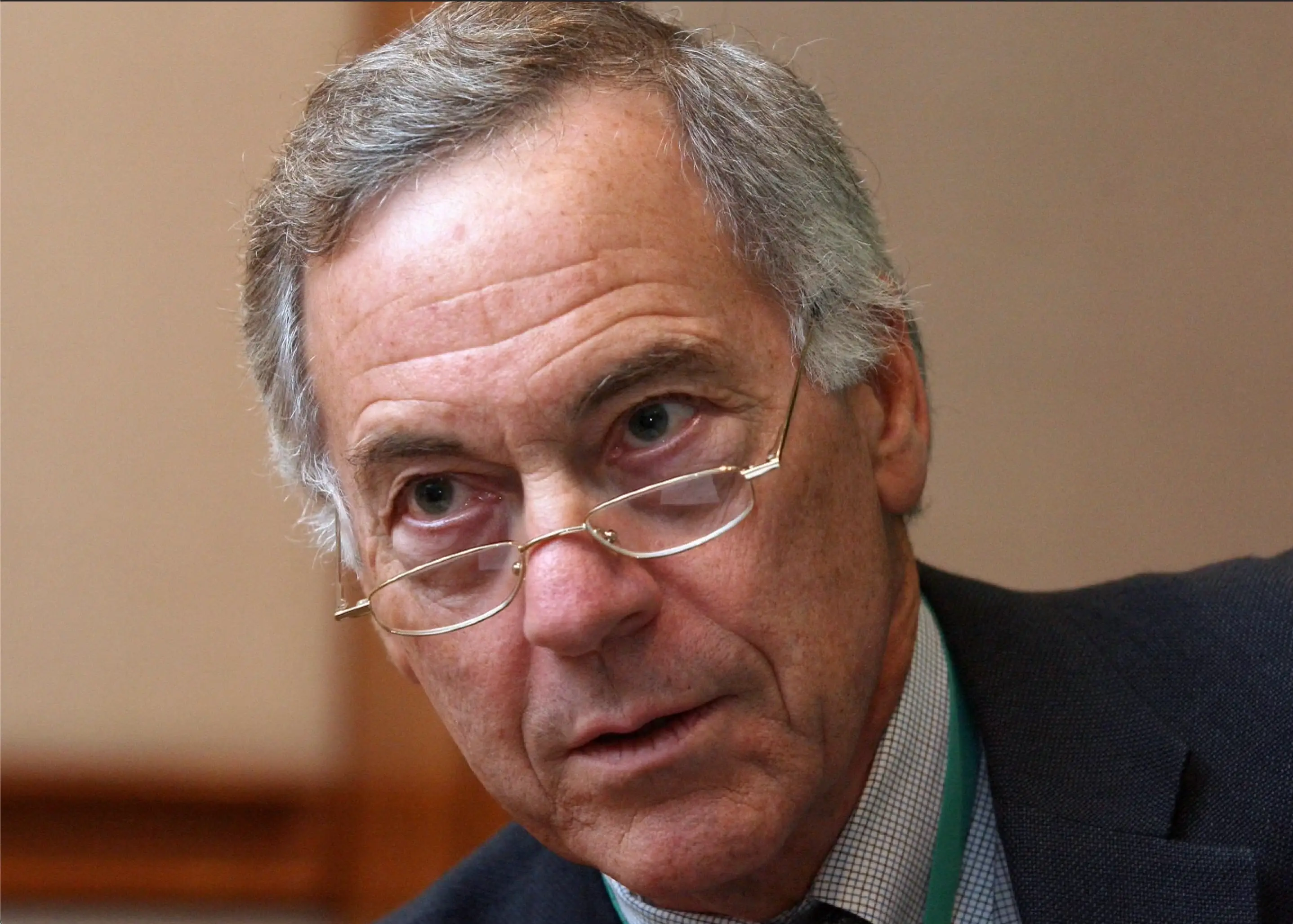
Steve Hanke — a professor of applied economics at Johns Hopkins known as the “Money Doctor” because of his experience helping governments solve inflation and currency crises — told Business Insider that Musk has a point.
“By applying the quantity theory of money, Musk’s conjecture, as far as it goes, would be true,” Hanke said, referring to the idea that the general price level of goods and services in an economy is directly proportional to the amount of money in circulation.
“Indeed, it would not result in inflation, but in deflation,” Hanke continued. “But that is not the end of the story.”
The former economic advisor to President Ronald Reagan noted that between 1866 and 1897, the US saw “a boom in productivity, strong economic growth, and a secular deflation.”
Yet between 1897 and 1914, the nation experienced an economic boom and inflation, showing that rates of growth and price change have been “independent of each other” in the past, Hanke said.
That means there’s no guarantee an AI-fueled boom in growth and productivity wouldn’t be accompanied by inflation.
Men in white coats
Hanke told Business Insider that many of Musk’s predictions about aging — he labeled it a “very solvable problem” in Davos this year — and advances in AI and productivity would sound crazy from someone less successful.
Those comments, if “uttered by anyone less than the world’s richest man, would generate calls to bring in the men in white coats,” Hanke said.
Musk has gone as far as proclaiming that saving for old age will soon become pointless if he’s right about a future of abundance.
“Don’t worry about squirreling money away for retirement in 10 or 20 years,” Musk said on a podcast episode released in January. “If any of the things that we’ve said are true, saving for retirement will be irrelevant.”
Hanke recently highlighted just how far the world is from Musk’s grand vision by publishing Hanke’s Annual Misery Index (HAMI).
The index measures “misery” by factoring in a country’s unemployment, inflation, interest rates, and real GDP per capita.
The US ranked 119th out of 178 countries, making it less miserable than Norway or Australia, but more miserable than Cameroon or Taiwan, the happiest place on the list.
Read the original article on Business Insider
The post Elon Musk says government checks for all wouldn’t spike inflation. Economist Steve Hanke says that’s not guaranteed. appeared first on Business Insider.