

Across China, a new kind of digital worker is clocking in.
They’re called “lobsters,” shorthand for OpenClaw-powered agents that can browse, click, reply, trade, post, and sometimes spiral out of control.
What began as a niche tool for engineers went mainstream earlier this year. OpenClaw is drawing crowds to installation events, spawning side hustles, and turning everyday users into accidental CEOs of AI employees.
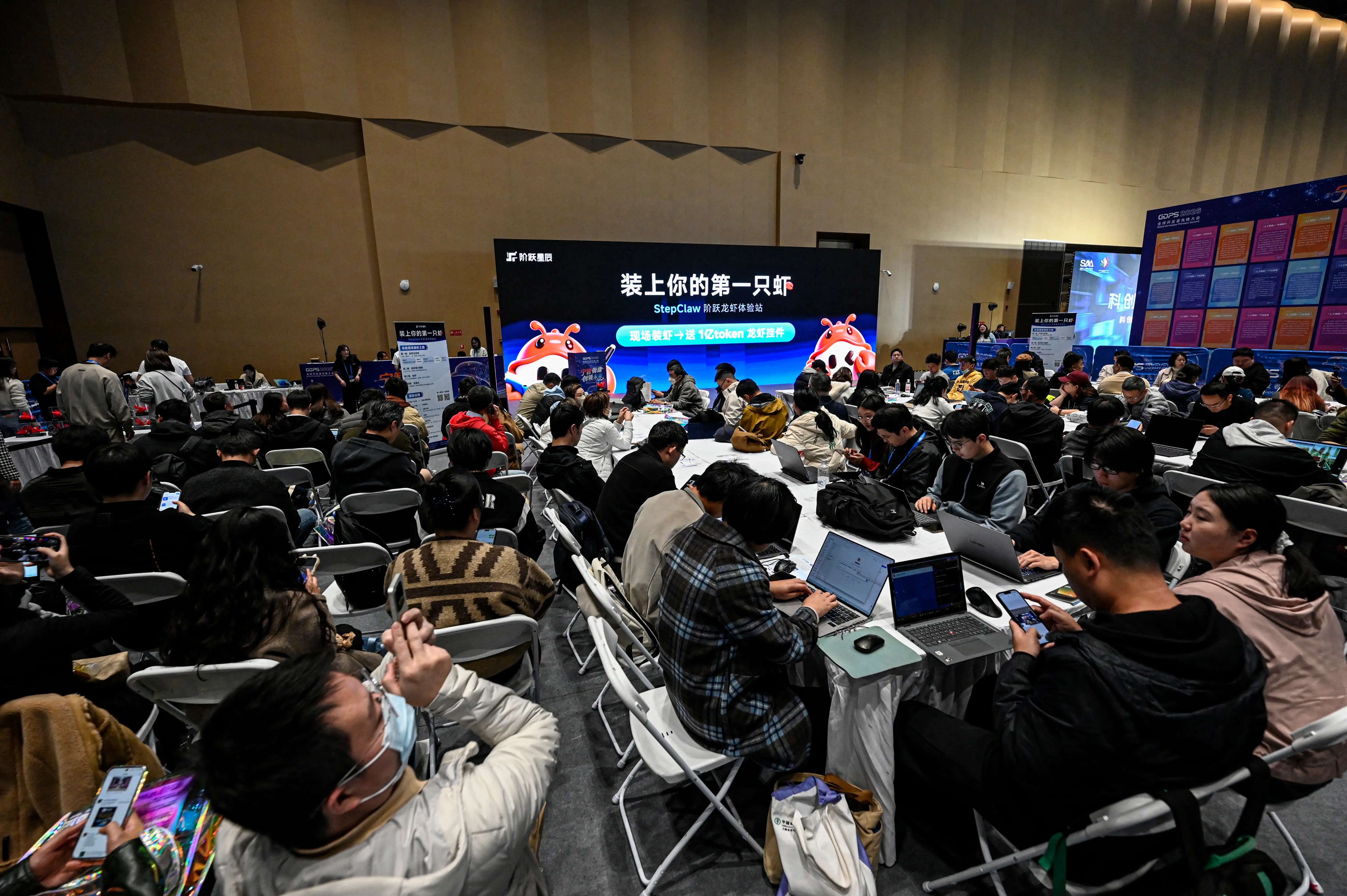
People charge as much as 299 yuan, or about $44, to help others set up a “lobster.” Others are putting their agents to work in the stock market, hoping to strike it rich.
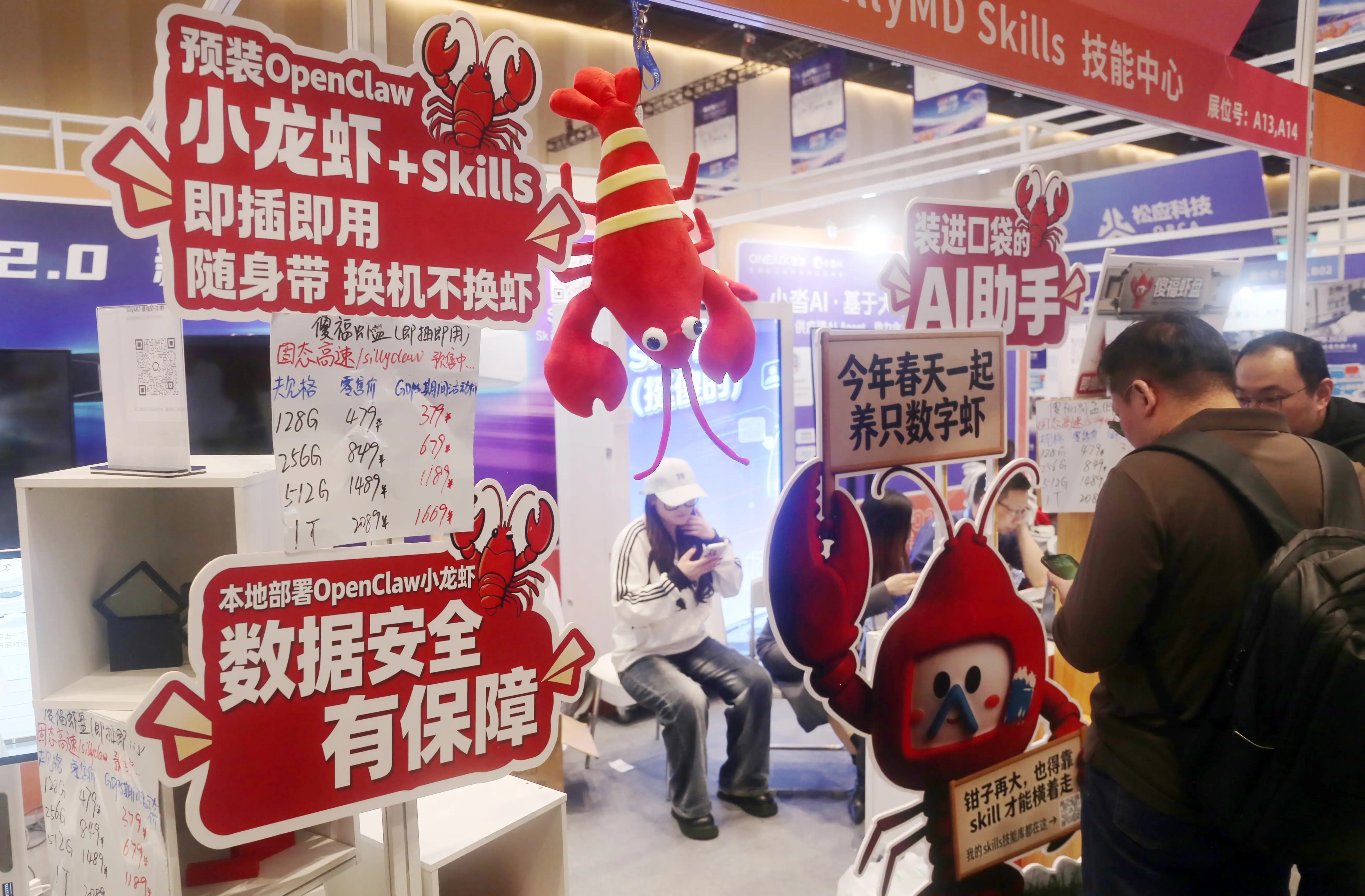
Around it, a full ecosystem is forming. “Lobster” communities, meet-ups, and install events are popping up across the country. Local governments are leaning in too: Districts in Shenzhen and Wuxi have rolled out incentives including free housing, rent-free offices, and subsidies of up to $720,000 to attract developers building on OpenClaw.
But the boom comes with risks. Security researchers warn that poorly configured agents can expose sensitive data. Users share stories of runaway lobsters taking actions they didn’t expect. Chinese companies are also racing to make deployment easier while keeping control in check.
What’s unfolding in China is a glimpse of what happens when powerful AI tools escape the lab and land in the hands of millions — fast, messy, and full of possibility.
Read our coverage of OpenClaw in China
Read the original article on Business Insider
The post How OpenClaw turned into China’s next big thing appeared first on Business Insider.