

Jona Dunning spent years climbing the corporate ladder and saving aggressively to retire early.
He worked in finance in Seattle, living with his wife and two kids. The job was demanding but well-paid, and he saw it as a path to financial independence.
“I realized that the paychecks aren’t making me happier, but they are a vehicle that can help me to really accelerate things for my family and for me,” Dunning, now 40, told Business Insider.
In 2018, Jona got the promotion he had been gunning for and quickly found it came with intense pressure. His wife, Mary, noticed he had become more distracted, and the two began talking about making a change.
The couple had long wanted to live abroad. Jona was ready for a break, Mary was a stay-at-home mom, and their children, then 1 and 3, were still young enough to adjust to a new environment.
Jona, who is half Thai and grew up regularly visiting Thailand, said he had always been drawn to Chiang Mai, a city up north, about an hour’s flight from Bangkok. That’s where the couple decided to go.

To make the move work, Mary, who had taught at an elementary school before having kids, had to find a job at an international school so the family could secure visas.
“Since we knew what city we wanted to live in, I researched the international schools in the area and applied to the ones that seemed like they could be a good fit,” Mary said, adding that it was her first time working outside the US.
Once she secured a role, the move quickly became a reality.
At work, Jona framed the move as a sabbatical. In June 2019, the family moved to Chiang Mai.
A break that didn’t feel quite right
In Chiang Mai, Jona took regular Thai lessons. The warmer weather meant more time outdoors, and he said the culture felt more accommodating for young children.
“Here in Thailand, you bring your kids to a restaurant, and everybody gushes over them, and they don’t mind if they run around,” he said.
Mary found she liked working at the school. With smaller class sizes and teaching assistants to help, she said the work felt less demanding than when she taught in the US.
“You are able to have a better work-life balance because of it,” she said.
Within six months, the couple realized how much they liked living in Chiang Mai. But Jona found it difficult to adjust to being out of the workforce.
“I had a lot of anxiety that I wasn’t working. I thought I would really enjoy being just a stay-at-home dad, studying Thai, and I really didn’t,” Jona said. “That was a huge realization for me, and then for anybody that’s looking at FIRE really young in their life.”
He came to see just how much of his identity and sense of purpose had been tied to having a successful career.
About 11 months after the move, he briefly opened a burrito shop with friends in Chiang Mai, which gave him a sense of purpose. But after about six months, he stepped back from the business when he landed a remote role at a Hong Kong-based consumer electronics company.
“When I got that job, I’d say that’s when we really locked in,” he said. “And I don’t remember ever looking at going back to America after that.”
Committing to Chiang Mai
The family now lives in a home they built.
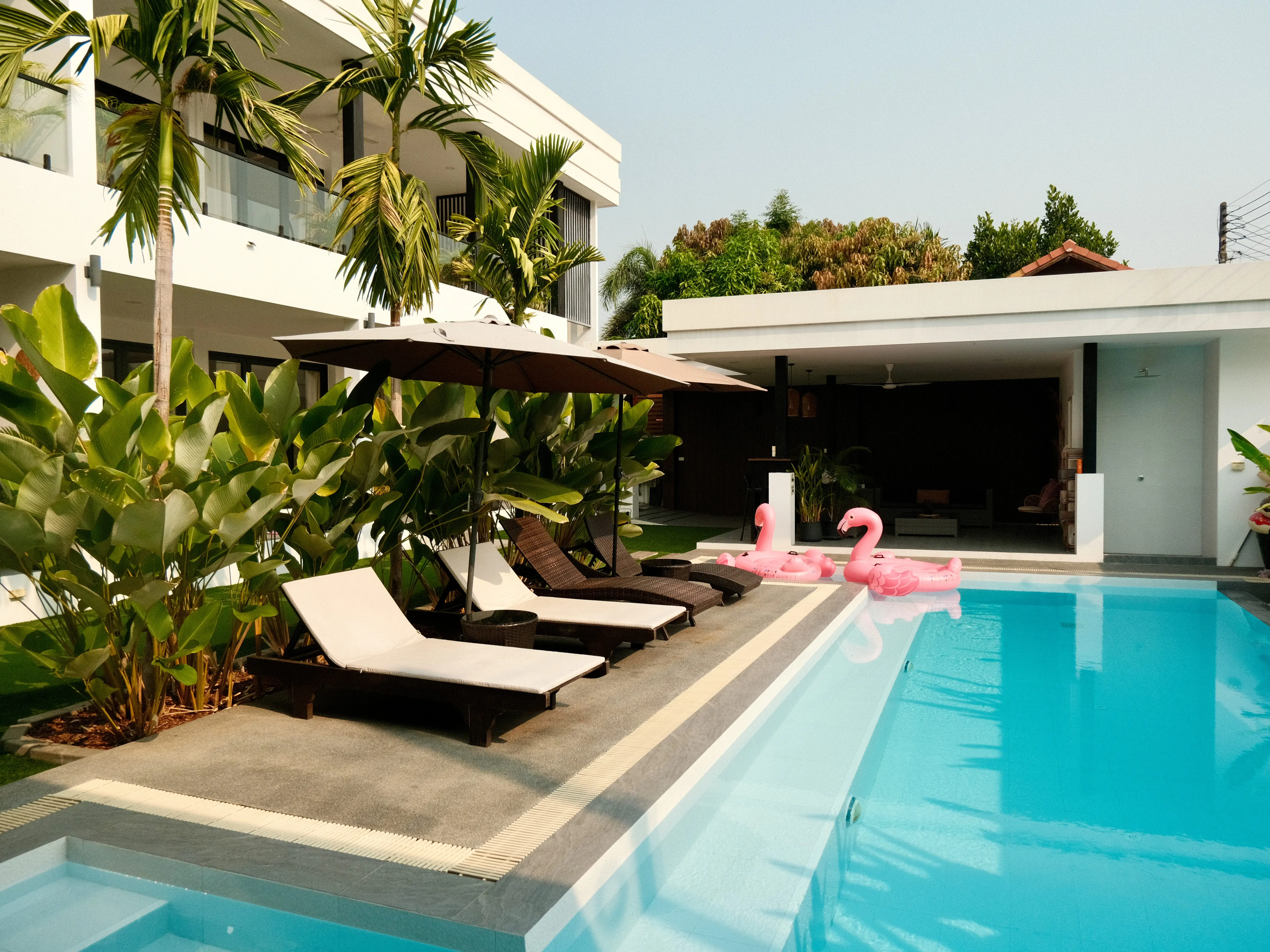
They bought a plot of land near the international school their kids attend and spent about 12.1 million baht, or $377,000, building the property.
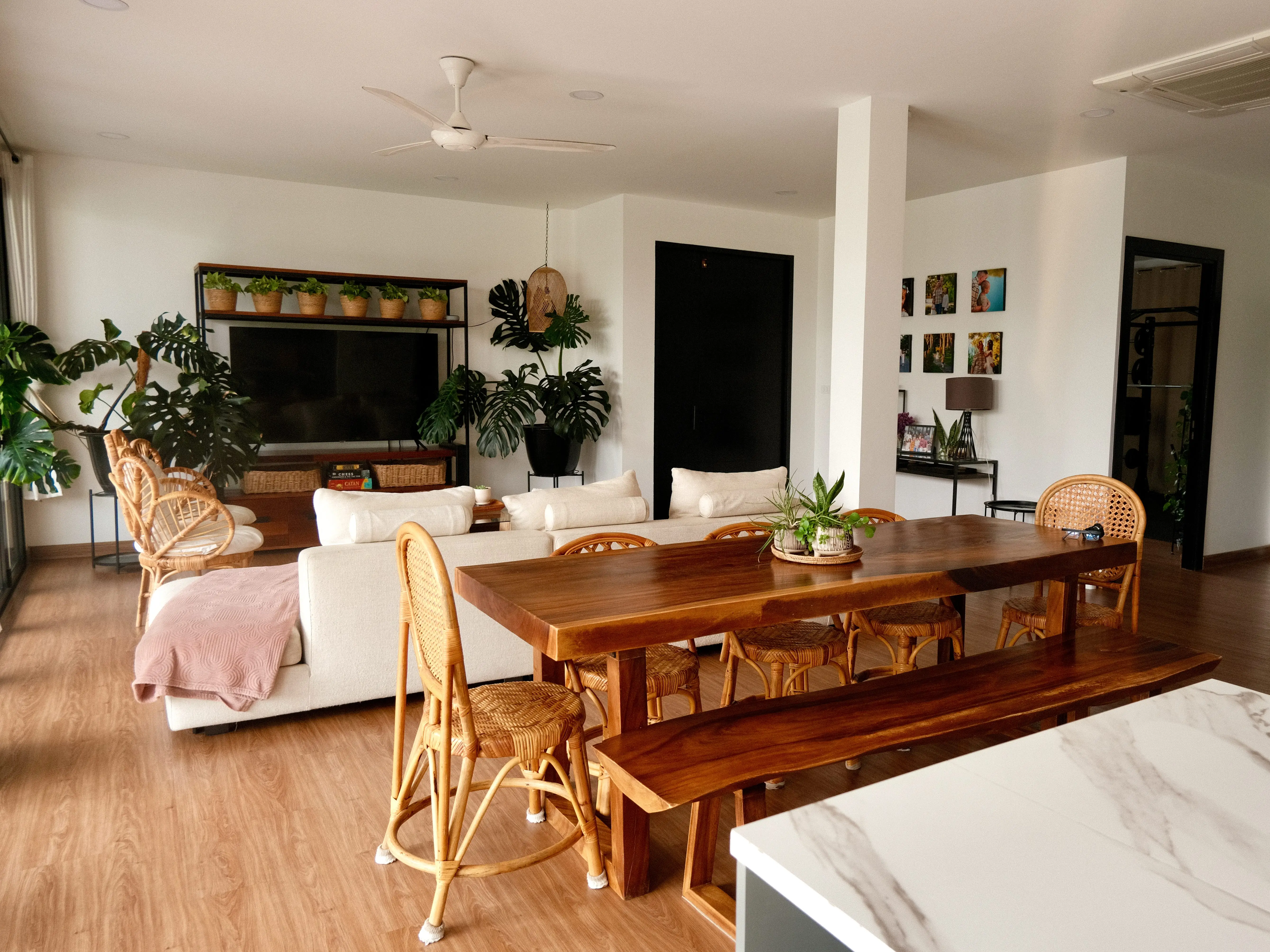
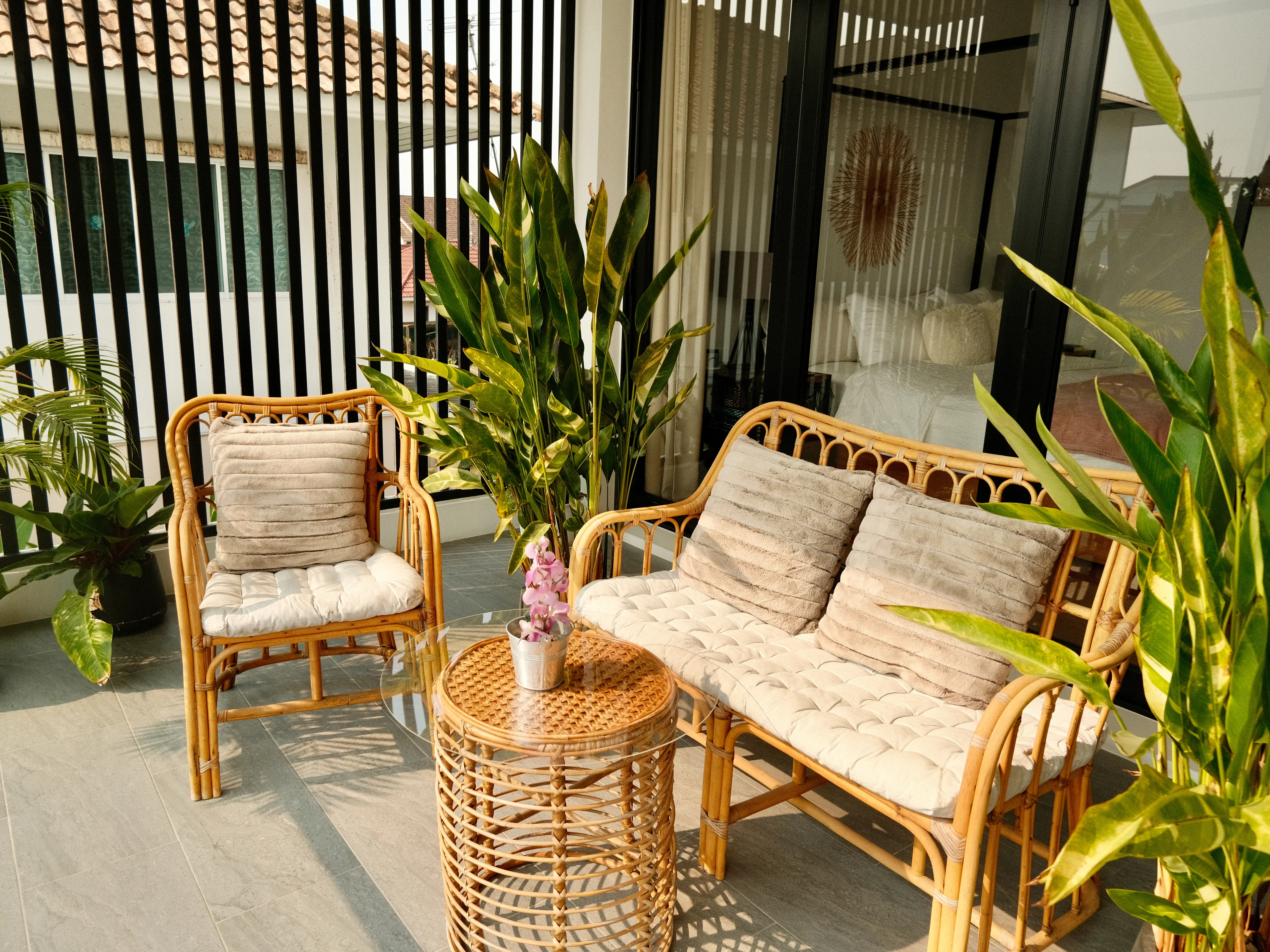
The two-story property is split into two sides. One side is the family’s home. The other is divided into two identical Airbnb units, each with its own entrance, three bedrooms, and an open-plan living area.

“To have a pool and an outdoor bathroom and this kind of yard space, we would never have that if it was just our house,” Jona said. “The only way we can justify having it is that it’s income-producing.”
Each Airbnb unit rents for 4,000 to 5,000 Thai baht a night, and guests typically stay for an average of five days, he said. He spends a few hours each week managing guest communications, while two housekeepers handle turnovers.
How they built their life in Chiang Mai
The Chiang Mai home is part of a broader financial strategy he’s been building for years to generate additional income, often considered the key to the FIRE — financial independence, retire early — movement.
Before moving to Thailand, the couple had already been investing in real estate in the US.

They own three properties in the Seattle area, including a townhouse they bought for $430,000 in 2011, a duplex they purchased for $387,500 in 2017 as an investment property, and a $510,000 single-family home where they lived while renting out an accessory dwelling unit on the same lot.
They rent out all three. Now that he has a job, Jona said he largely leaves the rental income untouched.
Living in Chiang Mai has also lowered the family’s cost of living while helping them enjoy a higher quality of life.
Jona says their family of four spends about 160,000 Thai baht each month, including the mortgage on their Chiang Mai home and expenses related to running the Airbnb units. Their children’s school fees are covered through his wife’s job, which helps keep expenses lower.
Living in Chiang Mai means they can enjoy small luxuries more regularly, Mary said: “Pampering yourself with massages, nails, and whatnot is way more affordable here.”
Jona, who works from home, starts most days with an hour-long run. Mary now has time to train for a couple of hours after work and competes in powerlifting.
“We can fill that time with things that are more satisfying for us. Our kids are really fit and really into sports and really good at all that too, because we have time to do that with them,” Jona said.

Being part of the international school community has also made it easier to build a social circle. In Seattle, they lived far from a lot of their friends. Here, everyone lives within 20 minutes of each other.
Mary said they often host dinner parties, pool parties, and playdates, and go out for drinks and meals around town.
“Not only do we have a community, but we have more time to hang out with them and connect with them than we ever did in America,” Jona added.
Read the original article on Business Insider
The post He burned out, moved to Thailand with his family, and found early retirement didn’t suit him appeared first on Business Insider.