DARPA, the Pentagon’s research agency, has developed a powdered blood substitute and is now seeking partners to continue testing it, the program director told Business Insider.
Officials are racing to determine whether it can move beyond testing and navigate regulatory and manufacturing hurdles to become a viable battlefield tool by 2029.
Blood supply is becoming a critical consideration as the Pentagon shifts how the US military prepares for future wars. Two decades of the Global War on Terror saw US troops often working with air superiority, meaning wounded ground troops could be quickly evacuated, often within the “golden hour,” to installations staffed with robust trauma care.
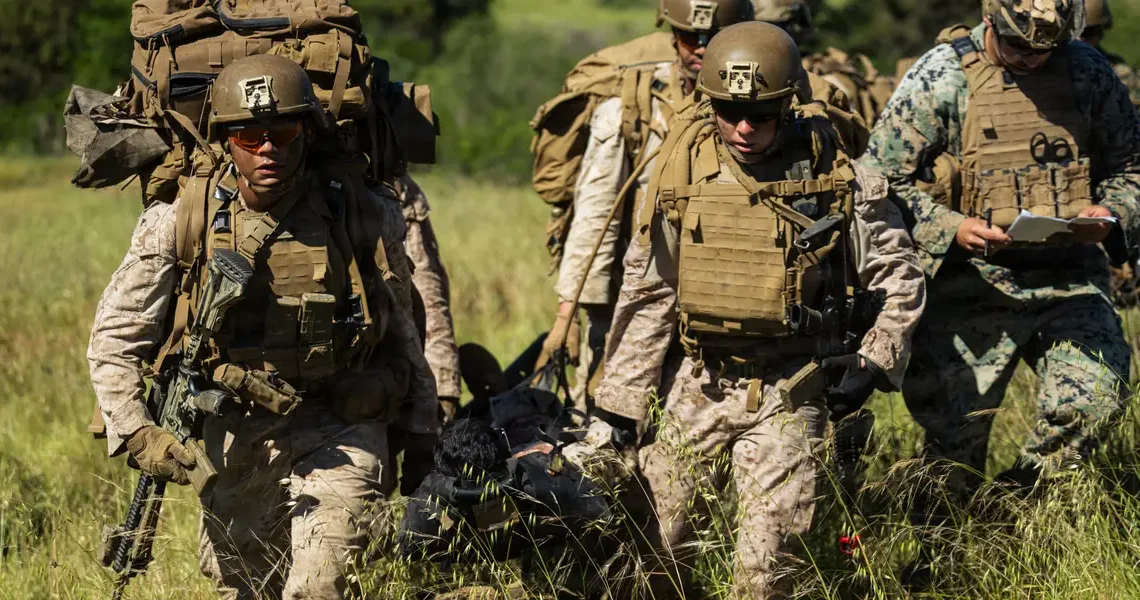
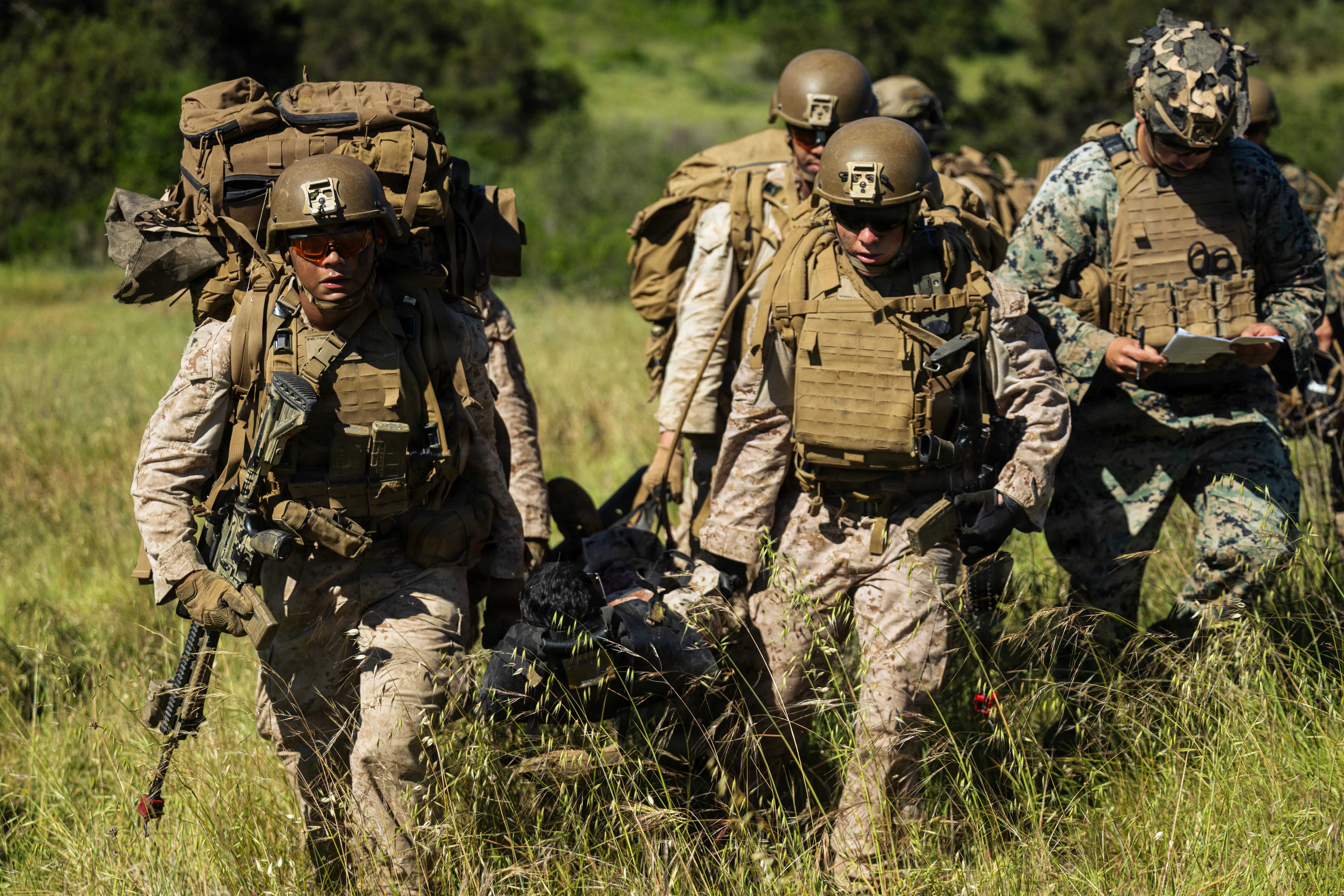
The years-long war of attrition in Ukraine, where helicopters are under threat and attack drones haunt wounded troops and rescuers, and the prospect of conflict in remote Pacific island chains without medical infrastructure has made access to fresh blood an urgent concern for military leaders and medical personnel.
‘Disruptive technology’
Powdered blood could be an answer.
DARPA’s efforts in this space, known as FSHARP, could provide troops with a shelf-stable, powder-based blood substitute that can be quickly mixed and carried into combat. The program is entering a critical phase: moving from lab success to practical use, said Lt. Cmdr. Robert Murray, a Navy doctor overseeing it for DARPA, the Defense Advanced Research Projects Agency.
“We’ve had success in a petri dish. We’ve had success in animals now,” he said, calling the work “truly disruptive technology.”
“I don’t think we had anticipated this level of success.”
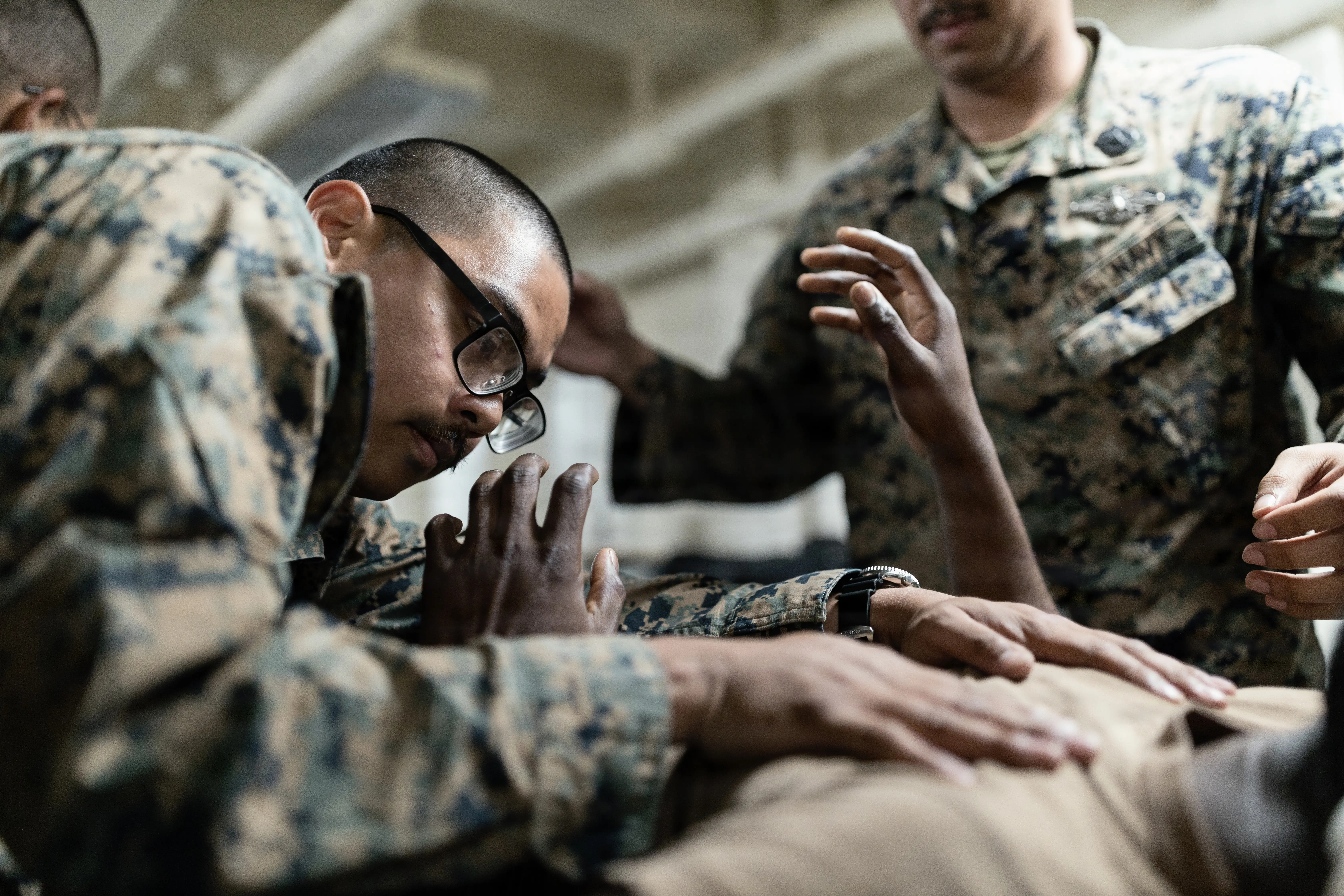
Hemorrhaging patients need lots of blood within minutes of being wounded, Murray said, something not often readily available on the battlefield.
The powder, Murray explained, is held in dual-chamber blood bags, separating it from sterile water to be mixed just before a patient needs it.
The dual-chamber bags are durable and hard to break, meaning troops can stuff the bags into their kit. Pop the bag open, mix the powder and water, and there’s your solution, he said.
Whole blood like the FSHARP powered blood is better than blood components mixed together later, Murray added, explaining that separating and then mixing plasma and red and white blood cells is too time-consuming and cumbersome for rapid battlefield needs.
Getting it beyond the lab
Barring a major war, blood transfusions aren’t exactly common in the US military, Murray said. But in a major war, that dynamic could shift dramatically.
“We’re actively falling into the trap of the peacetime effect,” retired Air Force Colonel Jeremy W. Cannon, a professor of surgery at the University of Pennsylvania, said during a congressional hearing last year on the state of military medical readiness.
Up to 1,000 US troops may be killed and wounded each day for months in a high-intensity Pacific-based conflict, Cannon estimated. Many will have survivable injuries, “yet one in four will die at the hands of an unprepared system,” he told lawmakers.
For DARPA, the next step is to get the new powdered blood in front of the Food and Drug Administration on an accelerated timeline, Murray said.
Before the blood can move toward FDA testing, including in humans, DARPA wants to set conditions to avoid the economic pitfalls that often sink high-tech programs by ensuring synthetic blood is financially viable — or at least doesn’t lose money for the companies and hospitals that might produce and use it.
He compared the effort to the military developing a breakthrough in stealth technology without adequate funding to actually build the next-generation aircraft. “We are getting this train going up to speed. And right now we’re in the process of making sure that we can accelerate the train and nothing happens on the back end.”
At the moment, there’s not much money to be made in synthetic blood, Murray said. Hospitals already struggle with the economics of blood supply, especially in smaller systems. Unlike other medical expenses, blood is typically reimbursed at low rates, making it unprofitable despite its importance.
“We have to make sure that the right type of scientific investments are there so that the necessary commercialization stakeholders can invest in it,” he explained. “We are at this kind of this culmination point,” Murray said. “What are we going to do with this technology, and what’s it going to take to get it over the finish line?”
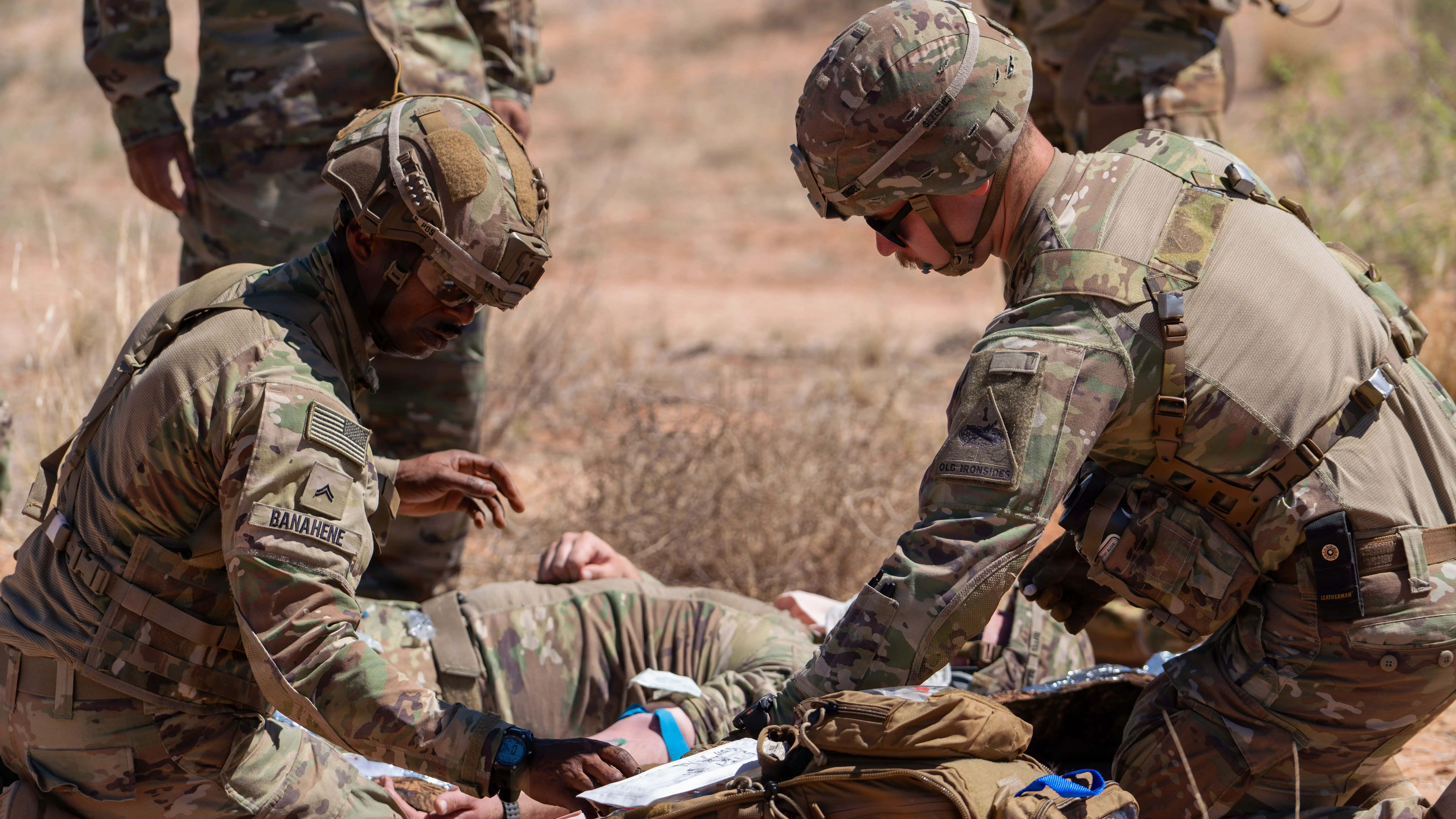
In the meantime, more military units are learning to do “walking blood banks” and emergency fresh whole blood transfusions, where one person immediately provides blood to a wounded comrade. Such training is helpful and important, Murray said, but it is a band-aid solution.
“Let’s hope you don’t get more than one casualty,” he said.
Read the original article on Business Insider
The post DARPA says its powdered blood for future warfare works in animals. Now comes the hard part. appeared first on Business Insider.