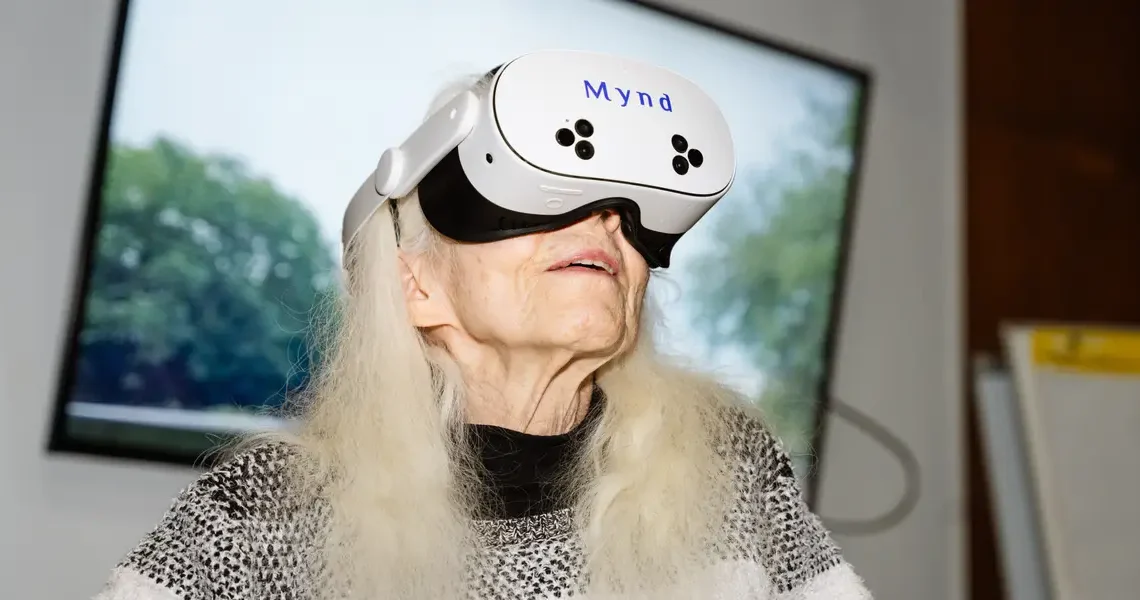
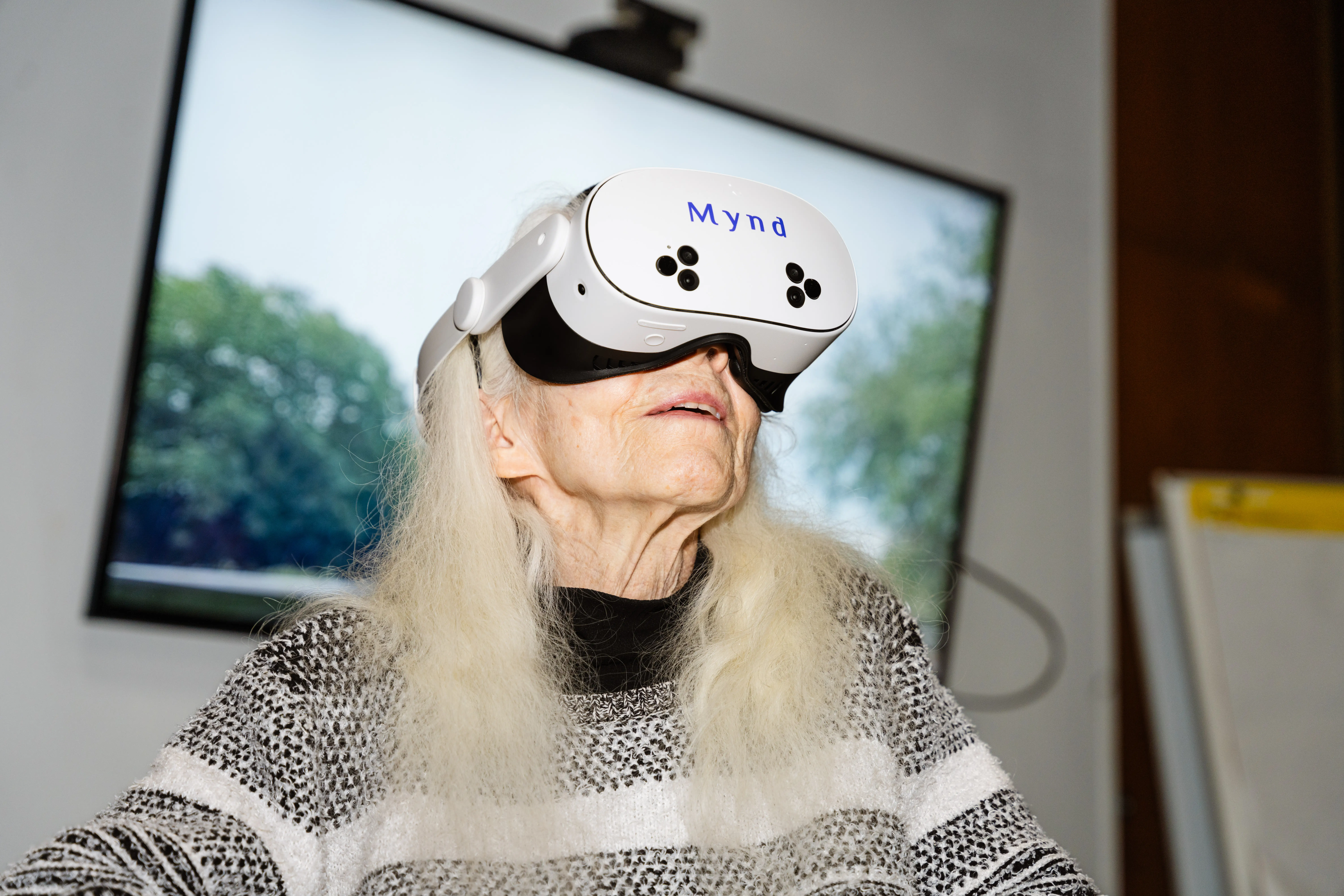
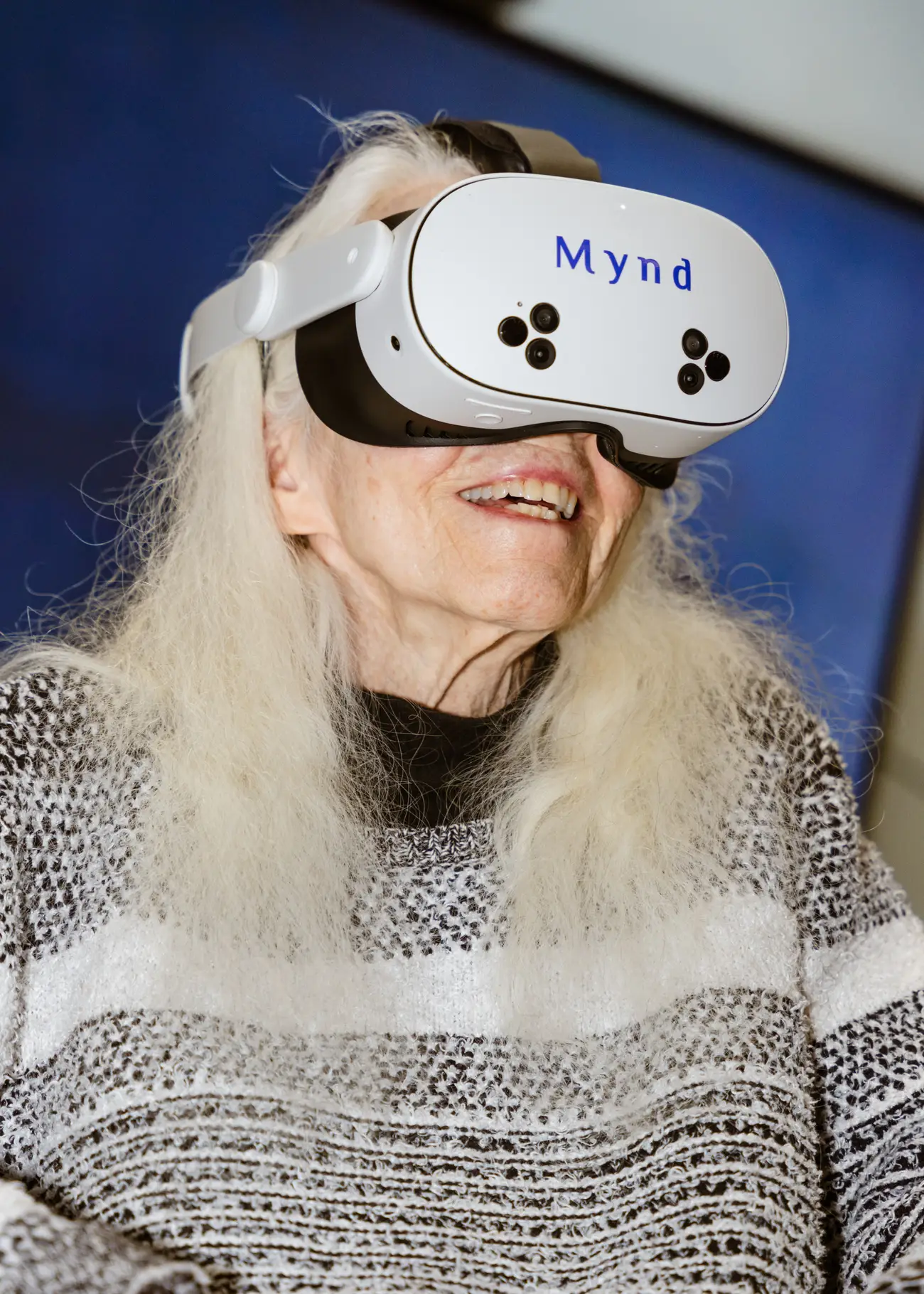
Carol Foster inched her walker toward the front of a senior living meeting room and paused while a virtual reality headset was strapped onto her face.
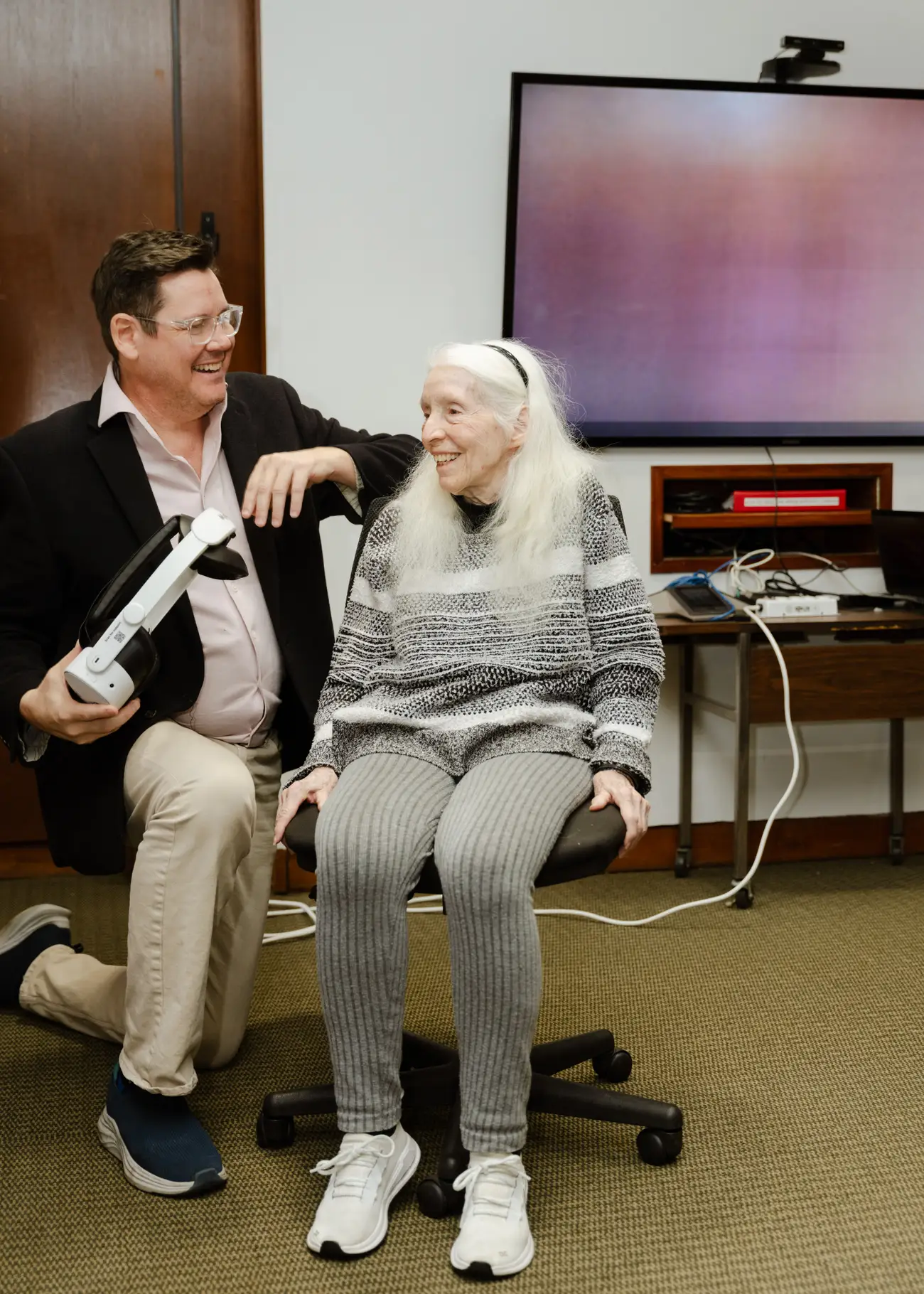
For a moment, the 82-year-old could only see a mostly black screen. “We can take you to any place imaginable,” said Chris Brickler, chief executive and cofounder of Mynd Immersive, who demonstrated the technology in March at The New Jewish Home on Manhattan’s Upper West Side, where Foster lives. “You can look up, right, left, down, and feel like you’re there.”
“What about Florence?” he asked. She hesitated; she had never been.
Then off to Italy she went, trading rainy Manhattan for the Ponte Vecchio, Michelangelo’s marble statue of David, and the Basilica of Santa Maria Novella.
@media (min-width: 768px) {
.vertical-image-wrapper {
display: flex;
justify-content: center;
}
.vertical-image-wrapper .vertical-image {
width: min(calc(80vh * var(–img-w) / var(–img-h)), 100%);
min-width: 0;
}
}
Corrie Aune for BI
“Does it feel like you’re there?” Brickler asked.
“Of course, yes,” Foster said.
Originally developed with dementia and Alzheimer’s treatment in mind, the Mynd headsets have expanded to hundreds of healthcare facilities and senior care residences nationwide. The virtual-reality devices display a 3D view of the user’s chosen destination. They help take older adults out of worlds that, for many, have gotten small.
Foster’s tour of Tuscany was projected onto a screen, letting other residents follow along — an added bonus, some said, as the sessions have helped foster friendships. Residents take turns with the headset, often choosing locations that return them to earlier chapters of their lives. As Foster explored Florence, a built-in narrator described the city’s history.
“You would have liked to have stayed there all day, right?” Brickler said. Foster nodded. She’s lived at the home for nearly two years after a fall left her unable to care for herself. She hasn’t been outside much since then and said she may never get to see these destinations in person.
“It’s interesting to feel you’re someplace else for a while,” she said, peering out to the courtyard as rain trickled down the windows.
.jwplayer-vertical-wrapper {
display: flex;
justify-content: center;
}
.jwplayer-vertical-wrapper .jwplayer-vertical {
width: 100%; /* full width on mobile */
}
@media (min-width: 768px) {
.jwplayer-vertical-wrapper .jwplayer-vertical {
width: min(calc(80vh * 9 / 16), 100%);
}
}
Launched 10 years ago with a now-discontinued Samsung headset, Mynd has raised over $8 million and expanded across 800 clinics, hospital systems, retirement communities, and US Department of Veterans Affairs medical centers nationwide. Its marquee product is a suite of VR headsets — now sourced from Meta and HTC Vive — that let users wander through cities, scuba dive, or catch butterflies. The experiences are designed by Mynd’s 20-person team or in partnership with external designers, then integrated into the hardware.
The broader virtual reality market — valued at nearly $10 billion — primarily targets video gamers. Mynd is a leading player in VR for older adults; its competitors include Rendever and Viva Vita, which also offer travel-focused systems in hundreds of US facilities. Another competitor, UprightVR, sells a device designed to assess balance and support physical therapy.
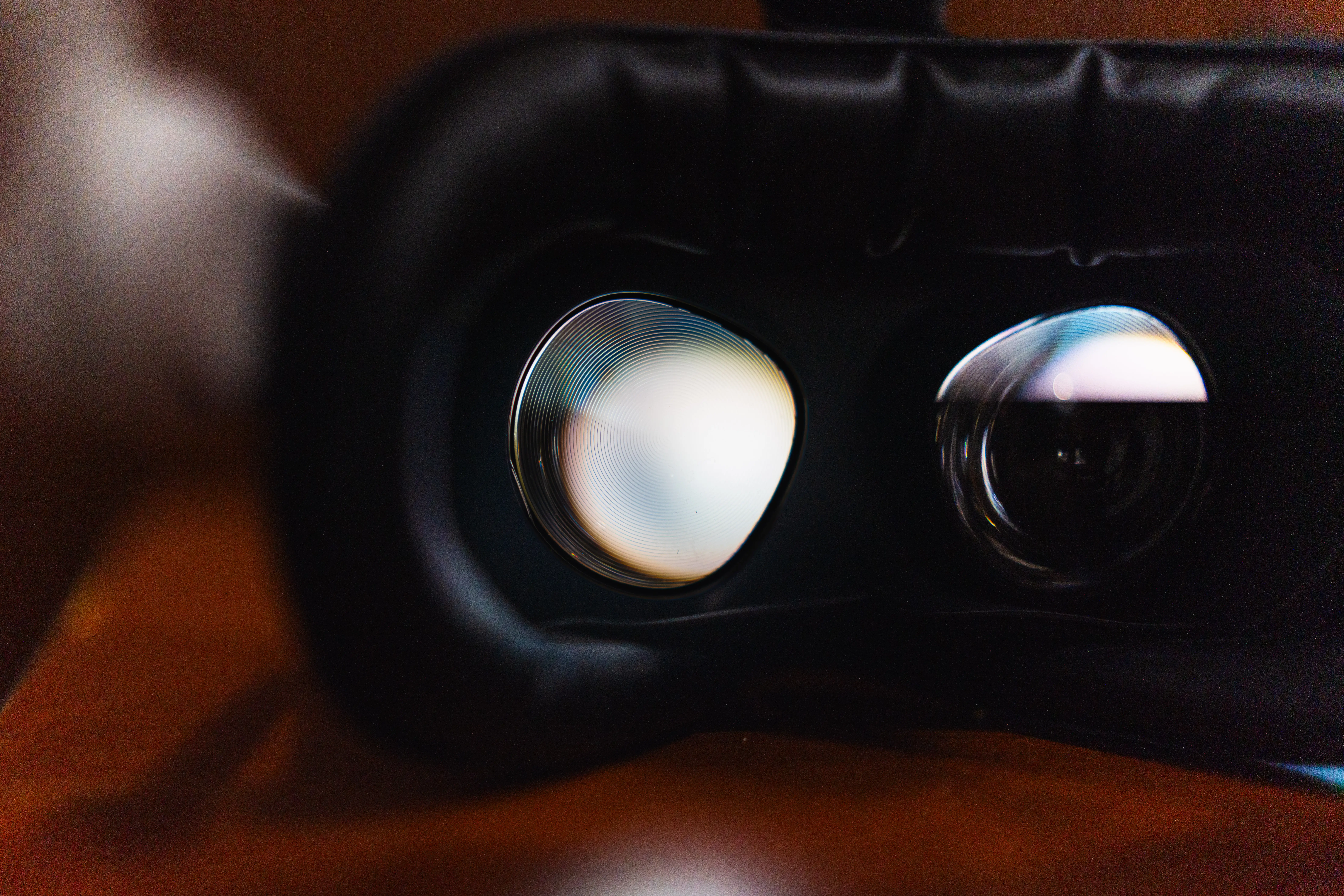
Healthcare facilities pay between $1,800 and $3,000 annually for Mynd headsets, which can be shared among residents for recreational therapy, memory care, and skilled nursing. Insurance companies don’t yet cover most uses.
At the VA, Mynd’s portfolio of immersive therapies has been used for veterans struggling with PTSD, chronic pain, and social isolation, Brickler said. Mynd recently announced that the VA will prescribe and 100% reimburse the use of their products in prescriptive therapy for veterans living at home.
Mynd is selling to care facilities, in part, to circumvent challenges of selling directly to patients, such as insurance. “Get the product out there, get people using it, get these stories around what it is and how it’s impacting their lives,” Brickler said of the business strategy.
Brickler says the headsets can help with loneliness, too, which Surgeon General Dr. Vivek H. Murthy has deemed a public health epidemic affecting nearly half of American adults. In a 2023 advisory on loneliness, Murthy wrote that technology overall could drive connection and community, especially among people with disabilities.
@media (min-width: 768px) {
.vertical-image-wrapper {
display: flex;
justify-content: center;
}
.vertical-image-wrapper .vertical-image {
width: min(calc(80vh * var(–img-w) / var(–img-h)), 100%);
min-width: 0;
}
}
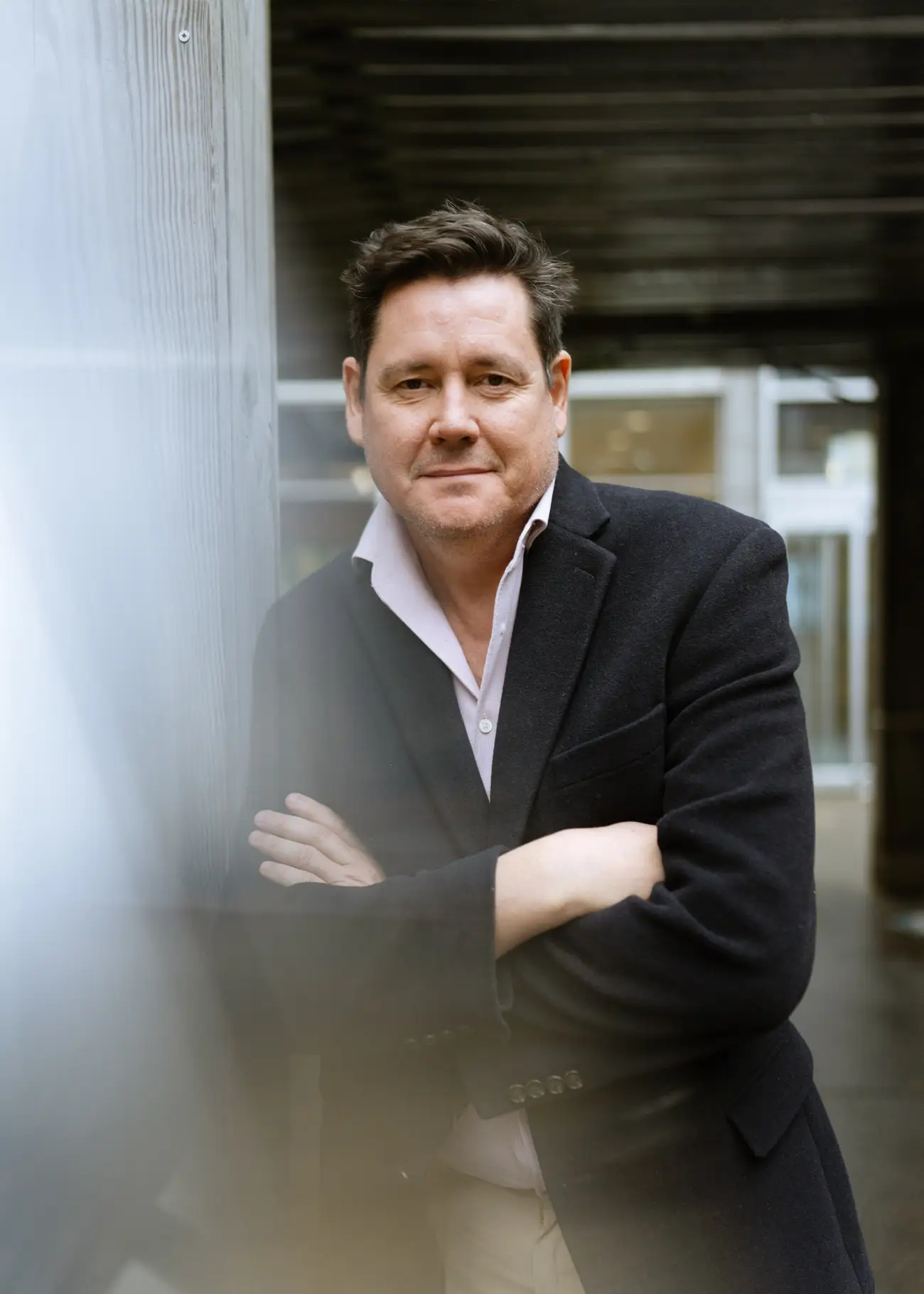
Corrie Aune for BI
Technology can also drive people apart, Murthy’s advisory warned. “Technology that displaces in-person engagement, monopolizes our attention, reduces the quality of our interactions, and even diminishes our self-esteem… can lead to greater loneliness,” Murthy wrote.
Some experts on aging caution against overstating the benefits of caretaking technologies in elder care. Research on the long-term impact is limited, and critics worry the tech could substitute human interaction.
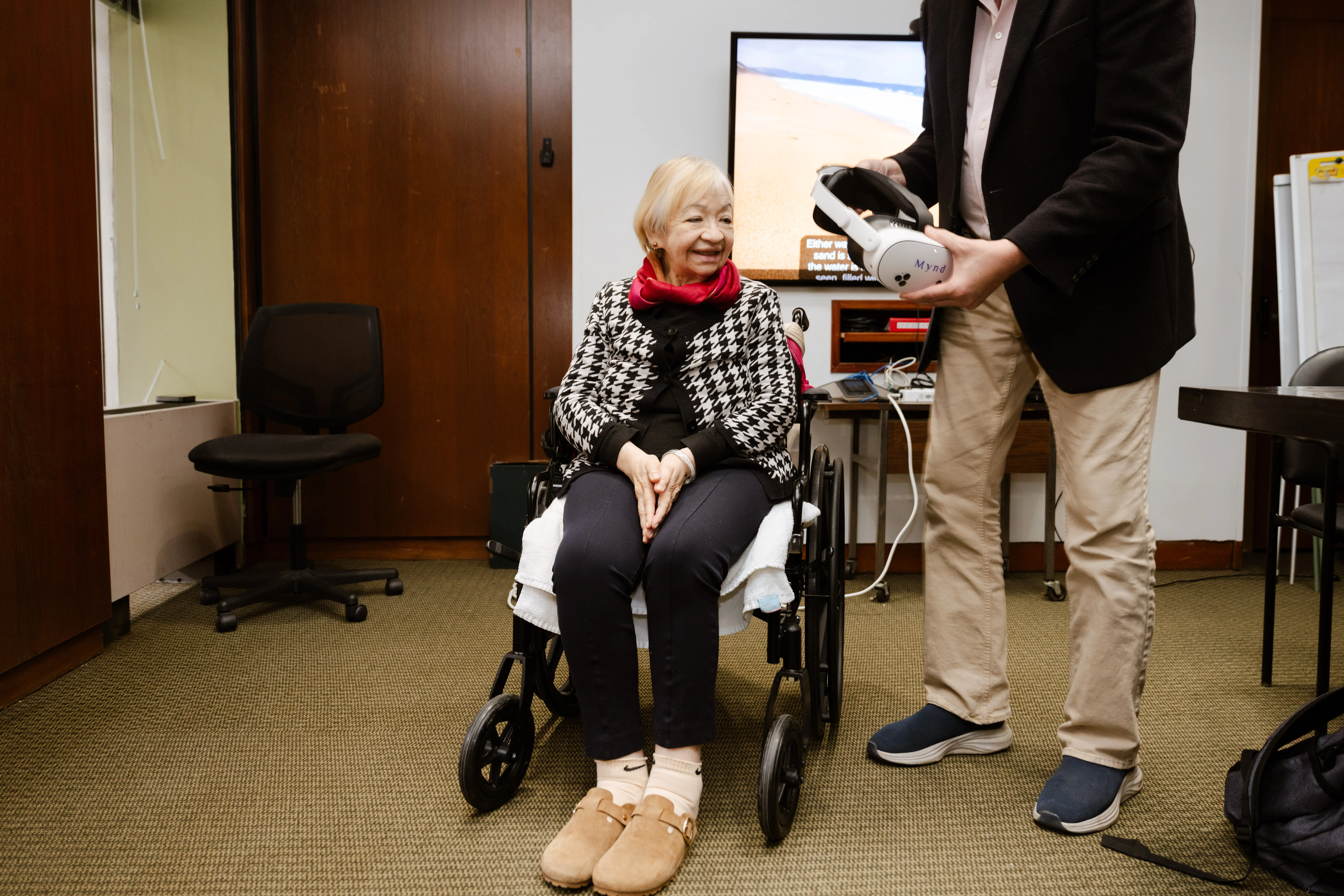
Cecilia Ferreiro, 70, couldn’t wait for her turn on the Mynd headset as she watched Foster cross continents. When she was up, she rattled off a list of cities, starting with Uruguay’s capital, Montevideo.
“Not on this device,” Brickler said.
“What about Buenos Aires?” she asked.
“Not seeing that either,” he said. After a little more searching, he asked: “How about Paris?”
Seconds later, she was watching people walk through the courtyard of the Louvre. Her view of the museum’s embellished exterior was clear and detailed. She moved her neck around to see more, at times touching her chin to her chest. Her nurse pushed her wheelchair in a circle for a 360-degree view.
.jwplayer-vertical-wrapper {
display: flex;
justify-content: center;
}
.jwplayer-vertical-wrapper .jwplayer-vertical {
width: 100%; /* full width on mobile */
}
@media (min-width: 768px) {
.jwplayer-vertical-wrapper .jwplayer-vertical {
/* Limits height to 80vh on desktop — adjust 80 to taste.
Swap 9/16 if your video has a different aspect ratio:
Portrait 9:16 → 9 / 16
Portrait 4:5 → 4 / 5
Landscape 16:9 → 16 / 9 */
width: min(calc(80vh * 9 / 16), 100%);
}
}
It looked the same as it did on a long-ago trip with her late husband, she marveled.
“I know I can’t go back again,” Ferreiro said under her breath. She moved to New York two years ago after her older daughter had a baby. Shortly after, a fall when exiting a taxi left her unable to walk.
In a previous session, she’d visited Barcelona, her eyes sparkling as she recounted a romantic trip.
“I felt I was there with him,” Ferreiro said of her husband, who died in 2000.
The experience made her feel younger, she said, pointing to her heart. At the New Jewish Home, VR sessions have helped her make friends and sparked an interest in AI.
@media (min-width: 768px) {
.vertical-image-wrapper {
display: flex;
justify-content: center;
}
.vertical-image-wrapper .vertical-image {
width: min(calc(80vh * var(–img-w) / var(–img-h)), 100%);
min-width: 0;
}
}
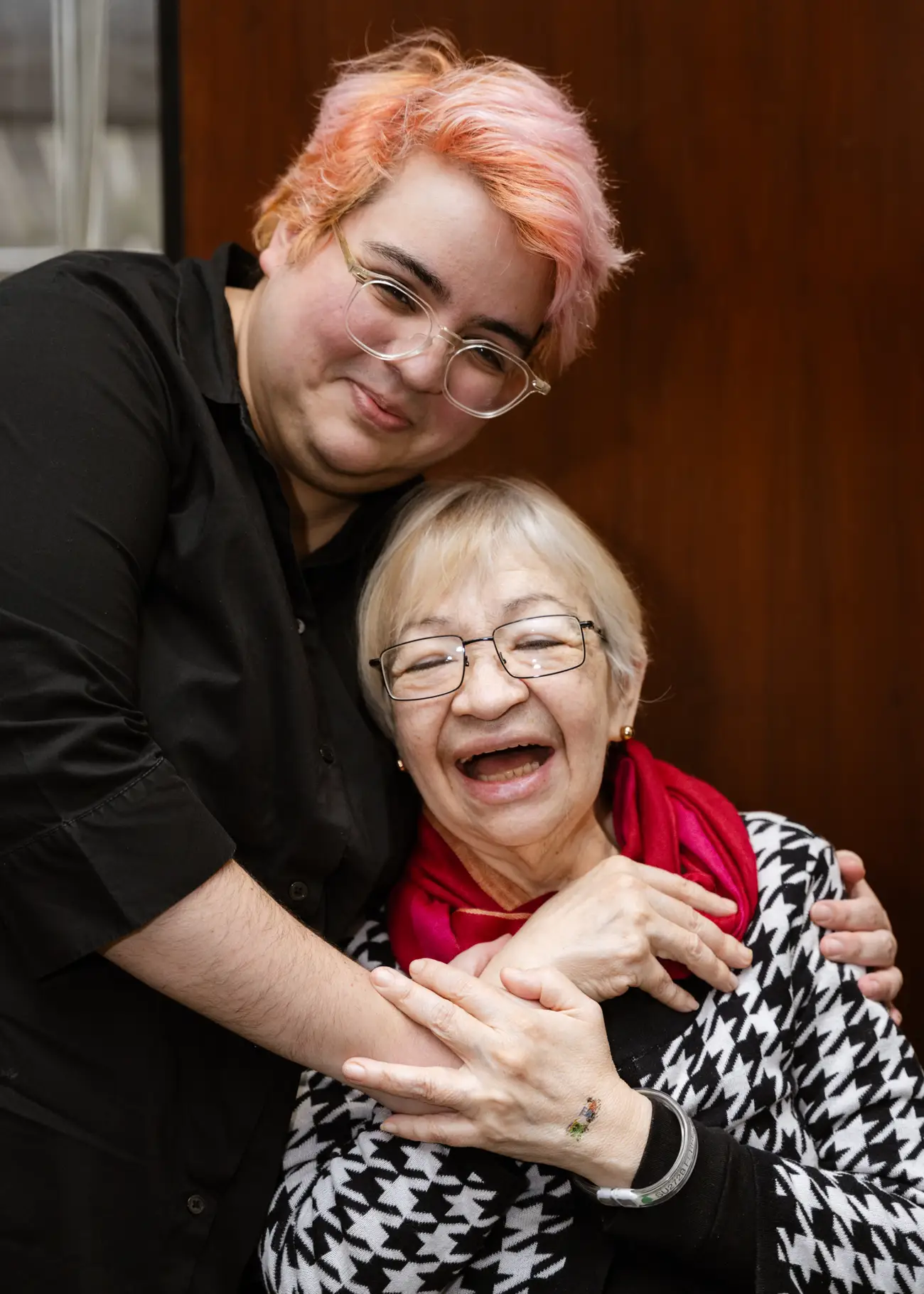
Corrie Aune for BI
“I feel like I don’t have much time left, so I want to make sure that I am living my life to the fullest,” she said. “I want to expand the little mind that I have left. I forget everything, but I’m trying to catch up to everybody else.”
VR tech, especially with dementia patients, can pose safety risks without the support of trained staff. It could display a location associated with negative memories, for example, or lead to a loss of balance. Not everyone will understand or appreciate being instantly transported around the globe. Brickler said caregivers must guide users and vet the content. The company has received feedback on comfort, emotional safety, and content appropriateness, which has shaped the design of its more recent platforms.
“We had an instance where we took a woman back to her old house, and it was a Walmart parking lot,” Brickler said of a session that used a Google Earth feature to explore. She grieved to see it paved over and destroyed. “We learned our lesson big time.”
Charlene Chu, an associate professor of nursing at the University of Toronto who studies technologies for aging populations, said AI-assisted technology can enrich care but shouldn’t replace human connection.
“From my perspective as a nurse, I’ve never met a patient who would rather speak to a chatbot instead of a human being,” Chu said. “We have robots that will go in and play games with older adults, which I think is ridiculous. There should be a human being playing the games, and the robot should be serving drinks or cleaning up the room.”
Dr. Jeffrey Farber, The New Jewish Home’s CEO, said he’s seen residents bond with peers and caregivers during group sessions. Though VR can feel unfamiliar to some first-time users, Farber said residents are more open to it than other, more invasive treatments.
@media (min-width: 768px) {
.vertical-image-wrapper {
display: flex;
justify-content: center;
}
.vertical-image-wrapper .vertical-image {
width: min(calc(80vh * var(–img-w) / var(–img-h)), 100%);
min-width: 0;
}
}
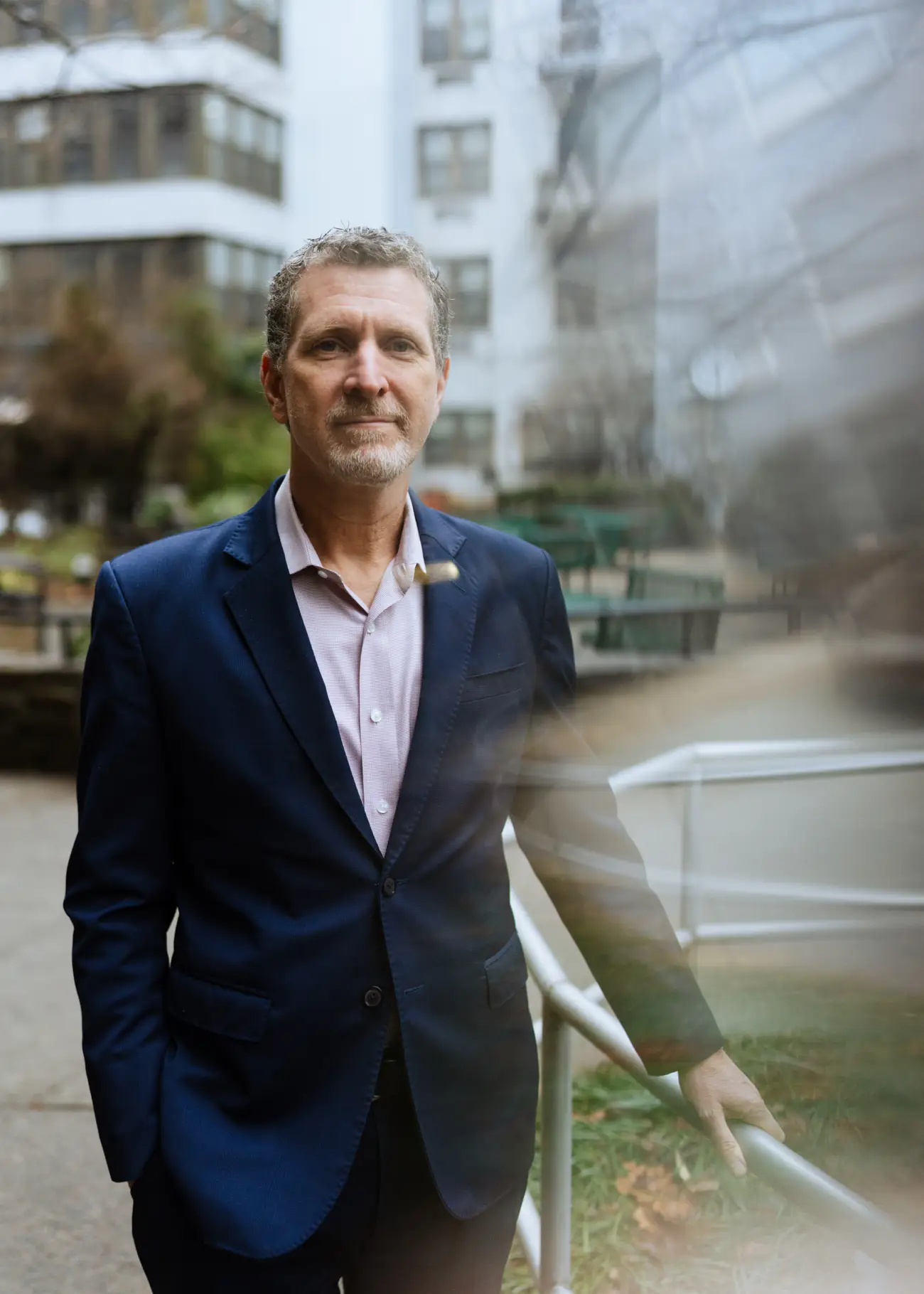
Corrie Aune for BI
“They go back to places that they recall from their younger years, favorite places, places where they were born, parks that they used to know every corner of when they grew up,” said Farber, who began working with Mynd in 2024. “You could feel like you’re there and then share that experience.”
Back in Florence, Foster hovered near the ornate dome of the Florence Cathedral, before beaming onto a beach with jagged cliffs, a radiant blue sky, and sparkling water — a far cry from the nursing home’s muted walls.
After earning graduate degrees at New York University and Columbia University, Foster stayed in New York City. The Arkansas native said she traveled sparingly and frequently visited prisons and treatment centers for work as a social researcher. At 76, she took a buyout and spent time auditing college classes. Her main goal was to keep her mind sharp.
“When I retired from my job, I didn’t retire from life,” Foster said.
She fell on the sidewalk one day in 2024, and her independence evaporated. Though she didn’t break any bones, doctors worried about her returning home alone, with no family nearby. Over the last year and a half at The New Jewish Home, her health has improved enough that she can attend most activities. She’s savored every opportunity to have life feel normal again, she said.
@media (min-width: 768px) {
.vertical-image-wrapper {
display: flex;
justify-content: center;
}
.vertical-image-wrapper .vertical-image {
width: min(calc(80vh * var(–img-w) / var(–img-h)), 100%);
min-width: 0;
}
}
Corrie Aune for BI
After the beach trip, the screen went black. Already, she was thinking about where to visit at the next Mynd session in a few weeks — and where she might fly if her health would allow, perhaps to the British Isles or the South Pacific.
It also got her thinking: If this is where the world is heading, should she try to learn more about it? If a VR headset could bring back memories and give her joy, could an AI chatbot do the same? Maybe, though AI and advanced tech are “made out to be awfully sinister,” she said.
Brickler got the idea for the Mynd headset when he noticed that his grandfather, who had dementia, would light up at certain sights and the sound of music.
“I just felt there’s got to be better ways to provide care and engagement in that world,” he said.
Looking ahead, Brickler hopes to tailor Mynd’s products for dementia patients based on symptom severity. “We’re at the embryonic state of what this can be,” he said.
Some research suggests promise. Researchers at Stanford University, in partnership with Mynd, found in 2023 that Mynd’s products strengthened caregiver-patient relations, improved moods, and reduced isolation. Mynd has been used to treat Parkinson’s disease symptoms and improve hand-eye coordination in people with mobility challenges, Brickler said. Mynd’s platform is backed by clinical research, but it isn’t classified as a regulated medical device, so it doesn’t require FDA approval.
Toward the end of her session, Ferreiro was transported to a performance of “The Nutcracker.” Dancers in colorful tutus flocked onto the stage from the wings. Ferreiro hummed along, her body swaying to the rhythm. For a moment, the dancers stopped, and the screen paused to buffer.
“That’s never happened to me where it updates in the middle of a session,” Brickler said.
As he fixed the equipment, he told Ferreiro that she could watch all 80 minutes of the ballet from the side of the stage. Then, the dancers sprang back into action. Next time, she said, she would watch the first act, travel the streets of Europe, and pretend she could walk again.
“I’m impressed,” she said as she took off the headset, smiling widely as her nurse pushed her wheelchair away.
.jwplayer-vertical-wrapper {
display: flex;
justify-content: center;
}
.jwplayer-vertical-wrapper .jwplayer-vertical {
width: 100%; /* full width on mobile */
}
@media (min-width: 768px) {
.jwplayer-vertical-wrapper .jwplayer-vertical {
/* Limits height to 80vh on desktop — adjust 80 to taste.
Swap 9/16 if your video has a different aspect ratio:
Portrait 9:16 → 9 / 16
Portrait 4:5 → 4 / 5
Landscape 16:9 → 16 / 9 */
width: min(calc(80vh * 9 / 16), 100%);
}
}
Read the original article on Business Insider
The post She fell in her 80s and lives in a nursing home. A VR headset is giving her hope. appeared first on Business Insider.