At 6 p.m. sharp on April 9, a phone rang out in a home in a quiet Cleveland suburb.
Once. Twice. Three times. No answer.
The call wasn’t from some telemarketer or relative. It was Westlake, Ohio’s automated “Confirm OK” system, a daily welfare check for residents who live alone. When a 91-year-old woman didn’t pick up, the system did its job and escalated. At 6:10 p.m., an automated alert fired off a speedy and efficient chain of events.
Dispatch called the woman directly. Silence. At 6:12 p.m., police called her daughter. Yes, she said, her mother should be home. She rarely goes out.
Police pulled up seven minutes later and knocked. No answer, no lights, no movement. When the officers asked neighbors, they said they’d noticed nothing unusual and saw the woman the day before, though not that day. Her car was still in the garage.
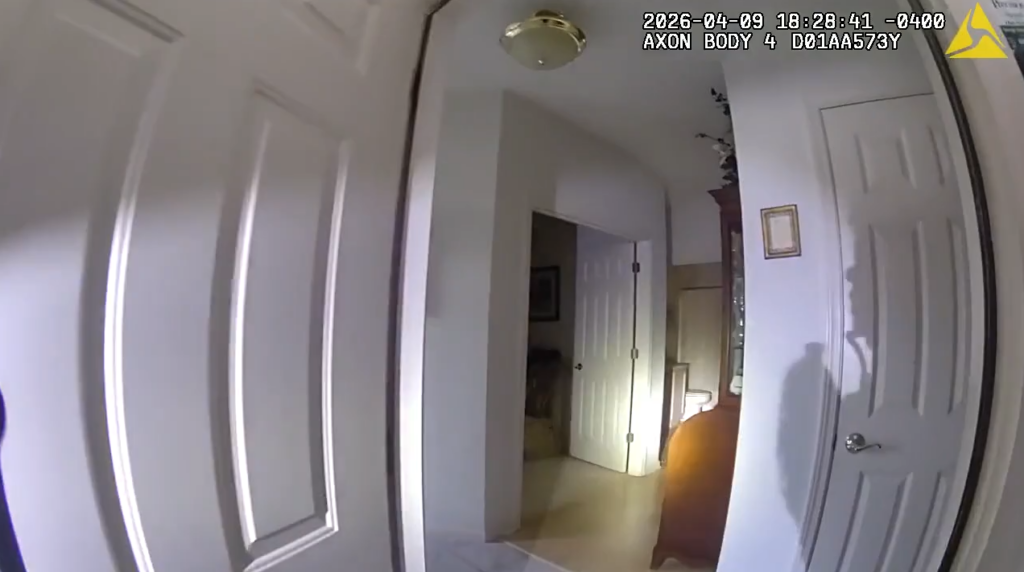
The rhythm shifted from routine to concern. The officers quickly obtained the garage door code from family, and at 6:28 p.m., gained entry through the garage, where they found an old Toyota Corolla, a rocking chair, a rustic cabinet and other odds and ends.
“Ma’am? Westlake police,” an officer called out, according to body-camera footage released by the Westlake Police Department, which captured the sequence of events and was reviewed by The Washington Post. Flashlights drawn, they moved further into the home.
Finally, at 6:29 p.m., the call came in: “We’re with her now,” an officer sighed and told dispatch. “She’s playing video games in her bedroom.”
Five seconds pass silently. “Copy,” the dispatcher finally said.
The woman was alive, well and unbothered, absorbed in what officers could only describe as a “bubble pop” game on her phone. She didn’t even hear the officers enter her home and announce themselves. She was, to quote the vernacular, “locked in” to beat her previous high score. Gamers call it “the zone.” But what game held this woman in its thrall?
“When I was putting this info out, I asked our officer saying, ‘Hey, I know everyone’s going to ask me this question,’” Westlake police spokesman Capt. Gerald Vogel said. “He just said it’s some type of bubble pop game. He didn’t know which one.”
The tension broke immediately and officers laughed. The woman, whom the police have not named, apologized for the unintended alarm. Case closed. High score pending.
The Post requested an interview with the woman through Westlake police, but there’s apparently a growing queue to interview her, including “Jimmy Kimmel Live!,” Vogel said. So far, she hasn’t talked.
The elderly gamer has plenty of company. About 36 percent of the Silent Generation, ages 80 to 90, play video games weekly, according to the Entertainment Software Association report from 2025. Nearly two-thirds of Americans ages 5 through 90, about 205.1 million people, play video games. It doesn’t mean they’re all playing shooting games on PlayStation. Mobile gamers like the Westlake woman make up 55 percent of the global video game population, the ESA states.
Formerly known as the “Are You OK” system, Westlake’s Confirm OK program is voluntary for senior residents and other qualified people, operated through the police department’s community services department.
Dispatch logs show the entire episode lasted just 19 minutes, from a missed call at 6:10 p.m. to officers finding her inside, “playing video games, checks OK.” The system, designed to err on the side of caution, worked exactly as intended, Vogel said. This time, the only thing in danger was her high score.
The post Police rushed to check on a 91-year-old – and found her gaming appeared first on Washington Post.