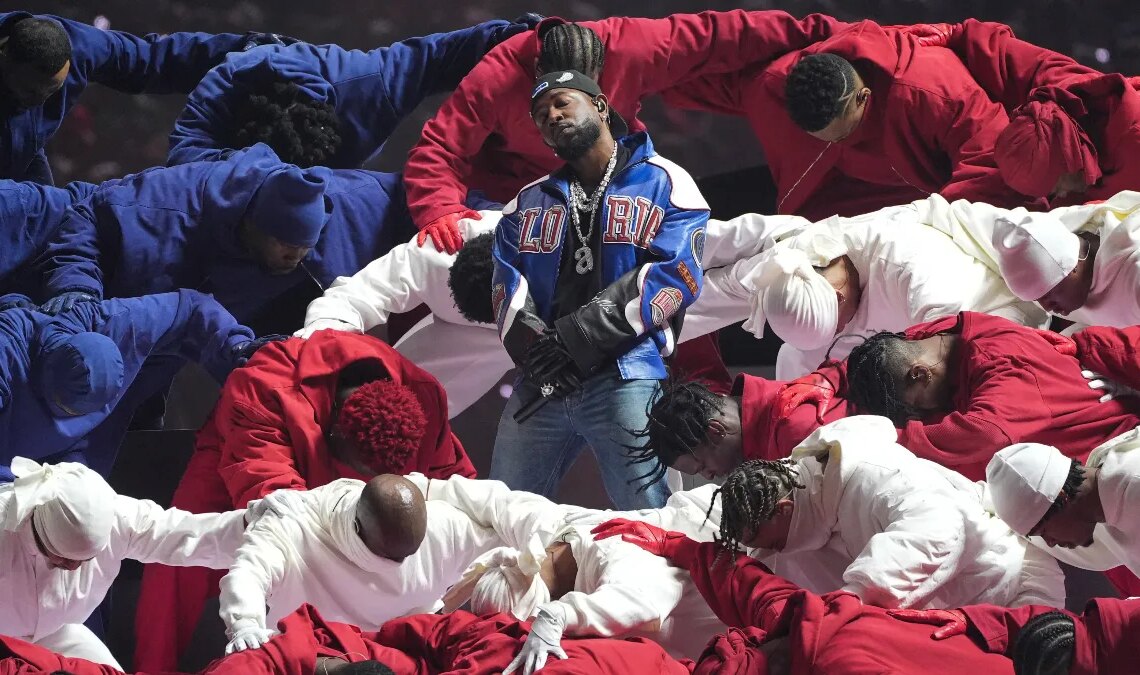
On April 16, 2018, Kendrick Lamar made Pulitzer Prize history as the first rapper to win the award in music. But beyond that, it was the first time the award didn’t go to a classical or jazz musician.
Typically, the prize recognizes classical compositions, traditional orchestration, jazz, opera, a cappella, and similar artistry. But that year, a mainstream rapper was given the honor, and he remains the only one since then.
At the time, and to the uninitiated, the decision to bestow the award upon Lamar’s 2017 album DAMN. may have seemed out of place. But just because the Pulitzer Prize had never been given to a rapper doesn’t mean it wasn’t deserved.
Generally, the jurors look for technical proficiency, narrative richness, social consciousness, and cultural relevance. They might ask, “Does this music share important, often personal experiences?” Does it do so with skill, precision, and artistry?
Kendrick Lamar Won the Pulitzer as a Mainstream Rapper Because ‘DAMN.’ defied the Mainstream
Mainstream music doesn’t typically lean this way, at least not far enough for the Pulitzer. But Kendrick Lamar’s album was interesting. It was deeply personal, but it also presented wider experiences of modern Black culture within that personal narrative.
The Pulitzer Prizes described DAMN. as “a virtuosic song collection unified by its vernacular authenticity and rhythmic dynamism that offers affecting vignettes capturing the complexity of modern African-American life.”
Diehard Kendrick Lamar fans would most likely agree with this assessment. The uniqueness of DAMN. was in its lyrics and performance. But it was also present in its composition and track listing. Lamar created an album that told two different stories depending on which direction you listened to it.
Fans have done deep dives into the album’s narrative format since its original release, doing further analysis when Lamar released the collector’s edition. There, the track list was reversed, and a new perspective was revealed.
How the Rapper Turned an Album Into an Interactive Storyline
“Forward is usually considered to be the good timeline, the one where Kendrick finds god at the end,” one fan wrote in a Reddit discussion of the album’s different narratives. “This interpretation usually has Kendrick confronting his sins and going into the virtuous version, from lust to love, pride to humbleness.”
Additionally, the forward track list presents a timeline where Lamar’s father is alive, fans noted. The reverse track list, they explained, presents a “what if” scenario in which his father dies at the beginning.
This becomes the “worst timeline,” ending in death and bloodshed. DAMN. was created as a complete, conceptual work. Listening to it out of order or broken into pieces takes away from the larger narrative. As a whole, it does make sense to consider it on the scale of other Pulitzer Prize-winning works.
One fan described the album’s impact in a single chilling sentence: “Depending on which play through you do, you are literally choosing if Kendrick lives or dies.”
The post On This Day in 2018, Kendrick Lamar Makes History by Winning Award No Other Rapper Has Received to This Day appeared first on VICE.