Q: I have calluses on the tips of my toes and on my heels. How can I get rid of them?
Walking around barefoot in your house, going on long runs, wearing shoes that are too tight (or too loose) — all of this can create friction on the skin that may eventually lead to calluses.
These thick, rough patches are “your skin’s natural defense” against chafing and irritation, said Dr. Sari Priesand, a podiatrist at University of Michigan Health. “The skin thickens in response,” she said, creating a tough layer that guards against further damage.
Calluses can crop up year-round, Dr. Priesand said, but you may notice them more during the warmer months, when walking around barefoot or wearing less supportive shoes like flip-flops. People are generally more active in the summer, too, she added.
Calluses aren’t always something to worry about. But if they get too thick, they can become painful or even crack, leaving your skin vulnerable to infection. And some find them unsightly.
The good news, experts said, is that removing and preventing calluses is fairly straightforward.
The Hard Truth About Calluses
Calluses can form on any part of the body that regularly encounters pressure or friction, said Dr. Jacob Beer, a dermatologist in West Palm Beach, Fla. This includes the balls of the feet, the heels and the bottoms and sides of toes. They’re also common on hands: Golfers, weight lifters and gymnasts get calluses frequently. People who have irregularly shaped feet or toes — such as those with bunions, hammertoes or flat feet — also get them often.
Calluses appear as yellowish or whitish thickened areas of skin that feel rough, said Dr. Chang B. Son, a dermatologist in New York City.
They’re usually painless, but if the skin gets too thick, they can become tender and uncomfortable to put pressure on, he said. Sometimes, this may cause you to walk unevenly.
Calluses are often confused with corns, Dr. Son said. While they’re both hardened areas of skin that form as a defense against friction, corns are usually smaller, rounder, more painful and have deep, hard centers, Dr. Priesand said. Calluses are generally flatter and cover a broader area, she explained.
How to Treat and Prevent Calluses on the Feet
To prevent calluses, wear shoes that fit well, are supportive and don’t rub or put pressure on specific areas of your foot, Dr. Beer said. This may include avoiding high heels or footwear that is too tight or has a narrow toe box, as well as socks that slide or bunch up in your shoe. Adding an orthotic can help improve your shoe’s fit and add support.
Avoid walking around barefoot, whether indoors or outdoors, Dr. Priesand added. When inside, you can wear indoor shoes like clogs or supportive slippers. Wearing socks is better than going barefoot, she said, but it is typically not enough to fully prevent calluses.
Applying callus cushions — small, soft, round adhesive-backed pads — to callus-prone areas can also reduce friction, Dr. Son said. And moisturizing your feet daily can help prevent the buildup of thickened skin by keeping them hydrated, he said.
If a callus becomes bothersome, you can typically get rid of it in about two to four weeks, Dr. Beer said.
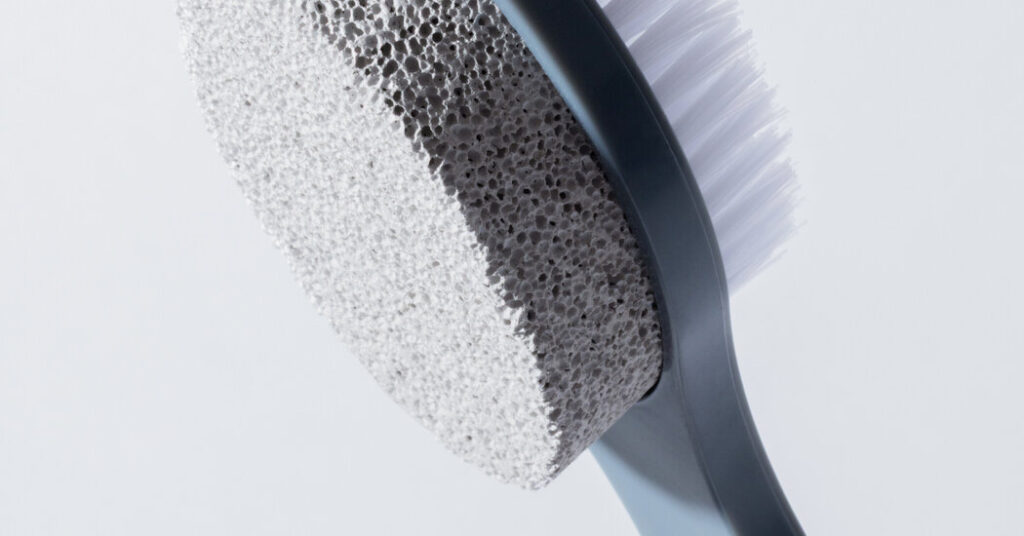
Remove some of the hardened skin by gently filing the callus with a pumice stone or emery board, the experts said. Soaking your feet first, or taking a shower or bath, will soften the skin, making calluses easier to remove, Dr. Priesand said.
The goal is to smooth the callus, not to “get as much skin off as possible,” which may cause pain or bleeding, Dr. Beer said. Avoid cheese-grater-style files, which may cut your feet and raise the risk of infection, Dr. Priesand added.
If you have diabetic or general neuropathy in your feet, talk with your doctor before filing a callus, as a lack of sensation during filing could lead to injury, Dr. Beer added.
Then moisturize your feet with a lotion containing the active ingredient urea, Dr. Son said, which helps break down the skin’s outer layer and softens rough patches. Choose moisturizers with 10 to 40 percent urea, Dr. Beer said. These products are available in drugstores and online, Dr. Priesand said. She suggested wearing socks afterward to lock in the moisture.
Exfoliating foot peels, some of which contain salicylic acid, claim to remove dead, rough skin. But they most likely won’t remove thick calluses, Dr. Son said. Foot peels usually remove only the outermost layer of skin and often contain alcohol, which can be drying and irritating and make calluses worse, Dr. Beer added.
And while gentle pedicures can help, any scraping that is too aggressive can increase the likelihood of injury, scarring or an infection, Dr. Son said, so proceed with caution.
When to See a Doctor
If these methods don’t help or your callus is getting thicker or more painful, see a dermatologist or podiatrist. Doctors can use a surgical blade to pare down the callus, Dr. Priesand said.
They may also diagnose the spot as something else; Dr. Son said calluses could be mistaken for corns, warts or even skin cancer.
The post What’s the Best Way to Remove Calluses on Your Feet? appeared first on New York Times.