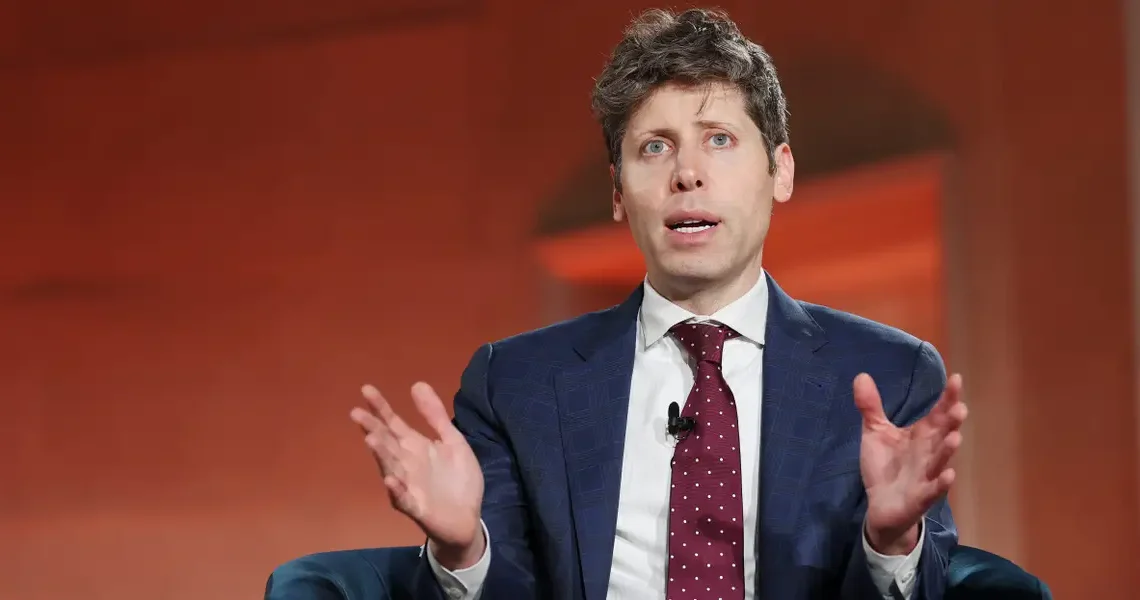
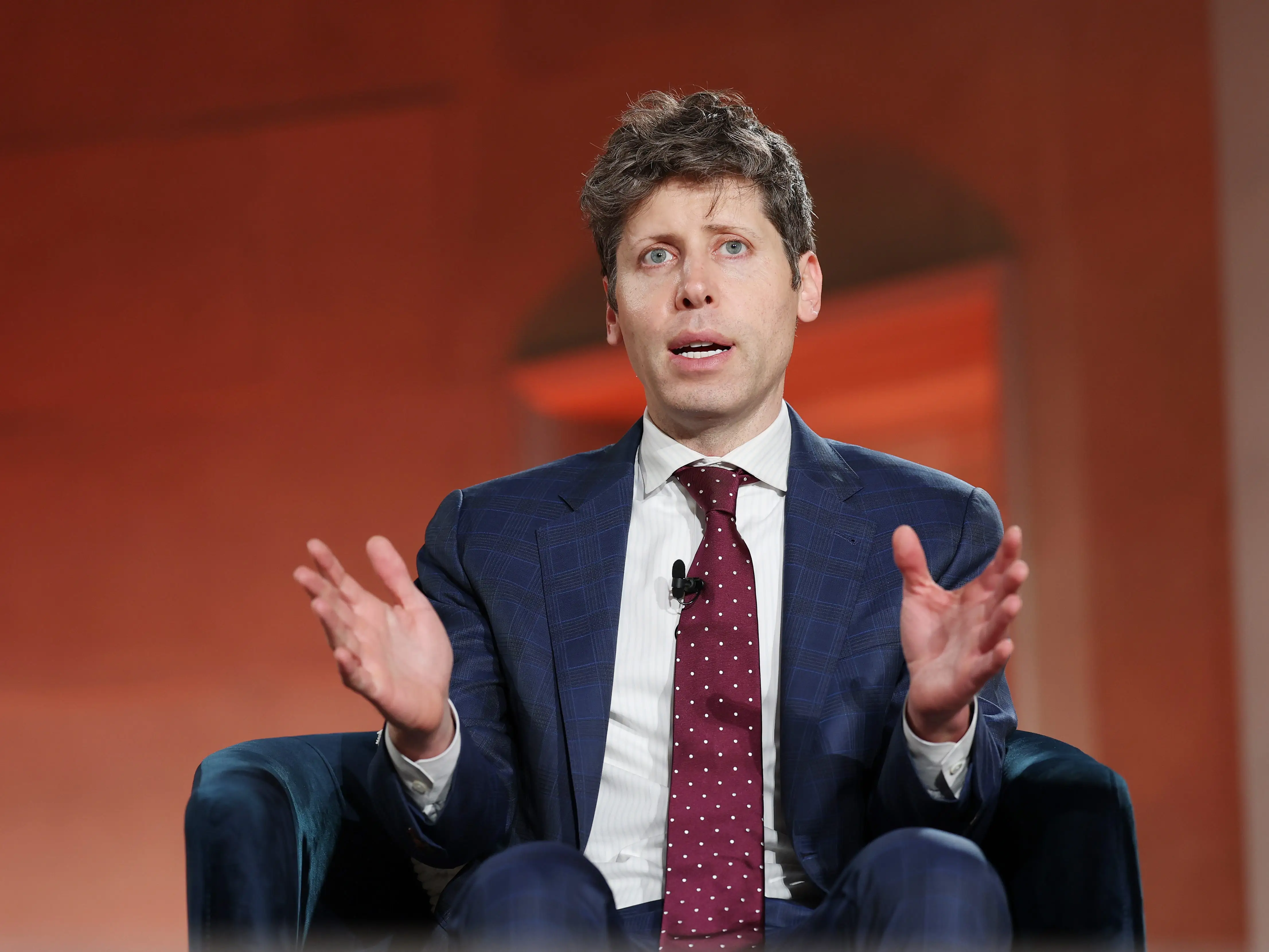
The Molotov cocktail attack on Sam Altman’s house last week underscored a growing worry for CEOs: staying safe at home.
The incident on Friday outside the OpenAI chief’s San Francisco residence shows how business leaders can be targeted beyond fortified corporate offices, security veterans told Business Insider.
“This attack is just shedding light on the fact that you’re even more vulnerable outside of the office,” said Don Aviv, CEO of Interfor International, a security consultancy.
That risk stems in part from how easy it is now to identify where executives live and who they’re connected to. Social media can make it easier than before to track the whereabouts of executives and their families, he said.
Friday’s attack adds urgency to concerns among corporate boards and executives that have been building since the 2024 killing of UnitedHealthcare CEO Brian Thompson on the streets of New York City.
That was a watershed moment, prompting many companies to rethink how they protect executives, security executives said.
Safety nets — including bodyguards and drivers — that once largely covered execs on the clock are now expanding to cover more of their private lives. The attack on Altman’s home will likely accelerate that push, observers said.
“We’ve seen some executives saying, ‘You know what, I’m not even going to wait for my company to pick up a tab. I’m going to pay for it because the threat is real,'” Aviv said.
Organizations are taking a closer look at how well their top executives are protected and increasingly recognize that their “duty of care” extends to the home, family, and travel, said Dale Buckner, head of the security firm Global Guardian, which works with Fortune 1000 companies.
There appears to be room for tightening defenses. A 2025 survey of security professionals from industry group ASIS International and the software company Everbridge found that about a third said their organizations had “few or no protective measures” when executives were at home.
Threats at home
In response, some companies and executives are placing greater emphasis on securing where leaders live, Aviv said.
An annual set of security standards published by ASIS includes executives’ primary homes and vacation properties as areas that should be included in a company’s risk assessment. The guidelines also address risks to executives’ family members.
Where the solution previously involved rigging up alarm systems and cameras, it now increasingly includes 24/7, in-person security, said Herman Weisberg, a former New York City Police Department detective who is a managing director at the security firm SAGE Intelligence.
Stepped-up thinking about where threats might emerge is a shift for some pre-IPO tech CEOs, who once saw themselves as somewhat insulated, compared with the heads of public companies, Aviv said.
“They just didn’t see themselves to be in the line of fire,” he said of tech leaders. That’s changing, Aviv said.
One reason is that for many years, tech had a cool-kid reputation compared with more staid industries like finance. Now, public sentiment toward corporate leaders is broadly souring, security execs said.
“We have to anticipate stuff that we’d never really looked for before,” Weisberg said. “I’ve never seen such disdain for CEOs.”
That environment can make highly visible leaders — particularly in emerging, disruptive industries like AI — targets for a wide range of anger.
“AI brings its particular set of people that are against it or scared by it. So I think it was just a matter of time, in my opinion,” he said.
Who’s really at risk?
Proxy filings from large US public companies that mention “executive security” or “corporate security” rose from 69 in 2023 to 87 in 2025, according to an analysis from AlphaSense.
Some companies are expanding the security umbrella beyond the CEO to all members of the executive leadership team, said John Orloff, operations leader for security risk consulting at Jensen Hughes, who spent about two decades with the Secret Service.
In part, that’s a reaction to the killing of Thompson, who was chief of the insurance division under UnitedHealth Group, though not the parent company’s CEO. Divisional leaders typically don’t receive the same level of protection as their bosses, proxy statements show.
“A president of a division is equally at risk because they’re the head of that business unit,” Orloff said.
While each of the security veterans Business Insider spoke with agreed that the overall risk climate is historically high, they did not have clear data quantifying the shift.
That doesn’t make it easy to address. One hurdle security teams face: separating real danger from noise.
“Are we dealing with general negative sentiment, or are we dealing with articulated, realistic threats that are probable?” Aviv said.
That broader approach also reflects a growing understanding that threats can emerge from a wide range of sources, even if not all of them are immediately credible.
Regardless of the answer, more leaders are likely to come to a sobering conclusion, security executives said.
“We’re entering into a new age of vulnerability,” Aviv said.
Read the original article on Business Insider
The post We’re in a new era of heightened CEO safety measures, security pros say appeared first on Business Insider.