The writer is chief marketing officer for the ticket resale marketplace Event Tickets Center.
Anyone who tuned in to January’s Senate hearing on concert ticket fees heard a seductive narrative: The secondary ticketing market is a parasite teeming with “ghost tickets,” bots and greed. And the answer is to ban speculative selling and cap resale prices at 10 percent above face value.
As a solution, that might sound simple and fair, but it would be neither of those things. Also, it’s impossible.
As a fan, I get the anger. We’ve all been there: stuck in a queue, watching prices spike, feeling ripped off. There are legitimate issues within the secondary market, including bots that cut in line and sweep up inventory from fans and brokers who play by the rules. The Federal Trade Commission should act under the 2016 Bots Act to crack down on bad actors. And when in 2024 the FTC stepped in to ban deceptive “drip pricing” by mandating that all fees be revealed before the checkout screen, the market complied. It was a win for transparency and consumers.
But the current proposals won’t fix anything — because targeting the secondary market ignores the math of modern ticketing.
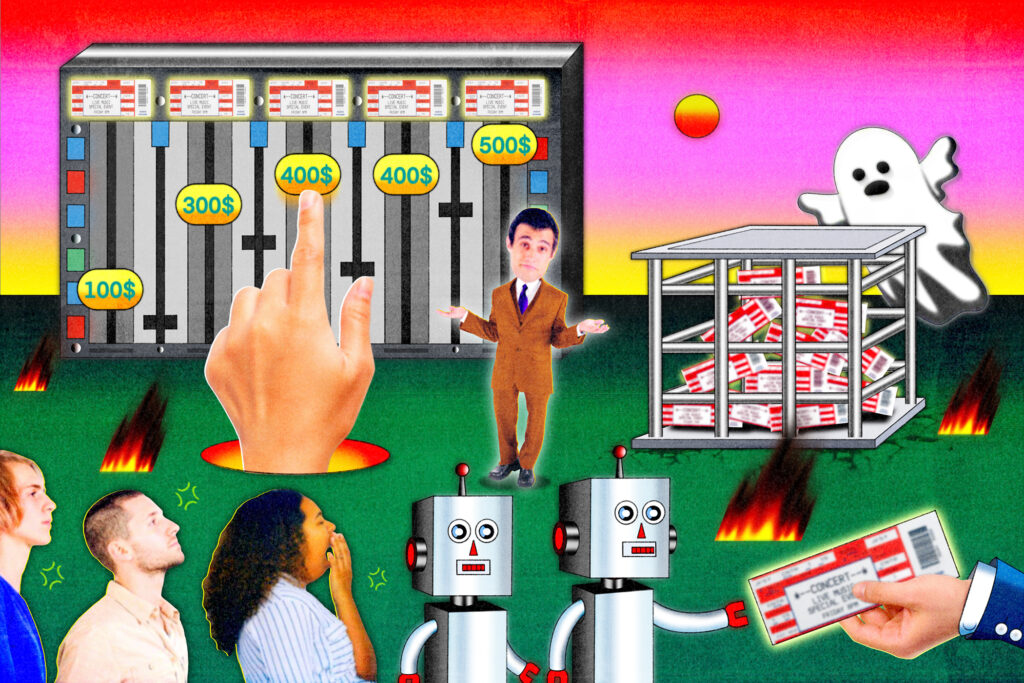
At the Senate hearing, Kid Rock made headlines by proposing the hard cap on resale. The problem is that the primary market has already killed “face value.” Through dynamic pricing, initial sellers now change ticket prices in real-time based on demand. Two fans in identical seats can pay significantly different prices just minutes apart.
How do you cap resale at 10 percent above face value when face value itself is moving? If a primary seller can raise the price of a seat from $100 to $500 because demand is high, but a fan who bought at $100 is capped at selling for $110, you haven’t created fairness. You have preserved the monopoly’s ability to capture all the upside.
This logic doesn’t hold up in any other market. Once a ticket is sold, it becomes a transferrable right, a time-bound asset. Resale prices aren’t capped on homes, cars, watches, art or collectibles.
Price caps also ignore the fundamental mechanics of risk. Tickets are a volatile asset, and resellers serve as underwriters. When a reseller buys inventory, it provides up-front liquidity to a promoter. The artist gets paid. The venue gets paid. If demand tanks, which happens for countless regular season games and midweek concerts, the reseller eats the loss, while the fan gets a ticket below face value.
But if you cap the upside, you destroy the incentive to take on that risk. Resellers will stop buying underperforming inventory. Promoters will price tickets higher up front to cover their own risk. “Cheap seats” will disappear, replaced by a higher, rigid base price for everyone.
The hotel industry offers a blueprint for how this works. Hotel rooms, like tickets, are fixed-supply and perishable; an unsold room tonight is worth zero tomorrow.
Hotels once relied on rigid pricing and direct control, and inventory constantly went to waste. Then they embraced a web of secondary distribution through offerings like Expedia, HotelTonight and wholesale channels. This liquidity prevented waste. Room prices set high months in advance now often drop as dates approach. Travelers self-select: Some pay a premium for certainty, while others watch the market and capture discounts. The presence of multiple marketplaces didn’t distort pricing; it reduced waste and gave customers choice.
The hotel industry didn’t become fairer by eliminating resale-like distribution; it became fairer by allowing it.
What about “ghost” tickets? Critics cry fraud at the practice of selling seats before they’re in hand. But it is another mechanism for providing liquidity, and in any other market, it would be called futures or short selling. The simple answer to concerns about the practice, which can lead to unfilled orders and disappointed fans, is transparency. In the secondary market, if a seller doesn’t possess a ticket yet, it should be clear about it. Disclose the status of the ticket, and let the consumer decide.
But if we want to talk about “ghosts,” let’s look at the primary market.
The real deception isn’t a broker selling a seat it’s about to acquire. It is the primary market hiding the true supply. In almost every major “sold out” event, anywhere from 20 to 70 percent of tickets are held back for insiders, credit card companies and VIPs. The public fights for scraps. To better regulate the market, the first step should be mandating the disclosure of how many tickets are actually available to the public.
Here is the big picture the would-be reformers ignore: Crippling the secondary market won’t protect fans; it will expose them to the Wild West.
If you ban the regulated secondary marketplace of sites that offer money-back guarantees and fraud protection, then transactions will move to social media and street corners. In those shadows, there are no guarantees. When a scammer sells you a fake pdf on Telegram, you have zero recourse.
The outrage is real, but unworkable solutions can only make things worse. We can fix problems with bots and speculative inventory without burning down an ecosystem that benefits consumers. Because a world without resale won’t be more equitable. It will just be less honest.
The post Congress is chasing the wrong villain in the ticket pricing wars appeared first on Washington Post.