D.C. Mayor Muriel E. Bowser (D) declared the Potomac River sewage spill a public emergency Wednesday and requested federal assistance with cleanup as President Donald Trump continued to criticize local leaders for allegedly mishandling the environmental disaster.
Bowser also requested a presidential disaster declaration, and she asked the federal government to reimburse the D.C. government and D.C. Water for all costs associated with the spill and recovery effort.
“This is the best way to ensure that we have the full weight of resources that quite frankly the residents deserve,” Deputy Mayor for Public Safety and Justice Lindsey Appiah said in a news conference.
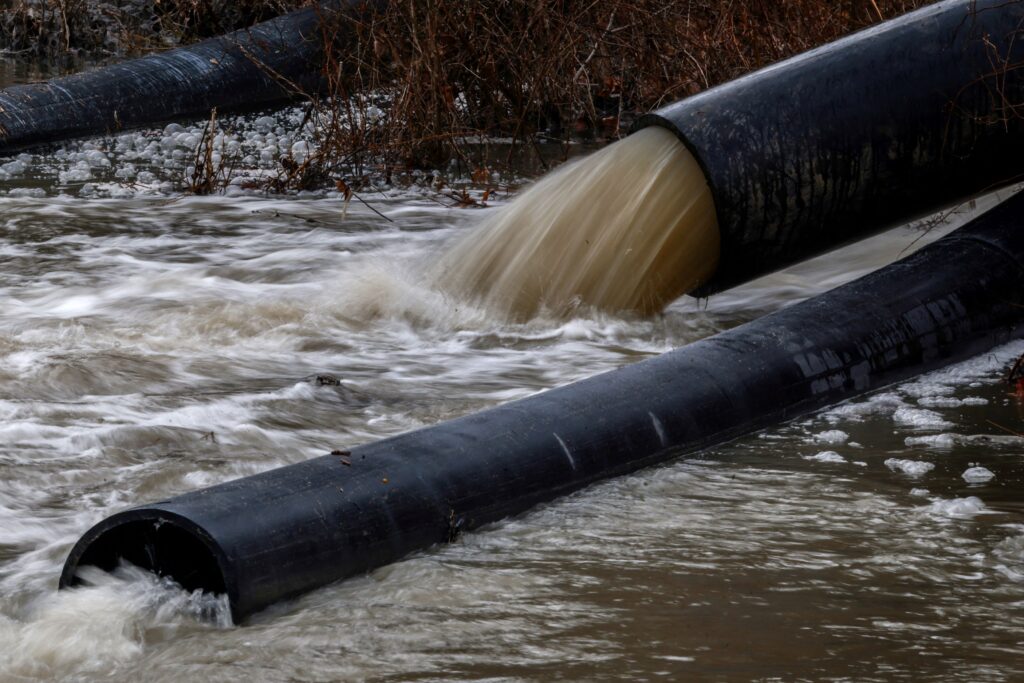
The spill began in mid-January, when part of a major D.C. Water sewage pipeline called the Potomac Interceptor collapsed, flooding the Potomac River with about 234 million gallons of wastewater. The sewer line carries about 60 million gallons of wastewater daily from the Virginia and Maryland suburbs to D.C. for treatment.
Officials with D.C. Water, the public utility responsible for water and sewage in the region, have said drinking water remains safe to drink.
The moves by Bowser come as Trump has insulted local leaders in recent days for allegedly mishandling the spill. In a Truth Social post Tuesday, Trump said D.C., Maryland and Virginia officials “must get to work, IMMEDIATELY” to address the sewage spill. “If they can’t do the job, they have to call me and ask, politely, to get it fixed,” he said.
Trump has directed much of his ire at Maryland Gov. Wes Moore (D), saying “he’s not doing the job.” Moore hassaid Maryland officials responded quickly after the leak, and said the Environmental Protection Agency refused to participate in a hearing last week on the cleanup.
The spill occurred at a confluence of federal and local jurisdiction. D.C. Water, which serves residents in D.C., Maryland and Virginia, controls the pipeline that collapsed. The sewage flowed into Maryland waters before going downstream into the District. Federal land operated by the National Park Service surrounds the spill site.
Appiah said Wednesday evening that the mayor’s declaration and request was D.C.’s path toward securing more resources for recovery from the spill — and better coordinating the various local and federal agencies with jurisdiction over the river and spill site.
D.C. Water activated an emergency bypass system within about a week of the spill, but full repairs to the pipeline and other recovery efforts will take much longer.
Appiah declined to provide a cost estimate for repairs and recovery, noting that assessments were still ongoing, but said that D.C. Water had so far spent in the “tens of millions” on its response to the pipeline collapse and spill.
When asked this week, officials at the utility declined to specify whether residents in the region would see their water bills increase to pay for the recovery efforts.
Bowser wrote in her letter to Trump that she was seeking to avoid such rate hikes, asking for “100% reimbursement … such that emergency response, repair, and remediation costs are not incurred by ratepayers in any impacted state or the District.”
D.C. is calling for “regular interagency coordination calls” between the various federal, state and local entities involved in the repair and recovery effort.
Appiah also said Wednesday that the District was hoping federal assistance could help the city’s environmental department test water quality in the river more frequently; the department has been testing weekly but hopes to test daily, she said.
The city is also requesting longer-term federal funding and assistance with drinking water projects and with D.C. Water’s Clean Rivers Project, an ongoing and massive effort that aims to reduce sewer overflows into local waterways.
Each year, rainwater brings hundreds of millions of gallons of combined sewer overflows into the city’s rivers. With additional tunnel construction and other efforts, D.C. Water still hopes to make the Potomac safe for swimming by 2030.
The post Bowser declares Potomac sewage spill an emergency, seeks federal aid for cleanup appeared first on Washington Post.