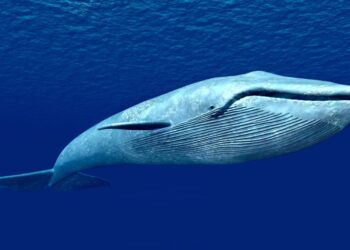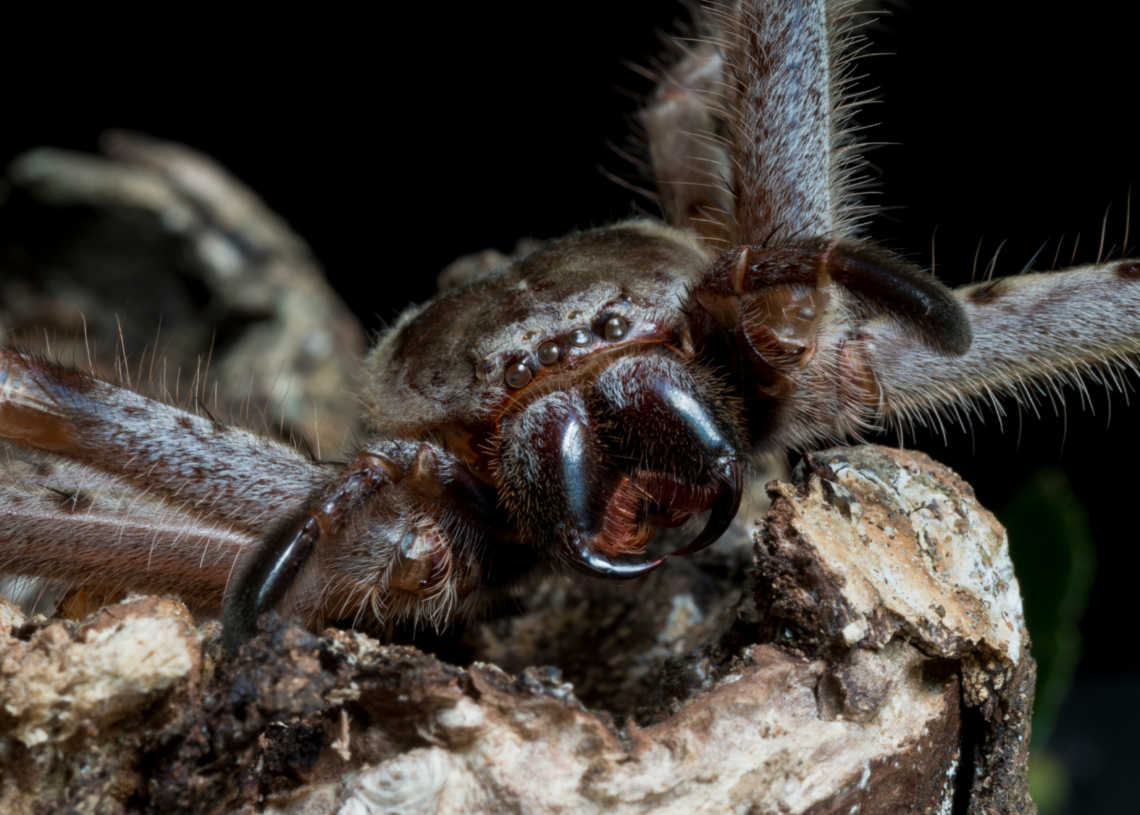
Humans spend a strange amount of time staring at animals that could hurt us. Sharks. Snakes. Crocodiles. Big cats. We watch clips, read threads, and argue about which one would win in a fight. We’re absolutely fascinated by them. But why?
There’s a basic psychological reason for it. Our brains are wired to prioritize threat. Psychologists call it negativity bias. It’s the tendency to pay more attention to things that might harm us than things that feel neutral or safe. From an evolutionary standpoint, this made sense. Missing a threat had much higher consequences than missing a pleasant detail.
The American Psychological Association describes this bias as a survival mechanism that affects attention and memory. That wiring hasn’t gone anywhere, even if the modern threats have changed.
In modern life, genuinely dangerous animals are rare for most people. So the fear gets outsourced. Watching a shark breach or a snake strike delivers a controlled spike of alertness without actual risk. It’s stimulation that ends when you scroll away.
Risk perception also plays a role, and we’re seriously bad at it. Animals we label as terrifying usually pose little statistical danger. According to the Florida Museum’s International Shark Attack File, global fatalities from unprovoked shark attacks average around six per year. By contrast, the World Health Organization estimates rabies causes about 59,000 human deaths annually worldwide. Sharks dominate the headlines. Rabies barely gets talked about. Fear isn’t driven by numbers. It’s driven by imagery.
“Scary” animals also give anxiety a real “thing” to focus on. It’s easier to put your attention toward something with teeth than on abstract threats like environmental collapse, economic pressure, or long-term health risks. A crocodile has a location and a boundary. It stays in a river. You can point at it and say that’s the problem. Many real stressors don’t offer that luxury.
There’s also a social element to it. Fear becomes a sort of test. Who flinches. Who pretends not to. The National Institute of Mental Health estimates that about 9.1 percent of U.S. adults experience specific phobias in a given year, so plenty of people watching those videos are uncomfortable while acting unfazed.
Finally, predators represent control. They move with purpose. They don’t hesitate. They don’t second-guess. Humans gravitate to that decisiveness, even when it’s attached to something dangerous.
Our fixation on “scary” animals is all because they simplify fear. They offer danger with a real object, from a distance, and an off switch.
The post Why Are Humans So Obsessed With ‘Scary’ Animals? appeared first on VICE.