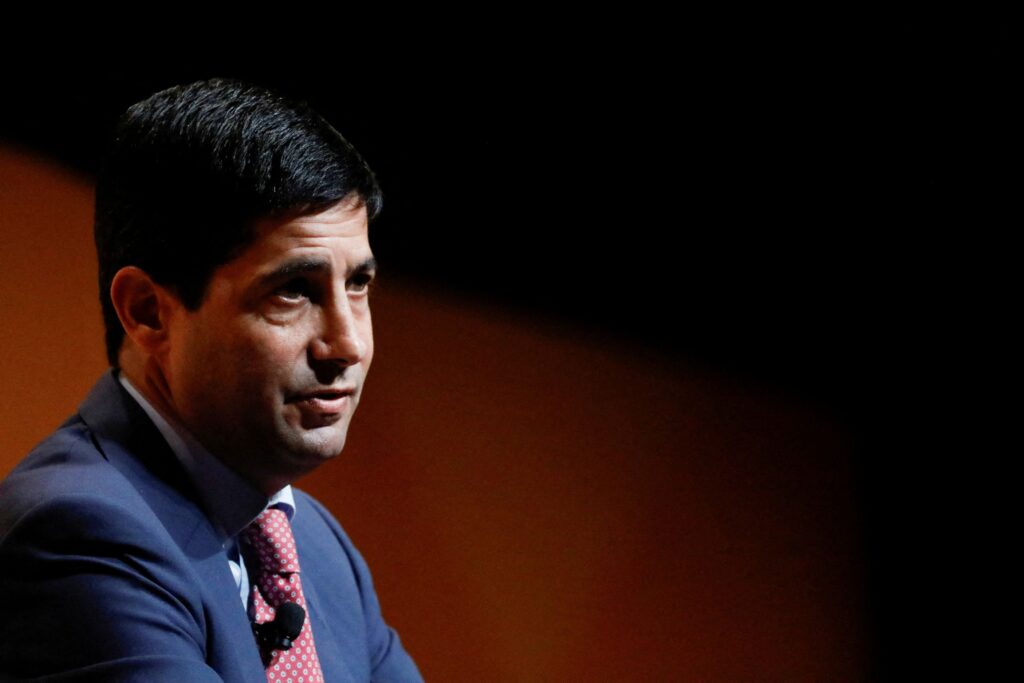
Before confirming him to one of the most critical jobs in government — chairman of the Federal Reserve — senators should ask Kevin Warsh, President Donald Trump’s nominee, these questions:
In 2007, at the beginning of the Great Recession, when you were on the Fed committee in charge of monetary policy, you warned about the danger of increased inflation. In August 2008, you told your colleagues that there was greater risk of rising inflation than of falling growth. Even on the day after Lehman Brothers collapsed in September 2008, you told your colleagues you still had that concern. The Fed declined to cut interest rates that day, citing “the upside risks to inflation.”
We now know that a recession started in December 2007. We knew in summer 2008 that market indicators of inflation expectations were plunging. Ben Bernanke, who was chairman of the Fed at the time, has written that declining to cut interest rates that day was “certainly a mistake.” Do you agree with that assessment now? Does it follow, in your view, that avoidable policy errors worsened a financial crisis that has lastingly reduced the public’s faith in free markets?
Well into the crisis, in April 2009, you continued “to be more worried about upside risks to inflation than downside risks.” Later that year, you argued that tightening monetary policy should not wait on a full economic recovery. Yet inflation came in below the Fed’s target of 2 percent a year in 1o of the 12 years starting in 2009. What lessons do you take from all of these mistaken warnings?
In the years following the recession, you did not revisit your record but rather devised new arguments for tighter monetary policy, complaining that the Fed was boosting asset values and inequality. Why shouldn’t senators conclude that your views on monetary policy are conclusions in search of reasons?
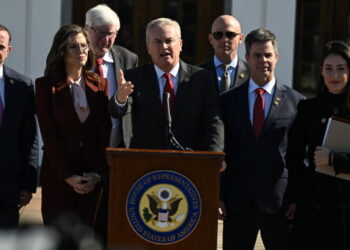
Turning to today’s economy: You have written that artificial intelligence “will be a significant disinflationary force, increasing productivity.” Your Republican supporters, such as Rep. Jason T. Smith (Missouri), say that the economy is booming but is being “undercut” by the Fed’s reluctance to put interest rates as low as they want. If the demand for credit is rising because of expanded investment opportunities, though, doesn’t that mean interest rates should rise? In which case, wouldn’t it be even more inflationary for you to pursue your stated goal of lower interest rates?
The Supreme Court, as you know, is considering the scope of presidential power to remove governors of the Federal Reserve. The constitutional difficulty arises because the Fed exercises executive powers — regulating banks — in addition to its central-banking functions. The dilemma: Presidents are widely held to have the power to dismiss officials in the executive branch, but direct presidential control of monetary policy is considered dangerous. Constitutional scholar Michael McConnell has proposed divesting the central bank of its regulatory powers to solve this problem. Would you support such legislation?
You have written that “the Federal Reserve is not a repair shop for broken fiscal, trade or regulatory policies” — which is fair enough. But you have also said that the Fed, by seeking to meet its statutory goals for employment, risks “removing much of the burden” from the officials who make those policies. When you were at the Fed, you said “we should put the burden on them.” And you have suggested that if the Fed followed that advice, policymakers might respond by curbing the growth of entitlement programs such as Social Security.
Is it sensible for the Fed to take account of these possible political consequences in formulating policy? Does that fit with your frequent complaints about “mission creep” at the central bank? How can it be the way to reach what you have advocated: a “smaller, less political, more effective Fed”?
The post Senators should ask Trump’s Fed nominee these tough questions appeared first on Washington Post.