More than two weeks after the deadline for the release of all files related to the late sex offender Jeffrey Epstein, top Department of Justice officials have disclosed that more than 99% percent of the materials have not yet been made public.
[time-brightcove not-tgx=”true”]
Attorney General Pam Bondi and Deputy Attorney General Todd Blanche wrote in an update to a federal judge who oversaw the case against Epstein’s case on Monday that over two million documents “remain in various phases of review and redaction.”
According to the letter, the DOJ has released roughly 12,285 documents to date, totalling around 125,575 pages of material.
The officials reiterated that the review of the remaining files will require an enormous undertaking, estimating that around 400 lawyers “will dedicate all or a substantial portion of their workday to comply” with the law Congress passed in November to compel the material’s release, the Epstein Files Transparency Act, for the “next few weeks ahead.”
They added that more than 100 “specially trained document analysts with experience handling sensitive victim materials” from the Federal Bureau of Investigation will be assisting.
Read more: What Is—and Isn’t—in the Newly Released Epstein Files
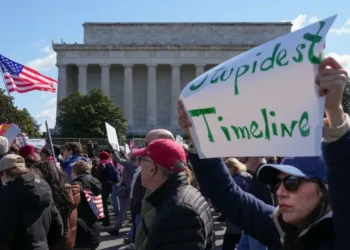
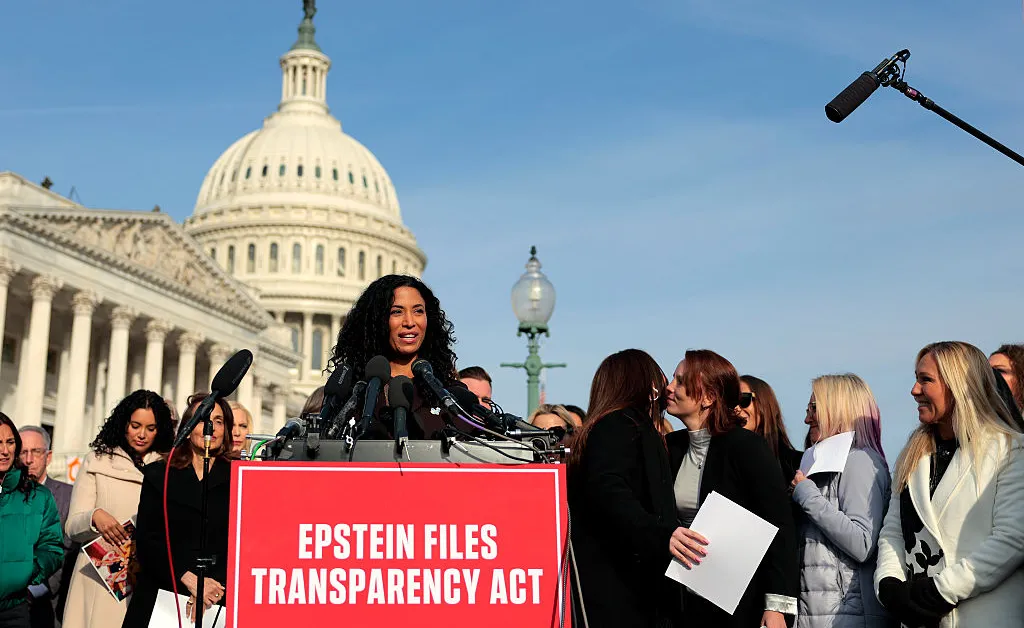
The DOJ has faced criticism from lawmakers and Epstein survivors over its failure to release all the files by the Dec. 19 deadline. On that date, the department released an initial, incomplete batch of records, saying that hundreds of thousands more were expected to come in the weeks ahead. More documents and images were released in additional batches in the following days.
On Dec. 24, the DOJ said it had identified over a million additional documents potentially related to Epstein that would require additional time to review. In the Monday update, the officials said that a “meaningful portion” of the documents appeared to be duplicative but noted that they will need to undergo a “deduplication” process.
The officials again attributed the delay in releasing the files in part to the need to take steps to protect the victims referenced within them. The law allows for some information to be redacted from the files in order to protect the identities of victims, among other circumstances.
A group of Epstein survivors in December, however, denounced the DOJ’s initial releases of the files for leaving what they described as “numerous victim identities” unredacted, even while elsewhere making “abnormal and extreme redactions” to the materials—which included a number of fully blacked out pages—“with no explanation.”
Read more: What’s Redacted in the New Epstein Files and What Isn’t
Senate Minority Leader Chuck Schumer on Monday also criticized the DOJ for failing to submit a report to Congress including a list of political figures named in the files.
“Trump’s DOJ has failed to submit a report to Congress, which is required to include a list of all government officials and politically exposed persons named or referenced in the released materials, without redactions,” he wrote in a post on X. “What are they trying to hide?”
The Democratic lawmaker accused the department of “lawlessness” and said he would “do everything in my power to ensure all the files come out.”
After months of Republican pushback, the Epstein Files Transparency Act was ultimately passed by both houses of Congress in mid-November with broad bipartisan support and signed by Trump after the President reversed his own opposition to the measure and urged Republicans to support it.
It is unclear when the next trove of documents will be released by the DOJ, or how long it will take for all files to be released.
The post Less Than 1% of the Epstein Files Have Been Released, DOJ Says appeared first on TIME.