New year, new fare.
On Sunday, the cost of taking the subway or bus in New York City will rise to $3 from $2.90 for most riders, the first increase in more than two years.
The 10-cent increase is modest — less than 4 percent of the current fare — at a time when other public transit systems in the United States are adopting double-digit percentage increases.
The board of the Metropolitan Transportation Authority, the state agency that controls the city’s subway and buses and two commuter railroads, approved the increase in September.
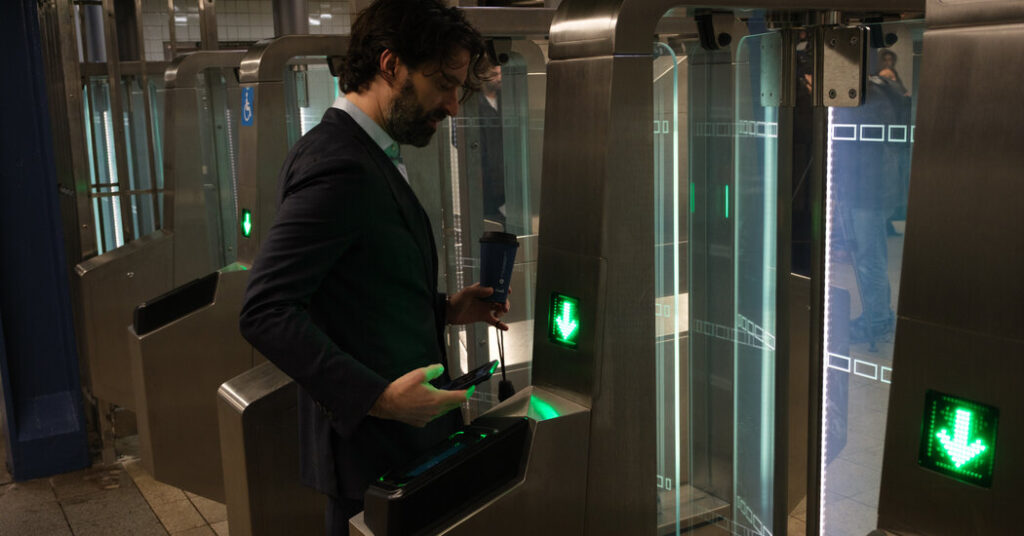
Transit officials delayed the imposition of the higher fare until the new year partly because they first wanted to end sales of the MetroCard, which was retired at the end of December, in favor of the new OMNY payment system.
Prices will also increase for other authority customers on Sunday.
The cost of weekly and monthly tickets on Long Island Rail Road and Metro-North Railroad, which are based on distance traveled, will increase up to 4.5 percent; one-way fares will climb up to 8 percent. But accompanied minors 17 and under can now ride the two commuter railroads for $1. The previous age limit was 11.
A trip using Access-A-Ride, the paratransit service, will also cost $3 starting next year.
Tolls at the authority’s bridges and tunnels will increase about 7.5 percent. Most vehicles using the Queens-Midtown Tunnel, for example, will climb to $7.46 from $6.94.
The M.T.A. expects the changes to raise $350 million a year in additional revenue. The authority relies on a roughly $21 billion annual operating budget that it uses primarily to pay worker salaries and benefits, utility costs and borrowing expenses. More than a quarter of the budget comes from fares.
Janno Lieber, the authority’s chief executive, has credited Gov. Kathy Hochul’s financial support for the M.T.A. with making the relatively small fare increase possible. The authority had typically raised the fare up to 4 percent roughly every two years, with an exception made in 2021, when the increase was postponed amid the Covid-19 pandemic.
The latest fare increase will nevertheless make travel less affordable for a large share of commuters. One in five New Yorkers struggle to pay for public transit, according to a 2024 report by the Community Service Society, an antipoverty group.
A city-run program, Fair Fares, offers half-price trips to poor New Yorkers. Transit advocates have criticized the program’s application process as burdensome and its income requirements as too restrictive. The most a family of four can earn and still qualify for the discount is around $48,000, far below the city’s median household income.
The fare increase arrives just as Mayor Zohran Mamdani, who campaigned on a promise to make the city’s buses “fast and free,” is considering ways to fully subsidize bus fares for all riders.
Any plan would require cooperation with Ms. Hochul, who controls the transit system and would most likely have to raise taxes to finance such subsidies.
Mr. Mamdani’s free bus proposal comes at an inopportune time for the M.T.A., which has been focused on reducing fare evasion and increasing fare revenue, as ridership inches closer to its prepandemic levels. After a steep decline at the height of the pandemic, subway ridership in 2025 rose to about 85 percent of those levels, the authority said.
The M.T.A. projects that annual bus fare revenue, including paratransit, could exceed $1 billion by 2028, a sum that could be difficult to raise from elsewhere in the state budget.
Stefanos Chen is a Times reporter covering New York City’s transit system.
The post Subway and Bus Fare Rises to $3 in New York City on Sunday appeared first on New York Times.