Ukrainian drones struck a Russian oil depot overnight, breaking through the netting that had been installed earlier to protect the site from such attacks, a security official told Business Insider on Thursday.
Long-range Ukrainian drones struck an oil depot in Velikiye Luki, a city in western Russia’s Pskov region, a source in the Security Service of Ukraine (SBU) said. They were only authorized to speak on the condition of anonymity to discuss military operations.
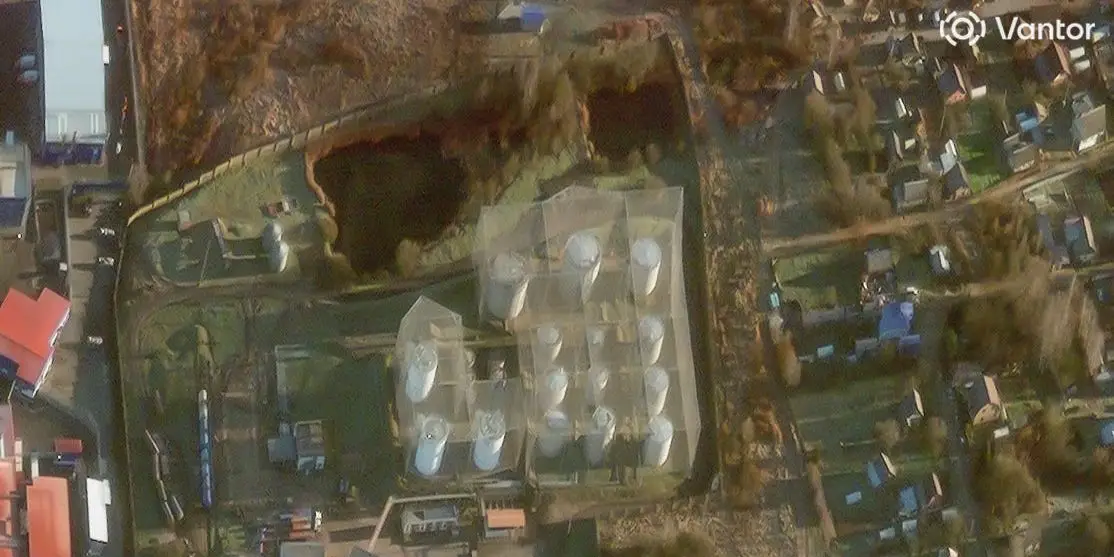
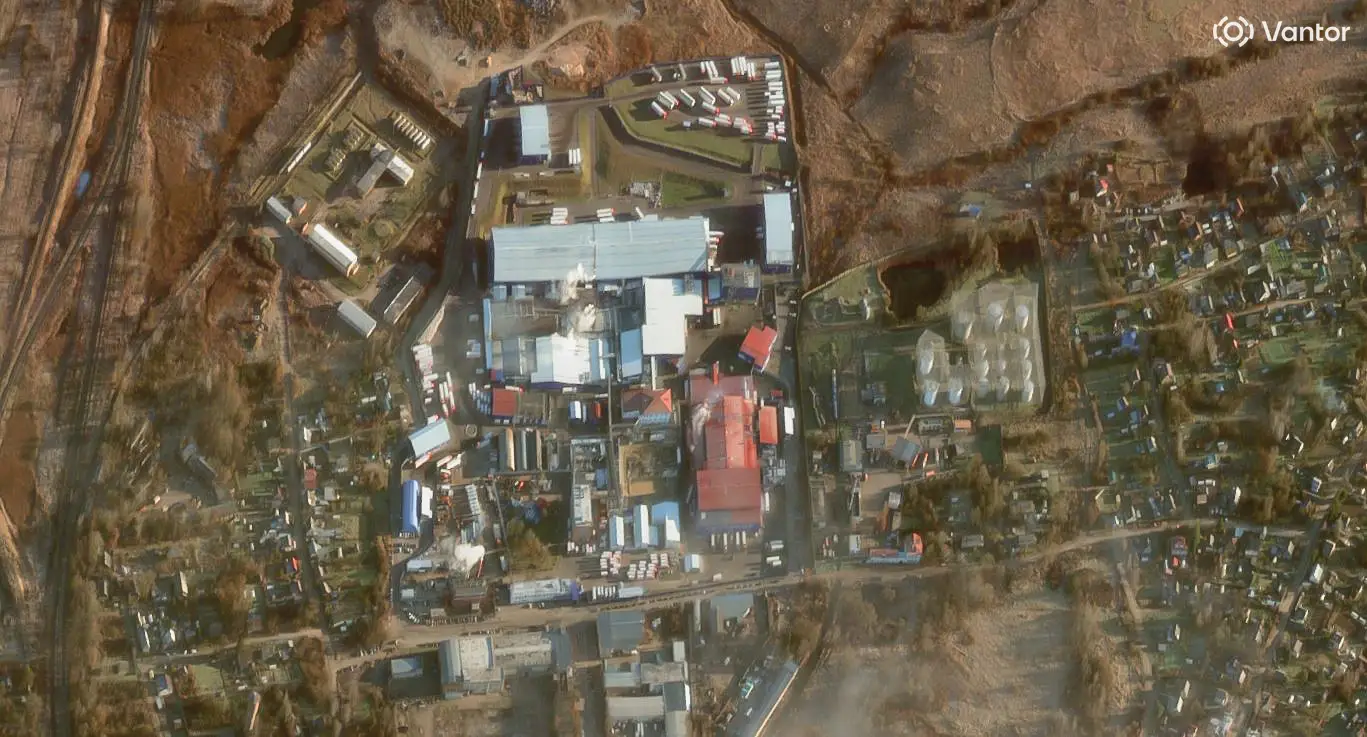
The source said protective anti-drone nets had been stretched above fuel tanks at the oil depot. The facility belongs to the company Pskovnefteproduct and is located nearly 500 kilometers (310 miles) from the Ukrainian border. The nets were unable to prevent the strike from doing damage, the source added.
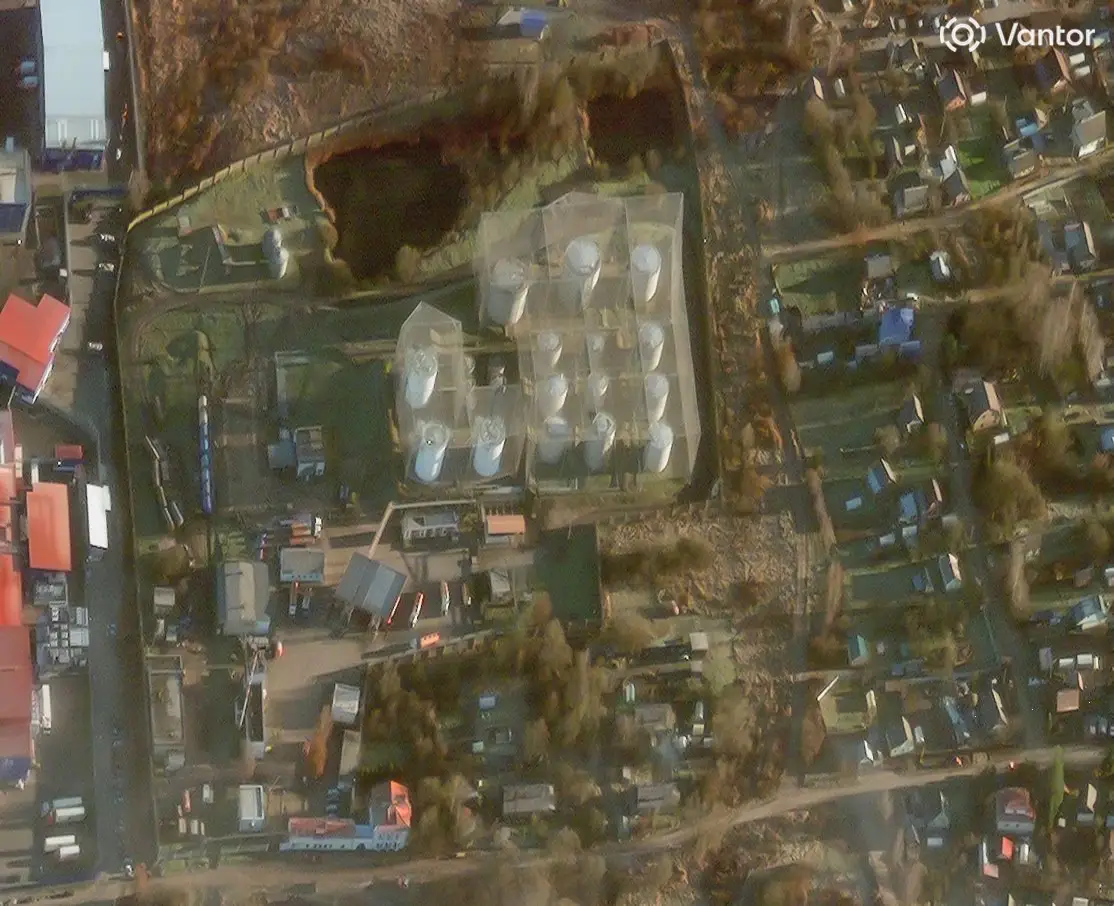
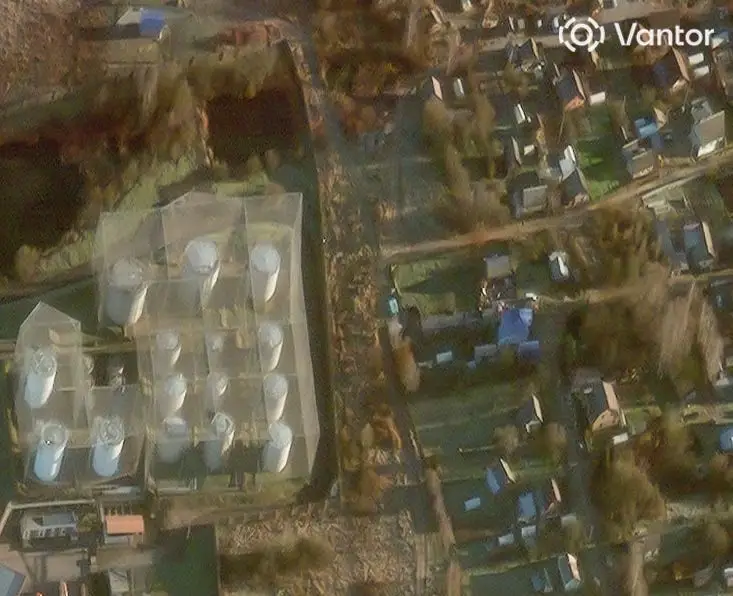
Satellite imagery captured in December by US spatial intelligence firm Vantor and analyzed by Business Insider, shows what appears to be anti-drone netting covering roughly 15 tanks at the depot in Velikiye Luki.
Several explosions and a large fire were reported at the oil facility, the source said, citing local channels on the Telegram messaging app. Video footage shared on social media shows a massive blaze burning through a structure resembling anti-drone netting.
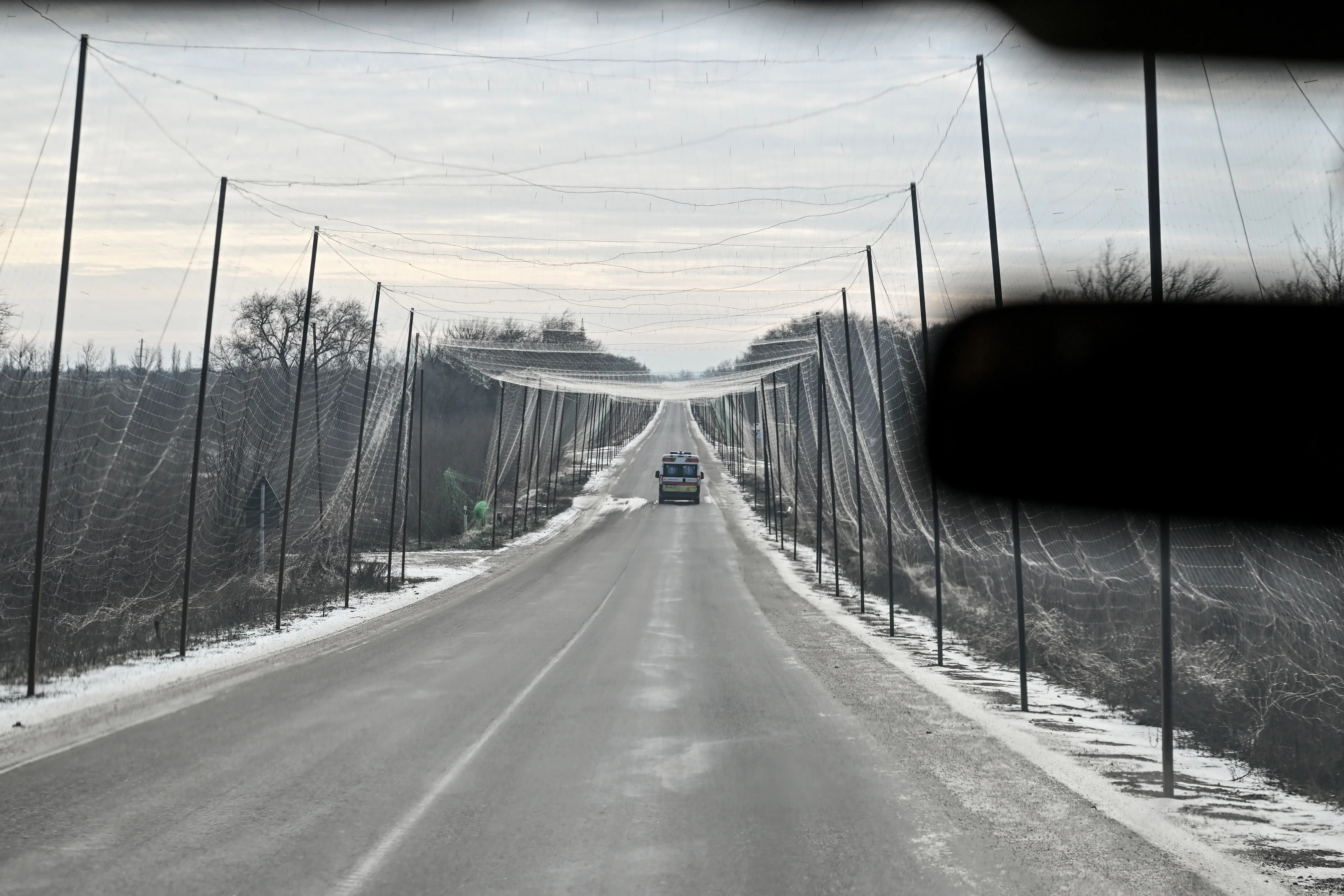
This kind of netting has been spotted at other oil facilities in Russia in recent months. The tactic underscores how the country is turning to crude-looking, improvised defenses to protect energy infrastructure from ongoing Ukrainian attacks.
“Vietnam, run!” – overnight, drones from the Special Operations Center “Alpha” of the Security Service of Ukraine successfully struck the Velikolukskaya oil depot. A large fire broke out at the site. Anti-drone nets had been stretched over the fuel storage tanks, but they did not… pic.twitter.com/bLBxuHNxtm
— WarTranslated (@wartranslated) February 19, 2026
Concerns over the high drone saturation have led to similar measures on the battlefield.
Anti-drone netting is common near the front lines. Ukrainian soldiers are using this material to cover critical logistics routes. And both militaries have added cage-like fencing to their armored vehicles to protect against drones.
Additionally, Russia has also installed makeshift defenses, such as large, floating barriers, to protect its ports from the Ukrainian naval drones that have wreaked havoc on its Black Sea Fleet.
The Ukrainian attack on Wednesday night marked Kyiv’s latest deep-strike drone operation against the vast Russian energy sector, a major source of revenue that fuels Moscow’s ongoing war efforts.
“The SBU continues to work methodically on facilities that provide the Russian army with fuel,” the security source said in a translated statement.
“The destruction of oil depots directly affects the enemy’s ability to conduct combat operations, advance and transfer reserves. Such operations are an element of the systematic weakening of the military potential of the Russian Federation,” they added.
Neither Russia’s defense ministry nor its US embassy responded to a request for comment on the attack. Moscow said its air defenses shot down roughly 300 Ukrainian drones over the past 24 hours.
Since last August, Ukraine has been intensifying its long-range drone attacks on Russia’s energy sector, targeting oil refineries, terminals, tankers, and platforms at sea. Kyiv has described the deep-strike campaign as its way of imposing “long-range sanctions” on Moscow.
Many of these attacks — at least four in the past week, including the most recent strike — have been carried out by the SBU’s Alpha group, an elite unit considered to be among the best of Ukraine’s special forces. Its personnel have also been involved in ground operations.
Meanwhile, Russia has significantly stepped up its missile and drone strikes against Ukraine’s energy infrastructure this winter compared to previous years of the war.
Since October, Ukrainian energy facilities have been the main target of Russian barrages, Britain’s defense ministry said on Thursday.
Russia has launched more than 20,000 drones, and its aircraft have fired over 300 missiles, “in attempts to systematically destroy Ukraine’s electrical grid and heat generation capacity,” the ministry said in an intelligence update.
Read the original article on Business Insider
The post Satellite images show Russia put up anti-drone nets to protect its fuel tanks. A Ukrainian attack punched through. appeared first on Business Insider.